
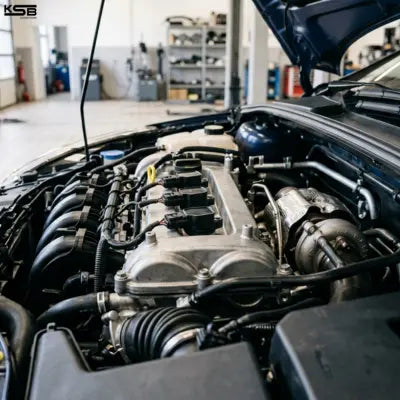
Ford Focus 1.0 EcoBoost Loss of Power and Hesitation
A Ford Focus 1.0 EcoBoost loss of power can show up in several ways. The car may hesitate when accelerating, judder under load, feel flat as the turbo comes in or suddenly lose the smooth response it normally has.
There is no single fault that explains every case. Depending on the model year and engine version, possible causes include timing-system problems, ignition faults, turbo boost-control issues and other air, fuel or engine-management faults. Ford's 1.0 EcoBoost is a three-cylinder turbocharged engine, and Ford has used an oil-immersed timing belt design on versions of the engine.
The best approach is to diagnose the fault before replacing parts.
Important: If the oil-pressure warning appears, the engine develops serious knocking or unusual mechanical noise, or there is a severe loss of power, switch the engine off and arrange professional inspection or recovery rather than continuing to drive.
Common Causes of Ford Focus 1.0 EcoBoost Loss of Power
The symptom can help narrow down where to investigate, but it cannot confirm the failed component on its own.
|
What You Notice |
Area Worth Checking |
Useful Next Step |
|
Hesitation when accelerating |
Ignition or boost control |
Scan the vehicle and review relevant live data |
|
Juddering under load |
Spark plugs, ignition coils or fuelling |
Check for misfire evidence |
|
Flat spot as boost builds |
Boost control, pipework or turbo system |
Check requested versus actual boost and inspect for leaks |
|
Oil-pressure warning |
Lubrication or timing system |
Stop driving and arrange professional diagnosis |
|
Abnormal ticking or knocking |
Timing, lubrication or internal mechanical fault |
Avoid further driving until inspected |
|
Persistent rough running |
Ignition, air, fuel, sensor or mechanical issue |
Diagnose systematically rather than replacing parts at random |
The key is to treat each symptom as a clue rather than a diagnosis.
1. Wet Timing Belt Problems on Applicable 1.0 EcoBoost Engines
Wet-belt deterioration is one issue that deserves particular attention on applicable 1.0 EcoBoost engines.
Ford has used an oil-immersed timing belt in the 1.0 EcoBoost, and Ford UK currently operates a discretionary-support process specifically for repairs related to wet-belt degradation on 1.0L EcoBoost engines.
However, hesitation alone does not confirm a wet-belt fault.
If the timing or lubrication system is suspected, warning signs that justify prompt professional investigation include:
- An oil-pressure warning
- Unusual ticking or knocking
- Timing-related diagnostic faults
- A noticeable deterioration in engine performance
- Evidence of timing-system deterioration found during inspection
A quick visual check should not be used as the sole basis for condemning the belt.

Why the Correct Engine Oil Matters
Using the correct oil specification is particularly important on the 1.0 EcoBoost.
Ford's own technical information states that oil must meet the specified standard and viscosity grade, and warns that using oil outside the required specification can contribute to component damage and reduced engine performance. The exact specification should always be checked for the individual vehicle rather than assumed from another EcoBoost model or model year.
If the car's service history is unclear, confirming what oil has been used is worth including in the diagnostic process.
2. Turbo Boost-Control Problems
If the Focus feels reasonably normal at light throttle but becomes flat or hesitant when more acceleration is requested, the turbo and boost-control system should also be investigated.
A boost problem does not automatically mean the turbocharger itself has failed.

Depending on the engine version, areas worth checking can include:
- Boost-control components
- Air, vacuum or pressure lines
- Wastegate operation
- Intake or boost leaks
- Relevant pressure sensors
- Wiring and engine-management inputs
An underboost fault should be treated as evidence that the engine is not achieving the expected boost level. The next step is to determine why, rather than immediately replacing a solenoid, wastegate actuator or turbocharger.
3. Spark Plugs and Ignition Coils
Ignition faults can become much more noticeable when the engine is under load.
A worn spark plug or weak ignition coil may cause hesitation, juddering or misfiring during acceleration even if the engine appears relatively smooth at idle.
Possible signs include:
- Juddering under acceleration
- Rough running
- Intermittent loss of power
- An illuminated engine-management light
- Misfire-related diagnostic information
- A problem that becomes worse as engine load increases
Ford's 1.0 EcoBoost is a three-cylinder engine, so parts and specifications must match the exact engine fitted to the vehicle.
Avoid relying on a universal spark-plug gap or service specification copied from another model year. Check the Ford specification for the exact vehicle.
4. Air, Fuel and Other Engine-Management Faults
If the timing, boost and ignition systems do not explain the problem, the diagnosis should continue.
Other possible causes of hesitation or reduced performance can involve:
- Air leaks
- Fuel-delivery problems
- Sensor faults
- Intake restrictions
- Wiring or electrical issues
- Mechanical engine problems
Several very different faults can create similar driving symptoms.
That is why replacing components based purely on how the car feels can become expensive very quickly.
How to Diagnose Ford Focus 1.0 EcoBoost Hesitation
A useful diagnostic process starts with evidence rather than assumptions.
Step 1: Scan the Car Before Clearing Faults
Before disconnecting the battery or clearing codes, use suitable diagnostic equipment to check for:

- Stored fault codes
- Pending fault codes
- Misfire information
- Relevant sensor readings
- Boost data where available
Save or photograph the results.
Fault codes tell you what the ECU has detected. They do not necessarily tell you which component needs replacing.
Step 2: Compare the Codes With the Symptoms
Codes that can appear during timing, boost or misfire-related investigations include P0016, P0299 and P0300-series faults.
Do not turn a code directly into a shopping list.
For example:
- A timing-related code still requires the timing and related systems to be checked.
- An underboost code requires investigation of why boost is lower than expected.
- A misfire code requires the affected cylinder or system to be diagnosed.
The principle is simple:
Use the code to narrow the investigation, not to skip it.
Step 3: Check the Basics
Before approving expensive repairs, check the areas that can materially affect diagnosis:
- Engine-oil level and condition
- Correct oil specification
- Service history
- Ignition condition
- Visible air or boost leaks
- Wiring and connectors
- Timing-system condition where applicable
If wet-belt degradation is suspected and Ford support may be relevant, Ford currently requires a Ford Dealer to inspect the vehicle and review its service history before submitting a discretionary-support request.
Step 4: Confirm the Fault Before Authorising Repairs
This is where good diagnosis can prevent unnecessary spending.
A P0299 code does not automatically mean the boost-control solenoid needs replacing, just as hesitation does not automatically prove a wet-belt fault.
Depending on the symptoms, a garage may need to use:
- Live diagnostic data
- Ignition testing
- Pressure or leak testing
- Mechanical inspection
- Oil-pressure or timing checks where appropriate
The aim is to identify the failure before paying for parts.
How Much Does a Ford 1.0 EcoBoost Wet Belt Replacement Cost in the UK?
There is no single national price for a Ford 1.0 EcoBoost wet-belt replacement.
The cost varies according to the garage, location, exact vehicle and what is included in the job.
Published UK Independent Specialist Prices Checked in 2026
Current published examples provide a useful indication of what some UK independent specialists are charging:
|
UK Specialist |
Published Ford 1.0 EcoBoost Price |
Important Detail |
|
Emporium Garage Services |
From £950 |
Published Ford 1.0 EcoBoost pricing |
|
TGPP Autocare |
£1,100 |
Advertised as an all-in package including VAT |
|
HBM Motor Garage |
Approximately £850–£1,200 |
Published independent-specialist estimate |
Emporium currently advertises Ford 1.0 EcoBoost wet-belt work from £950, while TGPP lists a £1,100 all-in package. HBM publishes an estimated independent-specialist range of £850–£1,200.
These are published examples, not a UK national average.
Before booking, ask for a written quotation and confirm exactly what is included.
Depending on the specialist and the condition of the engine, a package may include items such as:
- Timing-belt components
- Oil-pump drive belt
- Oil and filter
- Sump or oil-strainer cleaning
- Seals or associated hardware
- Additional components where required
For example, TGPP's current £1,100 package includes the timing belt, oil-pump drive belt, water pump, tensioner, seals, oil-strainer cleaning, Ford-spec oil and filter, while Emporium's published EcoBoost package also includes the wet belt, oil-pump belt, fresh oil and filter and associated hardware.
Always compare the scope of work, not just the headline price.
Check Whether Ford Wet-Belt Support May Apply
Before paying for a major wet-belt-related repair, it is worth checking whether Ford's current support process could apply.
Ford UK states that discretionary support may be available for repairs specifically related to EcoBoost wet-belt degradation. Support is assessed case by case, and a Ford Dealer must inspect the vehicle, review its full service history and submit the request.
Ford currently lists the following general considerations:
- The vehicle is typically under 10 years old
- It has covered fewer than 150,000 miles
- It has a full service history
- The repair is specifically related to wet-belt degradation on an eligible engine
Ford states that this support covers the 1.0L EcoBoost and 2.0L EcoBlue engines.
Meeting those conditions does not guarantee financial assistance, but checking eligibility before authorising a major repair could be worthwhile.
Can You Drive a Ford Focus That Is Hesitating?
It depends on what else the car is doing.
Mild hesitation with no warning lights or abnormal mechanical noises still deserves investigation, but it is very different from a car displaying signs of a serious lubrication or internal engine problem.
Stop driving and arrange professional assistance if you experience:
- An oil-pressure warning
- Severe or sudden loss of power
- Significant knocking or abnormal mechanical noise
- Symptoms that suggest the engine may no longer be safe to run
Do not continue driving simply to see whether the problem clears itself.
Will an Engine Management Light Fail an MOT?
For a qualifying petrol Focus, an engine-management warning can result in an MOT failure.
The current DVSA MOT inspection manual requires the engine malfunction indicator lamp to be checked on qualifying petrol vehicles with four or more wheels, no more than eight passenger seats in addition to the driver's seat, and first used on or after 1 July 2003.
If the engine MIL is inoperative or indicates a malfunction, DVSA classifies the defect as Major.
If your Focus has an unresolved engine-management warning, diagnose and repair the underlying problem before its MOT.
Ford Focus Styling After the Mechanical Issue Is Fixed
Mechanical condition should come first.
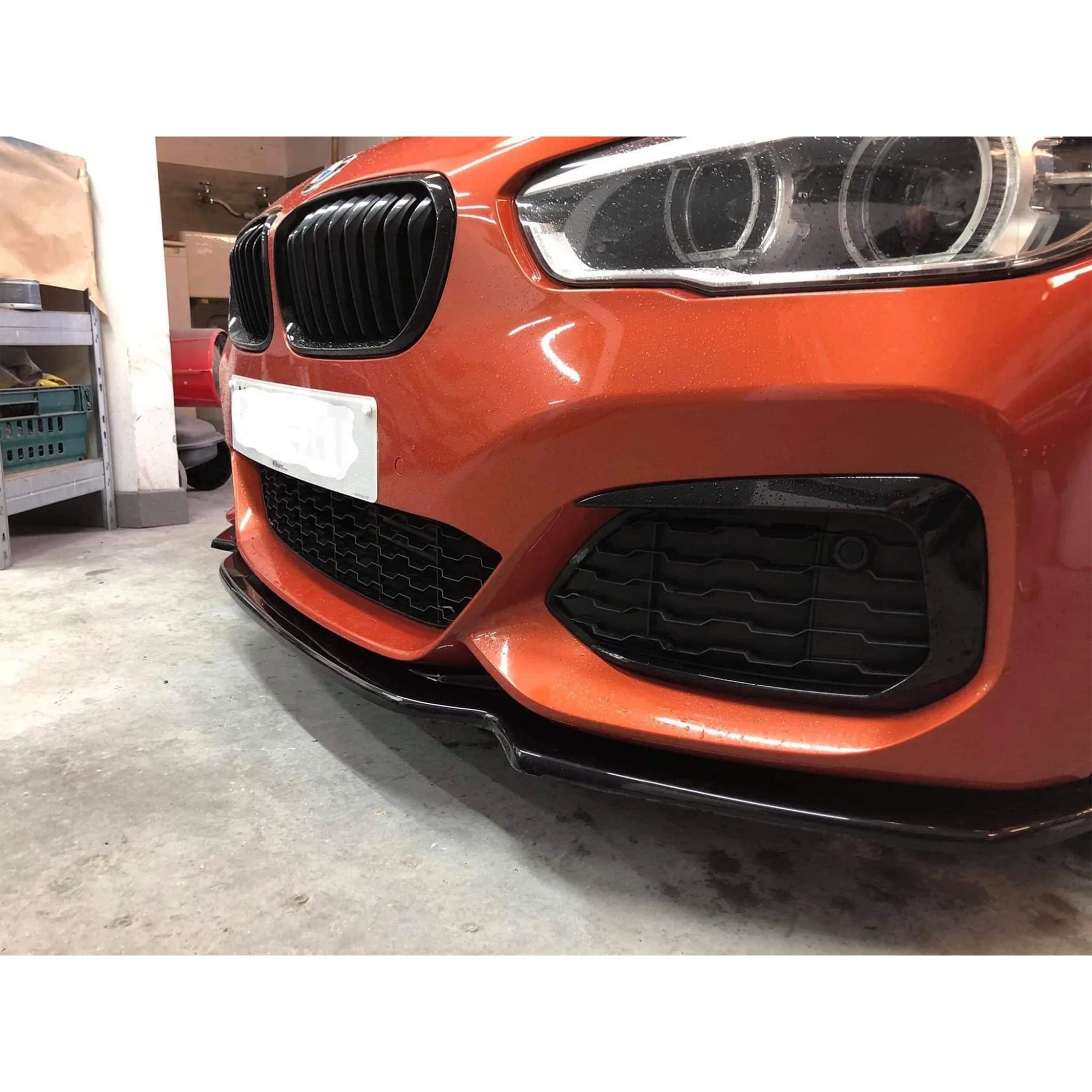
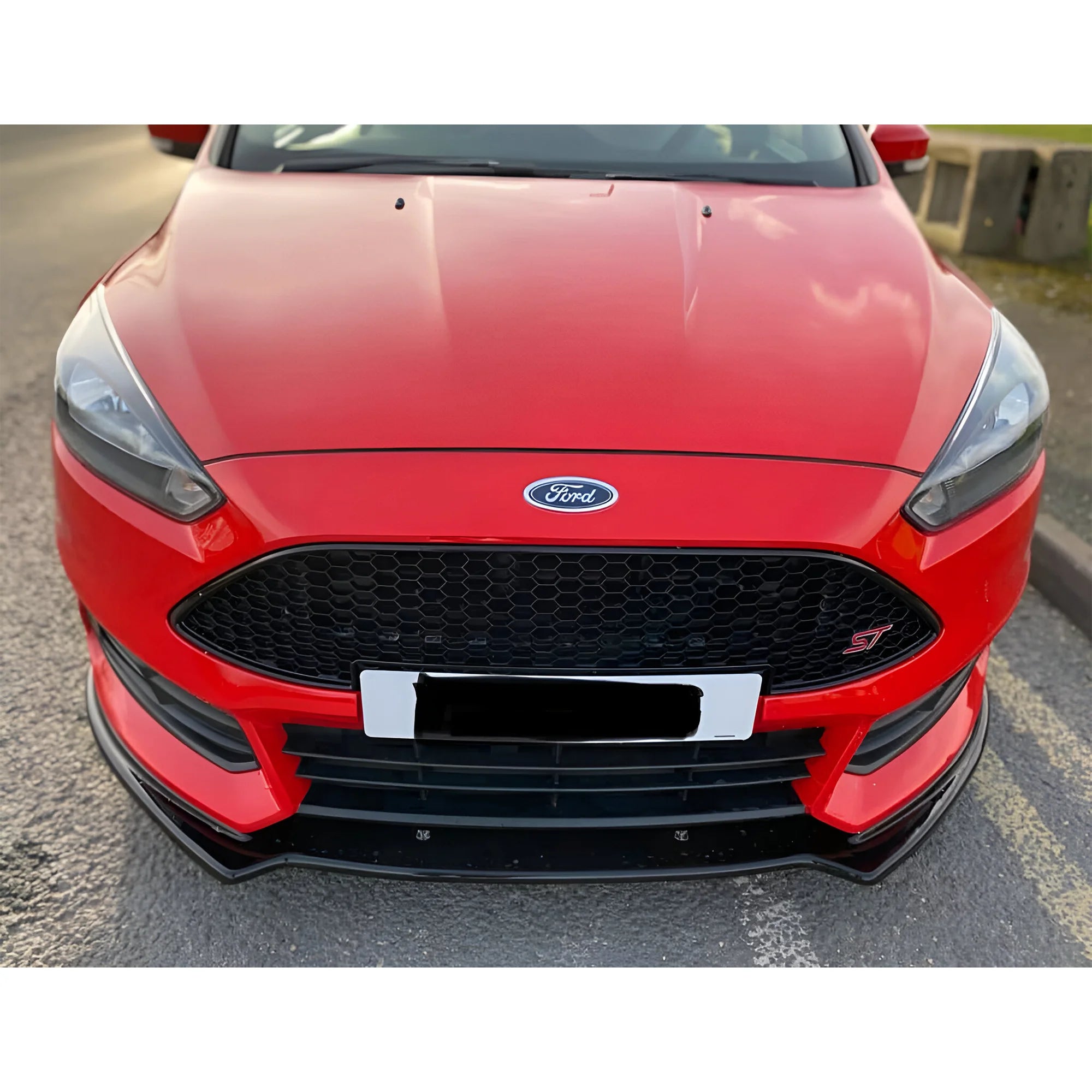
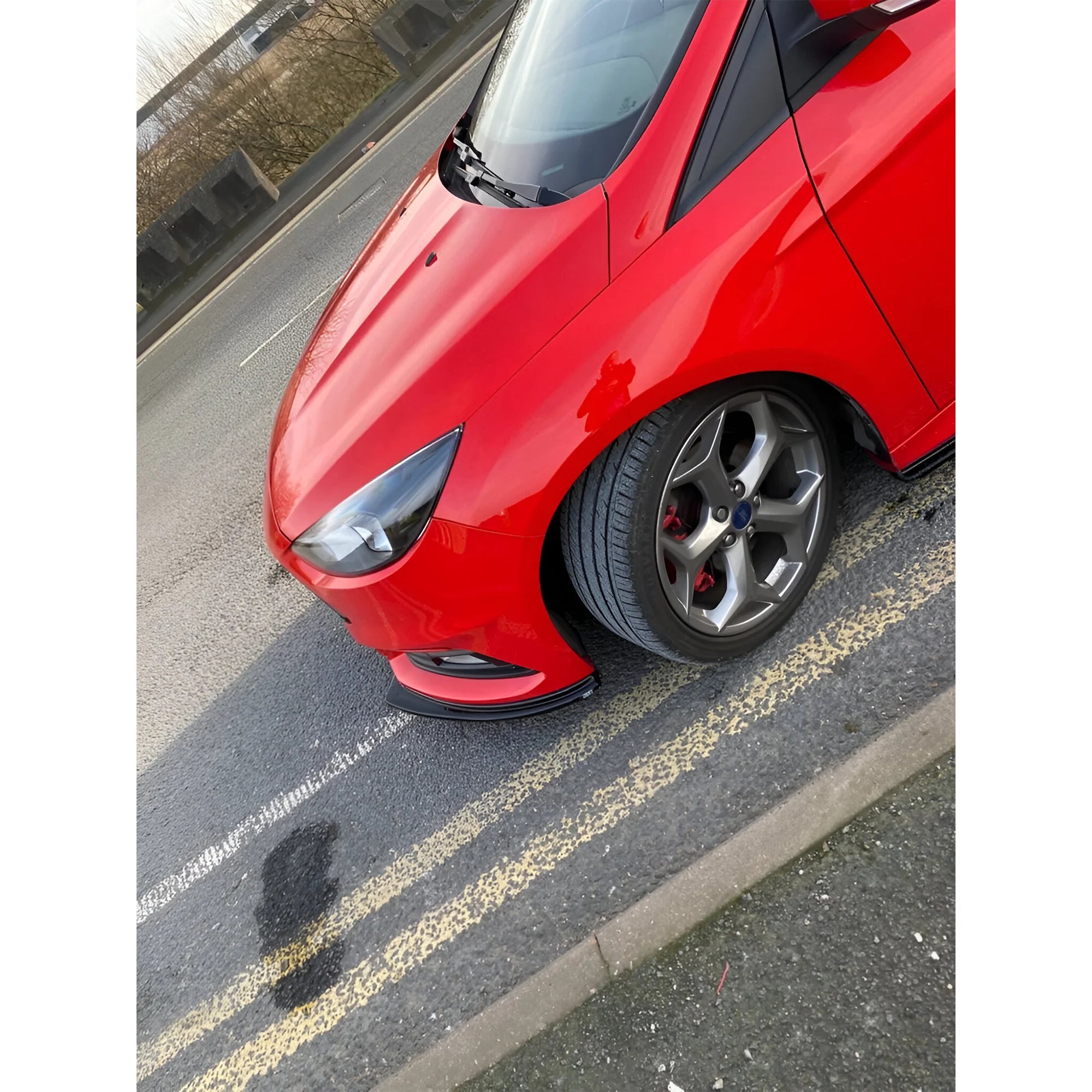
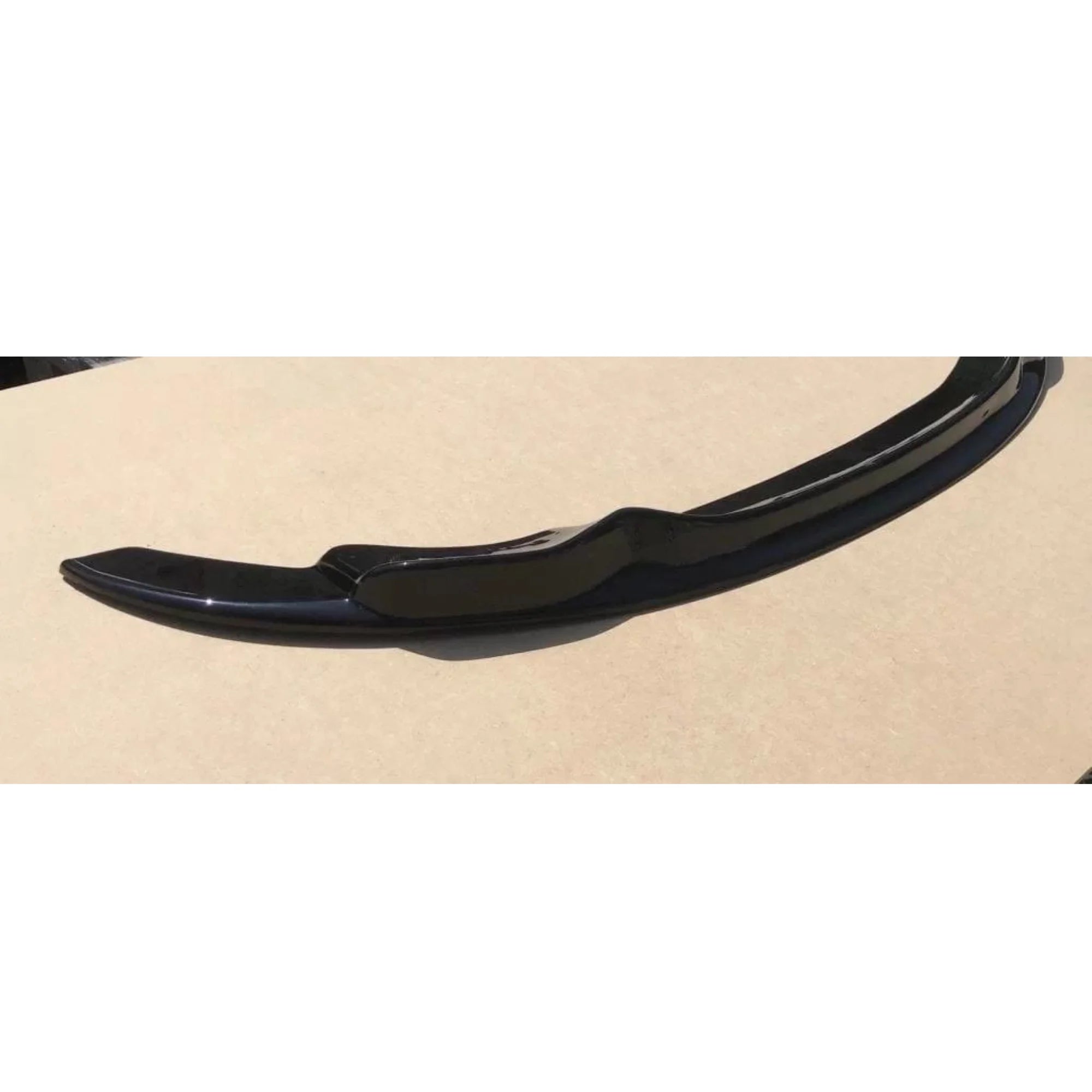
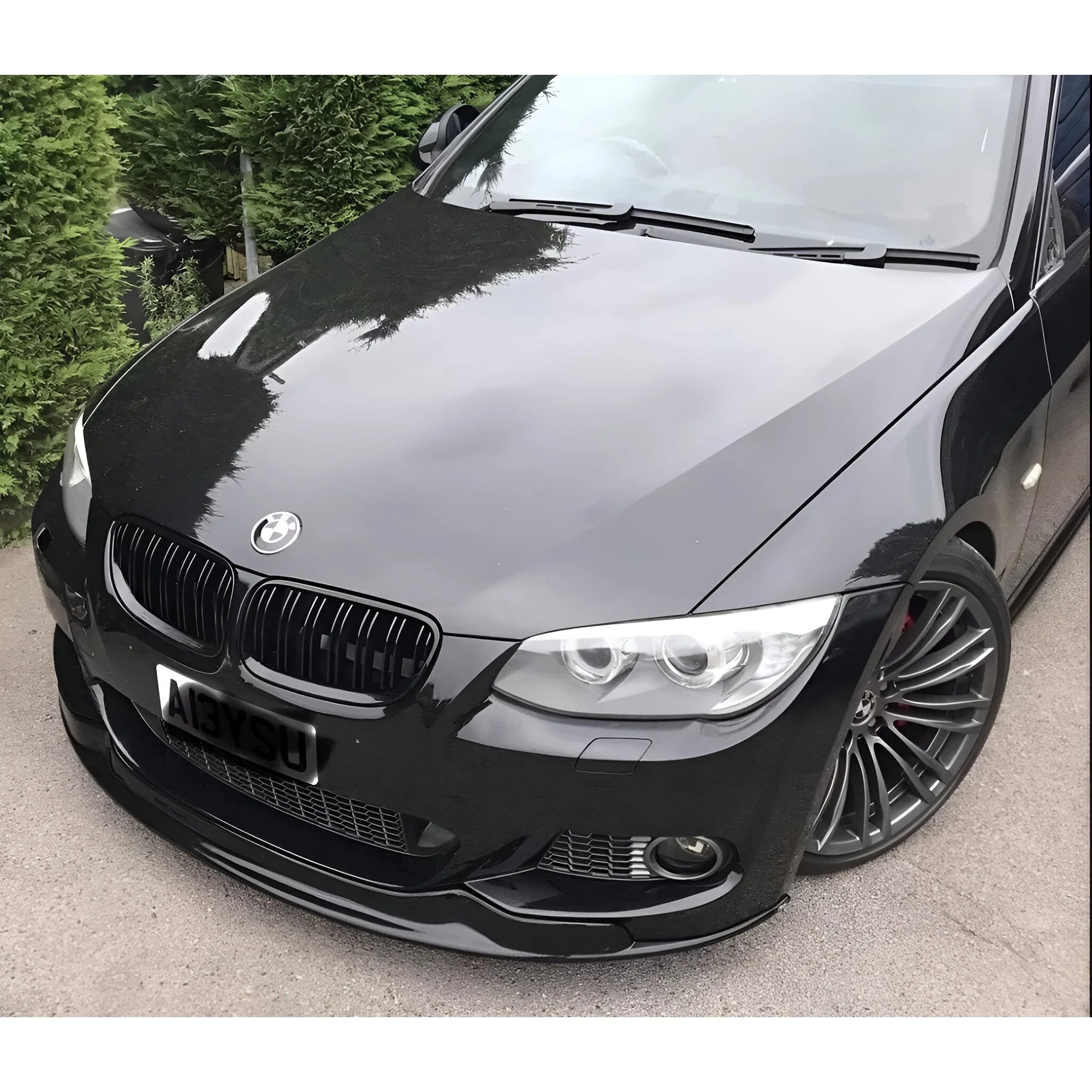
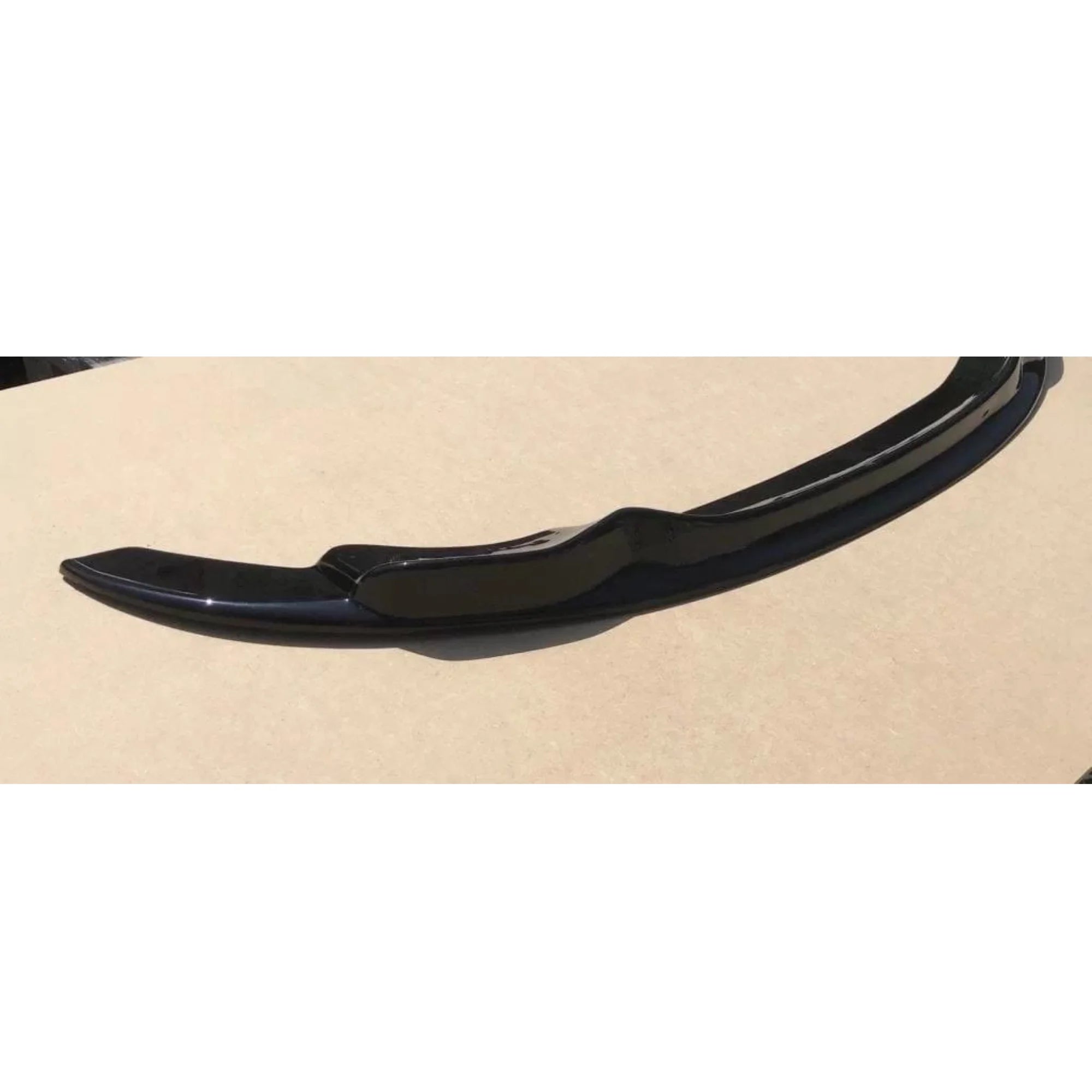
Once the Focus is running correctly, owners who want to update its appearance can explore KSB Autostyling Ford Focus styling range, including the Ford Focus MK3 ST Facelift Splitter. KSB recommends professional fitting and advises that parts should be trial fitted to the vehicle.

Any exterior modification should also be securely fitted and suitable for the vehicle. The DVSA MOT manual specifically includes spoilers within the body-condition inspection; an insecure component, one likely to cause injury, or an unsafe body modification can result in a Major or Dangerous defect depending on severity.
Final Thoughts
A Ford Focus 1.0 EcoBoost loss of power is a symptom, not a diagnosis.
Wet-belt degradation is a genuine concern on applicable 1.0 EcoBoost engines, and Ford currently operates a UK support process for qualifying wet-belt-related repairs. But ignition faults, boost-control issues, air leaks, fuelling problems and other engine-management faults can produce similar symptoms.
Start with the way the car is behaving, scan it before clearing faults, check the service and oil history, and confirm the actual cause before replacing components.
If an oil-pressure warning, severe power loss or serious mechanical noise appears, stop driving and have the vehicle assessed.
FAQs
Why is my Ford Focus 1.0 EcoBoost losing power when accelerating?
Possible causes include ignition faults, boost-control problems, air or fuel issues, timing-system faults and other engine-management problems. The symptoms and diagnostic information need to be considered together before replacing parts.
Does hesitation mean the EcoBoost wet belt is failing?
No. Hesitation alone does not prove wet-belt failure. Wet-belt degradation is a recognised concern on applicable 1.0 EcoBoost engines, but Ford requires physical inspection and diagnosis when considering related support.
What are the serious warning signs?
An oil-pressure warning, severe loss of power or significant mechanical knocking or abnormal noise should be treated seriously. Switch the engine off and arrange professional inspection rather than continuing to drive.
Can worn spark plugs cause hesitation under acceleration?
Yes, ignition problems can contribute to misfiring, juddering and poor performance under load. Use the correct plug and specification for the exact engine rather than assuming all 1.0 EcoBoost versions use identical service specifications.
How much does a Ford 1.0 EcoBoost wet belt replacement cost?
Published UK independent-specialist examples checked in 2026 range from approximately £850 to £1,200, with current advertised examples including £950 from Emporium and £1,100 all-in from TGPP. These figures are examples rather than a national average.
Can Ford help with the cost of a wet-belt repair?
Potentially. Ford UK currently offers discretionary support for certain repairs related to 1.0L EcoBoost wet-belt degradation. Eligibility is assessed case by case after Ford Dealer inspection and review of the vehicle's service history.
Will an engine-management light fail an MOT?
For a qualifying petrol vehicle covered by the relevant DVSA rules, an engine MIL that is inoperative or indicating a malfunction is a Major defect. For the relevant petrol-vehicle category, the inspection requirement applies to vehicles first used on or after 1 July 2003.