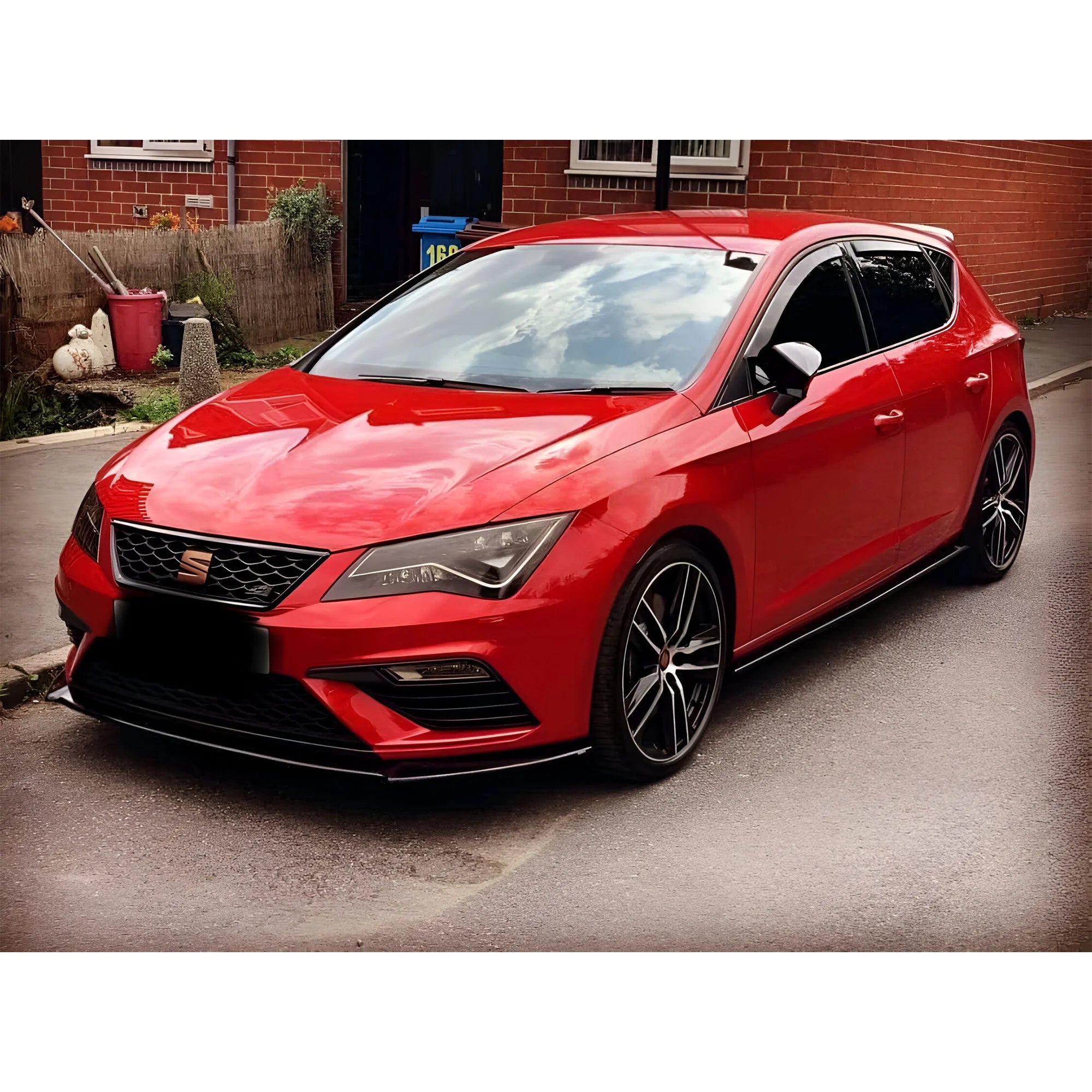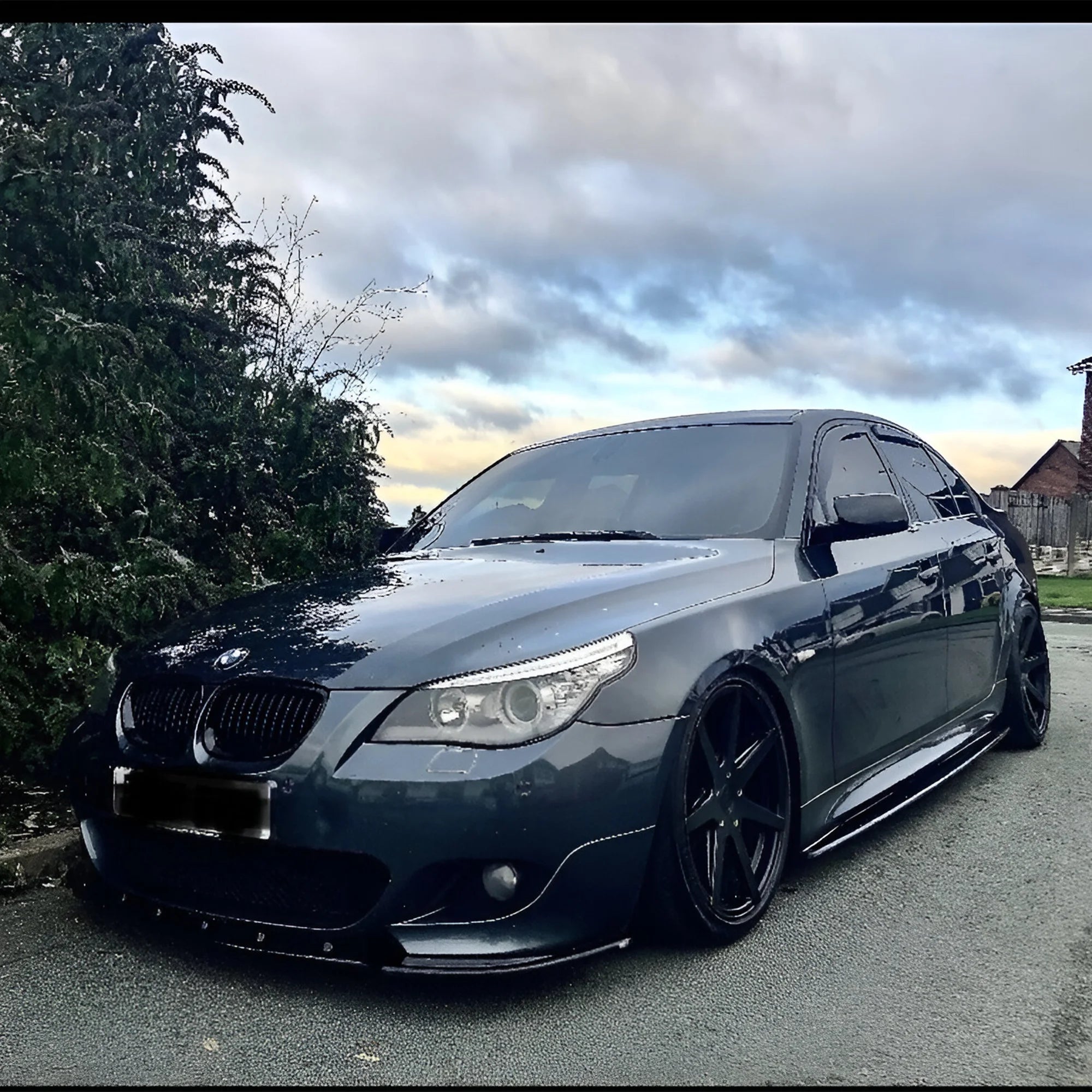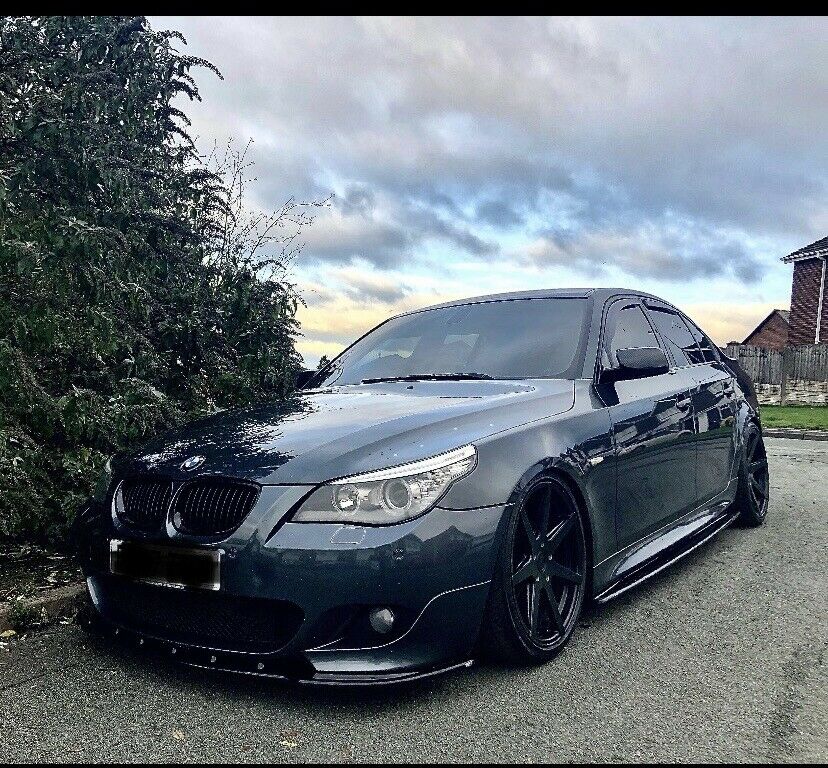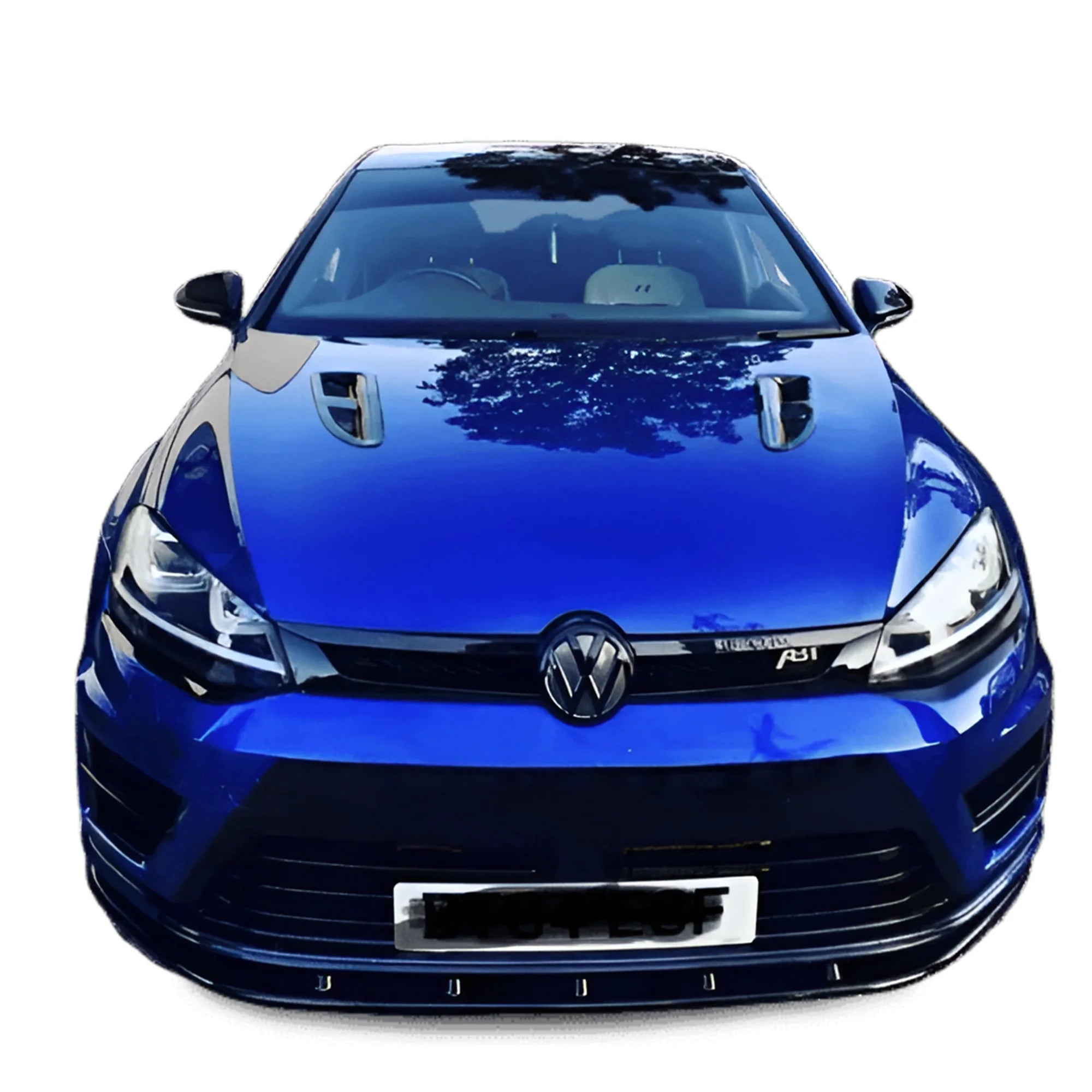


Most Affordable Body Kits That Still Look Premium
There is a hard truth that most people only learn after their first build. A body kit does not look premium because it is expensive. It looks premium because it fits properly, survives daily use, and still makes sense years later.
In 2026, affordable body kits have improved massively. Better materials, 3D scanning, and smarter manufacturing mean you no longer need a five-figure budget to achieve a clean, factory-inspired look. What still separates a great build from a disappointing one is understanding materials, installation reality, and legal limits, especially in the UK.
This guide is written for daily driven cars, not trailer queens. Everything here reflects real-world outcomes seen by installers and suppliers such as KSB Autostyling, where our (https://ksbautostyling.co.uk) products are expected to perform like premium ones.
What are the best affordable body kit brands that still look premium in 2026?
Affordable premium does not mean generic. Several brands consistently deliver strong design and acceptable fitment without drifting into luxury pricing.
Duraflex remains popular because it blends fibreglass with flexible resin. When prepped and installed properly, it gives aggressive styling at a lower entry point than full carbon kits. Fitment varies, so dry fitting is essential.
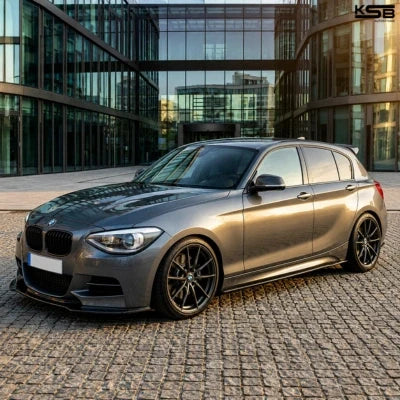
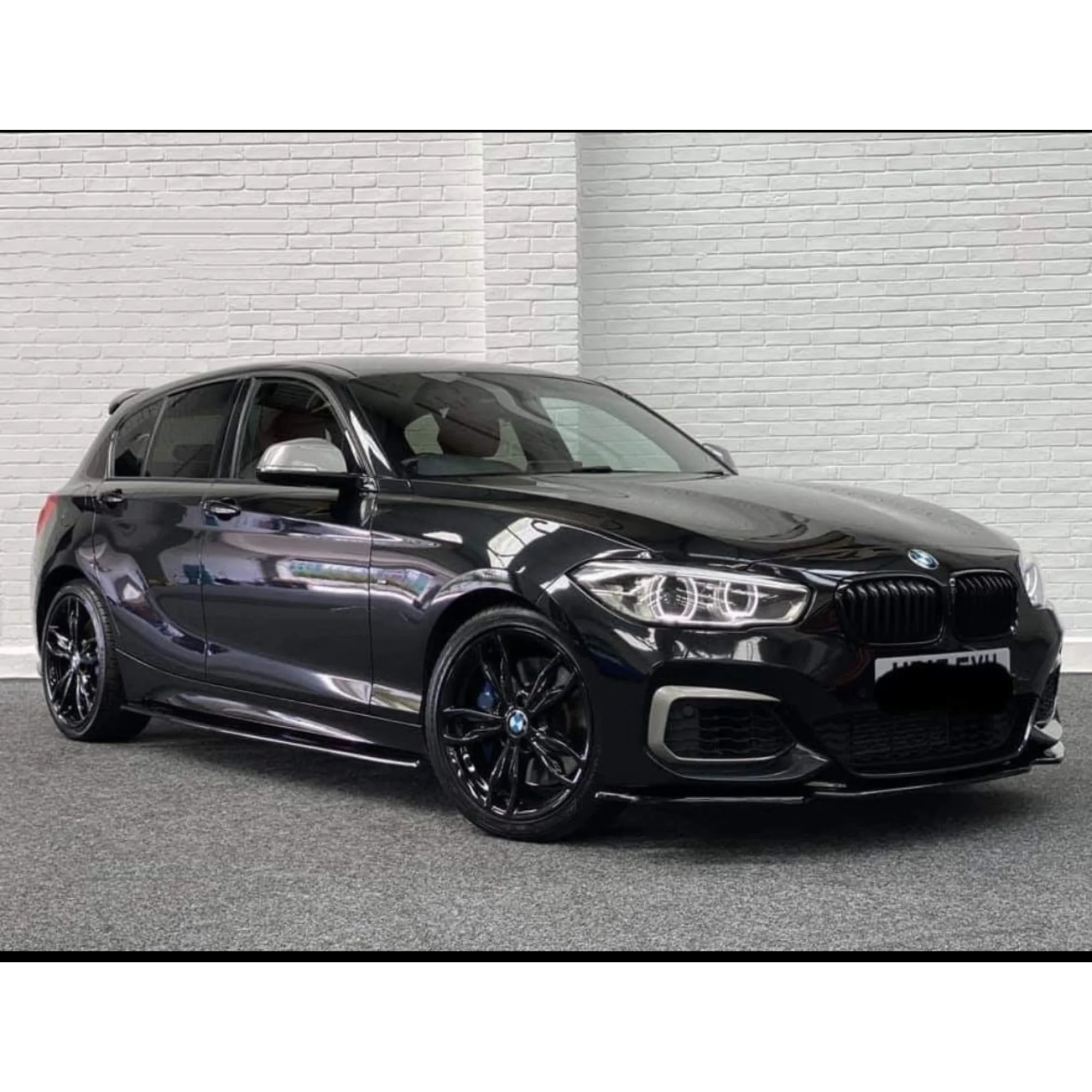
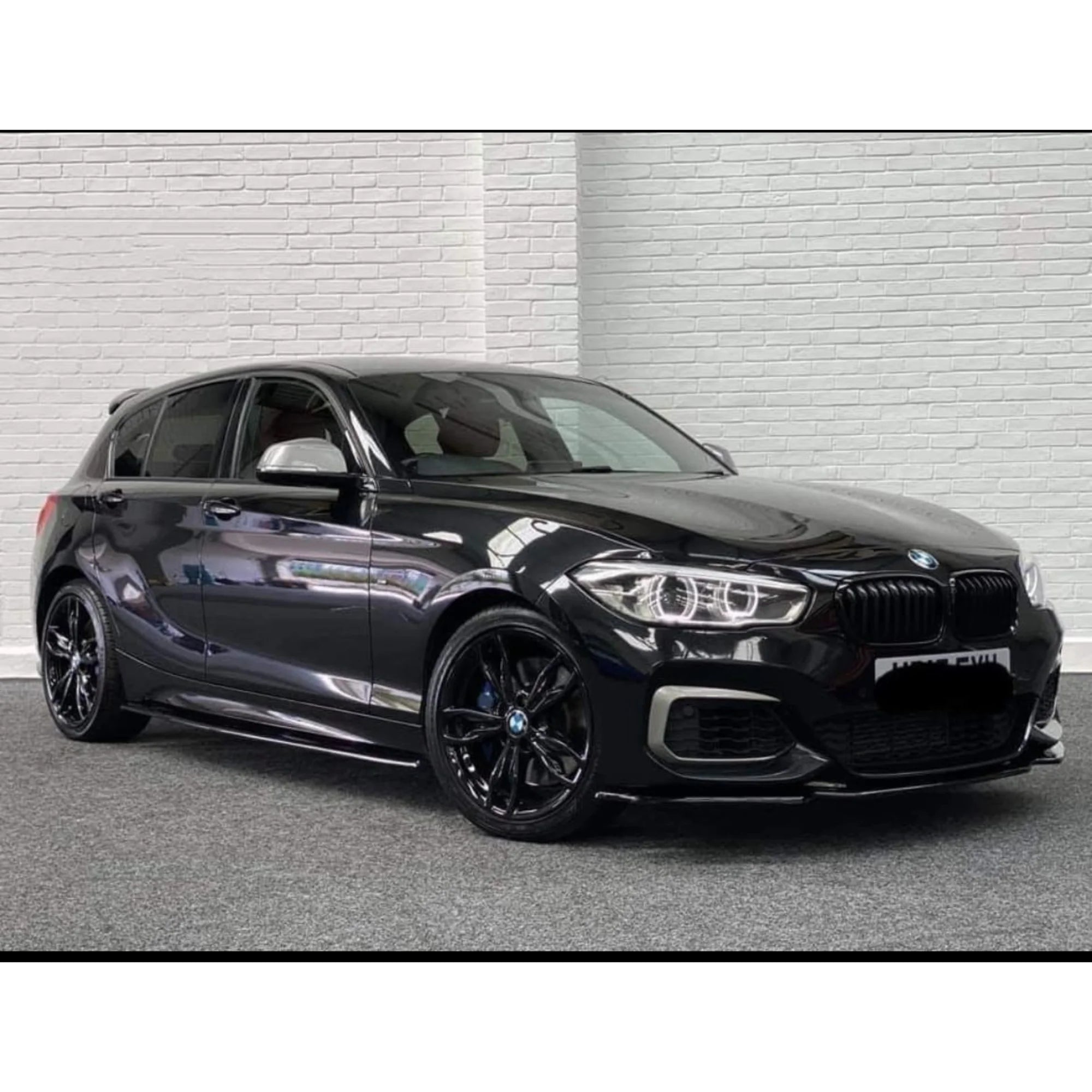
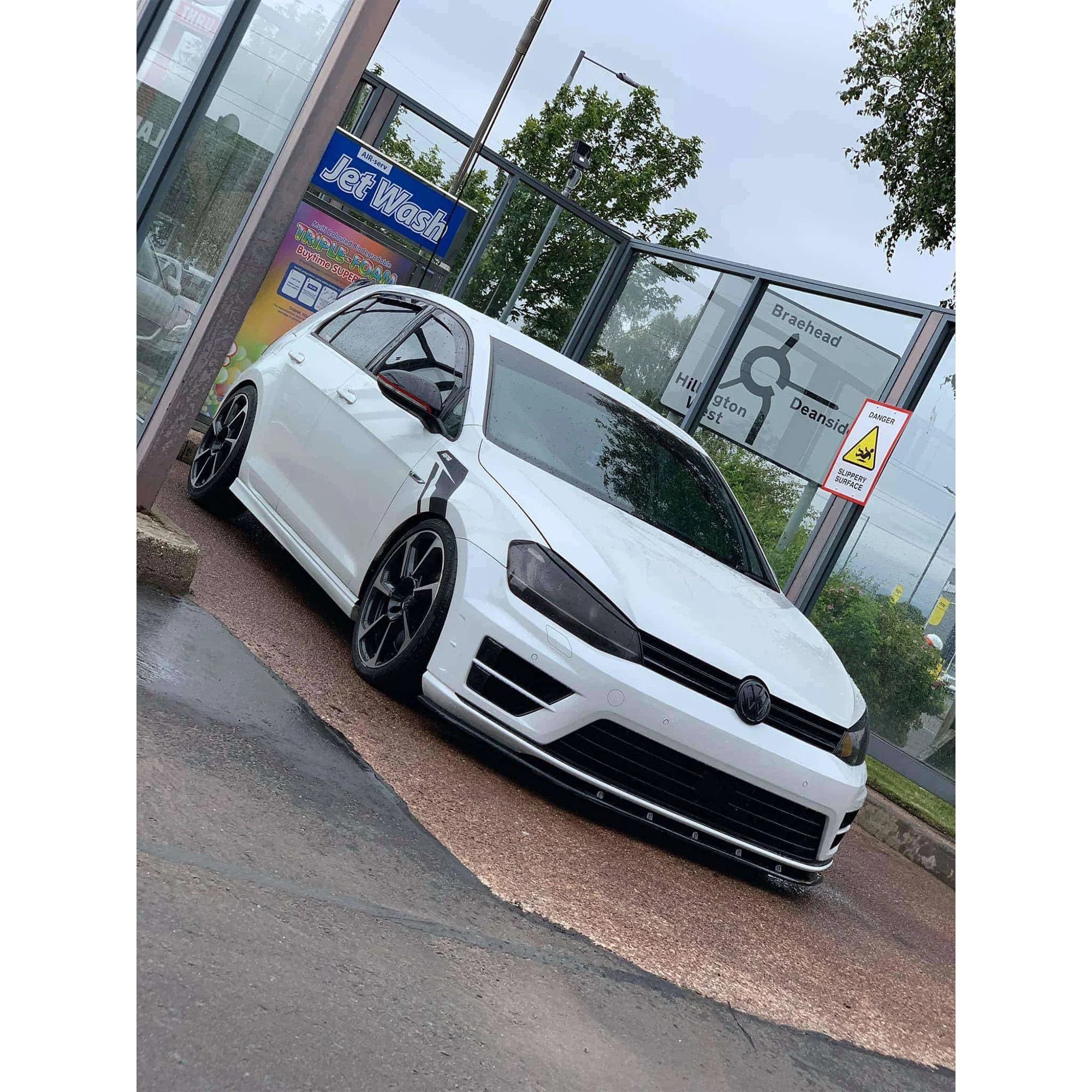
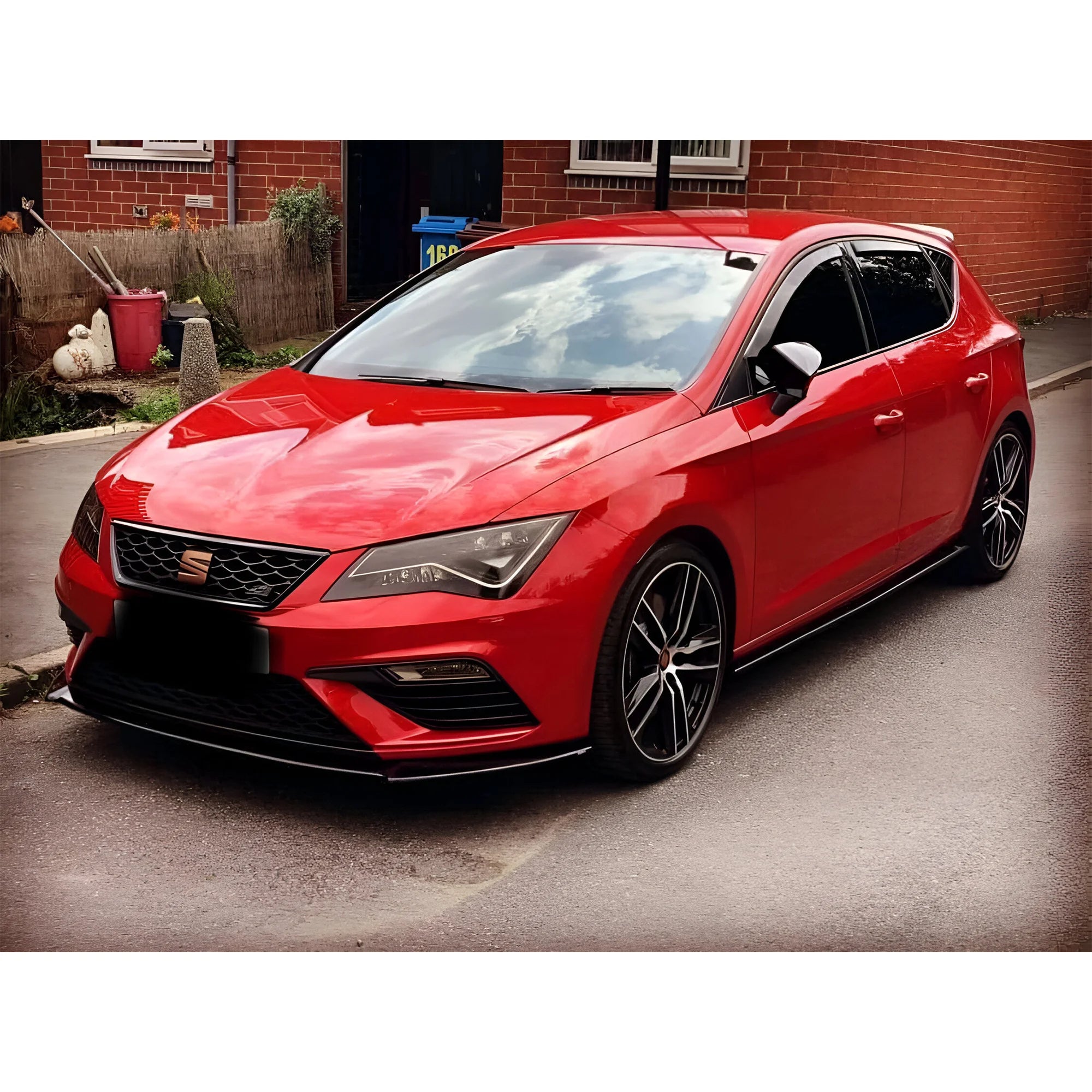
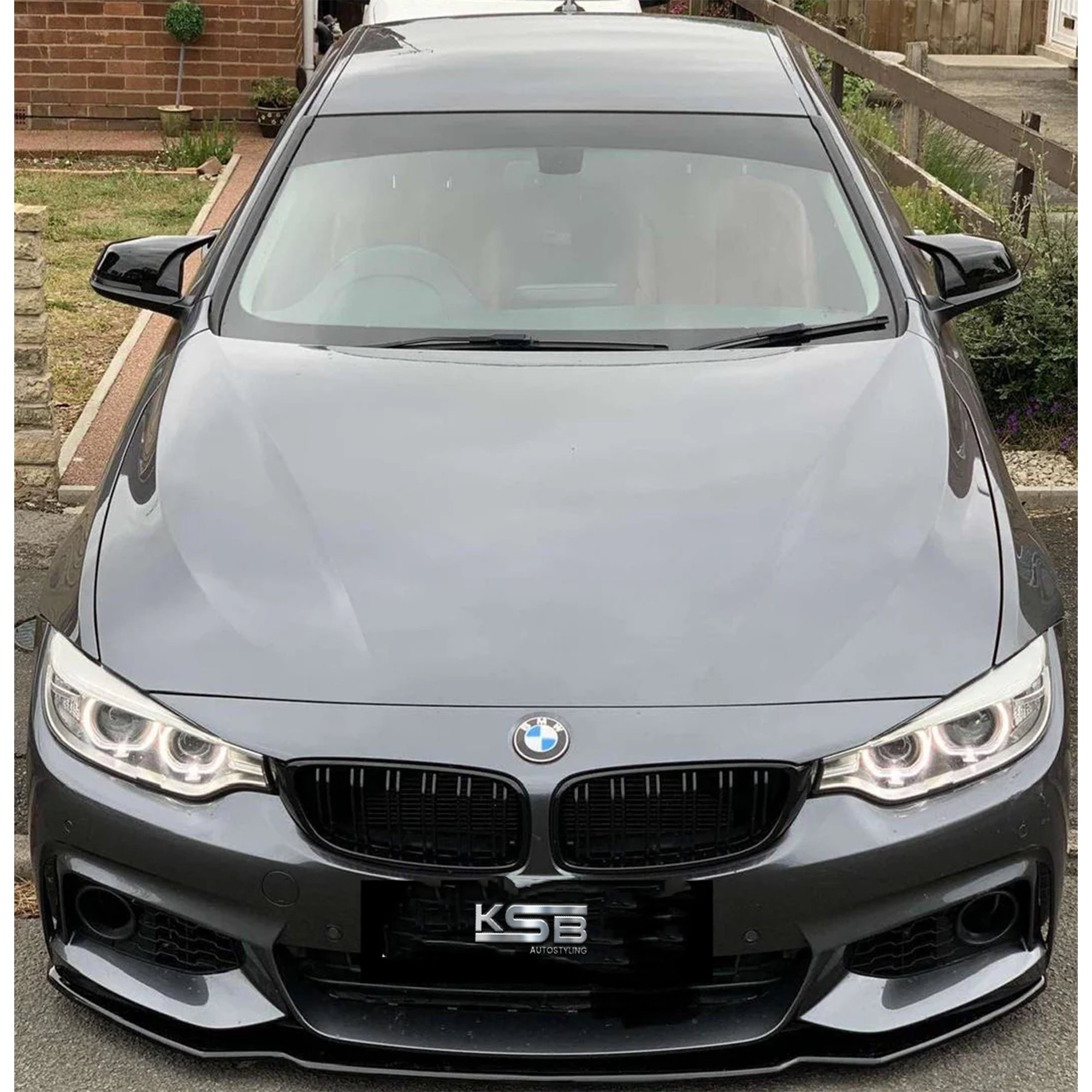
Maxton Design dominates the UK OEM Plus space. Their kits are 3D scanned, made from ABS plastic, and designed to follow factory lines closely. This is why they are widely used on Golfs, BMWs, Audis, and hot hatches. The look is subtle but intentional, which ages far better than trend-driven designs.
KBD Urethane is known for extreme flexibility. Their kits are heavier and more expensive to paint correctly, but they survive potholes, steep driveways, and urban driving better than almost anything else. For rough daily use, they are difficult to beat.
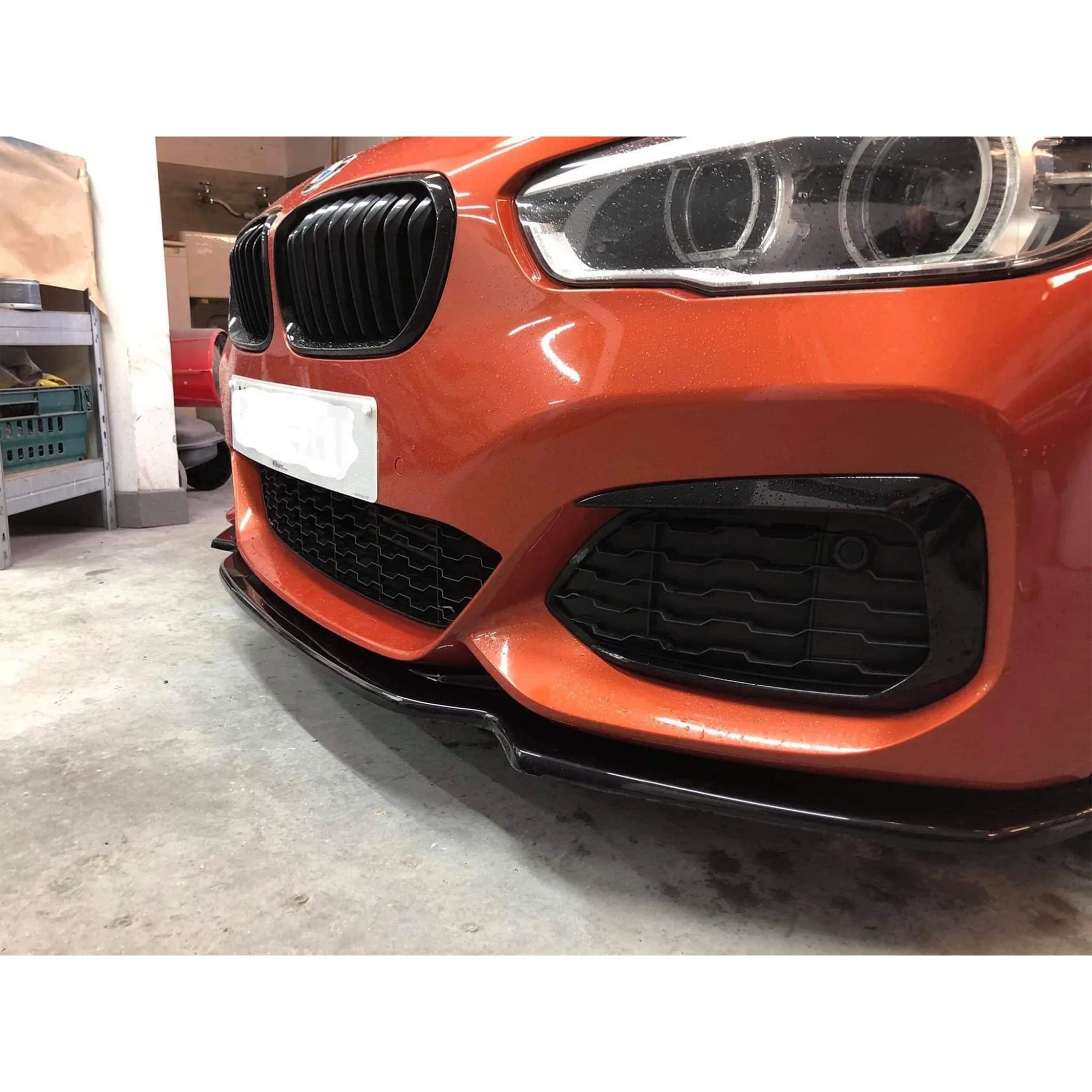
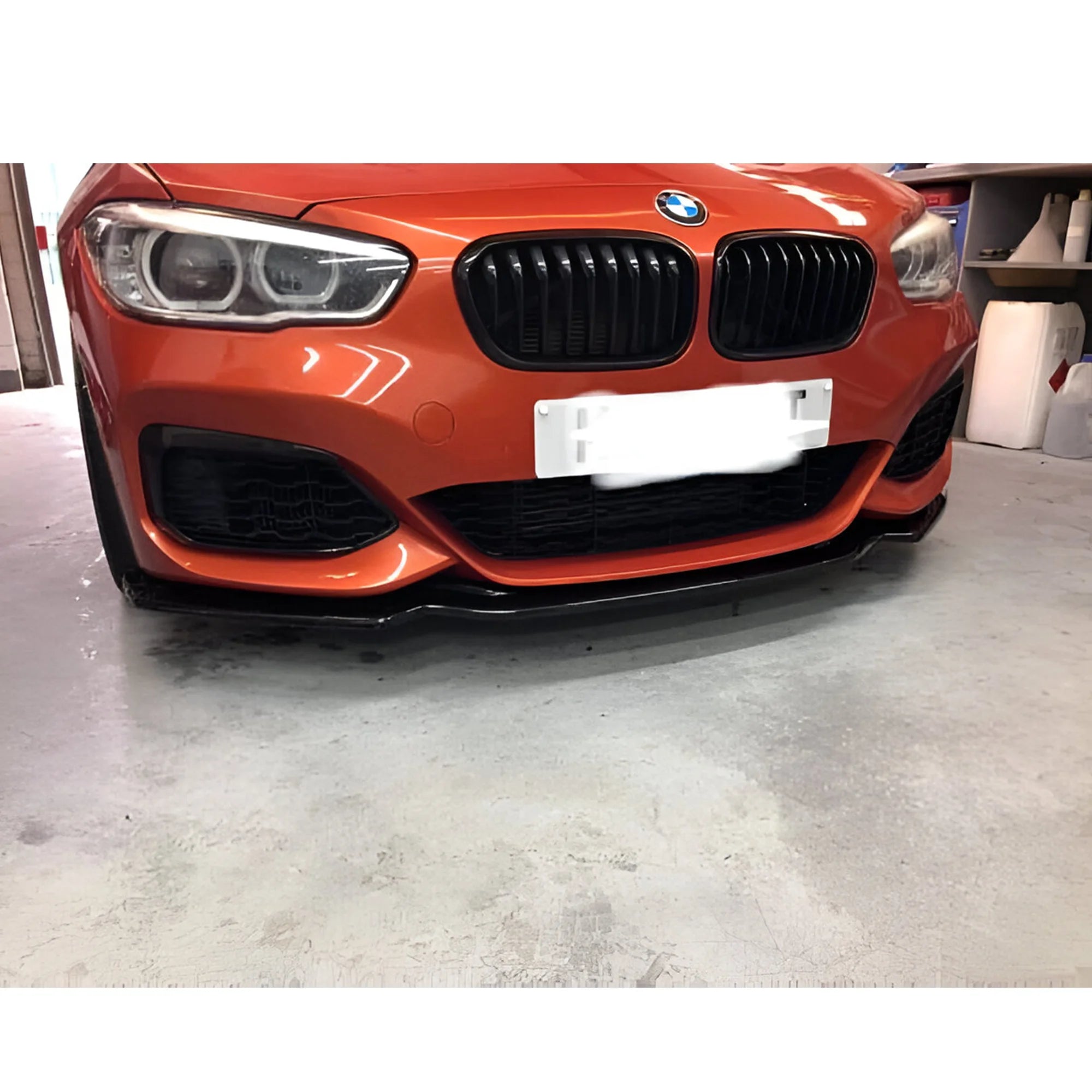
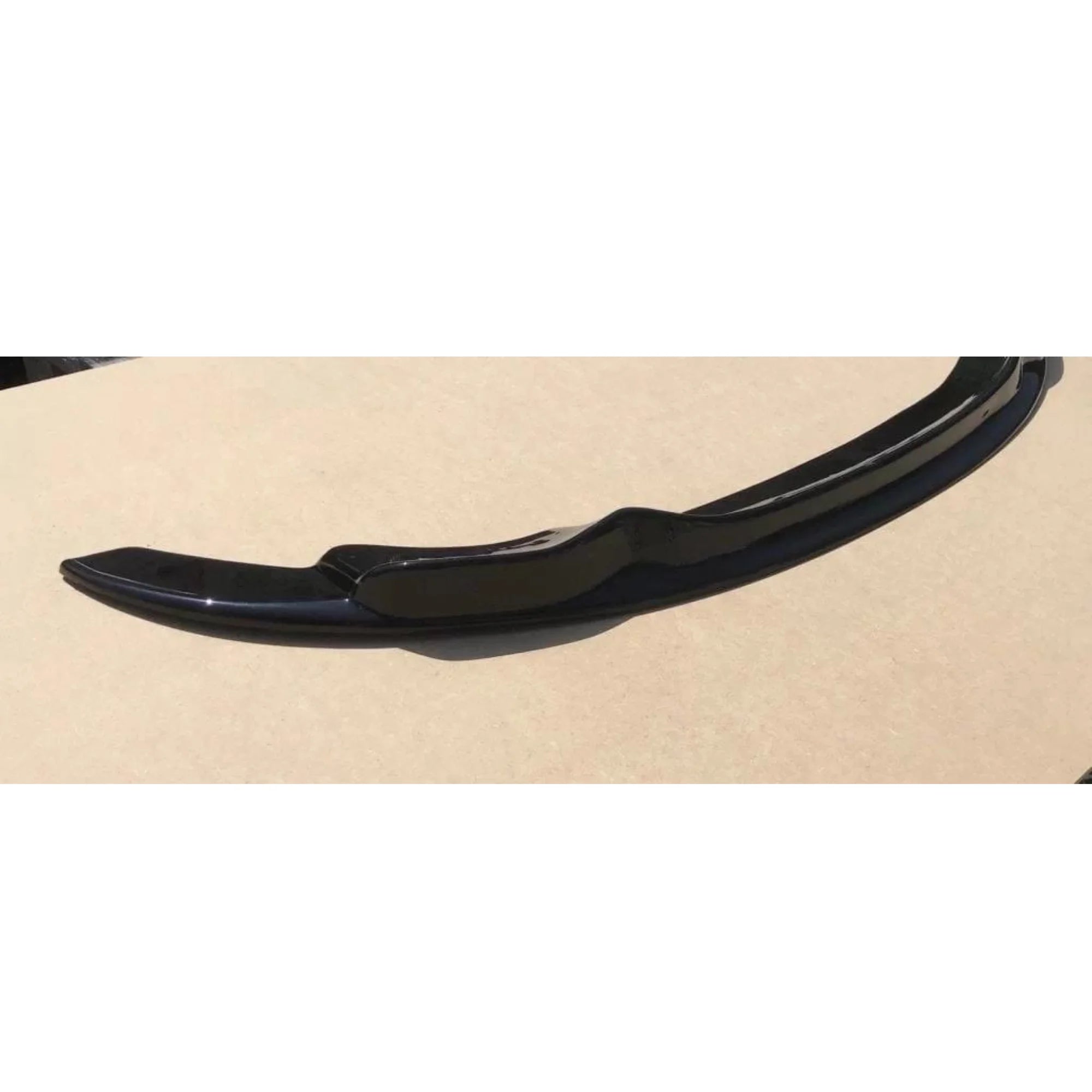
CT Carbon has become a staple for UK enthusiasts looking for premium carbon fibre and gloss black styling without extended wait times. Their parts are known for consistent fitment, clean finishing, and rapid UK delivery, making them a popular choice for OEM Plus upgrades where carbon accents are preferred over full kit changes.
Entry-level kits from brands like Rocket Bunny and Liberty Walk are also more accessible than many assume. The kit price itself is often reasonable. The real cost appears in cutting, reinforcement, paint, and alignment.
How to identify genuine quality in UK and EU-manufactured kits
For UK buyers, manufacturing origin is a meaningful quality signal.
British and EU-manufactured kits often undergo additional finishing steps that mass-imported parts skip entirely. One of the most important is CNC milling during final processing.
CNC finishing ensures mounting edges are clean, symmetrical, and consistent. This reduces the amount of hand trimming, grinding, and filler needed during installation. Cleaner edges also mean tighter panel gaps and fewer stress points over time.
Many generic imported kits rely on rough mould trimming with minimal post-processing. These parts may look fine initially but require more labour to fit correctly and often age poorly.
Choosing UK or EU-made components does not guarantee perfection, but it dramatically improves consistency. For buyers aiming for an affordable build that still feels refined, this distinction matters.
Is Duraflex actually better than standard fibreglass for a daily driven car?
In most daily driving scenarios, yes, but with conditions.
Traditional fibreglass is rigid. That rigidity gives sharp edges and crisp lines, but it cracks easily from speed bumps or minor impacts. Once cracked, damage spreads.
Duraflex introduces flexibility, which helps absorb small impacts. This makes it more forgiving on the road. However, that same flexibility means it demands correct paint preparation. Without proper primers and curing, the paint fails, not the panel.
Duraflex is better than fibreglass for daily use only when installed and painted correctly.
Material science reality check: why some body kits fail after paint
This is where many budget builds quietly collapse.
ABS plastic is rigid enough to hold shape but forgiving enough to survive daily use. It accepts paint well once cleaned, scuffed, and primed. This is why many factory bumpers are ABS-based. For beginners, ABS is the safest material.
Polyurethane is extremely flexible. That flexibility is great for durability, but problematic for paint. Standard automotive primers and clear coats can crack or peel when the panel flexes. To avoid this, polyurethane kits require adhesion promoters, flexible primers, and flexible clear coats. Skipping any of these steps often leads to paint failure months later.
Fibreglass sits at the opposite end. It paints easily but cracks easily. Fibreglass kits require reinforcement at mounting points and careful driving habits.
The takeaway is simple. ABS forgives mistakes. Polyurethane demands correct chemistry. Fibreglass demands respect.
How much should I expect to pay for a full body kit, including paint and labour?
In the UK market in 2026, realistic ranges matter more than advertised kit prices.
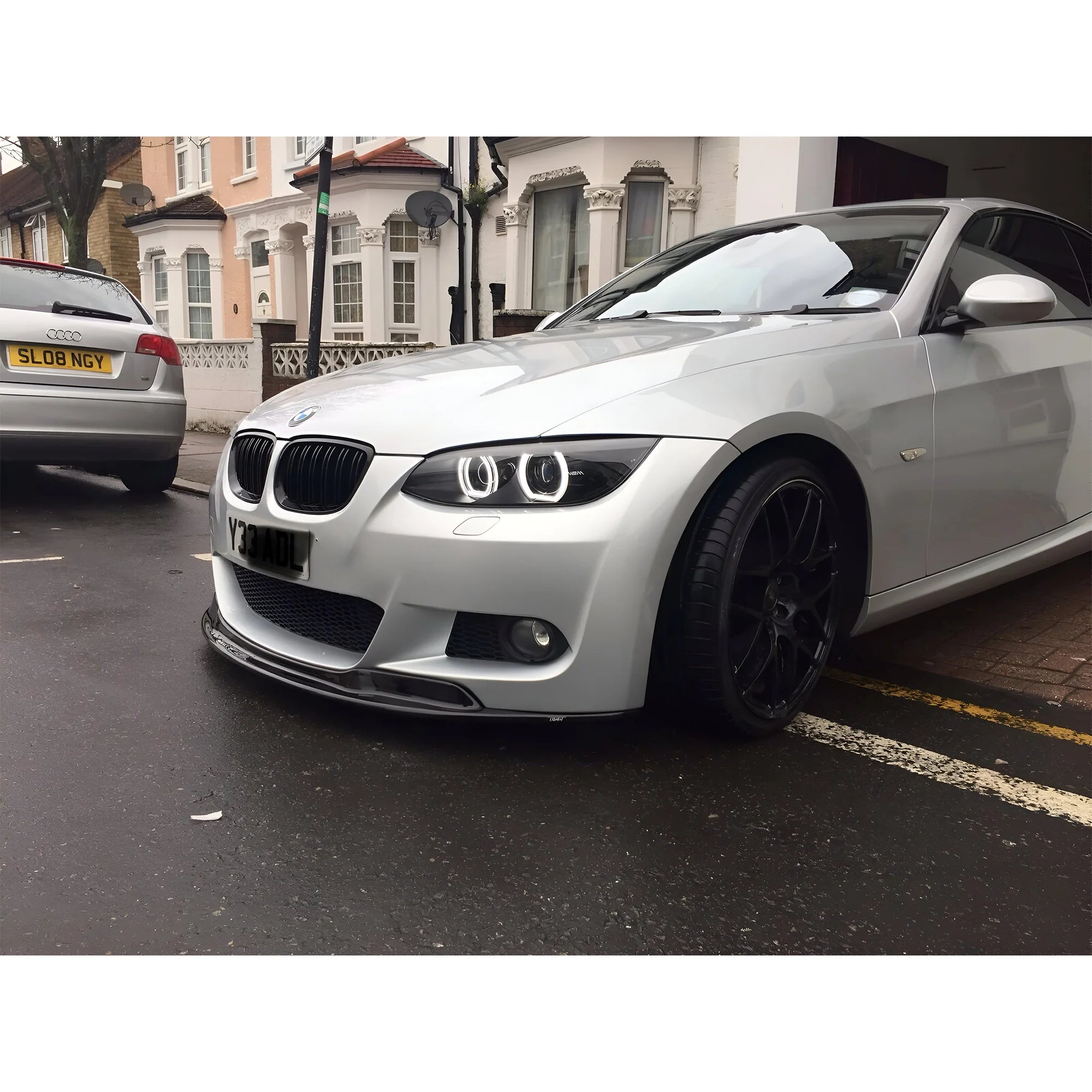
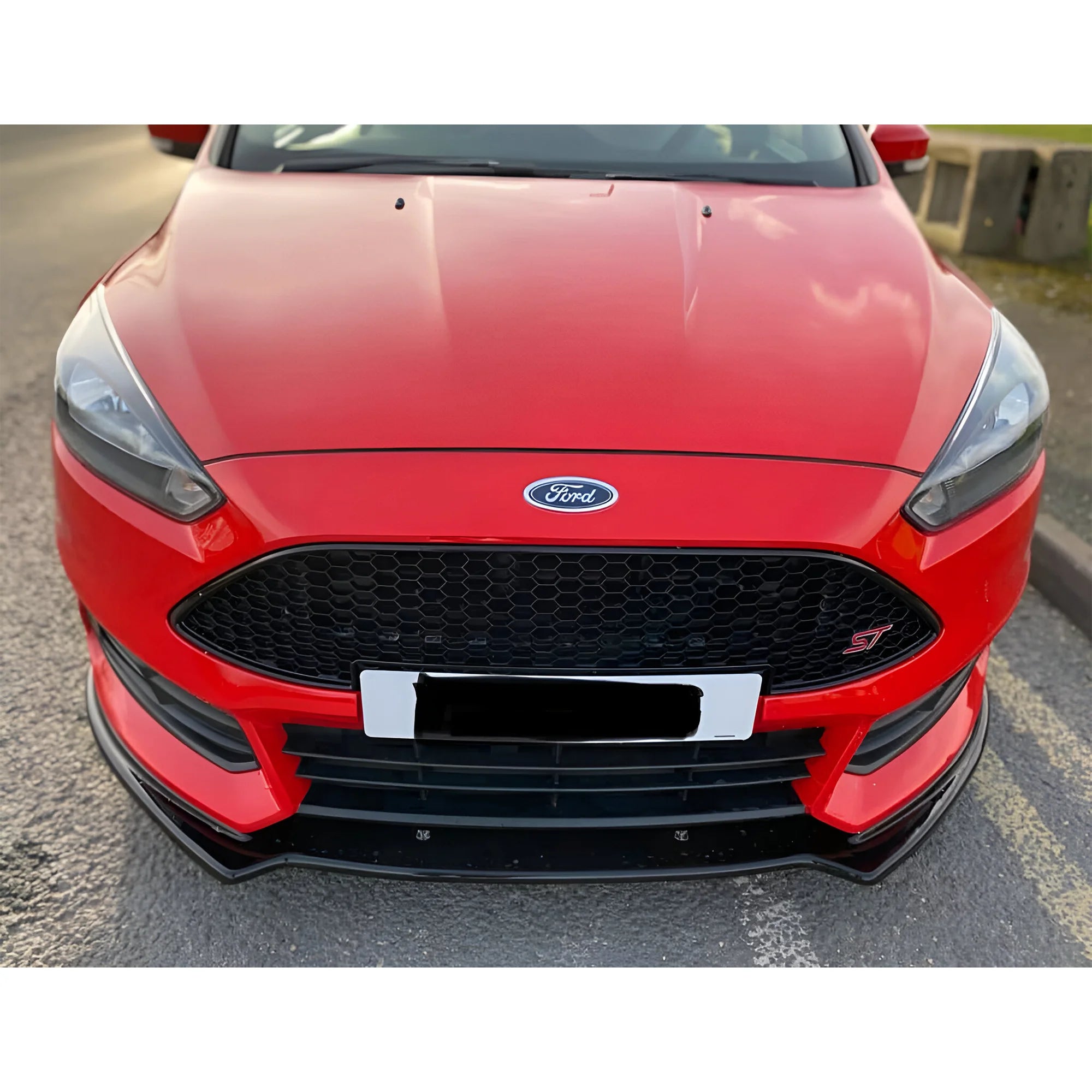
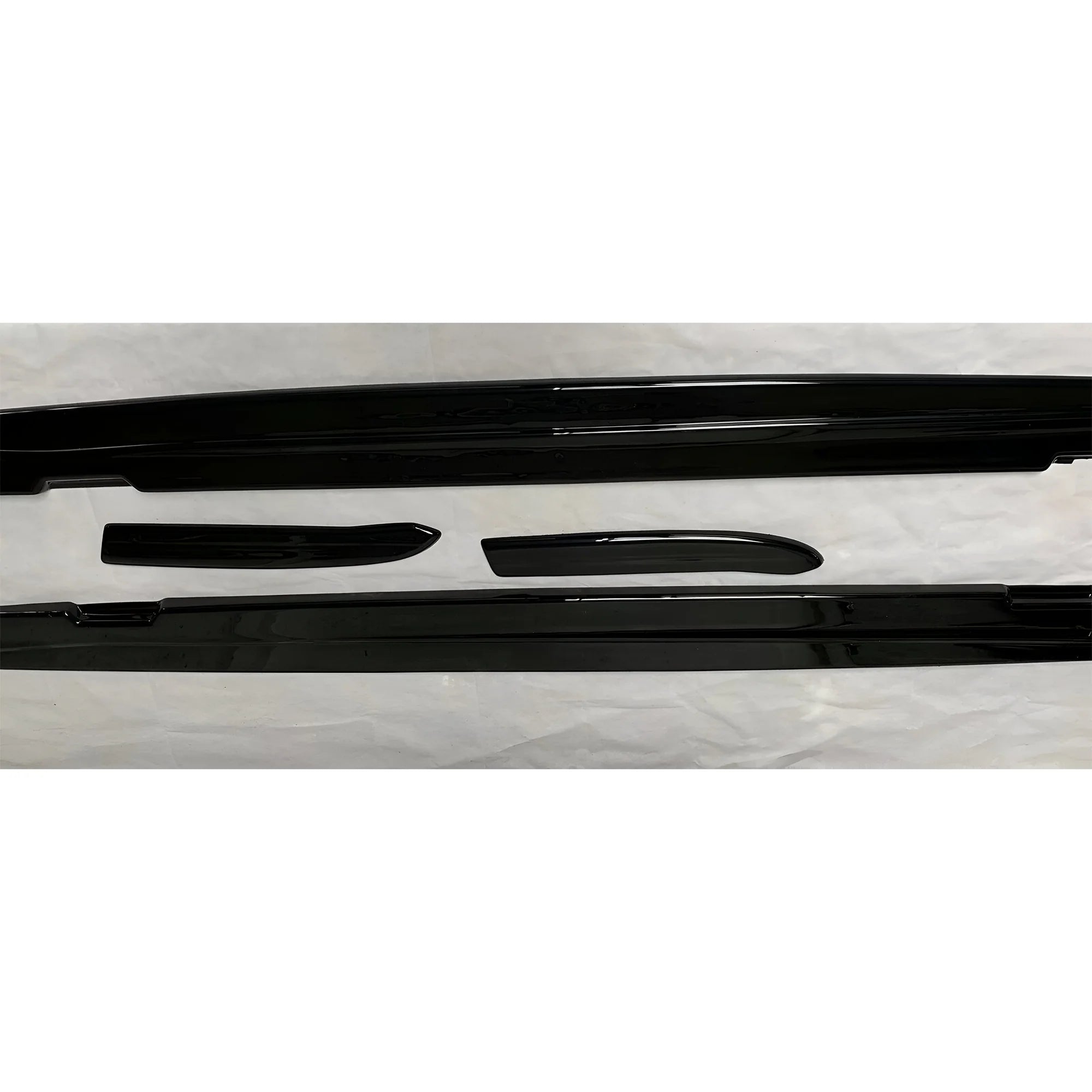
A front lip, side skirts, and rear diffuser typically cost £600 to £1,200 fully installed and painted.
A full bumper replacement setup usually lands between £1,800 and £3,500, depending on prep work and paint quality.
Widebody kits often start at £4,000 and climb beyond £7,000 once cutting, reinforcement, alignment, and blending adjacent panels are included.
Paint preparation, not colour choice, drives cost. Rushed prep always shows later.
Which cars have the most affordable and popular body kit options for beginners?
Cars with large aftermarket communities benefit from competition and experience.
- BMW 3 Series and 4 Series
- Volkswagen Golf and GTI
- Audi A3 and A4
- Honda Civic
- Toyota GT86 and GR86
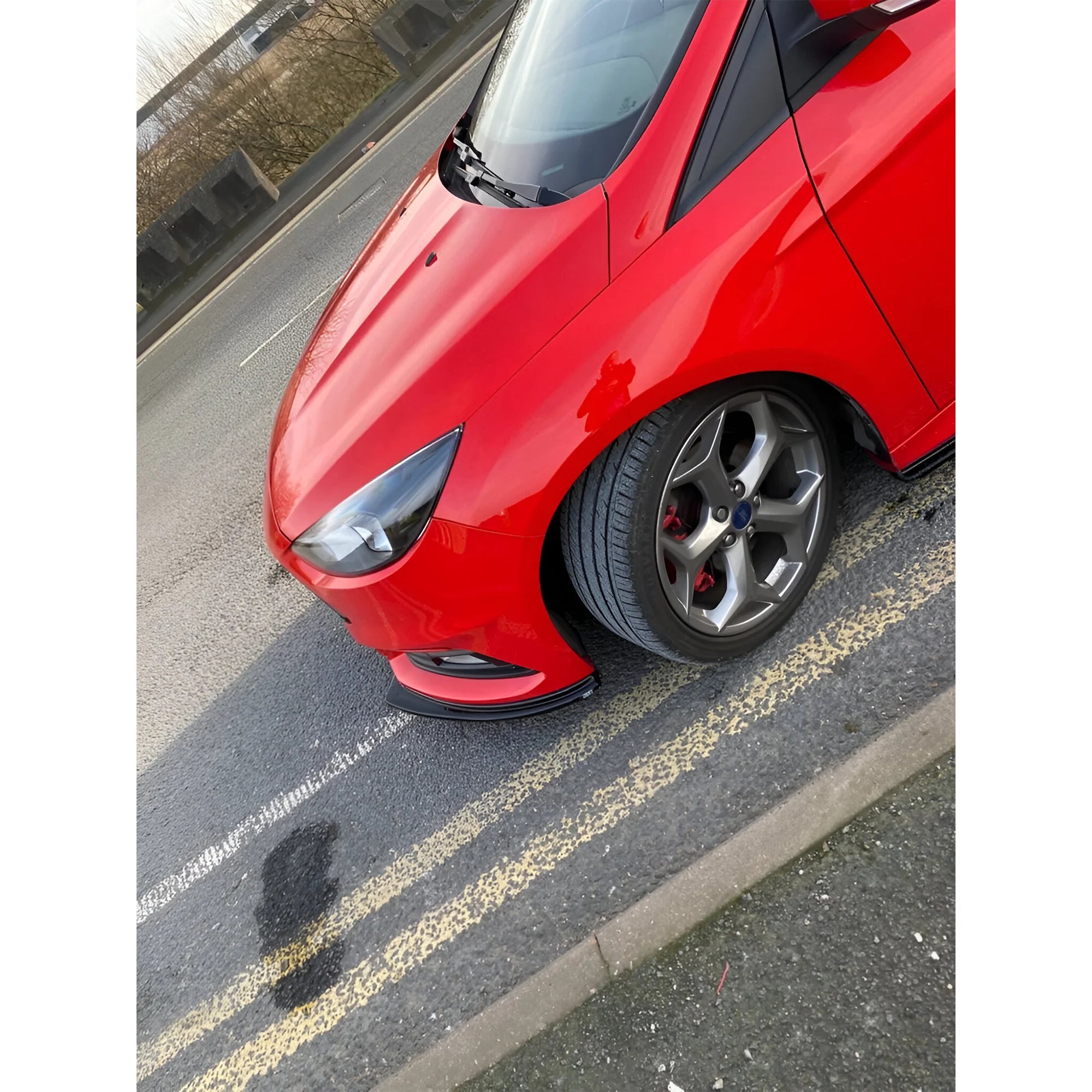
- Ford Fiesta ST and Focus ST
These platforms offer better pricing, better fitment, and more installers familiar with the parts.
The SUV and overland styling surge in 2026
Affordable premium styling in 2026 is no longer limited to saloons, coupes, and hot hatches. One of the biggest shifts in the aftermarket is the rapid rise of rugged SUV and 4x4 styling.
Owners of vehicles like the Ford Ranger, Toyota Hilux, and similar platforms are moving away from flashy aero and toward what are often called Predator or Stealth kits. These focus on chunky, purposeful design rather than visual aggression.
Instead of sharp splitters and exposed vents, these kits use thicker edges, reinforced bumper corners, and integrated LED sport grilles. The goal is a premium look that still survives green lanes, kerbs, winter roads, and light off-road use.
This style appeals to the overland crowd because it looks intentional rather than modified. The best examples feel like factory upgrades rather than aftermarket add-ons, which is why they are becoming one of the fastest-growing segments in affordable premium styling.
Many modern SUVs and Predator-style kits now include integrated LED daytime running lights or illuminated sport grilles. In the UK, these must remain non-flashing and non-distracting. As of 2026, halogen bulbs with a colour temperature above 4,200K are not road legal. Any integrated lighting that causes glare or warning lights can lead to MOT failure, even if the body kit itself is well fitted.
Does adding an aftermarket body kit lower resale value?
Poor installations reduce resale value. Clean, reversible modifications often help.
Bolt-on lip kits and OEM Plus styling usually increase appeal.
Widebody kits reduce the buyer pool.
Drilled panels and permanent cuts scare mainstream buyers.
The safest approach is reversible upgrades that respect the factory structure.
Lip kit vs widebody kit: the real difference
A lip kit enhances factory lines and remains largely cosmetic.
A widebody kit permanently alters the car. Arches are cut, suspension geometry changes, wheel offsets shift, and insurance must be updated.
One is styling, while the other is reconstruction. For a deeper breakdown, see our guide on (https://ksbautostyling.co.uk/blogs/news/widebody-vs-standard-body-kits)
Can I install a body kit on a leased vehicle?
Only bolt-on parts are generally safe. Drilling panels or cutting arches usually violates lease agreements, even if reversed later.
UK specific regulations you cannot ignore in 2026
Because this is a UK-focused build environment, legality matters.
MOT standards are strict on bodywork condition. Sharp edges, jagged projections, or poorly secured panels are classed as Major or Dangerous defects. Any body kit that creates unsafe edges or loose sections will fail immediately.
DVLA notification is required if a vehicle undergoes significant body modification or structural changes. This includes widebody conversions and chassis alterations. Many owners forget this step, which can cause insurance and registration issues later.
As of 2026, the MOT inspection has been expanded to include Advanced Driver Assistance Systems (ADAS). This means features like lane-keep assist and emergency braking are now part of the official inspection. If a body kit causes a sensor error, the car will not just have "misjudged distances"; it will receive an immediate MOT failure.
Clean fitment is not just cosmetic. It is legal protection.
The 2026 UK "Ghost MOT" photography rule and why body kits are now fully visible
In 2026, a subtle but important MOT change came into effect that car owners cannot ignore.
The DVSA has rolled out a mandatory trial where MOT testers must photograph the vehicle inside the testing bay during the inspection. This image is digitally stored and linked to the MOT record and the vehicle’s V5C.
The goal is to eliminate so-called Ghost MOTs, where certificates were issued for cars that were never physically tested.
For body kit owners, this has a direct consequence.
Poorly secured splitters, loose side skirts, sharp edges, cracked fibreglass, or badly aligned panels are no longer something that can be quietly overlooked. The physical condition of the kit at the time of testing is now visually documented.
This makes clean installation more than cosmetic. If a lip is sagging, a diffuser is hanging low, or a widebody edge looks unsafe, it becomes part of the official record.
In practical terms, 2026 marks the end of hiding rushed installs. A premium-looking kit is now also a compliance advantage.
EV-specific styling in 2026: the shift toward drag-conscious design
Electric vehicles have quietly changed what premium styling means.
In earlier years, EV body kits copied petrol performance cars with aggressive vents, exposed canards, and exaggerated diffusers. In practice, many of these increase drag and reduce range without offering real aerodynamic benefit.
In 2026, the trend has shifted.
Premium-looking EV kits are now smooth, sealed, and drag-conscious. Instead of open vents, designers focus on managing airflow cleanly around the car.
One of the most visible changes is the rise of sealed side skirts. These extend lower and closer to the road, reducing wake turbulence along the vehicle’s flanks. The result is a cleaner airflow path, quieter cruising, and measurable efficiency gains at motorway speeds.
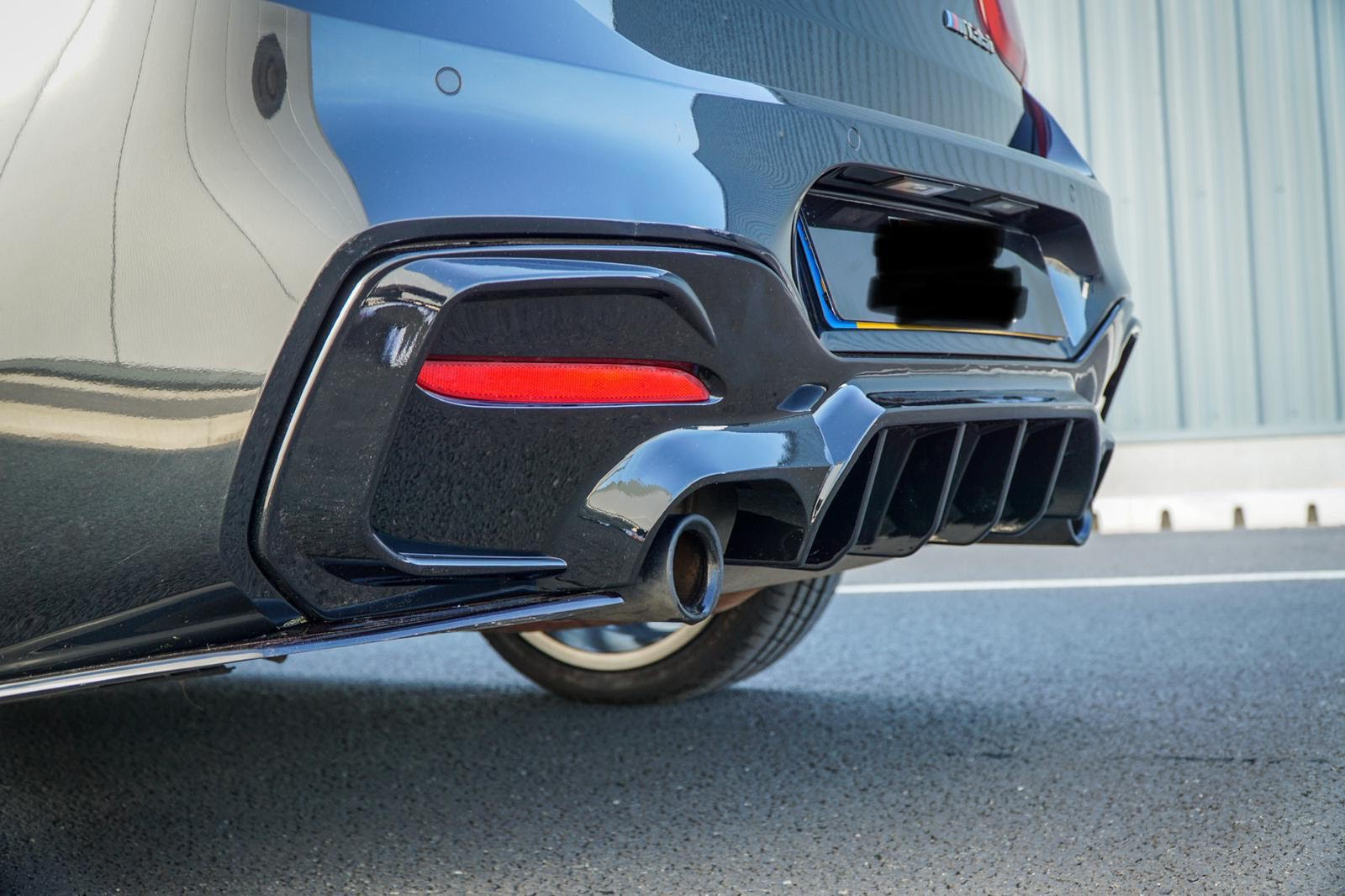
Rear diffusers for EVs are also flatter and more subtle, prioritising airflow exit smoothness rather than visual aggression.
For EV owners, the most premium-looking kits today are often the least dramatic. They look factory because they behave like factory aero.
Facelift conversions: the smartest affordable premium strategy in 2026
OEM Plus styling is often misunderstood. In 2026, its most powerful form is the facelift conversion.
Rather than adding a completely new aftermarket shape, facelift kits are designed to make an older model year visually identical to a newer one.
A common example is converting a 2017 executive saloon to match the styling of its 2021 performance variant. Bumpers, grilles, side trims, and lighting profiles are designed around factory dimensions, not aftermarket exaggeration.
This approach delivers several advantages, including the following:
- The car looks newer, not modified
- Panel proportions remain factory correct
- Resale value is usually stronger
- Insurance discussions are simpler
These builds often read as genuinely premium because the eye recognises factory design language, even when the parts themselves are aftermarket.
For budget-conscious owners, facelift conversions are often the highest return styling upgrade available.
How do I find a reputable body shop?
Good shops dry fit before paint.
They show unfinished cars, not just social media photos.
They talk more about prep than colour.
They refuse unrealistic timelines.
Fast widebody installs are almost always bad widebody installs.
The weight loading secret in professional alignment
This detail separates experienced builders from amateurs.
When doors, bonnets, or tailgates are aligned without glass, regulators, and handles installed, they sit higher than they will once fully assembled. After reassembly, panels sag, and gaps change.
Professionals simulate weight during dry fitting. They add temporary weights that mimic the final component mass. This ensures gaps remain correct once everything is installed.
Skipping this step creates uneven gaps months later, not immediately.
Professional alignment tools used for premium fitment
High-quality installs rely on more than basic hand tools.
Pin alignment systems allow panels to be returned to the exact pre-paint position. Small pilot holes are drilled during disassembly, and magnetic alignment pins guide reassembly with millimetre accuracy.
Panel gap gauges use non-marking plastic blades to measure consistent spacing. A common standard is roughly one eighth of an inch, maintained evenly from top to bottom.
These tools create symmetry. Symmetry creates a premium look.
What is the most durable material for a low daily driver front lip?
Polyurethane and ABS plastic outperform fibreglass.
They flex instead of cracking.
They survive speed bumps.
They are cheaper to replace.
Carbon fibre looks great, but fails easily on low cars.
Realistic replacement timelines for body kit components
One detail most guides avoid is wear and tear. Body kits are not permanent parts, especially on daily driven cars.
Professional installers generally treat certain components as consumables.
Front lips take the most abuse. Stone strikes, road debris, kerbs, and speed bumps mean they should be inspected regularly and realistically replaced every 2 to 3 years, even when made from durable materials.
Side skirts live a calmer life. They are less exposed and typically last 4 to 5 years before cosmetic wear or mounting fatigue becomes noticeable.
Rear diffusers and bumper trims often last longer, provided they are not scraping or acting as load-bearing aero.
Understanding these timelines helps owners budget properly and avoid the disappointment of expecting fragile parts to last forever.
Pro Tip: A simple maintenance habit makes a big difference. Always use pH-neutral car shampoo and avoid high-pressure washers near the edges of body kits. Pressure washers are one of the leading causes of lifted 3M tape, failed adhesion promoters, and peeling paint on polyurethane kits. What looks like age-related wear is often cleaning damage.
Are cheap online marketplace kits worth the risk?
They are a gamble. Some are acceptable. Many require extra labour to correct warping or poor moulds. Savings on the kit often disappear during installation.
Will a body kit void my warranty?
Not automatically. However, damage caused by the kit will not be covered. Sensor interference, airflow restriction, or wiring damage becomes the owner’s responsibility.
Aerodynamic truth most people never hear
Most affordable kits are cosmetic, and that is fine.
Problems arise when cosmetic parts are treated as functional aero.
A front splitter bolted only to a plastic bumper can generate enough downward force at speed to deform or tear the bumper. Functional splitters must be chassis-mounted or reinforced to crash structures.
Bumper-mounted splitters are decoration, not engineering.
Regional fitment differences and grey import risks in the UK
A common and expensive mistake in the UK market involves assuming all model years are identical worldwide.
UK-delivered vehicles often have subtle but critical differences compared to Japanese or American market versions. Bumper shapes, sensor locations, washer jets, and mounting tabs can vary even when the model year appears the same.
This is especially risky with grey imports. A 2017 hatchback imported from Japan may look identical to its UK counterpart but still fail to align properly with a UK market body kit.
The safest approach is to verify the vehicle’s VIN with the manufacturer or supplier before ordering. Reputable sellers will ask for this information because they know that millimetre differences create centimetre problems during installation.
This is one of the main reasons some “cheap” kits become expensive. The kit itself is not always bad. It was simply designed for a different regional specification.
Advanced ADAS technicalities most builders ignore
Modern cars rely on sensors embedded behind bumpers.
Radar systems require radio waves to pass through the bumper material. Thick fibreglass, metallic paints, or layered fillers can attenuate these signals, causing false warnings or missed detections.
LiDAR and camera systems are sensitive to height and angle. Lowering or lifting a car changes sensor alignment. Without recalibration, adaptive cruise control can misjudge distances or fail to recognise smaller vehicles.
As of 2026, this is no longer just a safety concern. The MOT inspection has been expanded to include Advanced Driver Assistance Systems. Lane-keep assist, autonomous emergency braking, and radar-based safety features are now part of the official test.
If a body kit causes a sensor fault, warning light, or calibration error, the vehicle can receive an immediate MOT failure. This makes correct sensor positioning, material choice, and recalibration essential rather than optional.
Any serious body modification should consider sensor recalibration.
Environmental ageing and why budget plastics fail
Warping is only part of the problem.
Ordinary ABS plastic is vulnerable to UV radiation. Over time, UV exposure triggers chemical reactions that make plastic brittle and yellow. This can occur over five to fifteen years, depending on the climate and storage.
In 2026, better kits incorporate UV stabilisers such as Hindered Amine Light Stabilisers or rely on UV-resistant clear coats. These slow degradation and preserve strength and colour far longer.
Longevity comes from chemistry, not thickness.
Small batch 3D printing and the rise of bespoke budget parts
Mass production is no longer the only path to premium-looking detail.
In 2026, small batch 3D printing has become a serious tool for enthusiasts, especially owners of less common platforms where aftermarket support is limited.
Instead of commissioning a full fibreglass mould, builders now design and print one-off ducts, vents, trim pieces, and aero add-ons using reinforced polymers.
This is especially valuable for cars like older Volkswagens, niche coupes, or discontinued models where no mainstream kits exist.
The advantages are significant, as follows:
- Cost is a fraction of the custom fibreglass
- Fitment can be tuned digitally before printing
- Designs can be revised without remoulding
- Results look bespoke rather than generic
When finished correctly and painted or wrapped professionally, these components blend seamlessly with factory panels and give the impression of a custom coachbuilt detail rather than a budget workaround.
This quiet rise of digital fabrication is one of the most overlooked reasons affordable builds are looking more premium than ever.
Final thoughts
Affordable body kits can look premium when they respect materials, installation limits, and legal boundaries. The best builds are not the loudest. They are the ones that still look correct years later, pass MOTs without stress, and survive daily driving without constant repairs.
Premium appearance is not about price. It is about understanding what each part can and cannot do, then building within those limits. That mindset saves money, preserves value, and keeps a car enjoyable long after trends fade.