

The Best Lightweight Body Kits for Better Fuel Economy
Fuel prices in the UK aren't getting any cheaper. Whether you're topping up at a motorway services on the M6 or filling up before your daily commute, every penny per litre stings a little more than it did last year. Most drivers accept that as just the cost of being on the road. But what if the way your car looks could actually help it perform more efficiently?
Here's the truth most people don't hear: the wrong body kit doesn't just look bad, it actively costs you money at the pump. Bulky, oversized bumpers and poorly engineered aero additions create unnecessary aerodynamic drag, forcing your engine to burn more fuel just to maintain speed.
The solution isn't to strip your car back to bare metal and forget about styling. It's to choose lightweight body kits that are engineered with both aesthetics and airflow in mind.
That's the KSB Auto Styling approach, and it's changing how UK car enthusiasts think about fuel economy car mods. You don't have to choose between a stanced, turned-out build and a car that doesn't drain your bank account on the motorway. The right kit gives you both.
Let's break down exactly how that works.
The Science of Drag and Fuel Economy
Aerodynamics 101: Why Air Resistance Matters
Every time your car moves forward, it's punching through a wall of air. At low speeds, this barely registers. But once you're cruising at 60–70 mph on the M1 or M25, aerodynamic drag becomes one of the biggest forces working against your engine.
The physics is straightforward: the more resistance your car creates as it moves through the air, the harder your engine works, and the more fuel it burns. This relationship is captured in your vehicle's drag coefficient (Cd), a number that manufacturers obsess over during development.
The "Barn Door" Effect
Poorly designed aftermarket bumpers behave a bit like a barn door strapped to the front of your car. Instead of directing airflow cleanly around and over the vehicle, they trap it, creating a high-pressure zone at the front and a turbulent, low-pressure wake at the rear.
That turbulence isn't just inefficient. It creates a form of suction that literally pulls the car backwards as it moves forward. Add in a non-contoured side profile and a blunt rear end, and you've essentially turned your car into a wind anchor.
Why This Matters on UK Roads
UK motorway driving is where aerodynamics earns its money. Unlike stop-start city traffic, where engine load, braking, and idling dominate fuel consumption, high-speed A-road and motorway driving is almost entirely about overcoming drag.
On roads like the M25, M1, and A1(M), where average sustained speeds sit between 60 and 70 mph, aerodynamic drag accounts for over 60% of total fuel consumption in a standard passenger car. That's the context in which your body kit either pays for itself or costs you.
The 5% Rule
Studies in automotive engineering consistently show that a 5% reduction in drag coefficient translates to a roughly 2–3% improvement in fuel economy at motorway speeds. On a car averaging 40 MPG, that's an extra 1–1.5 miles per litre over a tank. Across a year of regular motorway driving, those gains are genuinely meaningful both financially and environmentally.
That's not marketing fluff. That's physics.
Material Matters: Choosing the Lightest Options
When it comes to aerodynamic body kits, the material isn't just about how it looks or how long it lasts. It directly determines the weight penalty your car pays, and weight is the enemy of both fuel economy and performance.
ABS Plastic The KSB Gold Standard
ABS (Acrylonitrile Butadiene Styrene) plastic has become the go-to material for quality aftermarket body kit manufacturers, and for very good reason.
It strikes the ideal balance between weight, flexibility, and durability for UK road conditions. ABS plastic parts are significantly lighter than traditional fibreglass panels, typically weighing 30–40% less for the same piece. On a full kit front splitter, side skirts, rear diffuser, and boot spoiler that weight saving compounds quickly.
More importantly for everyday UK driving, ABS is flexible under impact. Hit a pothole at speed or clip a steep speed bump? An ABS component flexes and recovers. The same impact on a rigid fibreglass panel often results in a crack or split that compromises both appearance and structural integrity.
Fibreglass had its moment. ABS plastic replaced it for good reason.
Carbon Fibre The Premium Weight Saver
For the performance-focused driver willing to invest at the higher end, carbon fibre remains the ultimate material choice. Its strength-to-weight ratio is exceptional, carbon fibre components can be up to 50% lighter than their ABS equivalents while offering comparable or superior stiffness.
The trade-off is cost. Carbon fibre manufacturing is expensive, and quality varies considerably in the aftermarket space. For road cars, genuine carbon fibre is most sensibly applied to high-visibility, lightweight components like boot spoilers, splitter lips, and mirror covers where the weight saving has a genuine impact without requiring a second mortgage.
The Weight Comparison Table
|
Component |
OEM Steel/Fibreglass |
Lightweight ABS Plastic |
Carbon Fibre |
|
Front Bumper / Splitter |
4.5 – 6.0 kg |
2.5 – 3.5 kg |
1.0 – 1.8 kg |
|
Side Skirts (pair) |
3.0 – 4.5 kg |
1.8 – 2.5 kg |
0.8 – 1.2 kg |
|
Rear Diffuser |
2.5 – 3.5 kg |
1.5 – 2.0 kg |
0.6 – 1.0 kg |
|
Boot Spoiler |
2.0 – 3.0 kg |
1.0 – 1.5 kg |
0.4 – 0.8 kg |
|
Full Kit Total (approx.) |
12 – 17 kg |
7 – 10 kg |
3 – 5 kg |
Weights are approximate averages across common fitments. Individual product weights vary by model.
Switching from OEM fibreglass-style additions to a quality ABS kit can realistically save 5–8 kg from your total vehicle weight. In fuel economy terms, every 45 kg shed from a car improves fuel consumption by approximately 1–2%, so even partial weight savings are worth pursuing.
Durability on UK Roads
UK roads are notoriously unforgiving. Speed bumps, patchy tarmac, and unexpected kerbs are everyday realities. KSB's ABS plastic kits are built to survive them. The material's inherent flexibility means it absorbs low-speed impacts that would leave fibreglass cracked and costly to repair or replace.
Top Lightweight Body Kit Components for Efficiency
Not all body kit components deliver the same aerodynamic benefit. Here's a breakdown of the key pieces of what they do, how they work, and why they matter for your fuel economy.
Aerodynamic Front Splitters
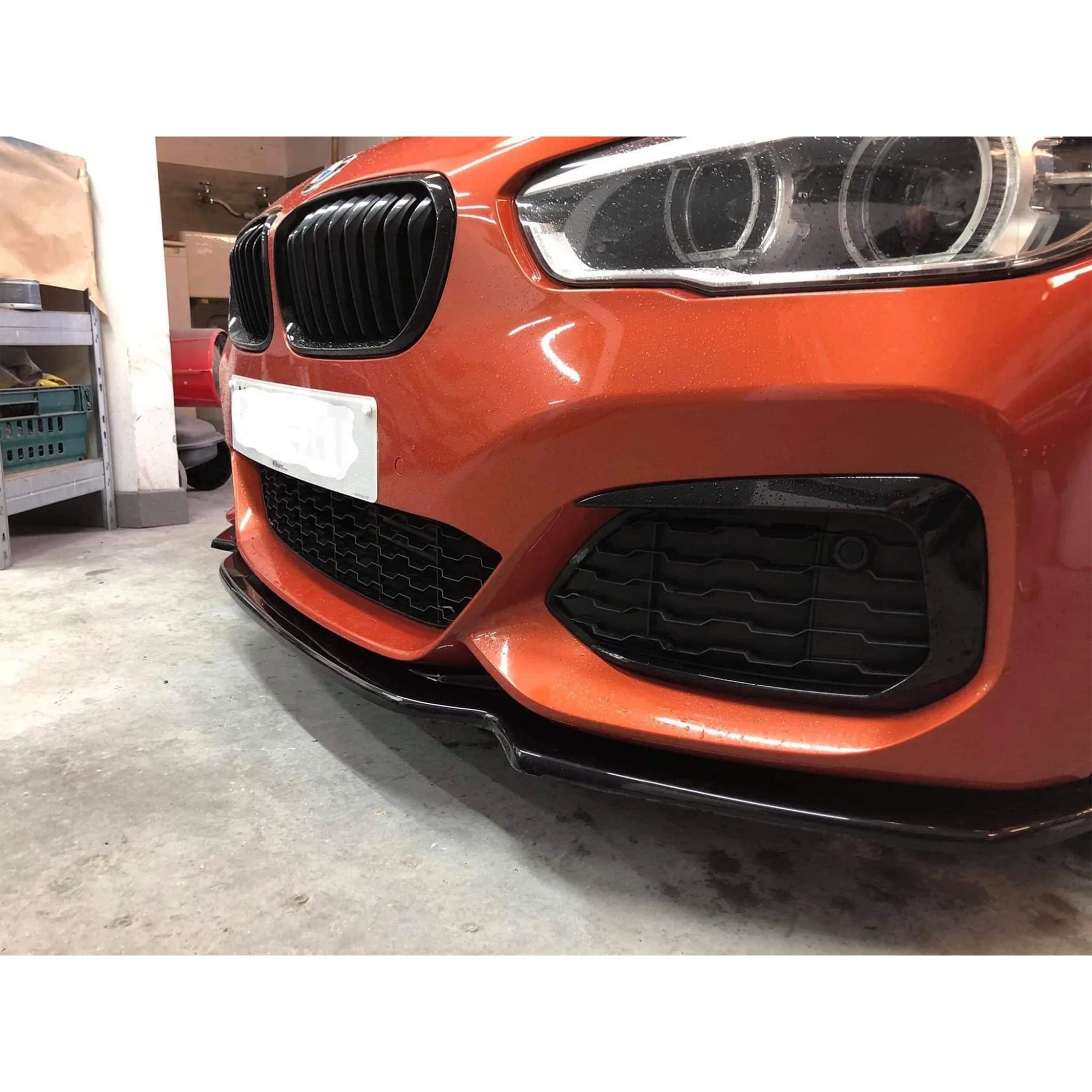
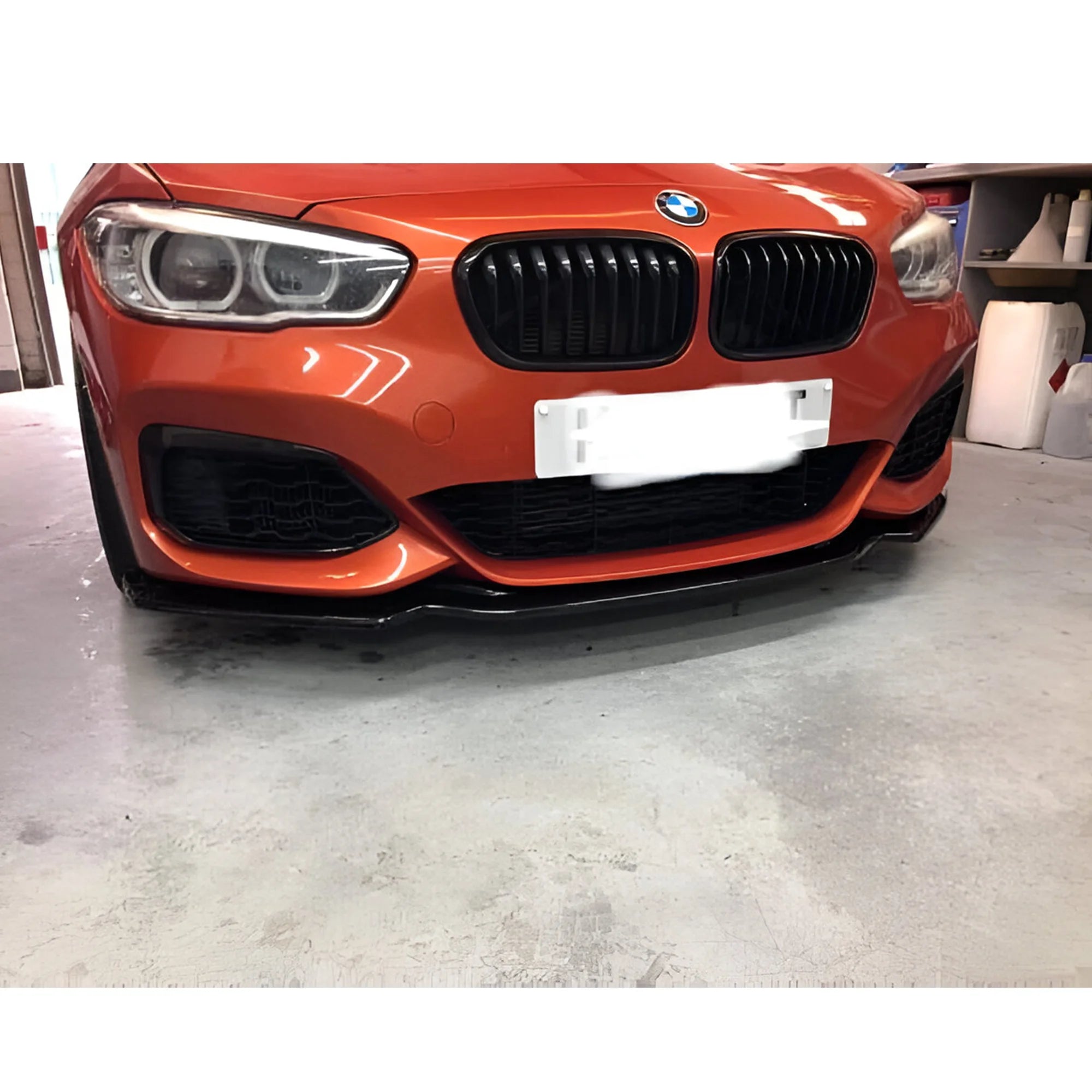
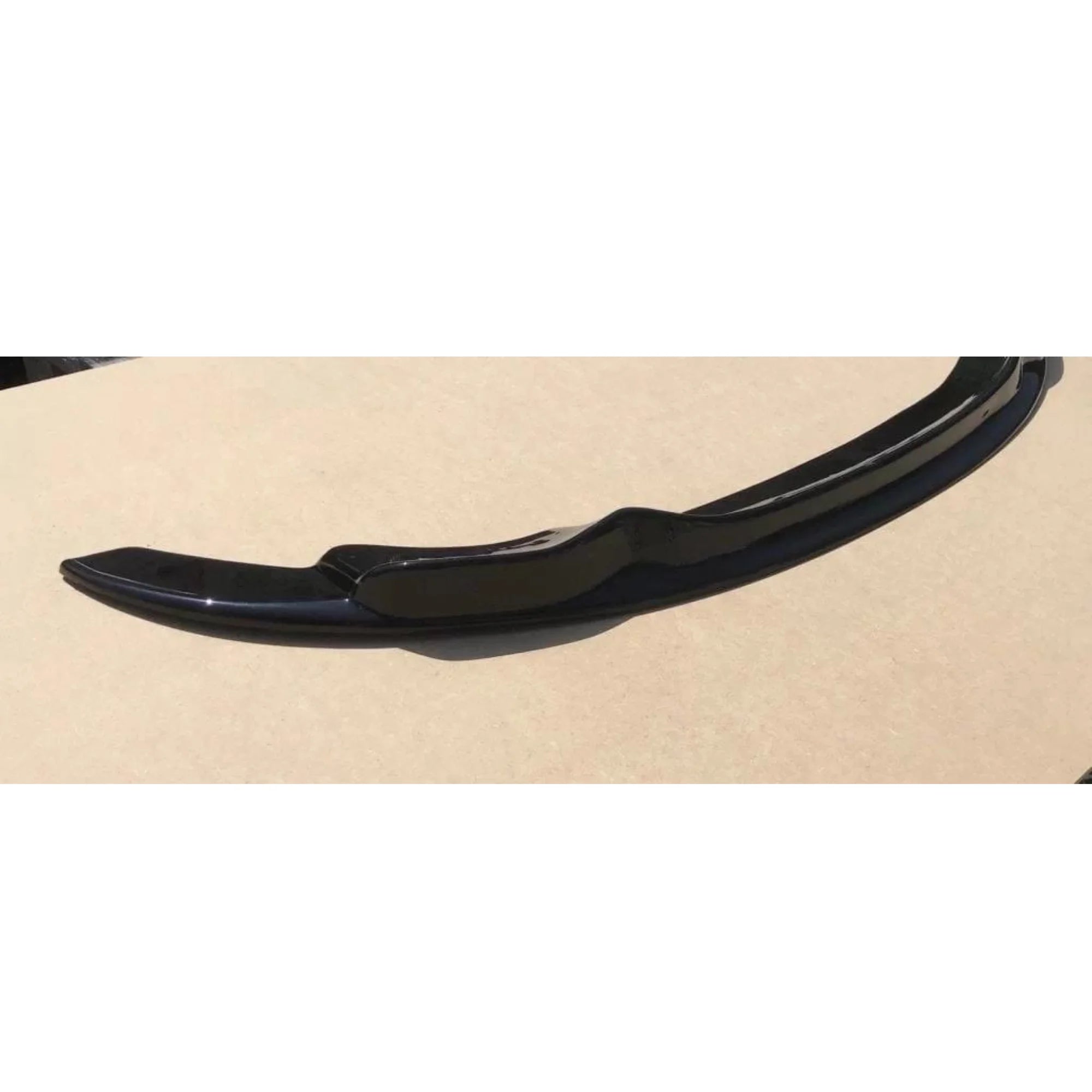
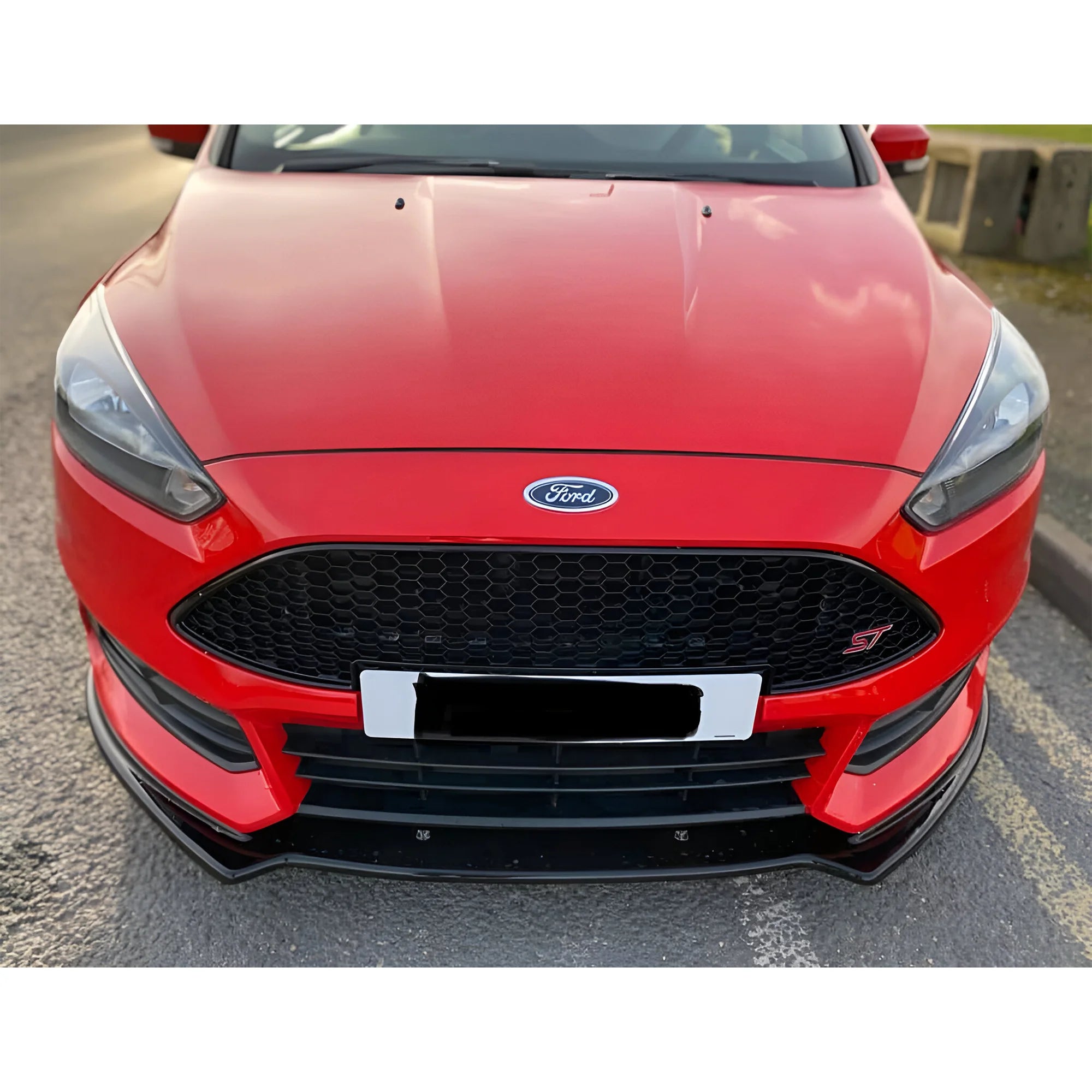
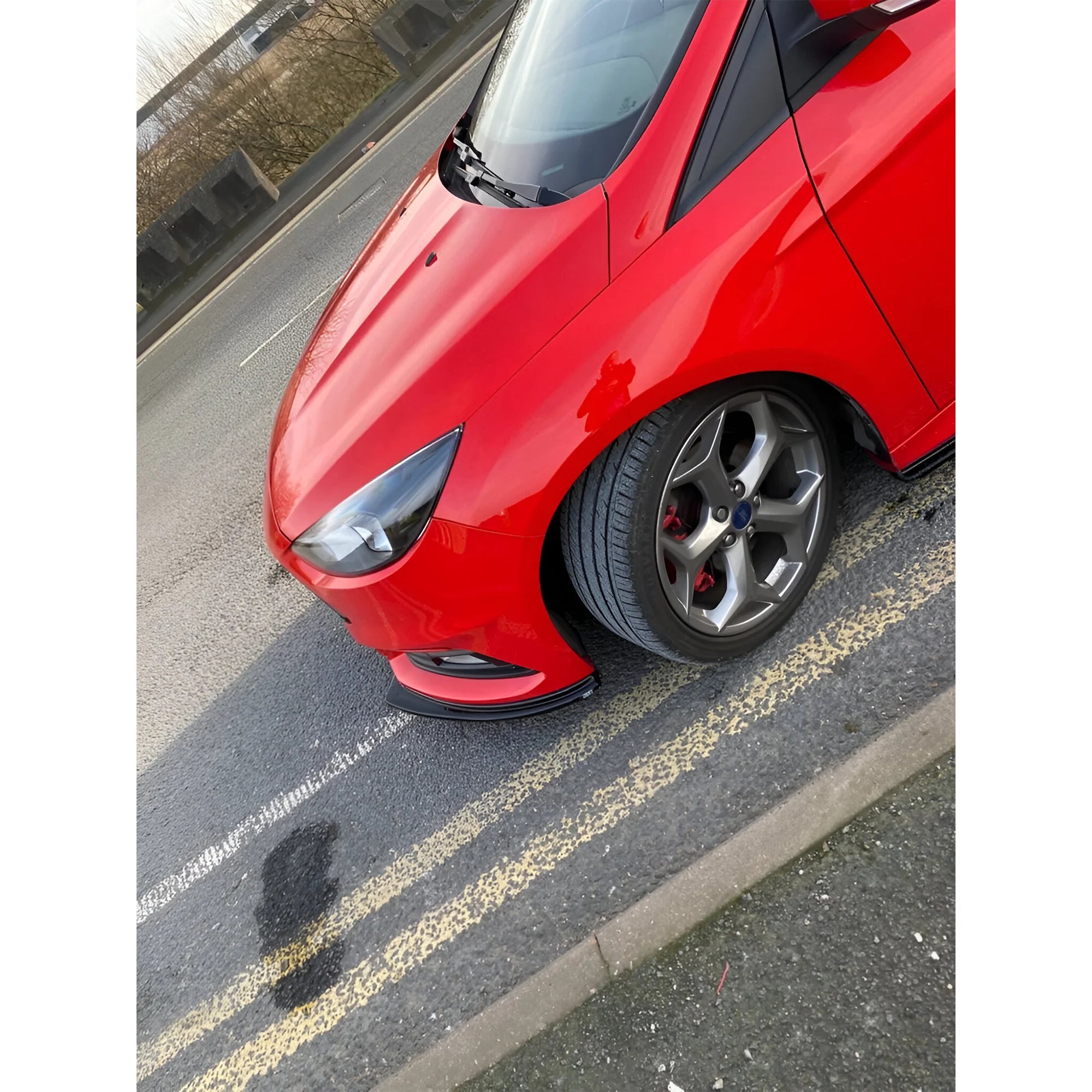
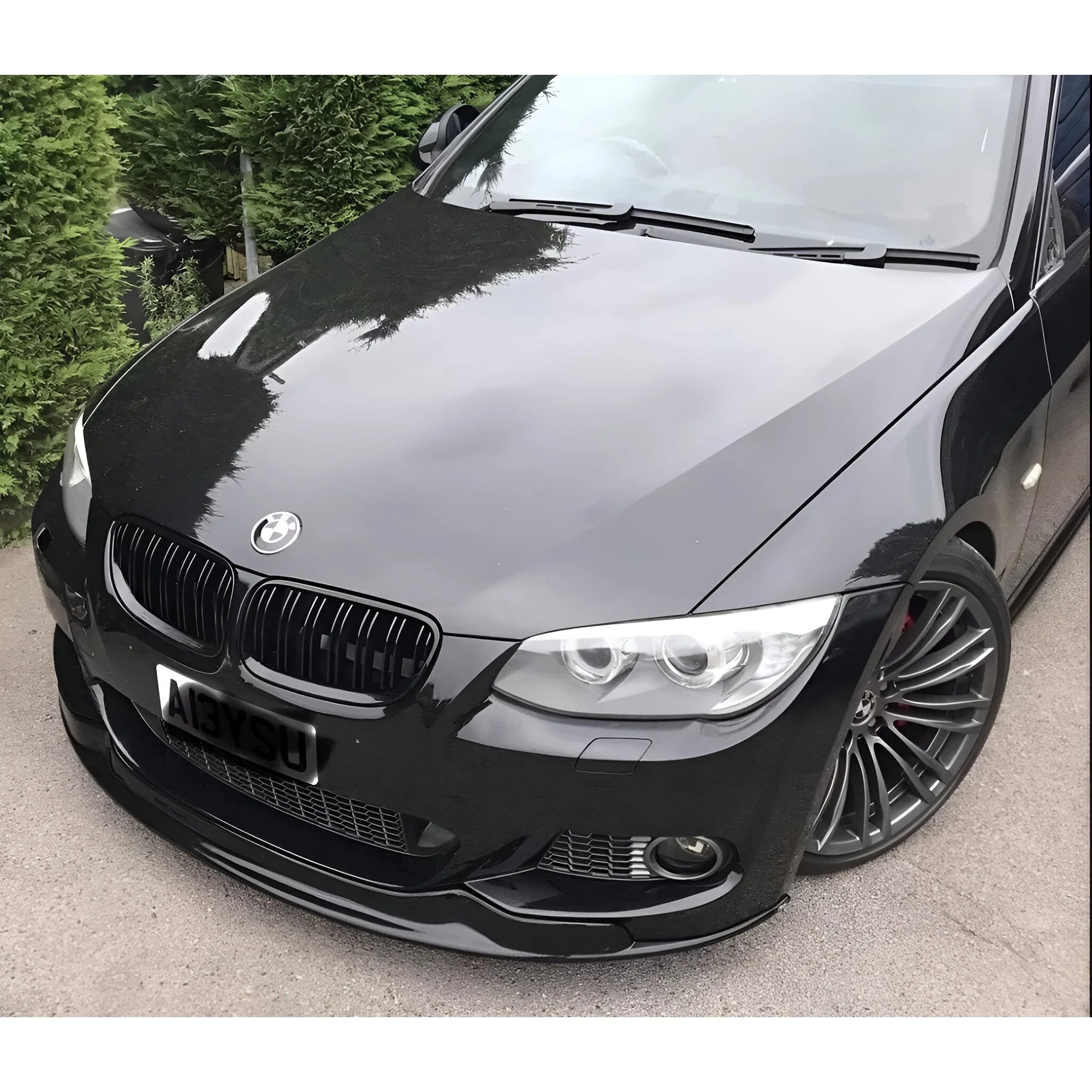
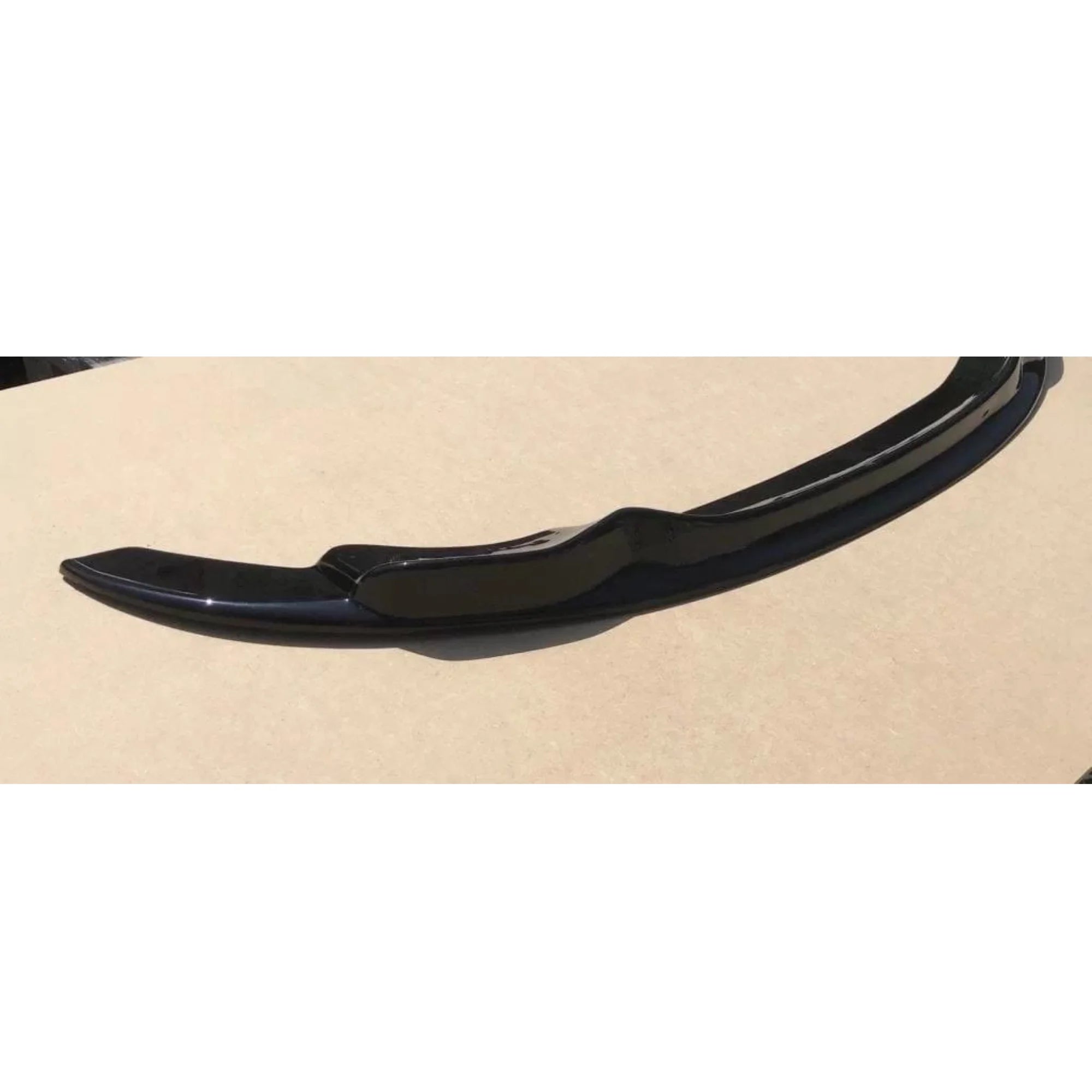
The front splitter is arguably the most aerodynamically significant component on any modified car. Positioned at the base of the front bumper, its job is to divide the oncoming airflow, directing it cleanly around the sides of the vehicle and limiting the volume of high-pressure air that gets forced underneath the car.
Without a properly designed splitter, air is essentially scooped under the bodywork. This creates lift (reducing traction) and turbulence (increasing drag). A well-designed front splitter eliminates both problems simultaneously.
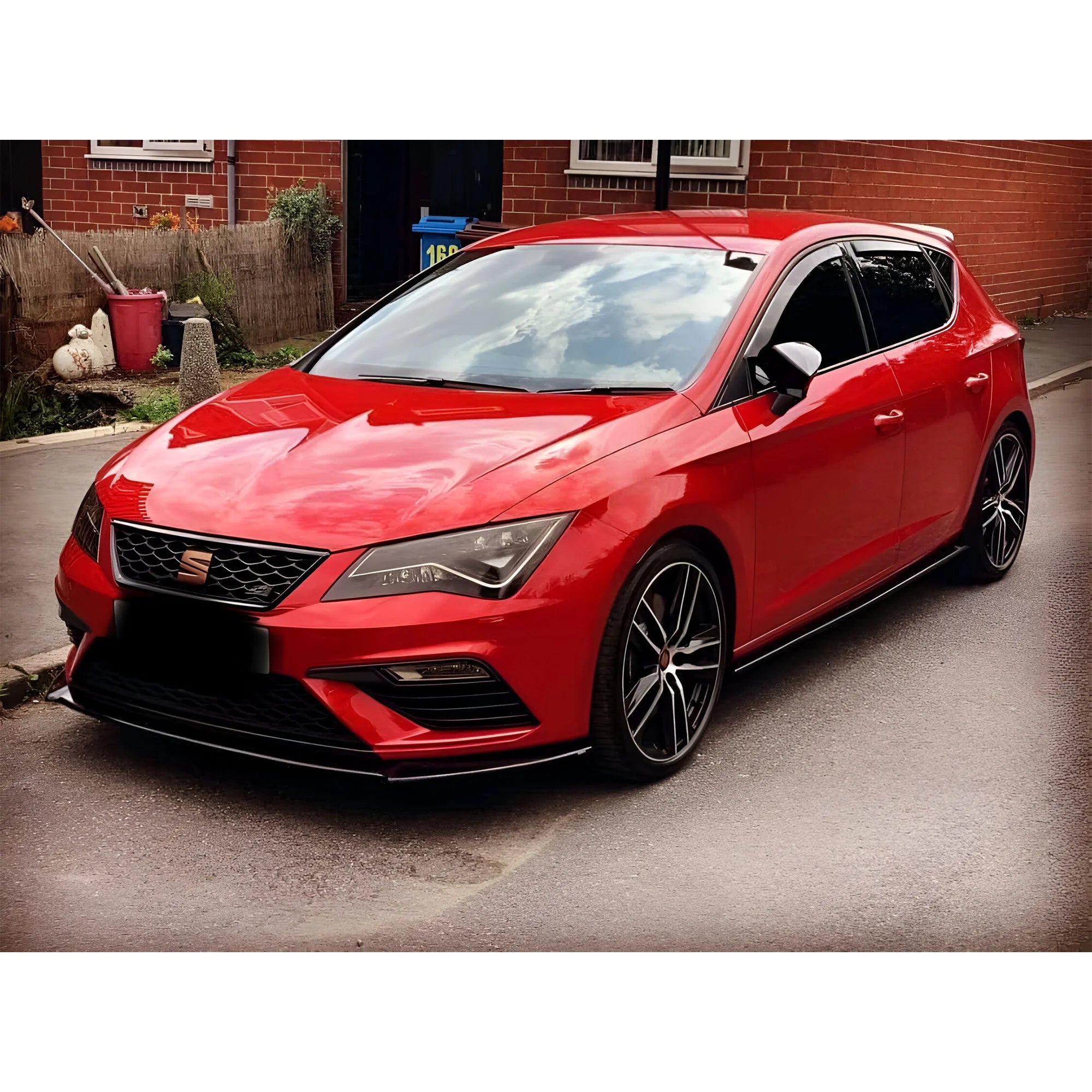
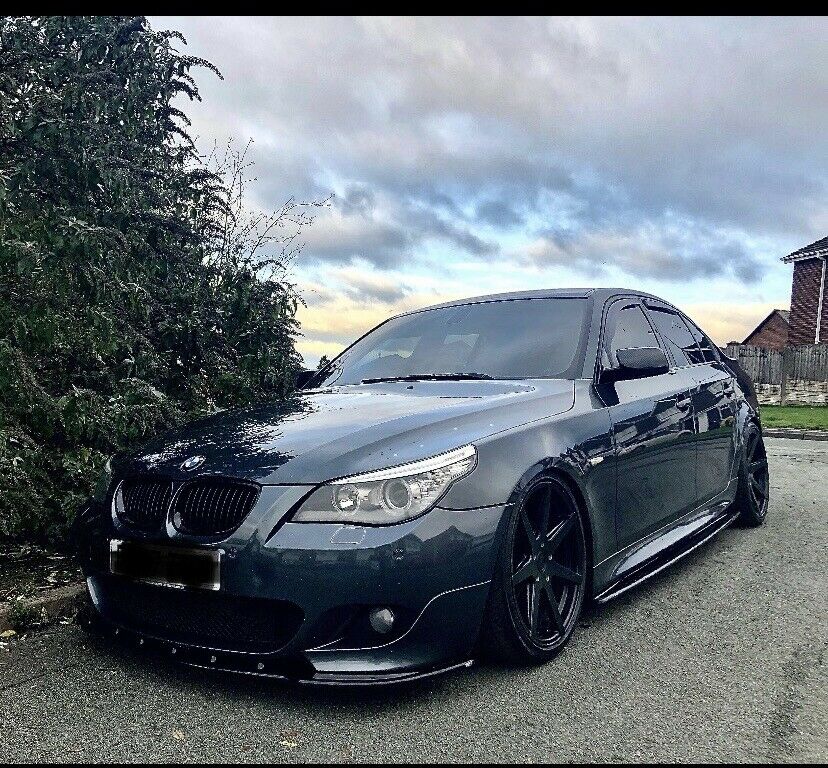
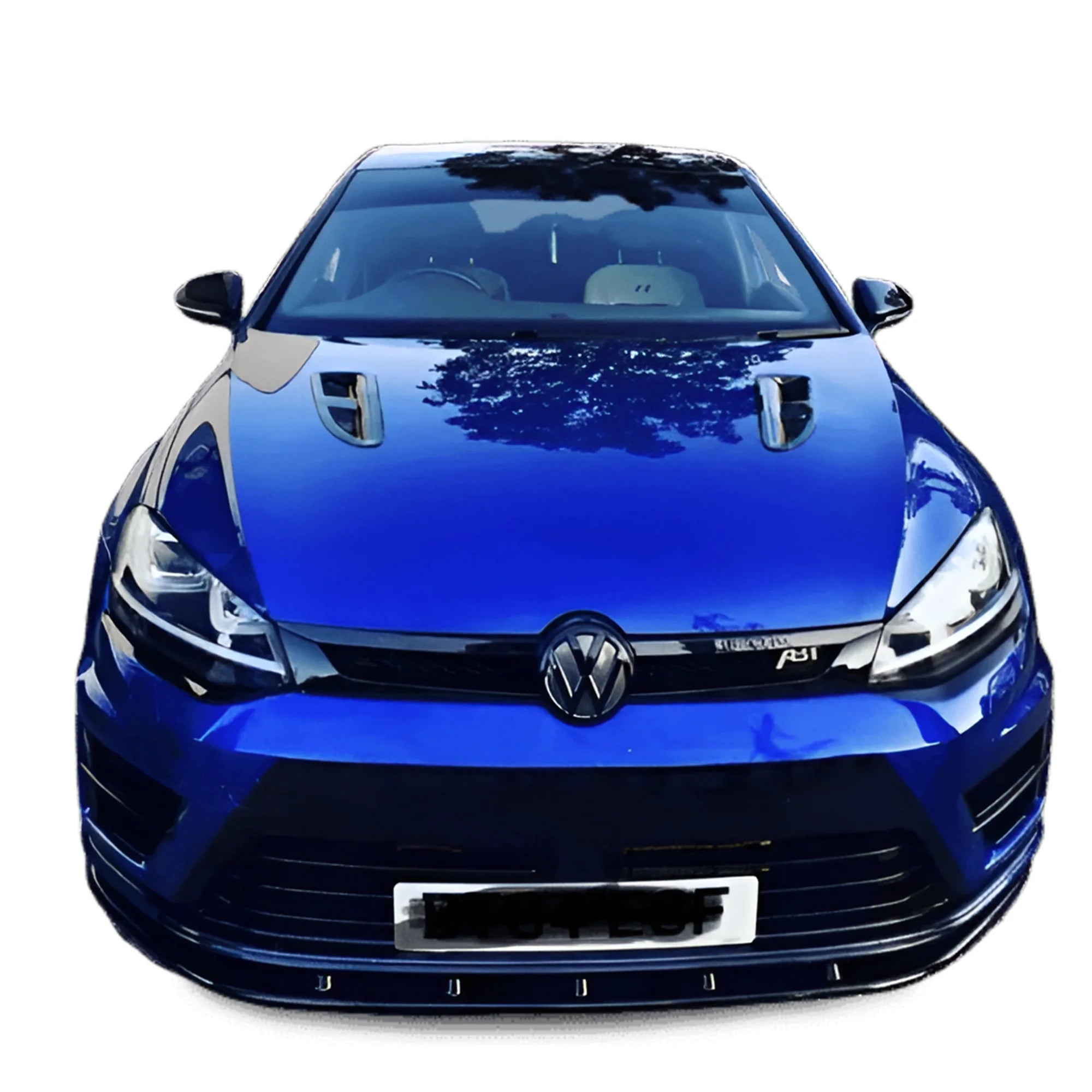
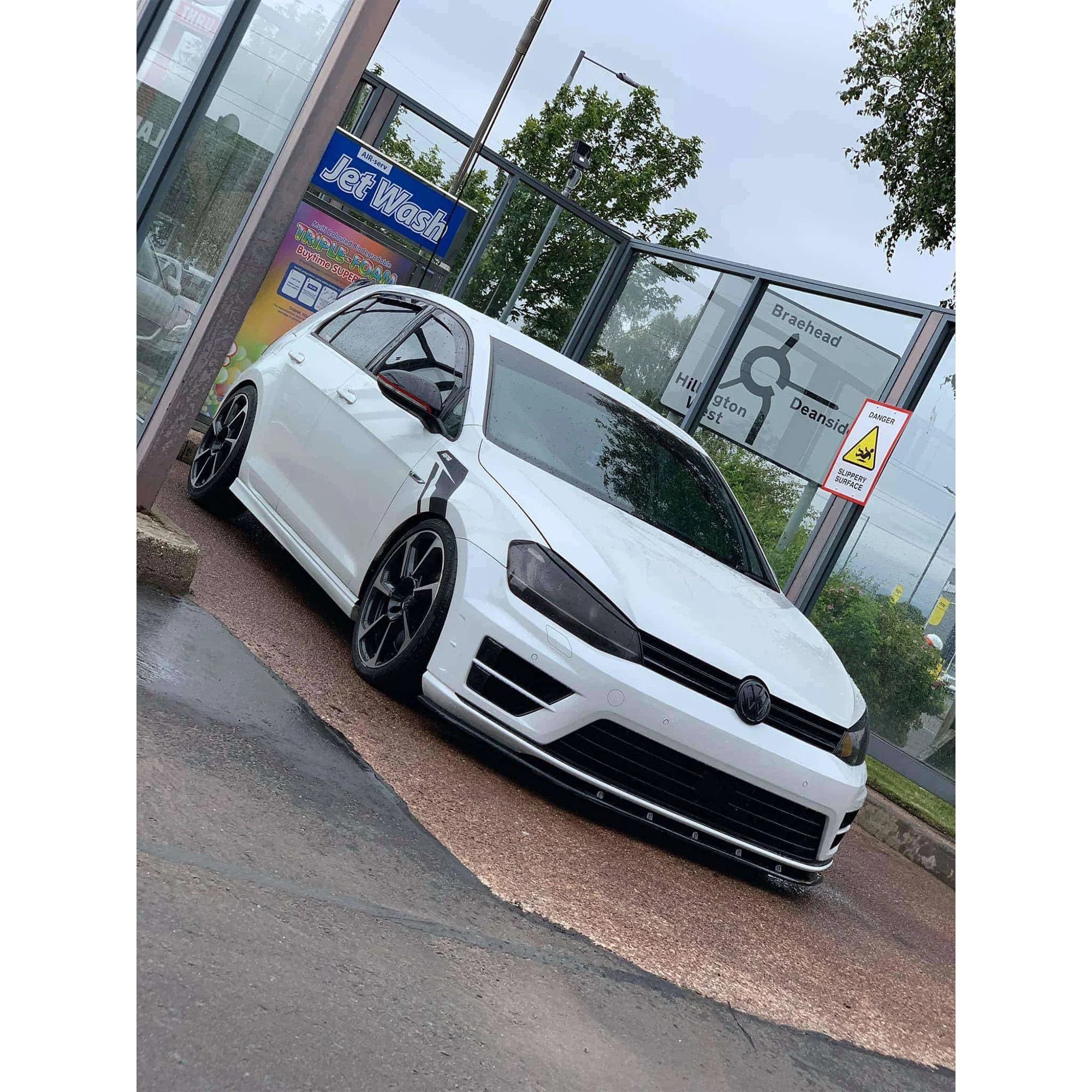
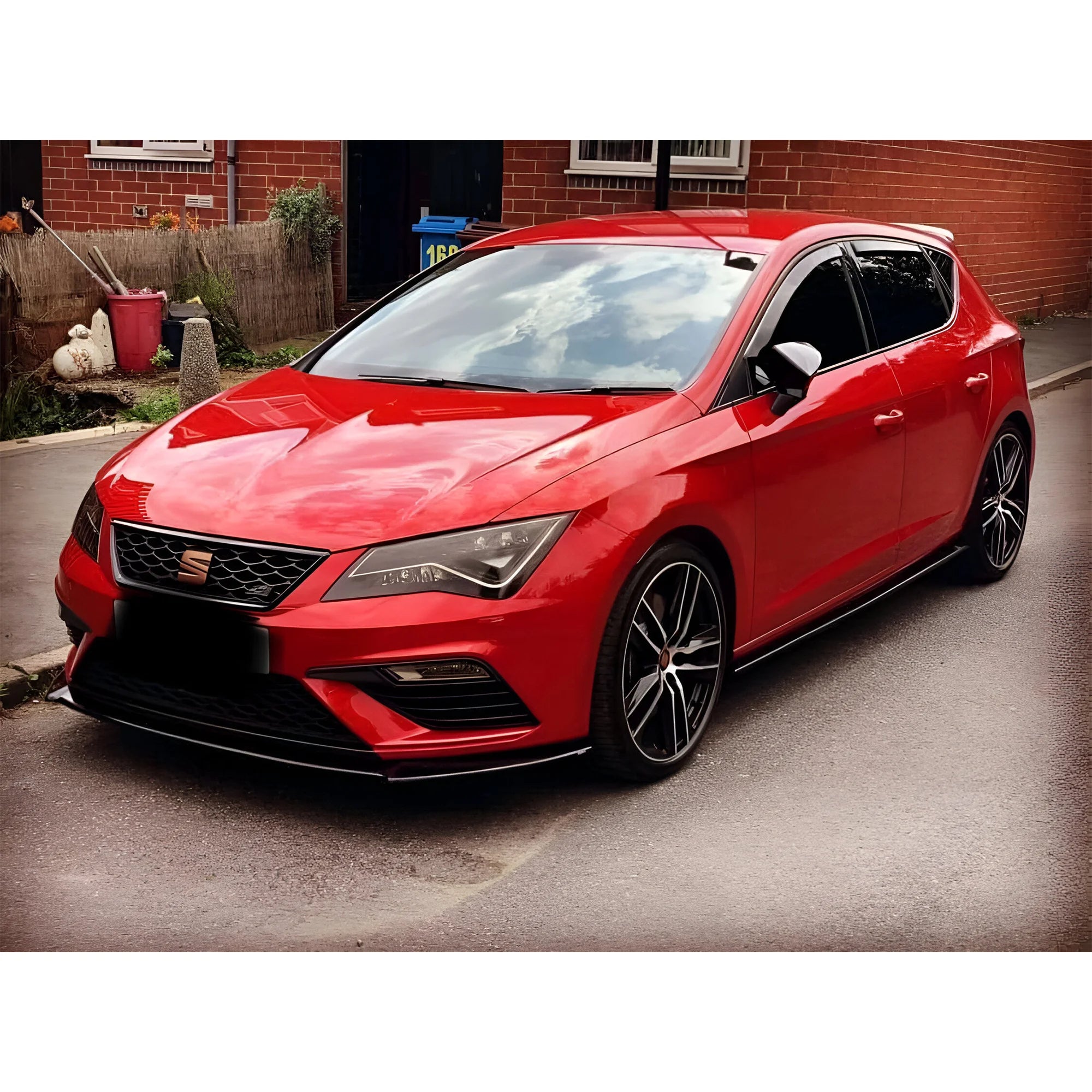
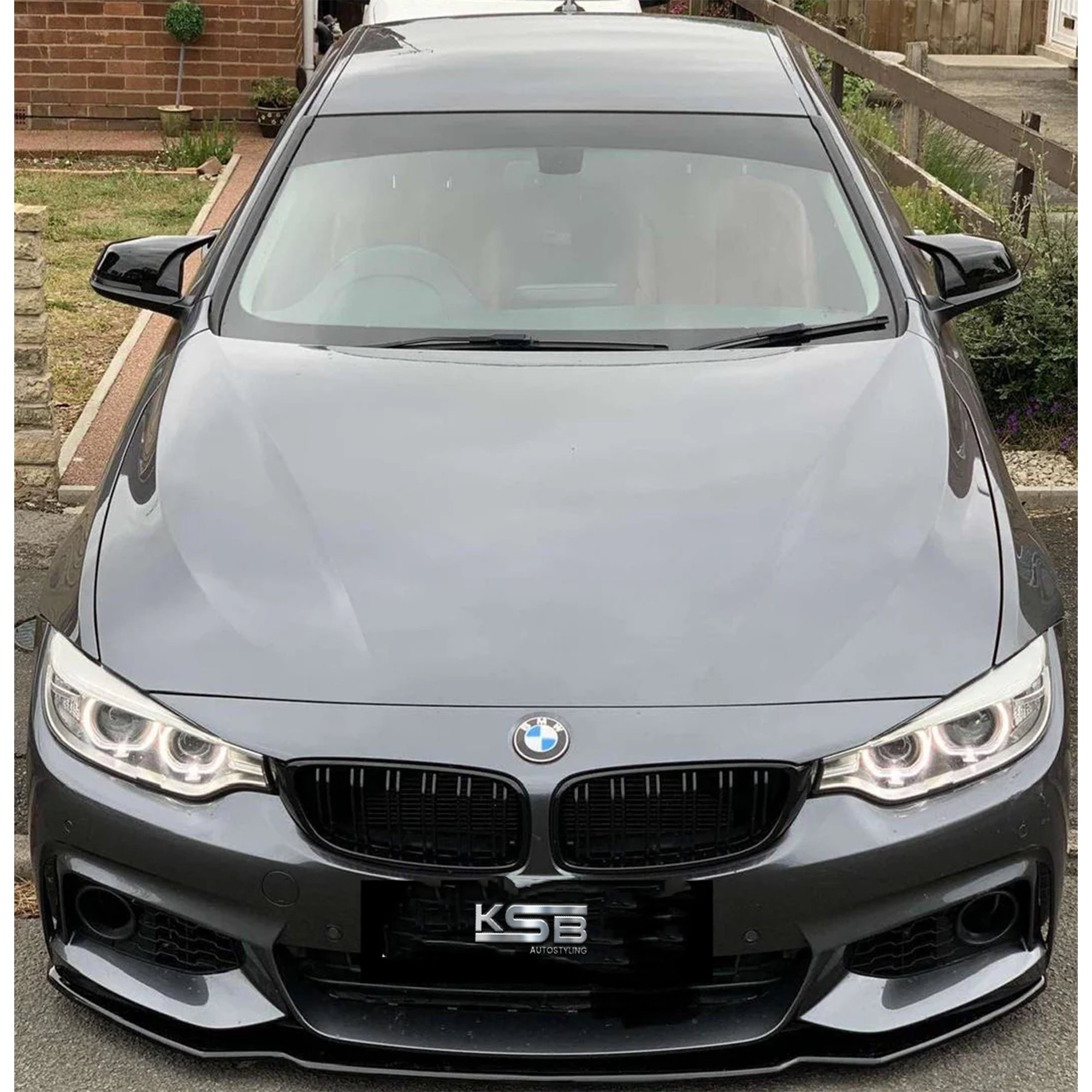
Popular fitments in the UK include applications for the VW Golf R (Mk7/Mk8), BMW F30 3 Series, and Audi A3 (8V/8Y), all of which benefit enormously from a lip or extended splitter that follows factory lines without disrupting the factory bumper's airflow geometry.
Browse the full range of front splitters and aerodynamic components at KSB Auto Styling's Styling Kits collection, designed to OEM-plus standards for the most popular UK performance cars.
Side Skirt Extensions
Side skirts are often dismissed as purely cosmetic additions, but they perform a genuinely functional aerodynamic role. The space between the underside of your car and the road is a turbulence-breeding ground as the wheels rotate and the car moves forward; air is constantly being churned through this channel at irregular speeds.
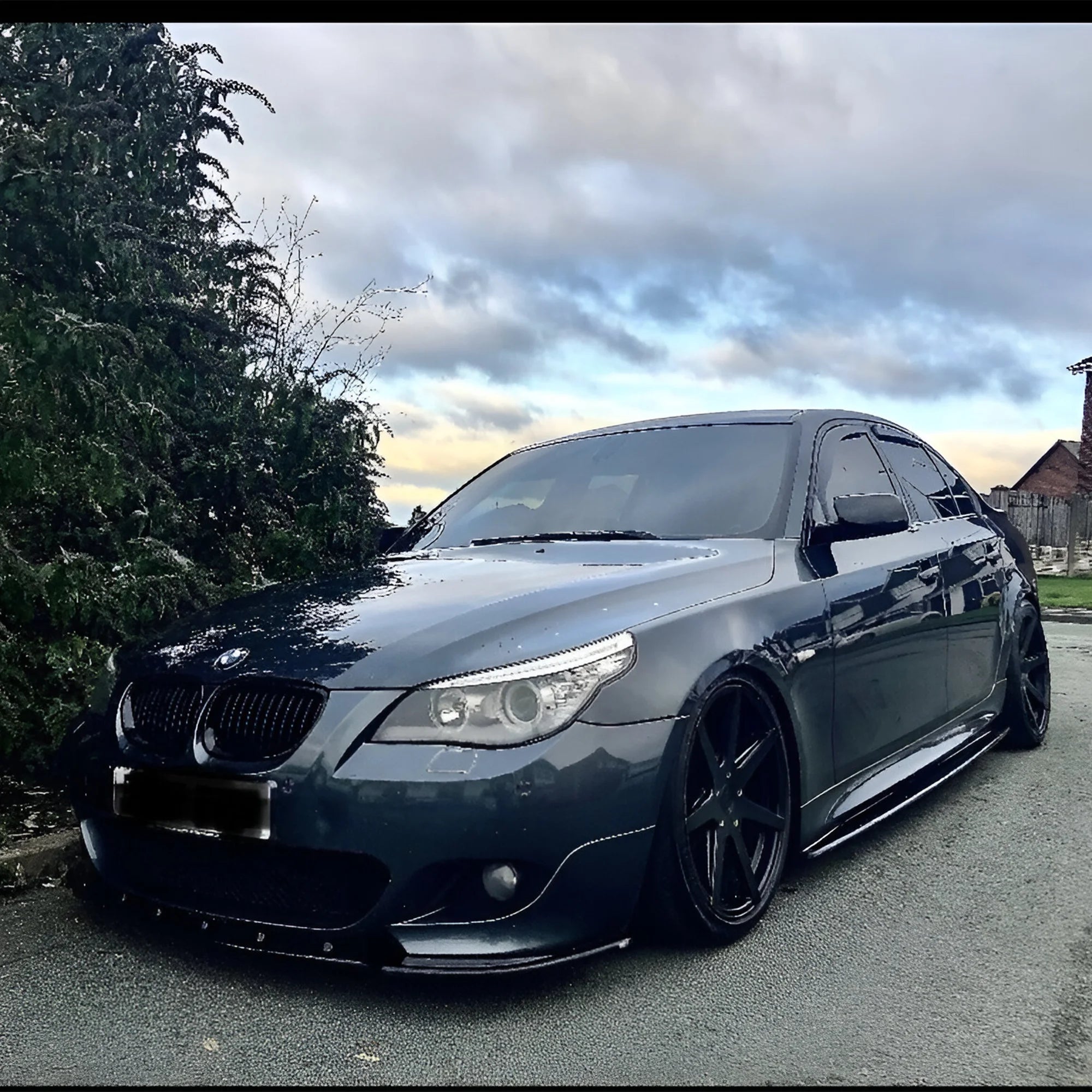
Side skirt extensions seal off this turbulent zone by closing the gap between the lower body panel and the road surface. The result is cleaner airflow along the car's flanks, reduced drag, and improved directional stability at higher speeds, the kind of planted, confidence-inspiring feel you notice most on fast A-roads and motorway lanes.
For cars like the Audi A3 or BMW F30, a well-fitted set of side skirts transforms the visual profile and meaningfully reduces the aerodynamic chaos around the wheel arches.
Rear Diffusers and Spats
The rear of your car is where aerodynamic drag often does its worst damage. As air passes over and under your vehicle, it converges at the rear in a turbulent, low-pressure zone that creates a form of suction drag physically pulling the car backwards as it moves forward.
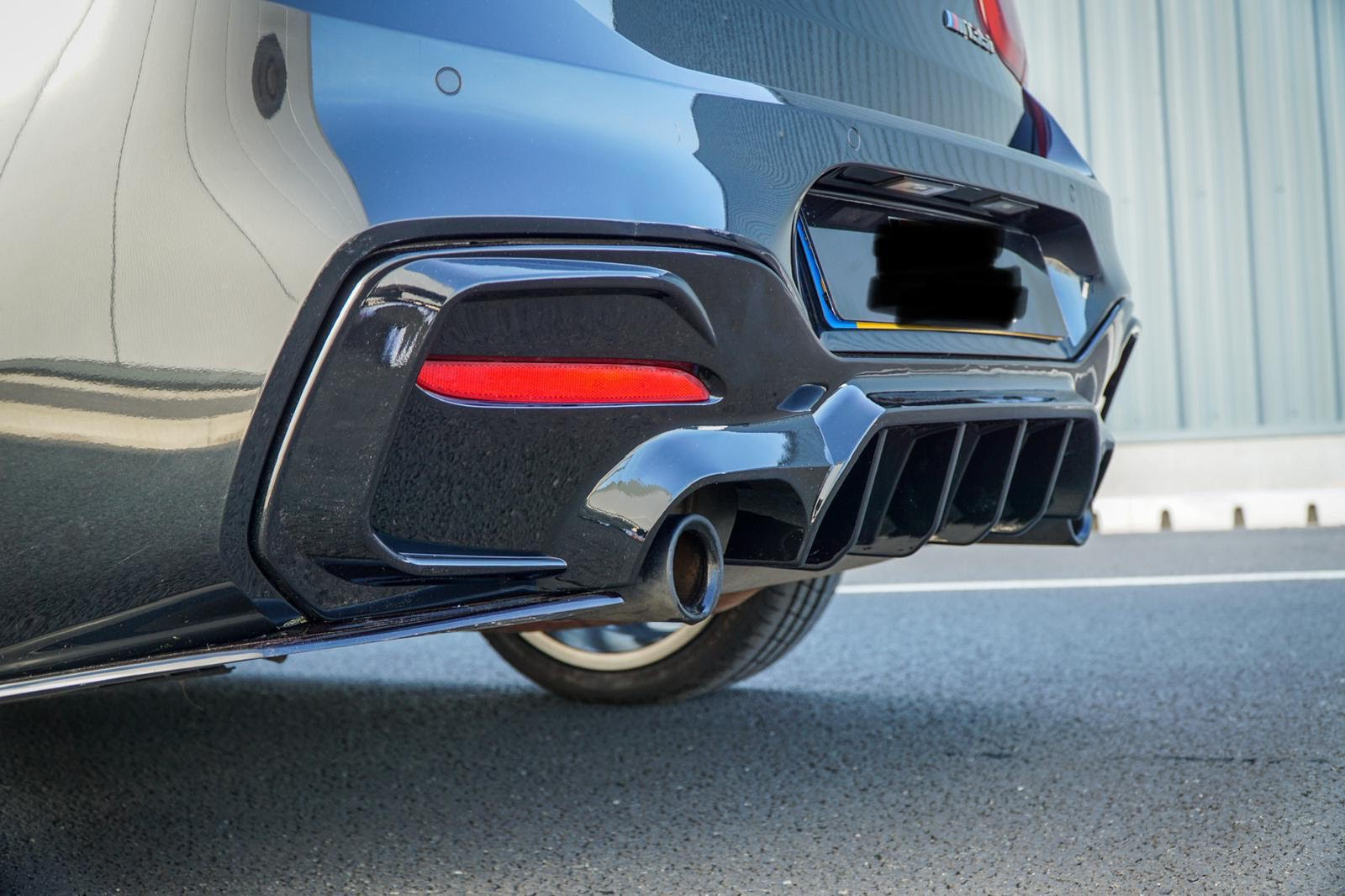
A rear diffuser addresses this by gradually expanding the airflow as it exits from beneath the car, reducing its velocity and allowing it to reconnect smoothly with the air passing over the roof and boot. The result is a smaller, less turbulent wake and measurably less drag.
Rear spats (arch fillers/extensions behind the rear wheels) play a complementary role, reducing the turbulence generated by the rear tyres as they rotate. Together, a diffuser and rear spats represent some of the most cost-effective aerodynamic upgrades available for road cars.
Lightweight Boot Spoilers
The boot spoiler is the component most car enthusiasts think of first, and it's also the most misunderstood from an aerodynamic standpoint.
A massive, track-style GT wing generates significant downforce, but it also generates significant drag. For a road car that spends most of its life at 60–70 mph rather than 150 mph on a circuit, a lightweight lip spoiler or shallow blade spoiler is almost always the better choice.
A properly designed boot spoiler encourages air to detach cleanly from the roofline, rather than tumbling off the boot lid in an uncontrolled fashion. This small intervention reduces the size of the turbulent wake significantly and improves high-speed stability without the weight or drag penalty of a full racing wing.
In ABS plastic, a quality boot spoiler typically adds less than 1.5 kg to the vehicle. The aerodynamic gain more than justifies the addition.
KSB Auto Styling: The UK's Premier Lightweight Choice
KSB Auto Styling has built its reputation on one principle: every kit should look like it could have left the factory that way.
That "OEM plus" philosophy isn't just about aesthetics, it's about function. Factory body panels are designed with airflow in mind. Aftermarket kits that ignore those design lines don't just look aftermarket; they disrupt the carefully engineered aerodynamics of the original vehicle.
Design Precision
KSB uses 3D scanning technology to ensure every kit follows the exact factory contours of the vehicle it's designed for. There are no gaps, no misaligned edges, and no filler-heavy fitment jobs. The kit flows with the car, which means the car's aerodynamics flow as they should, enhanced rather than compromised.
Bolt-On Performance
Every KSB kit is designed as a bolt-on fitment using existing mounting points wherever possible. This means no heavy structural modifications, no additional chassis weight, and no time-consuming body shop work that adds cost and delays.
The result is a cleaner install, a lighter final weight, and a look that's difficult to distinguish from a factory performance variant right up until you check your fuel gauge on the way home from a motorway run.
Real-World Example
Take a VW Golf Mk7 R fitted with a KSB front splitter, side skirts, and rear diffuser. The combined ABS kit adds roughly 6–8 kg to the car. But by cleaning up the aerodynamic profile, particularly at the front and rear, the net aerodynamic effect is a drag reduction that more than offsets that modest weight addition.
Drivers often report better high-speed stability, less body movement on fast roads, and a more controlled, composed feel at motorway speeds. The fuel economy improvement is a secondary benefit that reveals itself gradually across subsequent tanks, typically 2–4% better on regular motorway routes.
Beyond the Kit Complementary Fuel-Saving Mods
A quality lightweight body kit is a powerful starting point, but for drivers serious about maximising fuel economy through smart modifications, it works best as part of a broader approach.
Lowering Springs
Reducing your ride height by 25–40mm via quality lowering springs does more than improve the stance. A lower car presents a smaller frontal area to oncoming air and reduces the air that flows underneath the vehicle. Combined with a body kit, the aerodynamic gains compound meaningfully.
Lightweight Alloy Wheels
Every kilogram of rotational mass, the weight of your wheels and tyres spinning as the car moves, requires more energy to accelerate than static weight. Switching to lightweight forged alloy wheels reduces this rotational inertia, making the car more responsive on acceleration and easier to maintain at speed. Look for wheels in the 7–8 kg range per corner for genuine gains over standard cast alloys.
Regular Maintenance The Overlooked Factor
None of the above matters as much as you'd hope if your car's engine is fighting dirty air filters, underinflated tyres, or degraded spark plugs. Clean air filters improve combustion efficiency. Properly inflated tyres (check your door card for the recommended pressures) reduce rolling resistance significantly. Maintaining your car to the manufacturer's schedules is the foundation upon which all other fuel economy improvements are built.
The total performance approach isn't just about what you fit; it's about how you maintain everything once it's on the car.
UK Legalities and Insurance
Road Legality
All body kit modifications in the UK must comply with MOT standards regarding protrusions and sharp edges. Front splitters and side skirts must not have sharp, unprotected edges that could pose a risk to pedestrians. Ensure any aftermarket components you fit meet Road Vehicles (Construction and Use) Regulations. Quality manufacturers like KSB design their kits with these standards in mind.
Insurance Considerations
Any modification to your vehicle's bodywork, even aerodynamic improvements, must be declared to your insurance provider. Describe them accurately as "aerodynamic body kit additions" for transparency. Failure to declare modifications can invalidate your policy in the event of a claim. Many insurers view aerodynamic mods neutrally or positively from a safety standpoint, so the premium impact is often minimal.
Conclusion
Lightweight body kits aren't just for track days and car shows. Fitted correctly, from quality materials, and engineered with airflow in mind, they're a genuinely smart upgrade for any UK driver who spends regular time on motorways and A-roads.
The right kit reduces drag, saves fuel, improves stability, and looks exactly how a properly finished performance car should look: purposeful, clean, and built with intent.
FAQs
Can a lightweight body kit actually improve my car's fuel economy?
Yes, a well-designed lightweight body kit can improve fuel economy by reducing the overall curb weight and optimising the vehicle's aerodynamic profile. Replacing heavy factory parts with high-quality ABS plastic or carbon fibre alternatives reduces the energy needed for acceleration. Furthermore, aerodynamic pieces like front splitters and rear diffusers smooth out airflow, reducing the "drag" that typically forces your engine to work harder at motorway speeds, thereby increasing your miles per gallon (MPG).
Does adding a front splitter or spoiler increase drag and lower MPG?
While some aggressive "race-style" wings can increase drag, functional aerodynamic upgrades like those found at KSB Auto Styling are designed to streamline the car. A properly fitted front splitter directs air around the vehicle rather than allowing it to become trapped under the chassis, which minimises turbulence. When paired with a sleek rear spoiler or diffuser that manages the "slipstream," these mods actually help the car cut through the air more efficiently, which is a core principle used in modern "ecomodding" to boost efficiency.
Which material is best for a UK road-legal body kit: ABS Plastic or Carbon Fibre?
For the majority of UK drivers, ABS plastic is the most practical and cost-effective choice for lightweight styling. It offers a significant weight saving over traditional fibreglass and possesses the flexibility required to survive UK speed bumps and uneven road surfaces without cracking. While carbon fibre is the ultimate lightweight material for maximum weight reduction and performance, ABS plastic provides the best "bang for your buck" in terms of durability, weight, and ease of maintenance for a daily-driven vehicle.
Will installing an aftermarket body kit affect my car insurance in the UK?
In the UK, any modification that deviates from the manufacturer's original specification must be declared to your insurance provider. While some may view body kits as purely aesthetic, many specialist insurers recognise aerodynamic modifications as performance-enhancing. It is essential to inform your insurer that you are installing "lightweight aerodynamic styling" to ensure your policy remains valid. Declaring these mods correctly ensures you are covered for the value of the parts in the event of a claim.
Are body kits difficult to install, and will they void my vehicle warranty?
Most modern body kits are designed for "bolt-on" installation, utilising factory mounting points to ensure a secure fit without major structural changes. While many enthusiasts choose to install these themselves, professional installation is recommended to guarantee the aerodynamic benefits are maximised. Regarding warranties, a body kit typically only affects the warranty on the specific body panels or areas modified; it generally does not void the mechanical warranty of the engine or drivetrain unless the modification directly causes a mechanical failure.