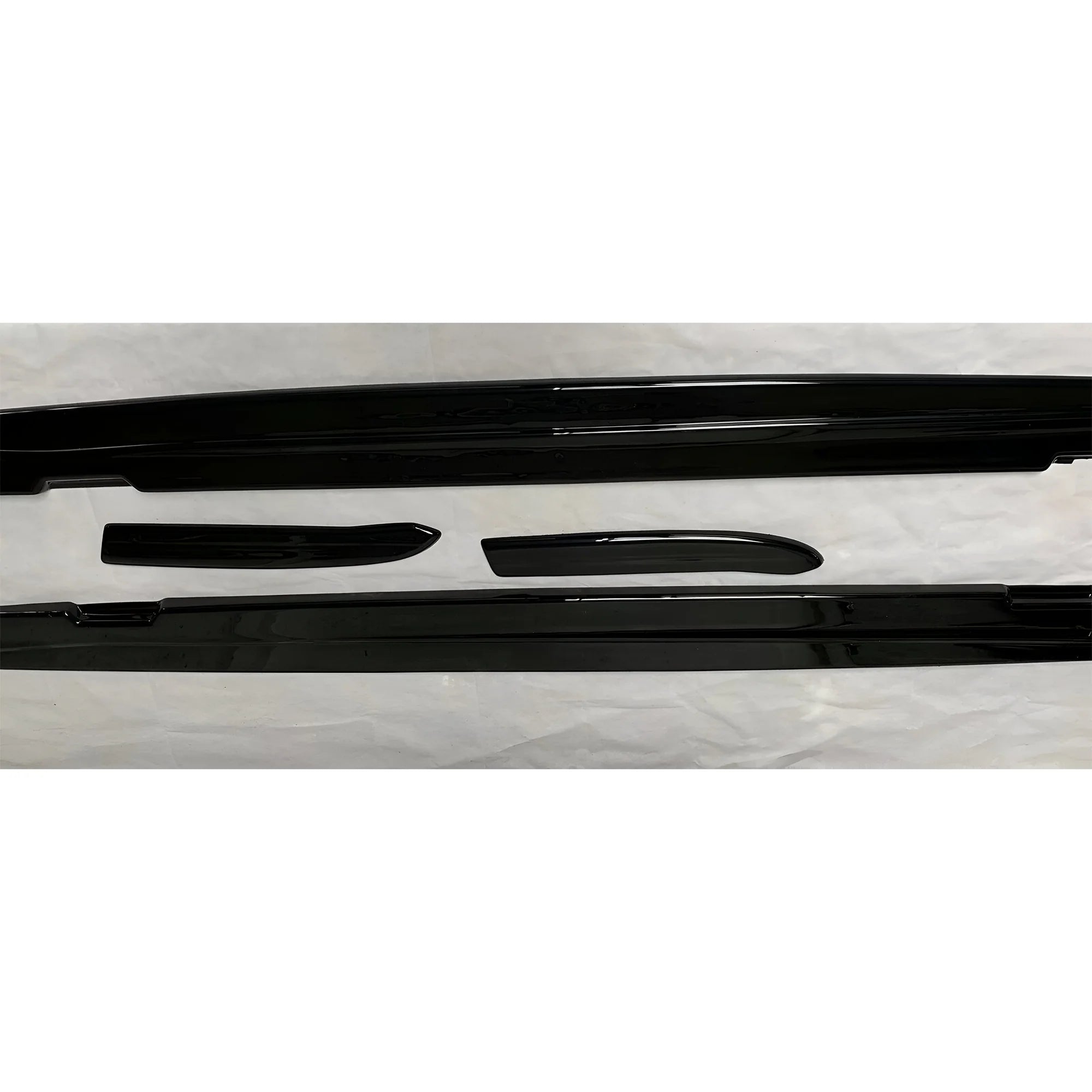


Best Rear Spoilers & Wings for Daily Drivers
Quick Answer: For UK daily drivers, the best rear spoiler is a factory-style or OEM-flush design made from ABS plastic or fibreglass. It looks great, reduces rear-end lift at highway speeds, and does not hurt your fuel economy. A rear wing is visually bolder but costs 1–3 MPG and only generates real aerodynamic benefit above 80 mph, a speed most commuters rarely reach.
If you drive to work every day, drop your kids off at school, and occasionally enjoy a spirited weekend run, you are exactly the kind of driver this guide was written for. You want your car to look sharper and more purposeful, but you do not want to sacrifice fuel economy, struggle to park in tight spaces, or confuse your insurance company.
This guide breaks down everything you actually need to know: the difference between a spoiler and a wing, which materials last the longest, which brands make the best products in 2026, how much everything costs, and how to install it without ruining your trunk lid. No fluff. No jargon. Just straightforward answers, verified data, and honest advice.
By Automotive Aerodynamics Specialist | Reviewed by KSB Autostyling Fitment Experts.
Spoiler vs Wing: What Is the Real Difference?
Direct Answer: A spoiler disrupts bad airflow to reduce drag, whereas a wing acts as an inverted airfoil to create downforce. They look similar but perform opposite aerodynamic functions.
This is the most misunderstood topic in automotive aerodynamics. Most people use the words interchangeably, but they are two completely different devices with different physics behind them.
How a Rear Spoiler Works
A spoiler is designed to 'spoil' unfavourable airflow. At highway speeds, a pocket of low-pressure turbulence forms directly behind your car. This creates a vacuum-like pull on the rear of the vehicle, which increases drag and lifts the rear end slightly. A properly shaped spoiler acts as a physical extension of the vehicle's roofline or trunk lid. It disrupts the boundary layer of air, closes off that low-pressure pocket, and reduces skin-friction drag.
The result is a more stable, efficient car at speed. The 2017 Toyota Prius, for example, uses a rear spoiler alongside grille shutters to achieve a drag coefficient of just 0.24, one of the lowest ever recorded on a production commuter car. Even the original Ford XR4Ti used a bi-wing spoiler design to hold laminar flow over the rear window, achieving a drag coefficient of 0.32.
For your daily driver, this means a flush, OEM-style spoiler can genuinely improve high-speed stability and may even offer a marginal improvement in fuel economy on longer motorway journeys.
How a Rear Wing Works
An automotive wing is essentially an inverted aircraft airfoil. Where an aircraft wing generates lift to go up, a car wing generates downforce to push the chassis down toward the tarmac. This increases tyre grip and improves cornering stability at high speeds.
The trade-off is significant. Wings are deliberately designed to increase aerodynamic drag to generate that downforce. Your engine has to work harder to push through the added wind resistance. For a daily driver, this almost always results in a measurable fuel economy loss of one to three miles per gallon, without delivering any meaningful performance benefit at city or suburban speeds.
Below 45 mph, neither a wing nor a spoiler provides a real mechanical advantage. The aerodynamic forces involved are simply too weak at those speeds.
Here is a simple side-by-side comparison:
|
SPOILER |
WING |
|
Disrupts unfavourable airflow to reduce drag |
Inverted airfoil designed to create downforce |
|
Reduces rear-end lift at speed |
Increases drag to push tyres into the road |
|
Factory-fitted on many OEM sport models |
Typically, an aftermarket track-focused upgrade |
|
Barely changes fuel economy, can even help it |
Costs 1–3 MPG on a daily driver |
|
Ideal for: commuters, highway drivers, OEM+ look |
Ideal for: track days, aggressive sport builds |
|
Examples: lip spoiler, trunk lip, OEM-style spoiler |
Examples: GT wing, double-deck wing, pedestal wing |
Do Rear Spoilers Actually Help Daily Drivers?
Direct Answer: Yes, but only above 45 mph, where a flush spoiler measurably reduces rear lift. Below that speed, the benefits are purely visual. On motorways and dual carriageways, a flush spoiler measurably reduces rear lift and can marginally help fuel economy.
At city speeds (under 45 mph): The aerodynamic forces on your car are small. A spoiler adds a nice visual accent, but it does nothing mechanical. At these speeds, neither a wing nor a spoiler provides a real mechanical advantage because the aerodynamic forces involved are simply too weak.
At motorway speeds (60–80+ mph): Now it matters. The rear spoiler is actively managing airflow over the bootlid, preventing rear-end lift, and reducing the low-pressure turbulence pocket behind the car. This improves high-speed stability noticeably, especially in crosswind conditions.
The key is choosing the right design. A flush, factory-style lip spoiler mimics what the original engineers intended and works within the car's existing aerodynamic profile. An oversized, high-kick spoiler on a family hatchback, on the other hand, can actually create more drag than it removes, defeating the purpose.
|
Speed Range |
Spoiler Effect |
Wing Effect |
Daily Driver Verdict |
|
0–30 mph (city) |
None, purely aesthetic |
None |
Style only; zero aero benefit |
|
30–60 mph (suburban) |
Minimal, slight drag reduction on flush designs |
Slight drag increase; no useful downforce |
Spoiler marginally better; wing is a penalty |
|
60–80 mph (highway) |
Noticeably reduces rear lift, stabilises flow, and improves the coefficient of drag (Cd). |
Minor downforce; increased drag |
Spoiler improves stability; wing may affect MPG |
|
80+ mph (track-level) |
Strong drag reduction on low-drag designs |
Real downforce generated |
Relevant only on track; not a daily scenario |
Best Rear Spoilers and Wings for Daily Drivers in 2026
Direct Answer: The Lund factory-style fibreglass spoiler is best for OEM integration, while the VEVOR aluminium GT wing suits sportier builds. Modern CFD testing ensures even budget brands offer precise fitment. Budget matters, fitment matters, and material matters are all covered below.
Thanks to modern Computational Fluid Dynamics (CFD), even budget aftermarket brands now offer aerodynamically tested designs. While heavyweights like Magna International and Plastic Omnium dominate the OEM factory market, the aftermarket is ruled by accessible brands offering precise fitment without the dealership markup.
|
Product / Brand |
Material |
Key Specs |
Best For |
Price Range |
|
VEVOR Single Deck GT Wing |
Lightweight aluminium alloy |
43.7" x 3.0" x 7.3", 6.6 lbs |
Universal hatchbacks; settable angle brackets |
~$64.99 (entry) |
|
Lund Warbird / Hawk |
Handcrafted fibreglass / ABS |
OEM sport-model dimensions |
Seamless trunk-flush look; minimal drag on commutes |
Mid-tier |
|
HECASA Rear Trunk Spoiler |
Glossy black painted plastic |
44.09" x 11.67" x 7.31" |
2006–2011 Honda Civic Sedan exact fit |
Mid-tier |
|
Mophorn Double Deck GT Wing |
Weather-resistant aluminium |
53.5" x 8.3" x 4.7", 5.6 lbs |
Larger sedans; aggressive two-layer styling |
~$159.00 (premium) |
|
UCI Factory Spoiler |
Pre-painted polyurethane / ABS |
OEM-precise fitment |
Preserving elegant stock lines on late-model cars |
Premium |
|
DAR Spoilers Aftermarket |
In-house-manufactured plastics |
High-quality aftermarket dims |
Durable restyling; also carries hood scoops, flares |
Premium |
|
KSB Autostyling (custom) |
Various incl. carbon fibre |
Made-to-order dimensions |
UK drivers wanting custom-fitted spoilers & wings |
Varies by spec |
VEVOR Single Deck GT Wing, Best Entry-Level Wing
The VEVOR Single Deck GT Wing is one of the best-selling affordable wings on the market right now. It measures 43.7 inches wide, 3.0 inches deep, and 7.3 inches tall, and weighs just 6.6 pounds thanks to its lightweight aluminium alloy construction. The settable angle brackets let you adjust the wing's angle without needing specialist tools, and the universal mounting design fits most hatchbacks and small sedans.
At around £50 (approximately $64.99), it is the most accessible entry point into the GT wing aesthetic without breaking the bank. Do not expect it to generate meaningful downforce on your morning commute, but if you want the look, it delivers at this price point.
Lund Warbird and Hawk Series, Best for OEM Integration
Lund has been making handcrafted fibreglass spoilers for decades, and their Warbird and Hawk designs remain the benchmark for OEM-flush fitment. These designs curve flush with the trunk lid, matching the factory body lines so closely that many people assume it left the factory that way. The fibreglass construction paints cleanly and holds colour well, making it the ideal choice for drivers who want a subtle performance aesthetic rather than an aggressive race-car look.
Lund spoilers fall into the mid-tier price bracket and are available for a wide range of sedans and coupes.
HECASA Rear Trunk Spoiler Wing, Best Vehicle-Specific Fit
The HECASA spoiler is designed specifically for the 2006–2011 Honda Civic Sedan and is among the better vehicle-specific designs at the mid-tier level. At 44.09 inches wide and 11.67 inches deep, it fits the Civic's trunk profile very naturally. The glossy black pre-painted finish means you can bolt it on without a trip to the body shop, though colour matching to an aged factory paint job may still require touch-up work.
Mophorn Double Deck GT Wing, Best for Visual Impact
If you want maximum visual presence, the Mophorn double-deck GT wing is one of the most striking options in the mid-to-premium range. At 53.5 inches wide, 8.3 inches deep, and 4.7 inches tall, it is genuinely large. The double-deck design introduces more aerodynamic drag than a single-deck unit, so factor in the MPG penalty. On a larger sedan or a modified build where aesthetics are the priority, it looks outstanding.
UCI Factory Spoiler, Best for Preserving OEM Elegance
UCI makes polyurethane and ABS spoilers with OEM-precise fitment. If you drive a late-model car and want a spoiler that looks like it was always there, UCI is the brand to look at. These come pre-painted in factory colour codes, which solves the biggest frustration most buyers have with aftermarket spoilers: paint-mismatch.
DAR Spoilers, Best for Long-Term Durability
DAR Spoilers manufactures its own plastic components in-house, giving them tighter quality control than brands that outsource production. Their range covers spoilers, hood scoops, and fender flares. If you want a spoiler that will still look sharp in five years and is backed by a proper manufacturer's warranty, DAR is worth the premium price.
KSB Autostyling, Best for UK Drivers Wanting Custom Fitment
For drivers based in the UK, KSB Autostyling (ksbautostyling.co.uk) offers custom-fitted spoilers and rear wings across a wide range of makes and models. Their stock includes everything from subtle lip spoilers for everyday hatchbacks to more aggressive GT-style wings for performance builds. What sets them apart is the ability to source specific fitments for less common vehicles that the big US brands do not cater for. If you have had trouble finding something that fits your specific car cleanly, their team can point you toward the right option.
Which Material Is Best? ABS, Fibreglass, Aluminium, Carbon Fibre
Direct Answer: ABS plastic or fibreglass is best for low-maintenance OEM looks, while aluminium alloy suits lightweight track-inspired wings. Carbon fibre offers premium aesthetics but at a significantly higher cost.
Material choice affects weight, durability, paint finish, and long-term performance. Here is what each one means in practice:
|
Material |
Weight |
Durability |
Paint Match |
Best Use Case |
|
ABS Plastic |
Light |
Good (UV risk) |
Easy, OEM match |
Factory-style daily driver spoilers |
|
Fibreglass |
Light–Medium |
Excellent |
Excellent finish |
OEM-look trunk lips & sport spoilers |
|
Polyurethane |
Medium |
Very flexible |
Good |
Bumper lips, flexible body kits |
|
Aluminium alloy |
Light–Medium |
Excellent |
Requires powder coat |
Track & GT wings; adjustable setups |
|
Carbon fibre |
Very Light |
Outstanding |
Clear-coat or weave exposed |
Lightweight premium builds: BMW M, STi |
Furthermore, the ultra-smooth finish of handcrafted fibreglass allows for optimal laminar airflow, helping to maintain a low coefficient of drag (Cd).
ABS Plastic
ABS (acrylonitrile butadiene styrene) is the most common material for factory-style spoilers. It is light, cheap to produce, and takes paint well. The downside is UV degradation over time; cheap ABS units can fade, crack, or become brittle in climates with strong sunlight. Always look for UV-stabilised ABS if you live in a sunny region.
Fibreglass
Fibreglass is the traditional material for high-quality aftermarket spoilers. It is slightly heavier than ABS but far more durable, holds paint better, and can be shaped into very precise contours. Lund and similar heritage brands use handcrafted fibreglass precisely because it delivers a superior finish that is hard to distinguish from OEM bodywork.
Aluminium Alloy
Aluminium is the material of choice for GT wings and performance-oriented designs. It is lightweight, corrosion-resistant, and structurally strong enough to withstand high-speed aerodynamic forces. The VEVOR and Mophorn wings both use aluminium alloy, which is why they stay so light despite their size.
Carbon Fibre
Carbon fibre is the premium option. It is stronger than aluminium at a fraction of the weight, and the exposed weave texture gives it an unmistakable high-performance look. If you have a BMW M3, a Subaru WRX STi, or any car with existing carbon fibre trim, a carbon fibre spoiler will integrate beautifully. The cost, however, is significantly higher than that of other materials.
Which Spoiler or Wing Fits Your Car? Model-by-Model Guide
Direct Answer: A lip spoiler suits almost any daily driver, while a GT wing requires specific clearance and visual balance. Always choose vehicle-specific fitment over universal designs. A GT wing needs clearance, support, and the right visual balance for your vehicle's proportions.
Generic 'universal fit' spoilers look cheap on most cars. Vehicle-specific fitment always produces a cleaner result. Here is a quick reference by popular model:
|
Car Model |
Recommended Style |
Best Material |
Notes |
|
Honda Civic (sedan) |
Trunk-lip spoiler / factory-style |
ABS or fibreglass |
HECASA makes an exact 2006–2011 fit |
|
Subaru WRX / STi |
High-kick spoiler or STi-style wing |
Carbon fibre or ABS |
OEM STi Gurney flap is the benchmark |
|
Toyota Prius (2017+) |
Low-profile flush spoiler |
ABS |
Factory spoiler already optimised to Cd 0.24 |
|
BMW M3 G80 |
OEM-M Performance carbon spoiler |
Carbon fibre weave |
Match existing M Performance weave patterns |
|
Ford Focus / Golf GTI |
Lip spoiler or small GT wing |
Fibreglass or painted ABS |
Lip spoilers suit the hatchback roofline well |
|
Mazda MX-5 / Miata |
Ducktail or subtle trunk lip |
ABS |
Avoid heavy wings; light rear balance is critical |
One important tip from professional installers: if your car is older than three years, do not order a pre-painted spoiler online expecting a perfect colour match. UV exposure fades factory paint over time, and a freshly sprayed spoiler will look noticeably different next to weathered bodywork. Order a primed spoiler instead and take it to your local body shop for a proper colour-matched spray. The extra cost is worth it.
How to Install a Rear Spoiler or Wing: Step-by-Step
Direct Answer: Factory-style spoilers use adhesive tape and pre-drilled holes, requiring no drilling. GT wings demand permanent trunk drilling and careful gasket installation. Both installations are manageable at home with basic tools, but wings demand more care and preparation.
Installing a Factory-Style / Lip Spoiler
- Clean and degrease the entire trunk lid surface thoroughly before starting.
- Hold the spoiler in position and use masking tape to mark its exact placement.
- If the spoiler uses 3M adhesive tape (most OEM-style designs do), peel the backing carefully and press firmly for at least 60 seconds. Apply even pressure across the full surface.
- Do not wash the car for at least 24–48 hours to allow the adhesive to cure fully.
- If the design uses factory-location bolts, align the holes with the pre-existing mounting points and hand-tighten before final torquing.
Installing a GT Wing (Bolted)
This is a more involved process and requires permanent modifications to your trunk lid. Read this carefully before committing.
- Clean the trunk lid and position the wing in the intended location. Use the manufacturer-supplied template to mark drill spots. Never freehand this.
- Centre-punch each drill mark before drilling to prevent the bit from wandering on the painted surface.
- Drill slowly with the correct drill bit size; most wings use 8mm or 10mm hardware.
- Install the mounting gaskets before fitting the hardware. This step is critical: without gaskets, water will enter the trunk and cause rust to form inside the lid over time.
- Insert the bolts from below (inside the trunk), secure the wing brackets on top, and tighten to the manufacturer's specified torque.
- Apply a small bead of weatherproof sealant around each mounting point for additional water protection.
- Check wing angle and alignment before the final tightening.
Warning: Drilling your trunk lid is a permanent modification. It will affect your car's resale value and may void a factory warranty if the car is still under warranty. Think carefully before committing to a bolted wing on a newer vehicle.
Rear Spoiler Pros and Cons for Daily Drivers
Direct Answer: A rear spoiler improves high-speed stability with minimal downsides. A rear wing offers high visual impact but guarantees a measurable MPG penalty.
|
Rear Spoiler Pros UK |
Rear Spoiler Cons UK |
|
Reduces aerodynamic drag at highway speed |
Adds minimal downforce for spirited driving |
|
Available in factory-style or sport designs |
Aggressive variants can still increase drag slightly |
|
Can marginally improve fuel economy |
Cheap ABS units fade under prolonged UV exposure |
|
Easy paint matching with primed or pre-painted options |
Wrong fitment can cause trunk seal gaps |
|
Wide compatibility across sedans, hatchbacks, and SUVs |
Very subtle aero benefit below 45 mph |
Rear Wing Pros and Cons for Daily Drivers
|
Rear Wing Pros UK |
Rear Wing Cons UK |
|
Aggressive, sporty aesthetic, high visual impact |
Increases aerodynamic drag; costs 1–3 MPG |
|
Adjustable angle brackets on aluminium designs |
Requires drilling permanent holes in the trunk lid |
|
Generates real downforce above 80 mph |
Adds weight at the rear, marginally increases braking distance |
|
Lightweight options available in aluminium |
Attracts insurance scrutiny on some policies |
|
Stainless brackets resist corrosion |
Double-deck designs can restrict rear visibility |
What to do When Choosing a Spoiler
- Match the spoiler style to your car's existing body kit and roofline. A lip spoiler on a Civic looks clean; a massive double-deck wing on the same car looks mismatched.
- Choose vehicle-specific fitment over universal designs wherever possible. The cleaner the fit, the more professional the result.
- Buy primed if your car is more than two to three years old, then get a local body shop to match the paint.
- Use manufacturer templates exactly when drilling for a wing. Even a few millimetres off-centre will show.
- Install mounting gaskets without exception. Water damage inside a trunk lid is expensive to repair.
- Check your insurance policy before fitting a wing. Some policies classify rear wings as a notifiable modification.
What not to do When Choosing a Spoiler
- Do not order a pre-painted spoiler for an older car expecting a perfect colour match straight from the box.
- Do not freehand drill holes in your trunk lid. Use the template every time.
- Do not buy a large GT wing expecting it to improve your daily commute fuel economy. It will not. It will make it worse.
- Do not skip the gaskets. This is the single most common installation mistake and the most expensive to fix later.
- Do not assume a universal spoiler will fit your car cleanly. Check the fitment notes carefully.
- Do not install a wing hoping it will help you brake faster at city speeds. Below 45 mph, it is irrelevant to your braking performance.
How Much Does a Rear Spoiler or Wing Cost in 2026 UK?
Direct Answer: Entry-level ABS lip spoilers start around £25–£50 ($30–$60). Mid-tier factory-style fibreglass designs run £65–£120 ($80–$150). Premium GT wings and carbon fibre options range from £160–£400+ ($200–$500+). Installation adds £40–£160 ($50–$200) if you use a professional.
Here is an honest price breakdown to help you budget:
- Entry-level ABS plastic lip spoiler: £25–£50 ($30–$60)
- Mid-tier fibreglass OEM-style spoiler (e.g. Lund Warbird): £65–£120 ($80–$150)
- Entry-level aluminium GT wing (e.g. VEVOR single deck): ~£52 (~$65)
- Premium double-deck aluminium wing (e.g. Mophorn): ~£125 (~$159)
- Vehicle-specific pre-painted spoiler (e.g. UCI): £95–£200 ($120–$250)
- Carbon fibre spoiler or wing: £160–£400+ ($200–$500+)
- Professional installation labour: £40–£160 ($50–$200) depending on complexity
For UK buyers, KSB Autostyling (ksbautostyling.co.uk) offers competitive pricing on both spoilers and wings, with UK fitment expertise, saving the hassle of sourcing from US brands and waiting for international shipping.
Professional Style Guide: Which Spoiler Goes With Your Build?
Think of choosing a spoiler like choosing footwear for an outfit. The right choice is proportional, intentional, and consistent with everything else on the car. The wrong choice creates visual noise even if each individual piece is good on its own.
How AI is Changing Spoiler Design
Modern aftermarket brands now use cloud-based Computational Fluid Dynamics (CFD) to test aero efficiency before physical production. This ensures the parts you buy actually reduce drag rather than just look good, bringing track-level aerodynamic testing to daily-driver budgets.
The OEM-Plus Look (Clean and Factory-Correct)
If your car is stock or near-stock with minor visual upgrades like alloy wheels and lowered suspension, a factory-style trunk-lip spoiler or low-profile OEM-design spoiler is the right call. Brands like Lund and UCI make designs that look factory-fitted. This approach says 'I care about my car' without screaming 'I am trying too hard.'
- Works best on: sedans, coupes, mild hatchback builds
- Avoid: GT wings, double-deck designs, aggressive high-kick spoilers
The Sport Compact Look (Track-Inspired Daily)
If your car already has a lowered stance, aftermarket wheels, a performance exhaust, and a front lip or splitter, a single-deck GT wing fits the visual language. The proportions work because the rest of the car reads as a cohesive sports build. A VEVOR or Mophorn single-deck aluminium wing in a neutral finish (silver or black) complements this look well.
- Works best on: Honda Civic, Subaru WRX, Golf GTI, Mazda 3
- Keep consistent: match the wing finish to your wheel colour or accents
The Aggressive Street Build (Maximum Visual Presence)
If you are running a wide-body kit, aggressive stance, and track-inspired modifications throughout, a double-deck GT wing is proportionally appropriate. A Mophorn double-deck or a custom carbon fibre wing from a specialist such as KSB Autostyling makes sense here because the wing's scale matches the build. On a standard car, a double-deck wing looks out of place. On a proper wide-body, it is the right punctuation mark.
- Works best on: widebody Civics, STi builds, BMW M3 race-inspired builds
- Avoid: fitting a double-deck wing without a front splitter or bumper to balance the visual weight
The Luxury Understated Look
If you drive a late-model premium car, a BMW 3 Series, an Audi A4, a Mercedes C-Class, the best spoiler is one that adds definition without disrupting the designer's original vision. A small, painted trunk-lip spoiler in the body colour, or a carbon fibre OEM-style spoiler for cars with existing carbon fibre trim, keeps the luxury feel intact. For BMW M models, matching the OEM M Performance carbon fibre weave pattern is essential for visual consistency.
- Avoid: anything that looks remotely like a race car wing
- Best brands for this look: UCI, OEM-genuine carbon fibre accents, or custom from KSB Autostyling
Conclusion: The Right Spoiler for Your Daily Driver
If you want improved aerodynamic stability at motorway speeds, a cleaner look, and no real running cost penalty, a factory-style or OEM-plus rear spoiler is the answer. It works with your car's existing aerodynamics, integrates cleanly with the bodywork, and will not cost you anything at the fuel pump.
If you want maximum visual impact and you understand the trade-offs, primarily the 1–3 MPG fuel penalty and the permanent drilling required, then a single-deck GT wing in lightweight aluminium is the right choice for a sport-inspired daily driver. The VEVOR at entry level and the Mophorn at the premium end both represent good value for what they offer.
For double-deck wings, be honest with yourself. They look aggressive, and they suit aggressive builds. On a standard daily driver, they are a significant commitment for a pure aesthetic gain. They will increase drag, reduce fuel economy, and potentially attract insurance attention.
Material choice comes down to budget and intent. ABS for casual OEM-look upgrades. Fibreglass for professional-quality OEM-plus designs. Aluminium for functional wings. Carbon fibre for premium builds where weight and aesthetics both matter.
If you are in the UK and struggling to find the right fitment for your specific model, the team at KSB Autostyling (ksbautostyling.co.uk) stocks a wide range of spoilers and wings and can help you find something that fits your car properly, rather than needing to be forced into place.
Get the fitment right. Get the material right. Install it correctly. And your daily driver will look exactly how you intended it to.
|
Community Question |
Short Answer |
|
Does a spoiler/wing actually do anything? |
Below 45 mph, it is mostly aesthetic. Above 60 mph, a flush spoiler reduces drag; a wing increases it. |
|
Will adding a wing lower my gas mileage? |
Yes. A functional wing adds drag. Expect 1–3 MPG loss on a daily driver. |
|
Why does my spoiler improve braking but increase braking distance? |
A spoiler adds downforce at speed (more grip), but a heavy wing adds rear mass, lengthening stopping distance. |
|
Are rear spoilers useful for daily driving? |
Yes, a flush, factory-style spoiler reduces rear lift and can marginally improve MPG on motorways. |
|
Are aftermarket spoilers safe for automatic car washes? |
Brush-style automatic washes can catch and break aftermarket wings. Stick to touchless car washes or hand washing to ensure your setup is touchless-wash-safe and to protect your mounting points. |
|
Carbon fibre or painted spoiler for an OEM look? |
Pre-painted ABS or fibreglass is better for OEM integration; carbon fibre stands out and requires a clear coat. |
|
Is there any spoiler that does not look like the Type R wing? |
Yes: OEM-style lip spoilers, factory trunklid lips, and subtle pedestal styles are all low-key alternatives. |
|
What kind of spoiler/ aero device would be good for reducing drag on my car? | |
A flush-mounted, factory-style lip spoiler minimises skin-friction drag without ruining your MPG. |
FAQs
What kind of spoiler / aero device would be good for reducing drag on my car?
For reducing drag on a daily driver, a flush-mounted, factory-style lip spoiler is the best choice. It disrupts the low-pressure wake behind the vehicle, minimising skin-friction drag without ruining your MPG.
Does a spoiler or wing actually do anything on a normal road car?
At city speeds under 45 mph, the aerodynamic effect is minimal. Both devices rely on airflow speed to function. A spoiler starts to make a measurable difference to drag and rear-end lift from around 55–60 mph onwards. A wing requires even higher speeds to generate meaningful downforce. Below those thresholds, both are visual accessories.
Are rear spoilers useful for daily driving?
Yes, with the right choice of design. A flush, factory-style rear spoiler genuinely reduces rear-end lift and can improve high-speed stability, particularly on motorways and during lane changes in crosswind conditions. It is not going to transform your car's performance, but it does serve a real aerodynamic function above 60 mph. It is also unlikely to affect your fuel economy negatively, which cannot be said for wings.
Why does adding a spoiler seem to improve braking, but a wing increase braking distance?
This comes down to physics. A spoiler that reduces rear lift effectively keeps more of the tyre's contact patch on the road, which provides marginally better grip under braking at speed. A heavy GT wing, on the other hand, adds weight to the rear of the car. That additional mass at the extreme rear alters the car's braking dynamics, marginally extending the stopping distance. The heavier the wing, the more pronounced this effect.
Will adding a wing lower my gas mileage?
Yes. A functional wing is designed to create drag. That is the entire point of its shape. More drag means the engine works harder to maintain speed, which burns more fuel. For a typical daily driver running a GT wing, the real-world loss is approximately one to three MPG. At today's fuel prices, that represents a tangible extra annual cost.
Is there any spoiler that does not look like the Type R wing?
Absolutely. The Honda Type R wing is one specific, highly recognisable design, but it represents only one corner of the spoiler market. There are hundreds of alternatives: subtle trunk-lip spoilers, factory-flush OEM-style designs, ducktail spoilers, low-profile GT wings with a smaller profile, and even no-drill adhesive options that barely change the car's appearance. If you want to add character without the race-car aggression, a lip spoiler or OEM+ design is the right direction.
Carbon fibre or painted spoiler for an OEM look?
For a genuine OEM look, go with a pre-painted ABS or fibreglass spoiler in your car's factory colour. Carbon fibre is beautiful, but it looks aftermarket deliberately. If your car already has carbon fibre trim elements, like a BMW M Performance package or an STi interior accent, then a carbon fibre spoiler can integrate naturally. Otherwise, painted ABS or fibreglass will blend in far more convincingly.
Any tips for a daily driver? What should I add?
If you want a functional and visually impactful upgrade with minimal downsides, start with a factory-style trunk-lip spoiler in a vehicle-specific fit. It requires no drilling, costs under 100 pounds in most cases, adds genuine motorway stability, and looks completely intentional. If you want more presence, a single-deck GT wing is the next step, just budget for the slight MPG impact and be prepared to drill.
Do I need to declare a rear spoiler or wing to my insurance company?
Yes. Every car modification must be declared to your car insurance provider, even if it is purely cosmetic and does not affect performance. Adding a spoiler alters the vehicle from its factory specification and can increase its value or desirability to thieves. Failing to disclose this modification can completely invalidate your insurance policy [UK car modification laws], meaning your provider could reject any claims you make in the event of an accident.