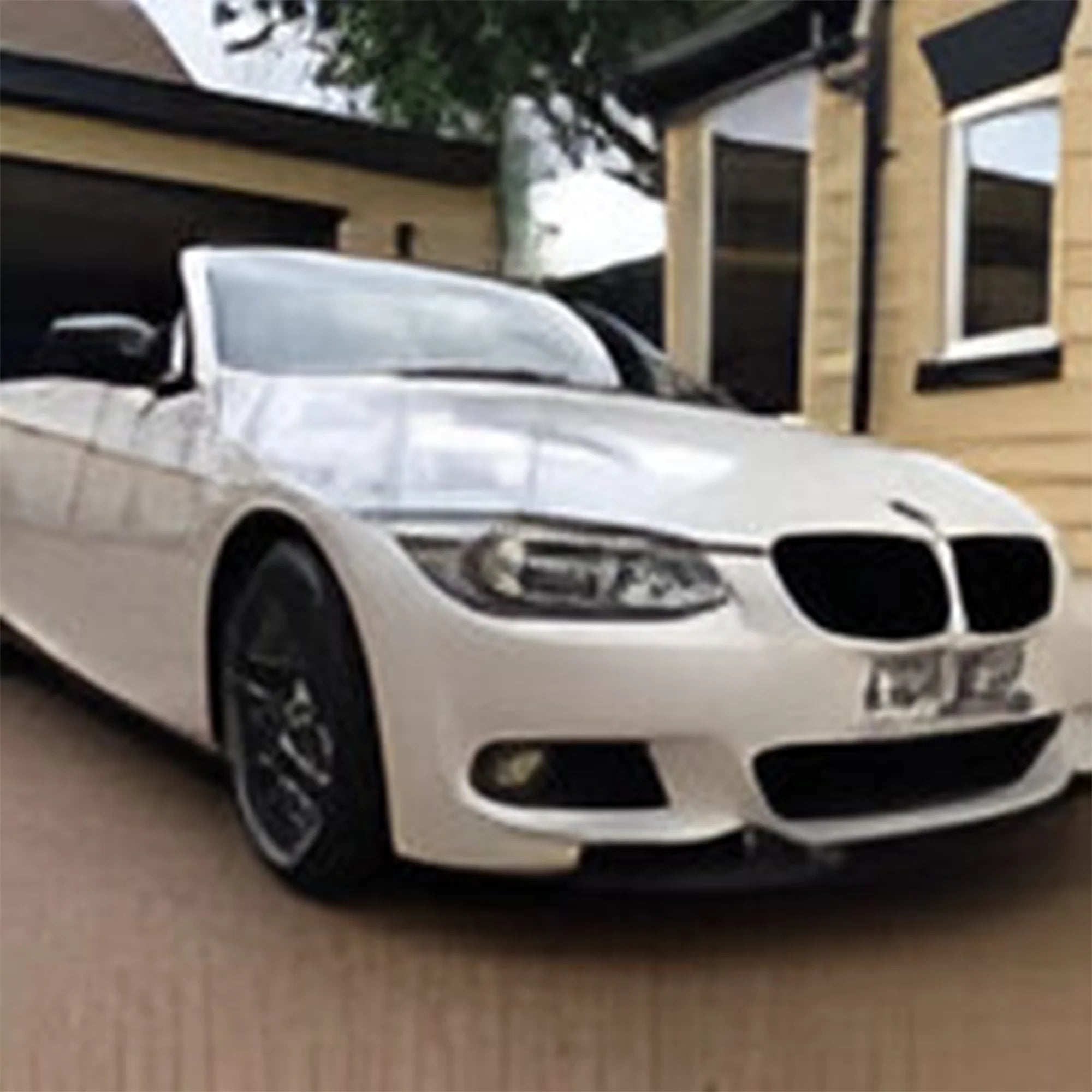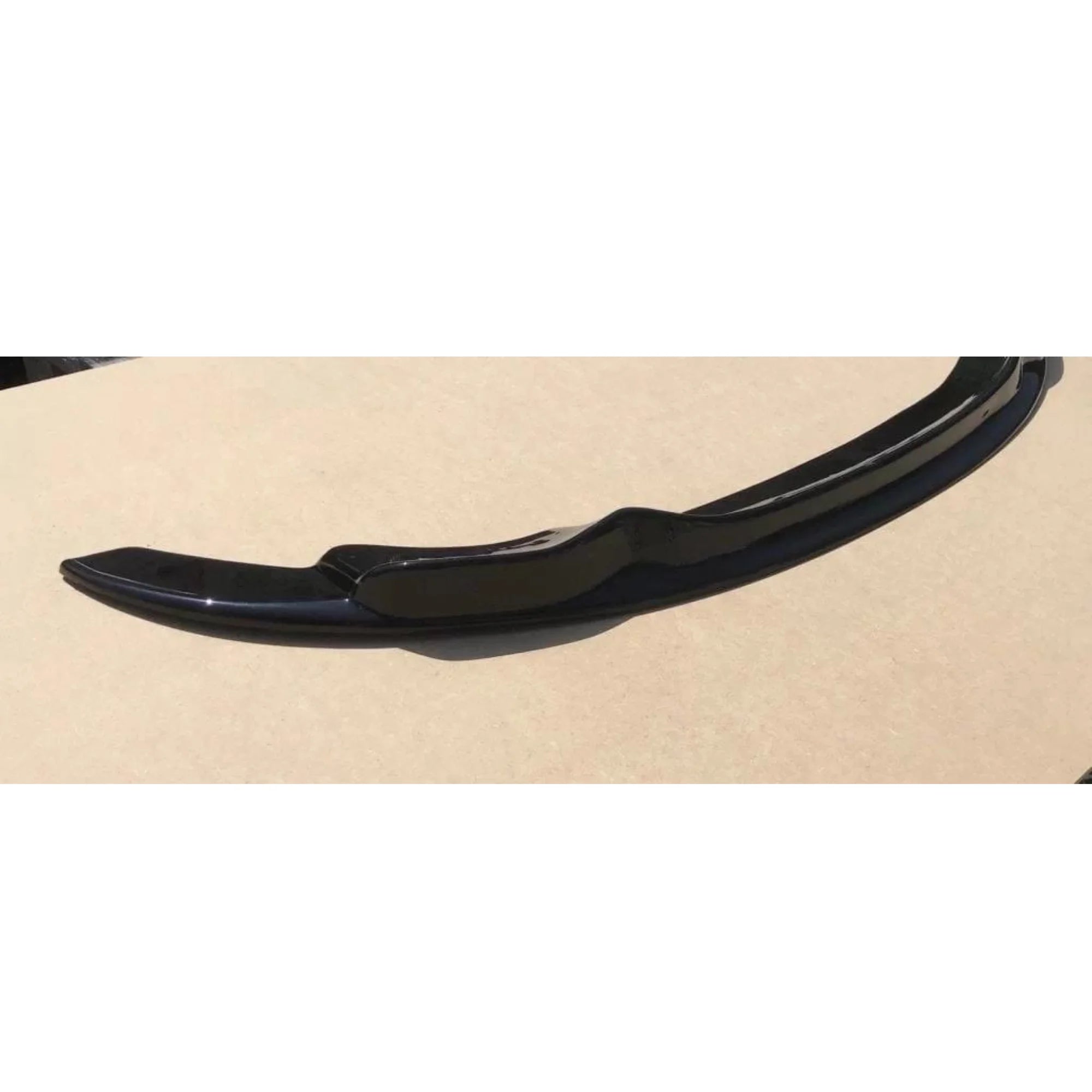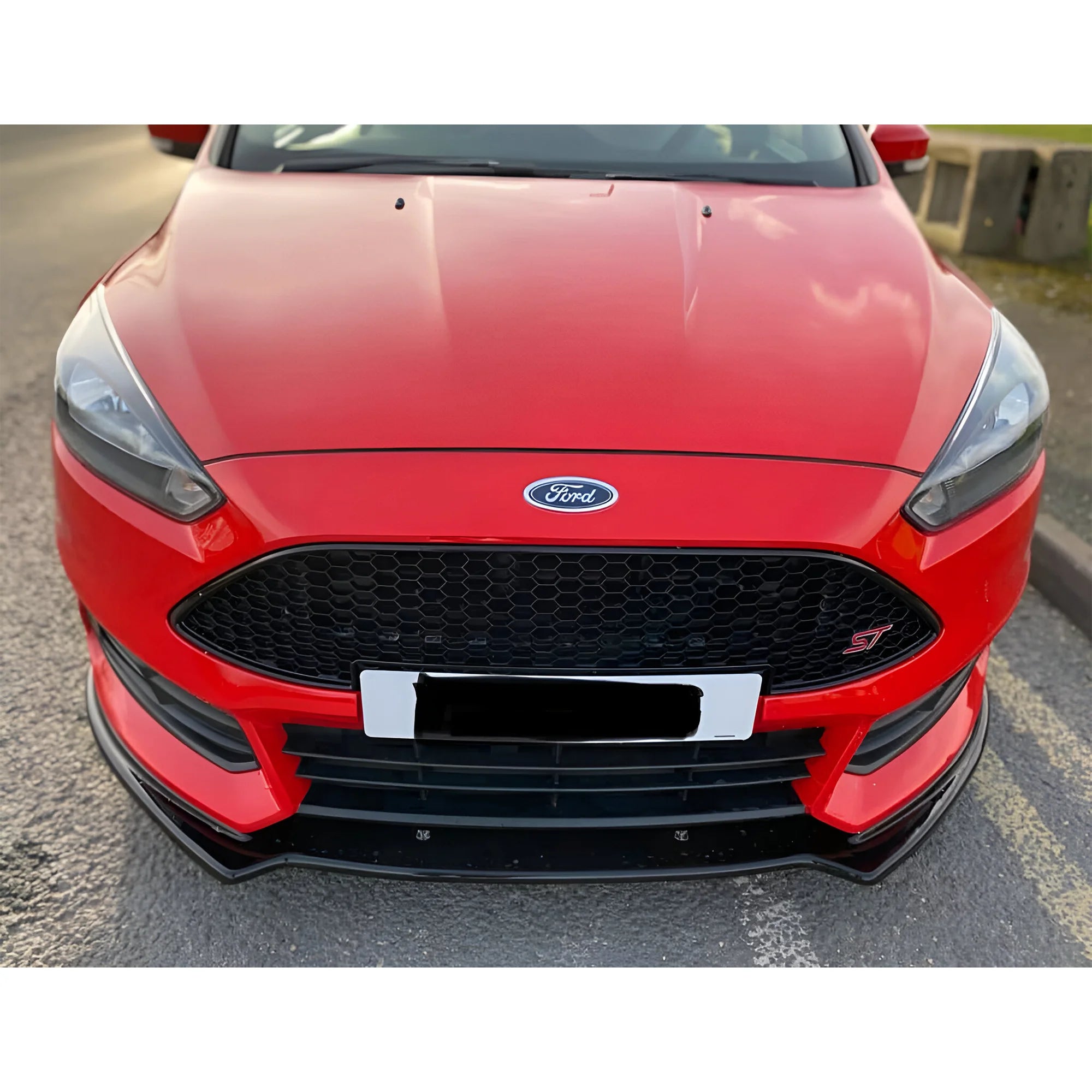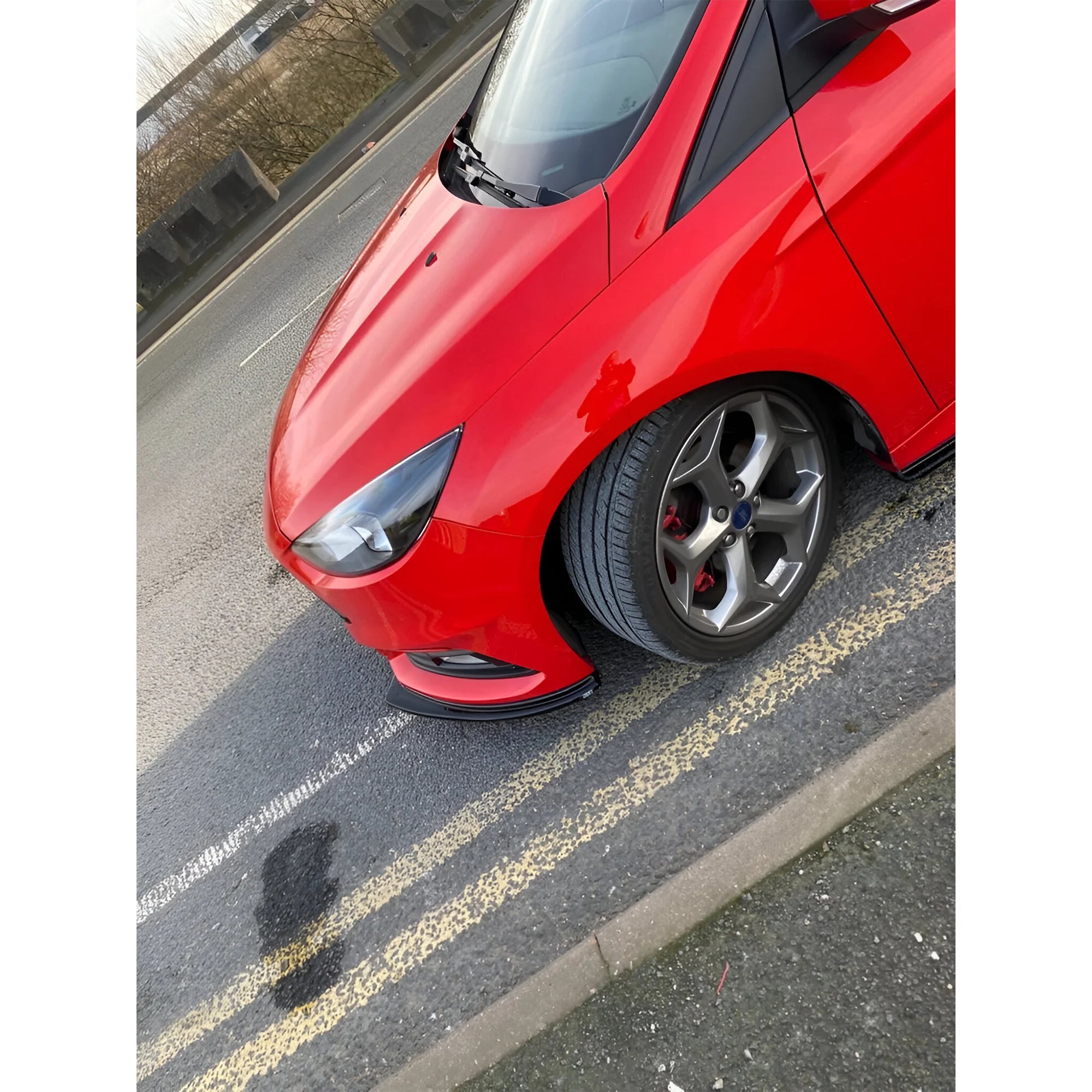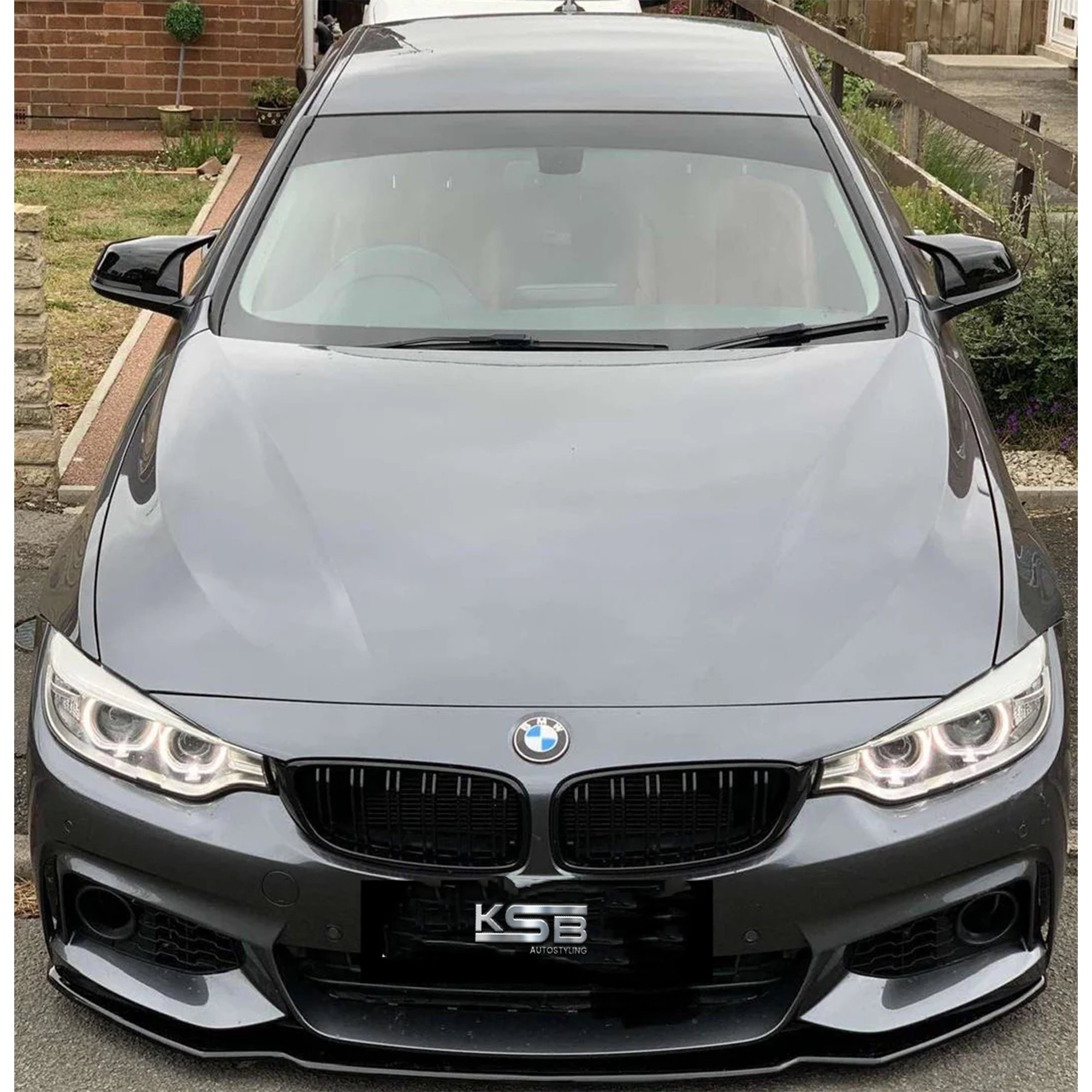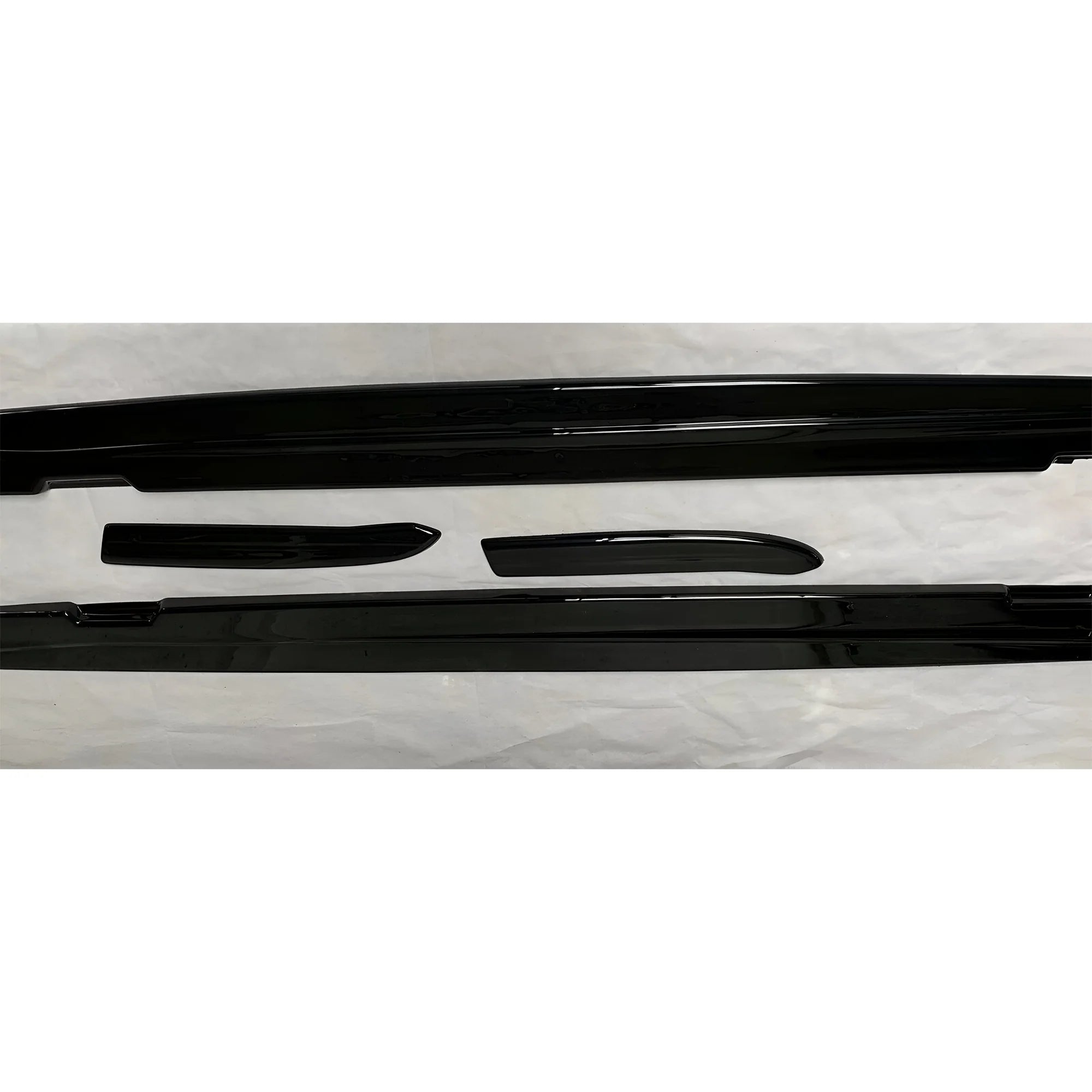


Are Body Kits Legal in the UK? Full Guide
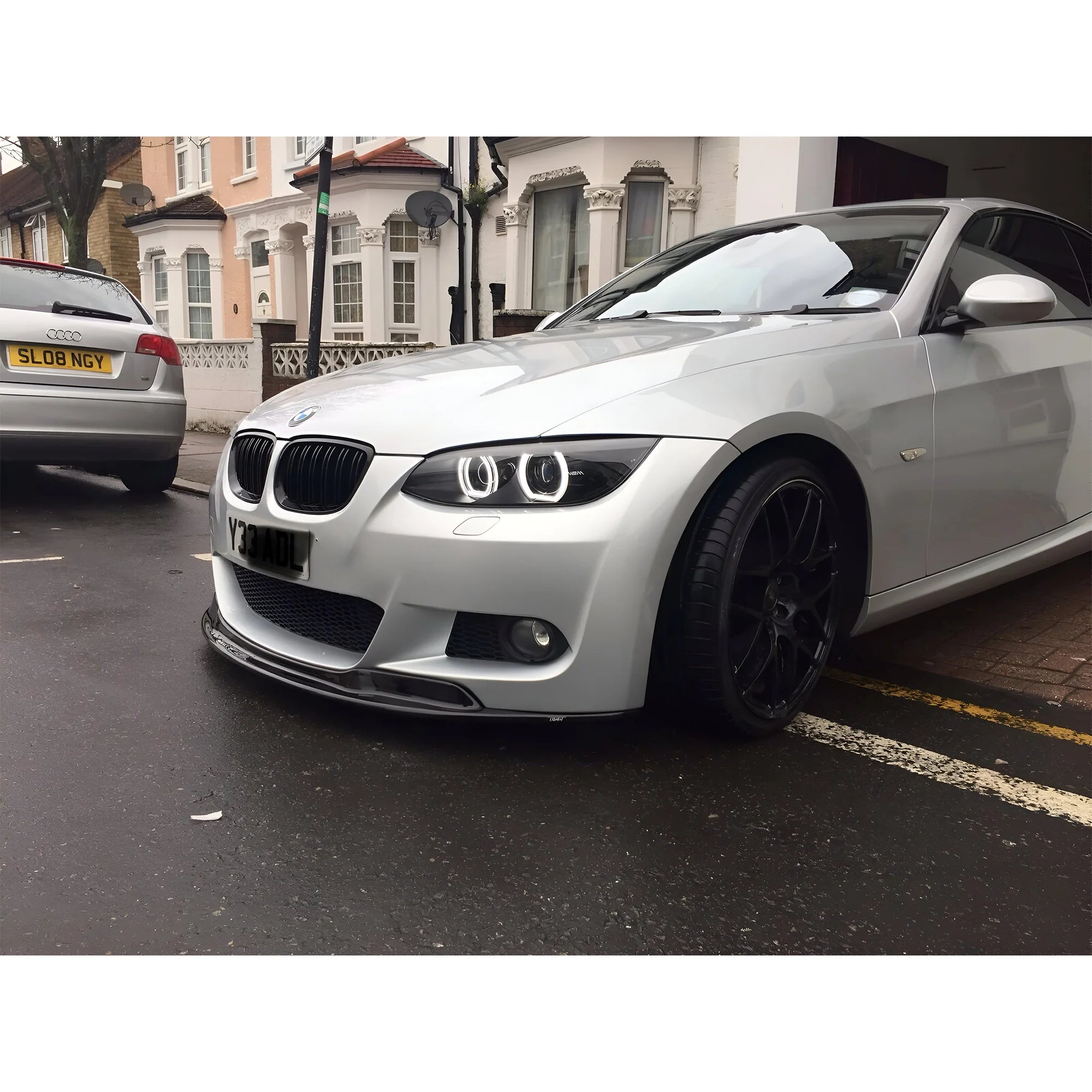
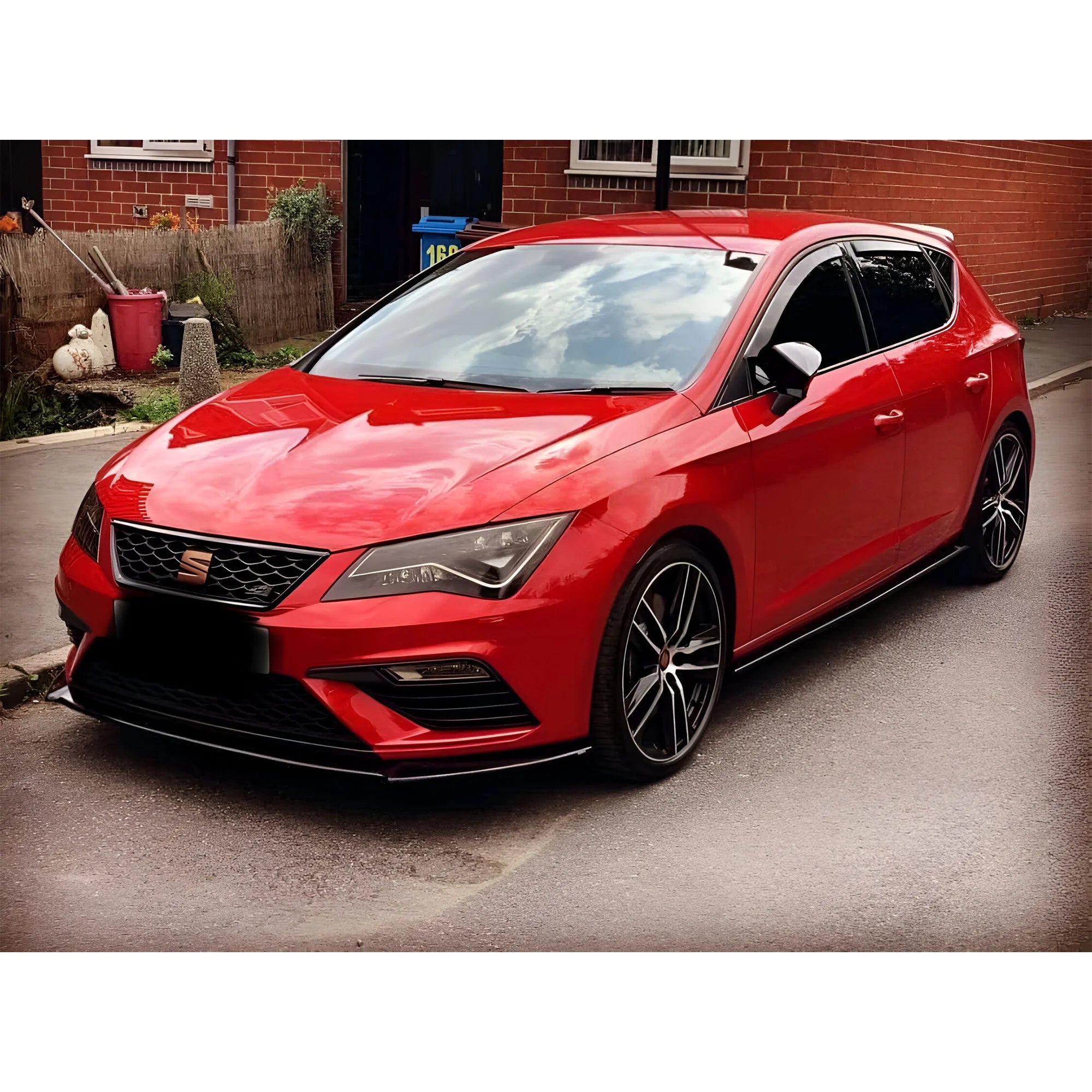
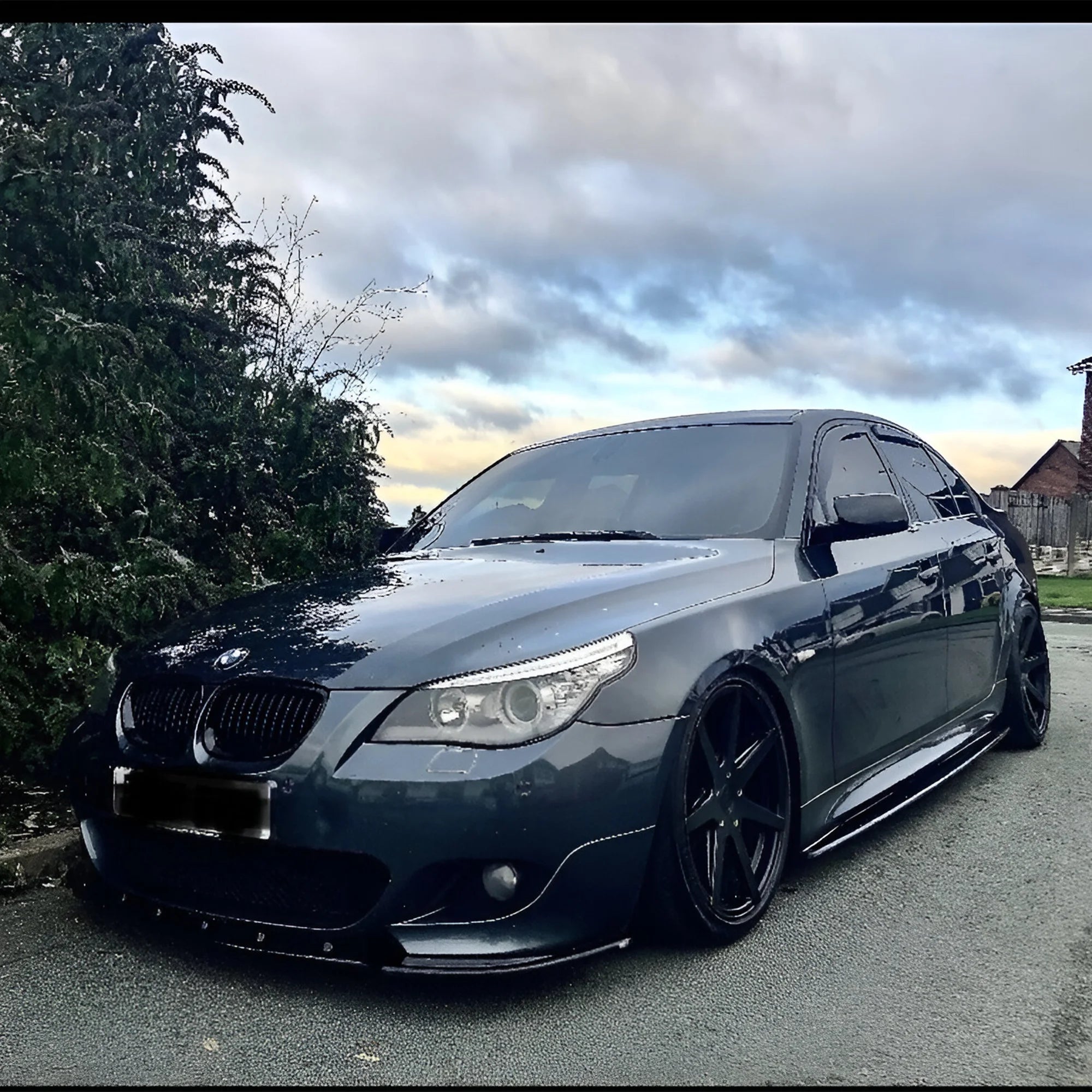
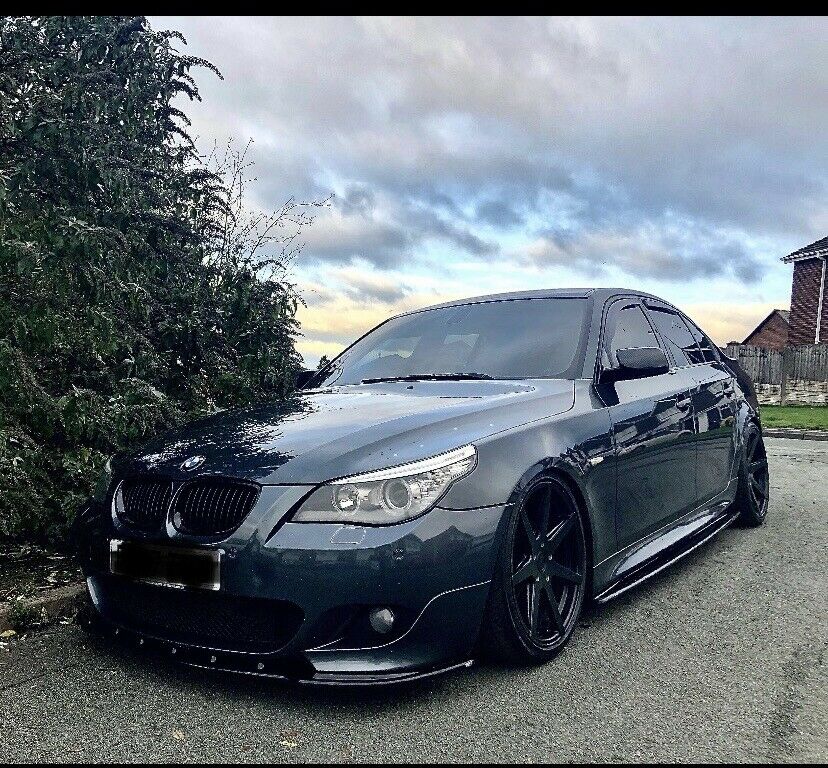
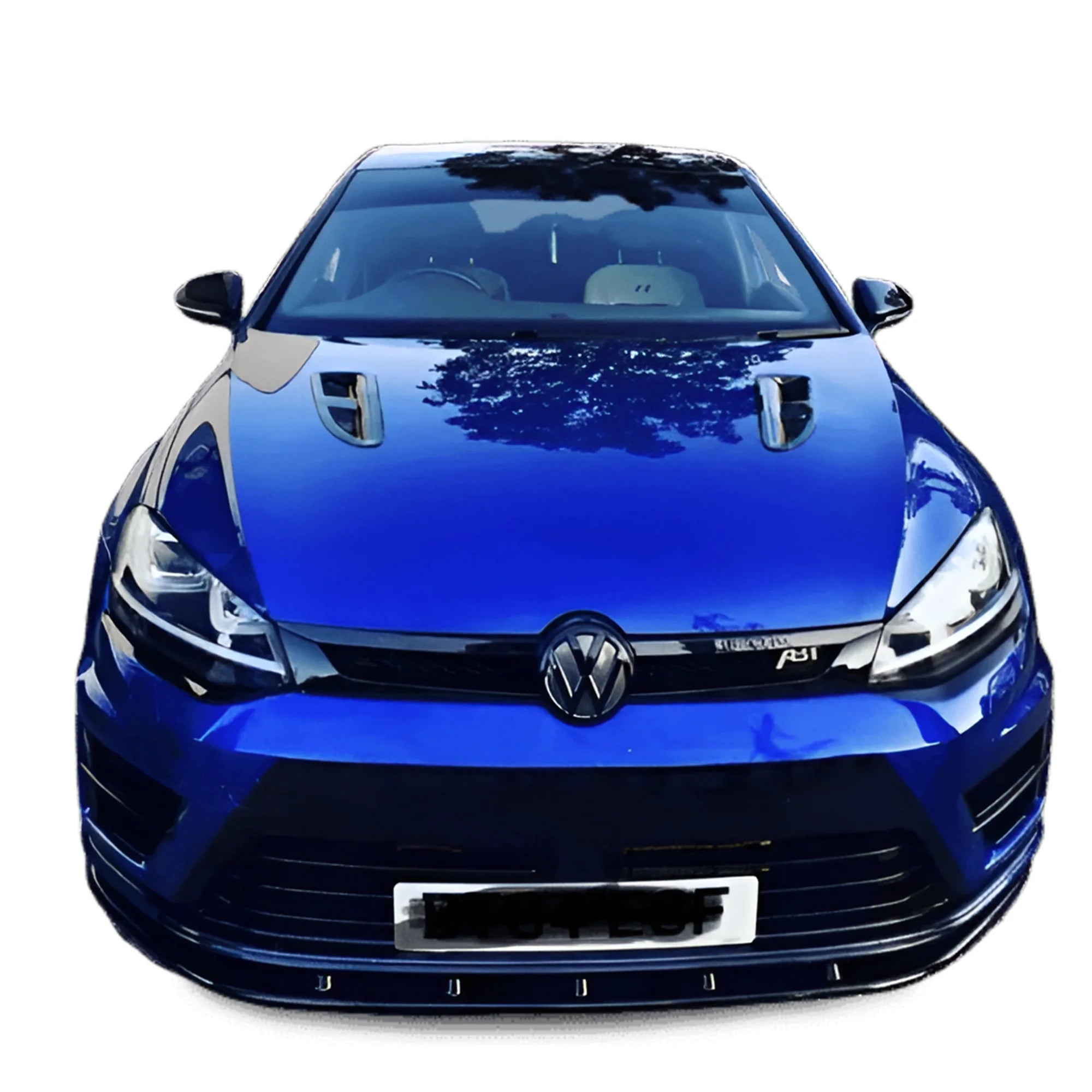
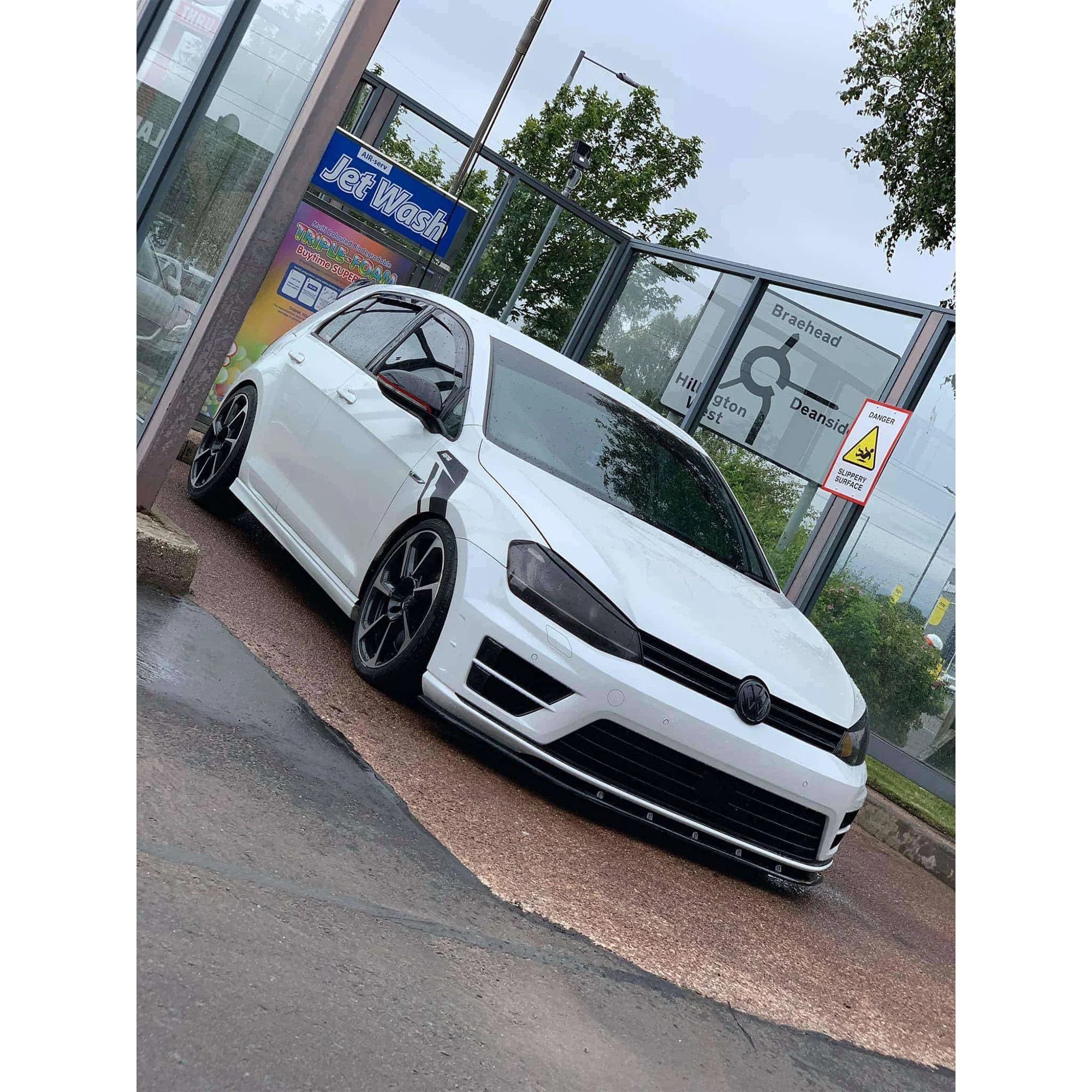
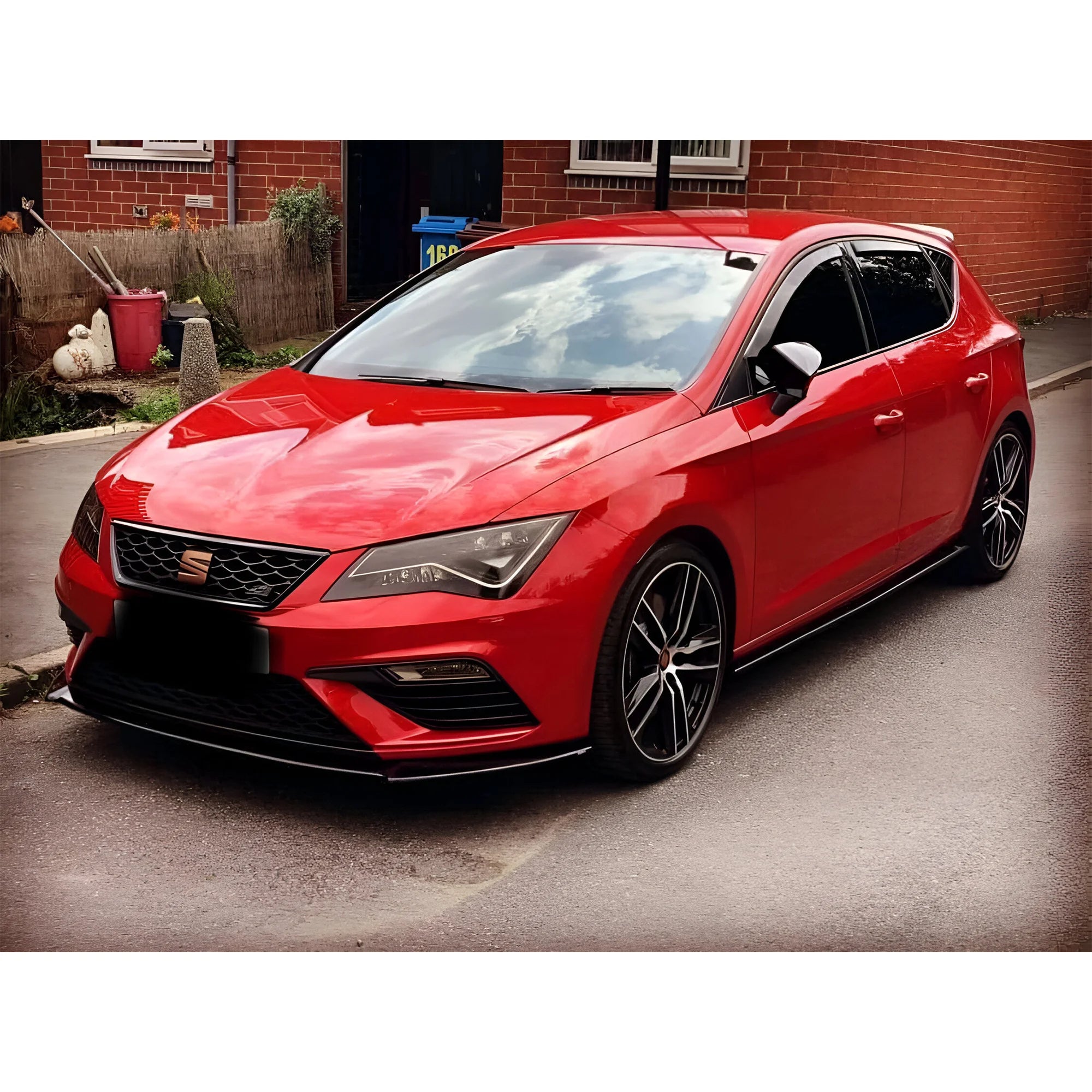
Body kits are legal in the UK, but only when they’re fitted properly and don’t make the car unsafe or unroadworthy. There isn’t a law that outright bans body kits. What matters is how the kit is designed, how it’s installed, whether it affects safety, and whether you’ve handled MOT, insurance, and DVLA requirements correctly. If a body kit creates a hazard, blocks lights or plates, or isn’t declared when it should be, that’s when problems start.
Why the Question “Are Body Kits Legal in the UK” Matters
People searching “are body kits legal in the UK” usually want one thing. A straight answer. Most drivers are worried about three areas. Will the car pass MOT? Will insurance still be valid? Do I need to tell the DVLA? This guide is written to remove uncertainty and give you reliable, real-world clarity.
The Direct Answer
Body kits are legal in the UK if they are securely fitted, do not have sharp or dangerous edges, do not block lights or number plates, do not negatively affect steering or braking, and are correctly declared to insurance providers and the DVLA when required.
What UK Vehicle Law Actually Cares About
UK vehicle regulations are not concerned with styling or appearance. They focus on safety, construction, and roadworthiness. A body kit must be considered illegal when it poses a safety risk or breaches specific rules and regulations. To avoid fines and other penalties, make sure that your car’s body kit is securely attached, not loose, and has no sharp edges or any other dangerous projections. It must not obstruct headlights, indicators, brake lights, reflectors, or the number plate. It must not make the vehicle unsafe to steer, brake, or handle. It must stay within legal size and width limits.
If these conditions are met, both aesthetic body kits and performance body kits are allowed on UK roads.
MOT Rules for Body Kits Explained Clearly
The MOT test does not fail cars because they are modified. It fails cars that are unsafe.
A vehicle can fail an MOT if a bumper, splitter, diffuser, or side skirt is loose or insecure. It can fail if a widebody kit leaves sharp exposed edges. It can fail if body panels obstruct the lights or the number plate. It can also fail if lowering combined with a body kit causes tyre rubbing, suspension interference, or steering restriction.
Professionally applied body kit is well-fitted, highly secure and will most probably pass the MOT without any problems since the MOT testers usually focus on the safety and condition, rather than the visual style.
Insurance Rules for Body Kits in the UK
Insurance is one of the most important legal considerations when fitting a body kit.
Any body kit must be declared to your insurer. This includes cosmetic modifications such as splitters, side skirts, spoilers, and diffusers. Most insurers classify body kits as vehicle modifications. Failure to declare them can invalidate your insurance policy and lead to rejected claims.
Insurers assess modifications because they can increase repair costs, theft risk, or accident risk. In many cases, declaring a body kit results in only a small premium adjustment. Not declaring it can leave you completely uninsured.
Always inform your insurer before fitting a body kit or immediately after installation.
DVLA Rules and When You Must Notify Them
You do not need to notify the DVLA for bolt-on body kits that do not alter the vehicle’s structure.
You must notify the DVLA if the modification involves cutting or welding the chassis or bodyshell. You must also notify them if the vehicle’s structural dimensions are permanently altered or if the car is rebuilt into a kit car or replica.
Structural changes may require a Modified Vehicle Report and, in some cases, an Individual Vehicle Approval test. If you are unsure whether your modification counts as structural, a professional installer can advise you before work begins.
Are Widebody Kits Legal in the UK
Widebody kits are legal in the UK when fitted correctly.
They must not exceed legal width limits. They must properly cover the tyres. They must be securely mounted. They must not interfere with steering, suspension movement, or wheel clearance.
Poorly fitted widebody kits with exposed tyres or sharp arch extensions are a common reason for MOT failure and roadside enforcement issues.
Ride Height, Splitters, and Diffusers
Lowering a car alongside a body kit is legal if the vehicle remains safe to drive and handle.
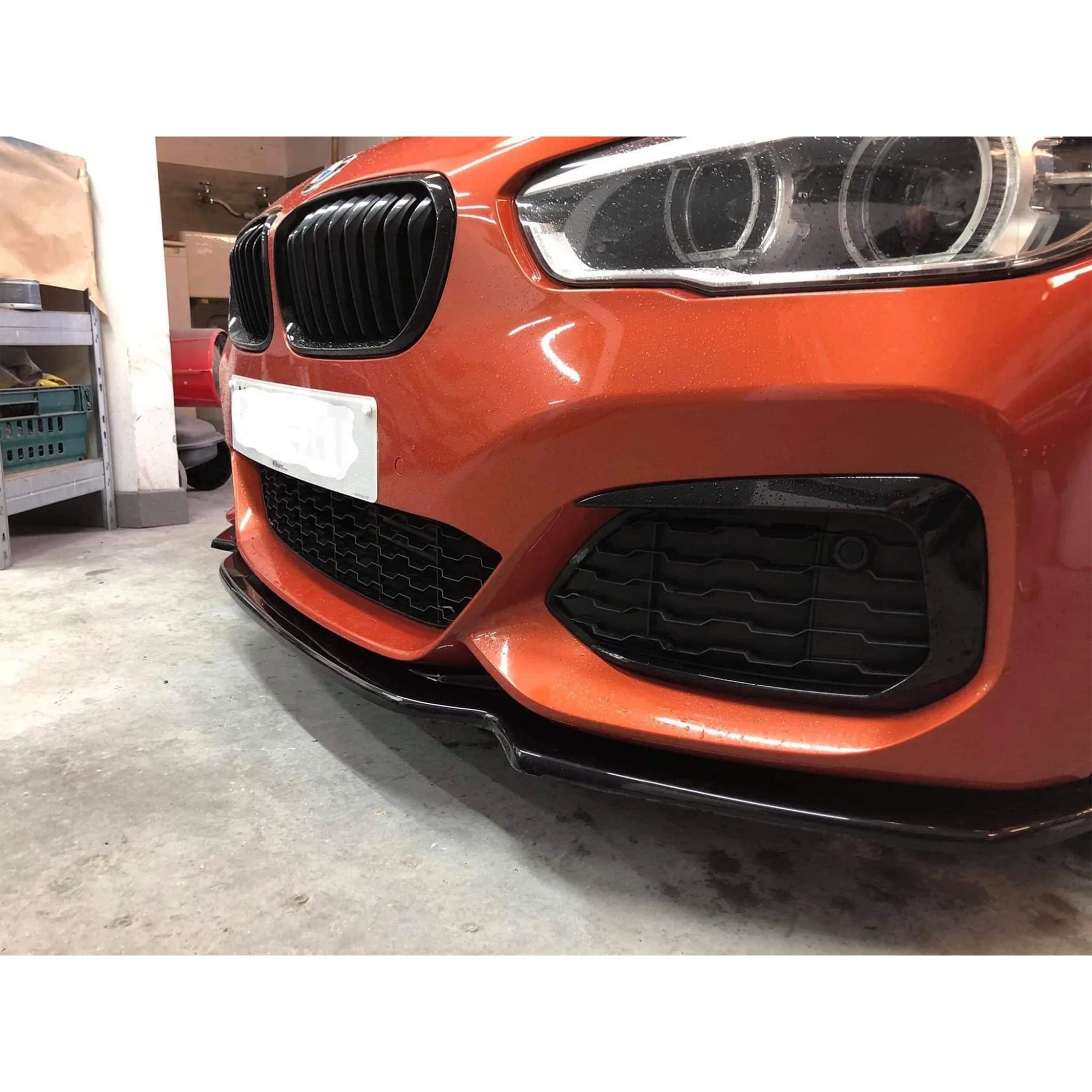
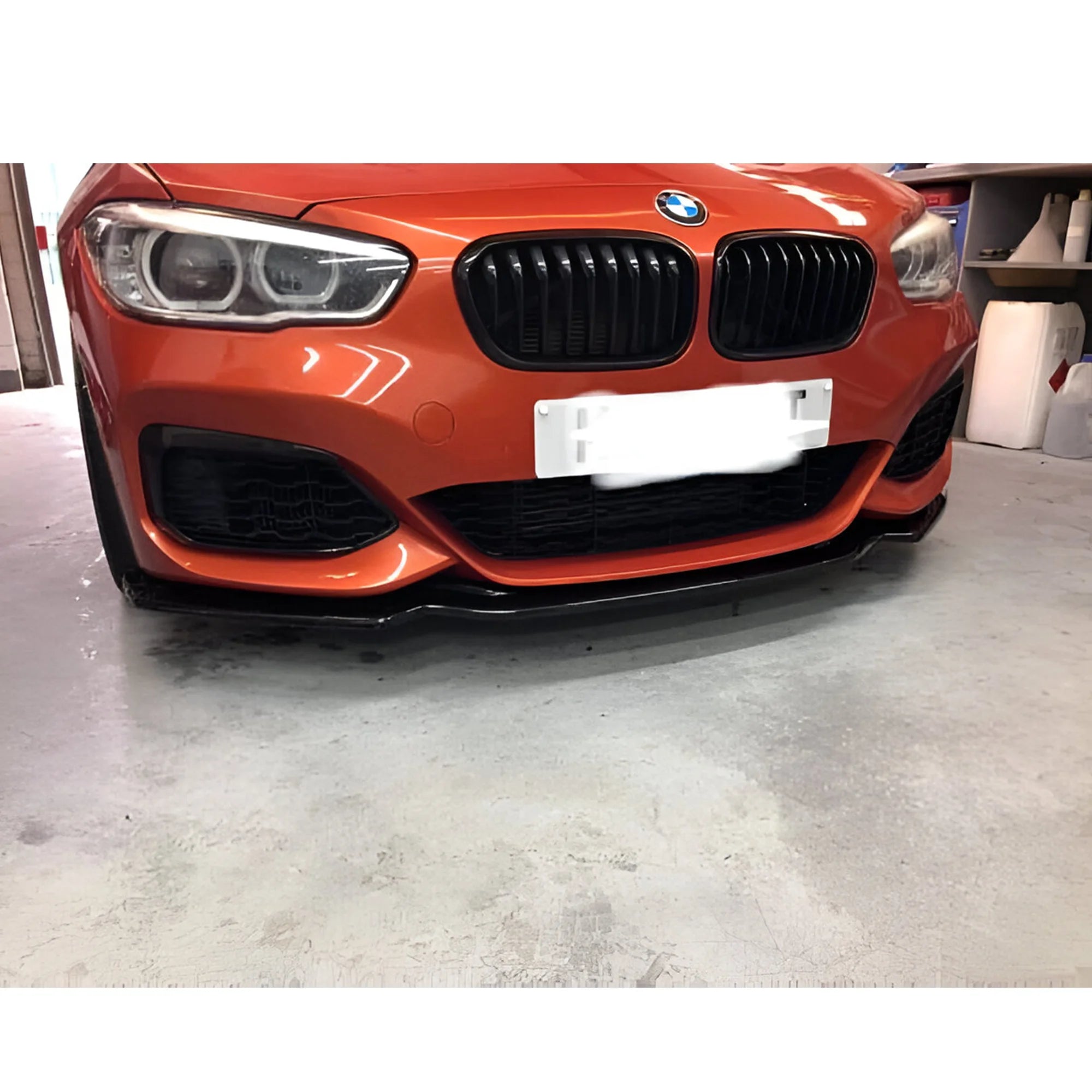
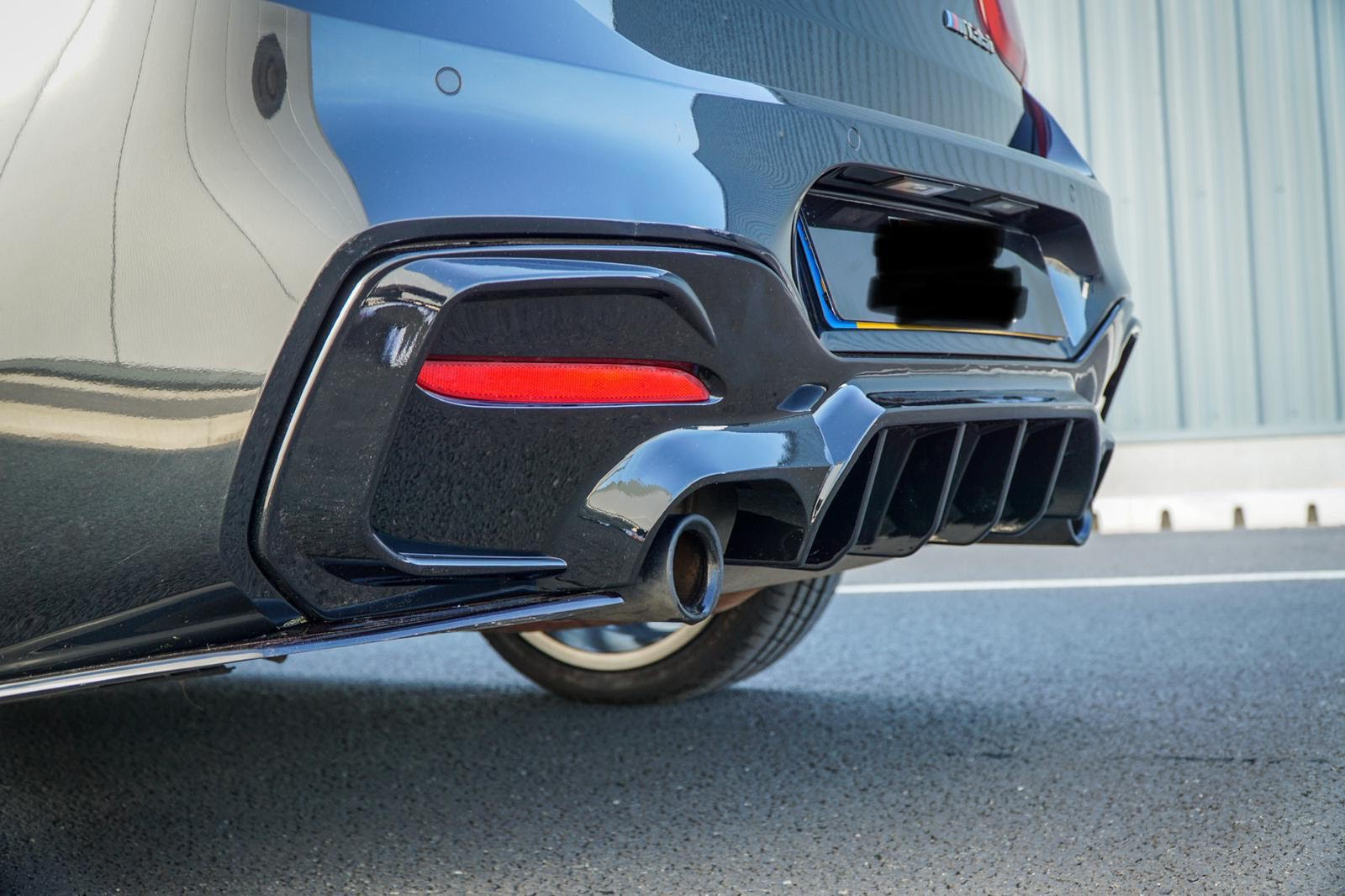
Front splitters and rear diffusers are legal if they are securely fitted, do not protrude dangerously, and do not scrape excessively during normal road use. However, if a splitter is loosened, it is classified as dangerous, which ultimately leads to an MOT failure.
Lighting and Number Plate Compliance
Illegal modifications like tinted headlight covers, smoked brake lights, blocked indicators, hidden reflectors, or obstructed number plates. These are considered illegal because they interfere with the required lighting. The number plate must remain clearly visible and positioned correctly at all times.
Additional styling lights must comply with UK lighting regulations and must not distract or confuse other road users.
When Does IVA Apply to Body Kits
Most standard body kits do not require an Individual Vehicle Approval test. IVA is normally applied only to heavily modified cars in which the original structure has been significantly altered or rebuilt.
If your vehicle no longer matches its original construction due to extensive modification, you may require an IVA before it can be legally driven on the road.
Body Styling Products from KSB Auto Styling
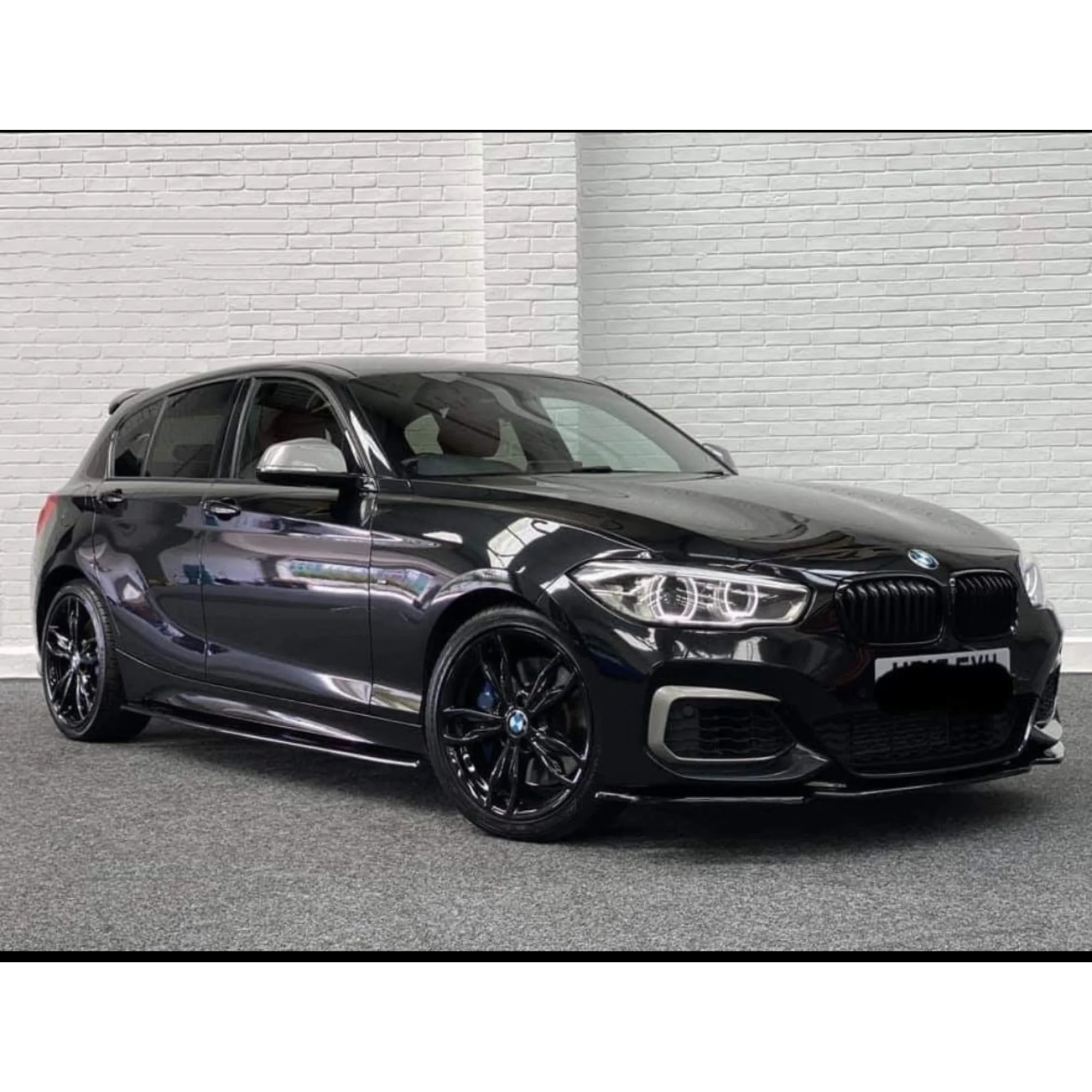
KSB Autostyling offers professional car styling solutions, including front splitters, rear diffusers, side skirts, spoilers, and other exterior upgrades. Their products are developed with secure fitment and everyday road use in mind. When installed correctly, these upgrades allow drivers to enhance appearance while maintaining MOT compliance, insurance transparency, and practical usability.
Body Kits Legal Requirements
|
Area |
Legal Requirement |
|
MOT |
It is a secure fitment with no safety risks |
|
Insurance |
All body kits must be declared |
|
DVLA |
It is required only for structural changes |
|
Lighting |
Lights and plates must remain visible |
|
Fitment |
No sharp edges or loose panels |
Final Takeaway
Body kits are not illegal in the UK, but unsafe, poorly fitted, or undeclared modifications are illegal and may be punished to some extent. However, professional installation is your safest choice, along with full insurance disclosure, and adherence to MOT and DVLA guidelines. If you follow the above instructions, you can enjoy enhanced styling or aerodynamic upgrades while remaining fully road-legal and protected.
FAQs
Q1: Are body kits legal in the UK?
Yes, body kits are legal in the UK if they are safely fitted and comply with MOT, insurance, and DVLA regulations.
Q2: Can a body kit fail an MOT?
A body kit can fail an MOT if it is loose, unsafe, has sharp edges, blocks lights, or interferes with steering or braking.
Q3: Do I need to tell my insurance company about a body kit?
Yes, all body kits must be declared to your insurer. Failure to declare can invalidate your policy.
Q4: Do I need to inform the DVLA about fitting a body kit?
You only need to inform the DVLA if the modification involves structural changes to the vehicle.
Q5: Are widebody kits street legal in the UK?
Widebody kits are legal if they stay within width limits, cover tyres correctly, and are safely installed.