
Do Body Kits Affect Car Insurance in the UK? Premiums, Declarations & Cover
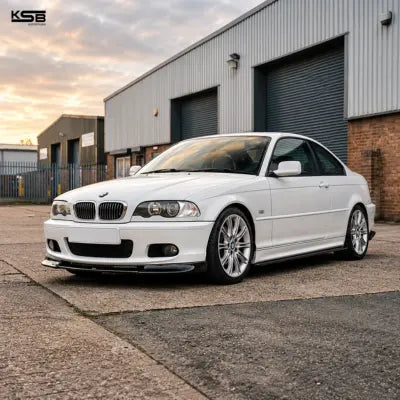
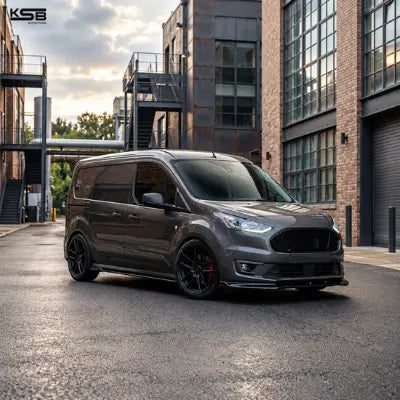
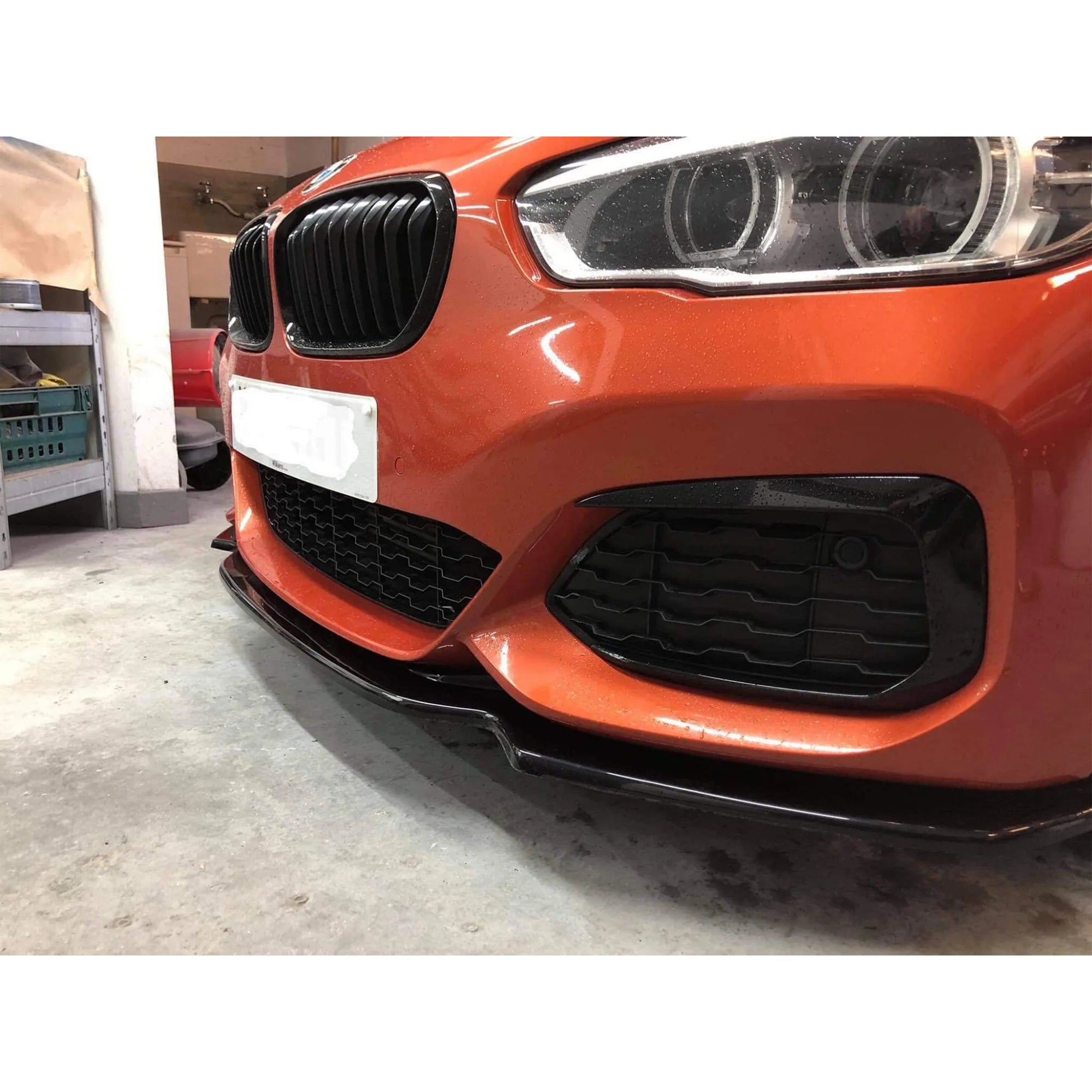
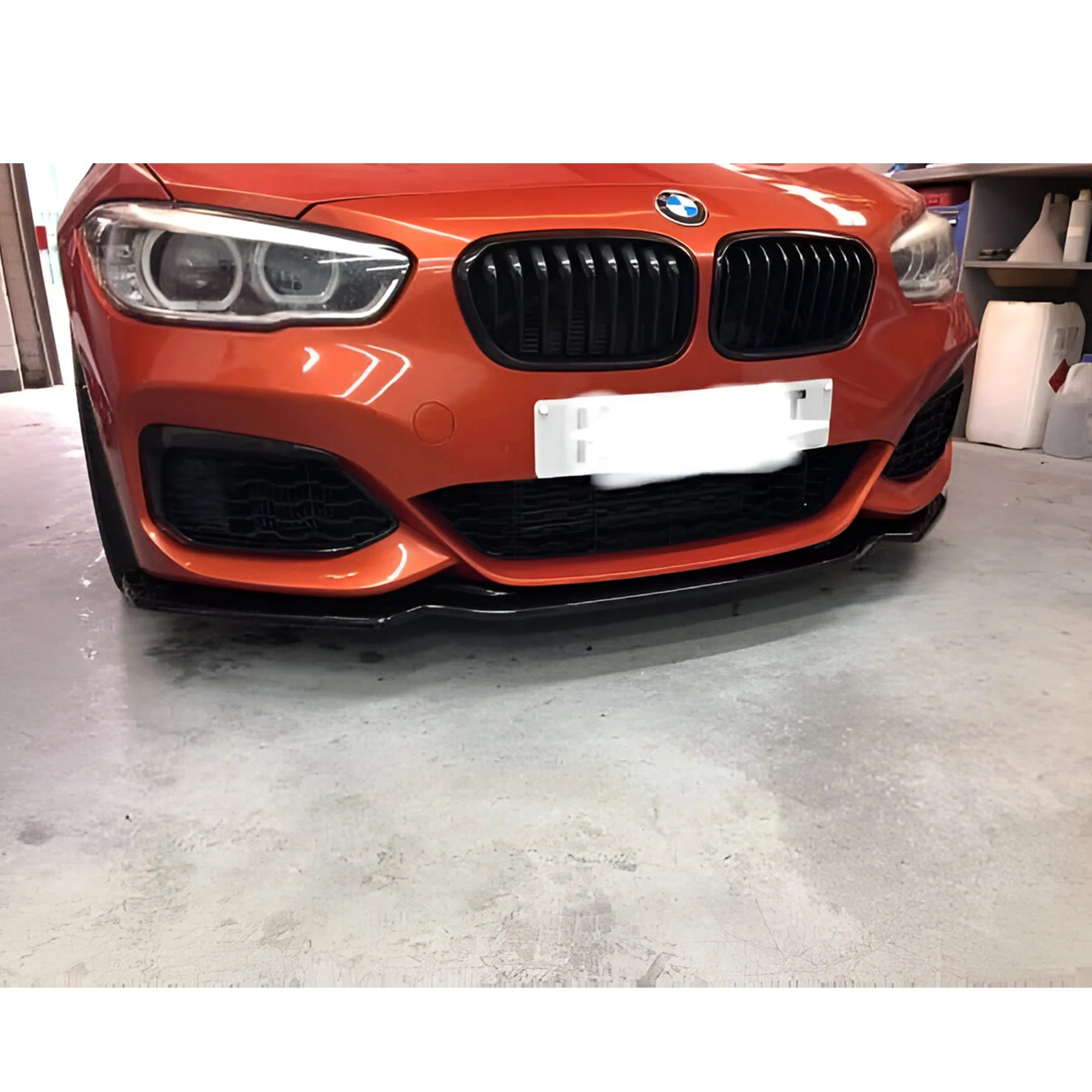
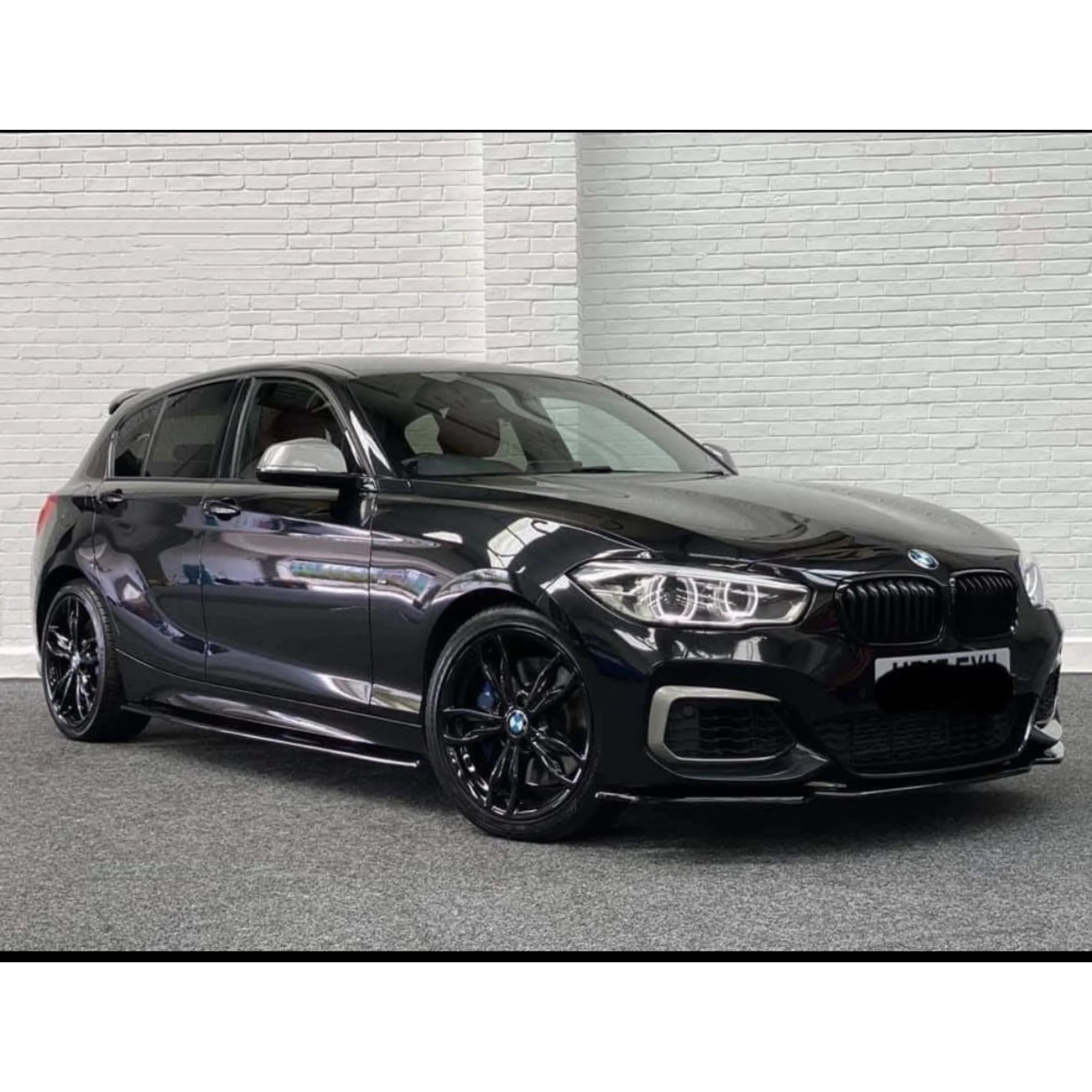
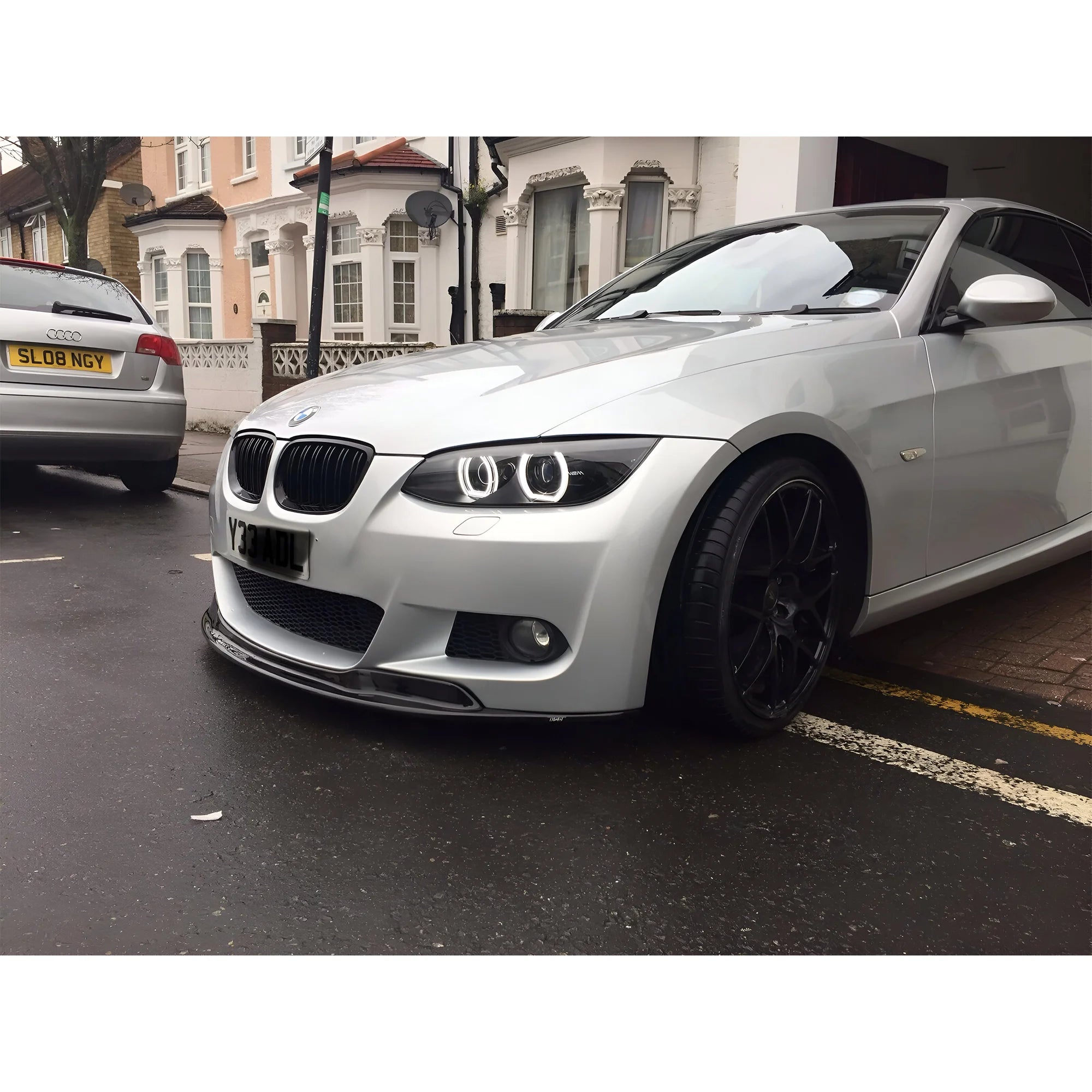
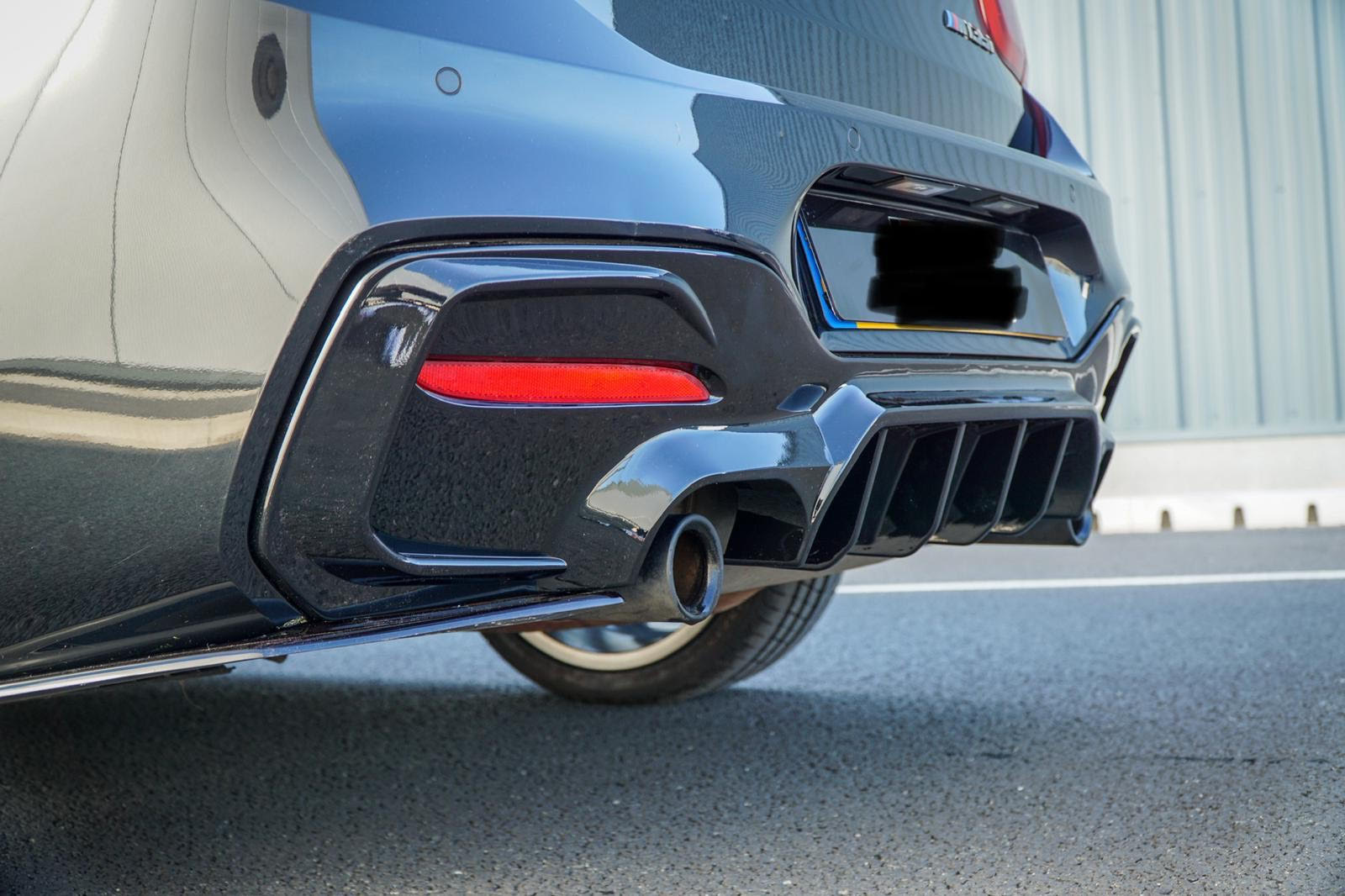
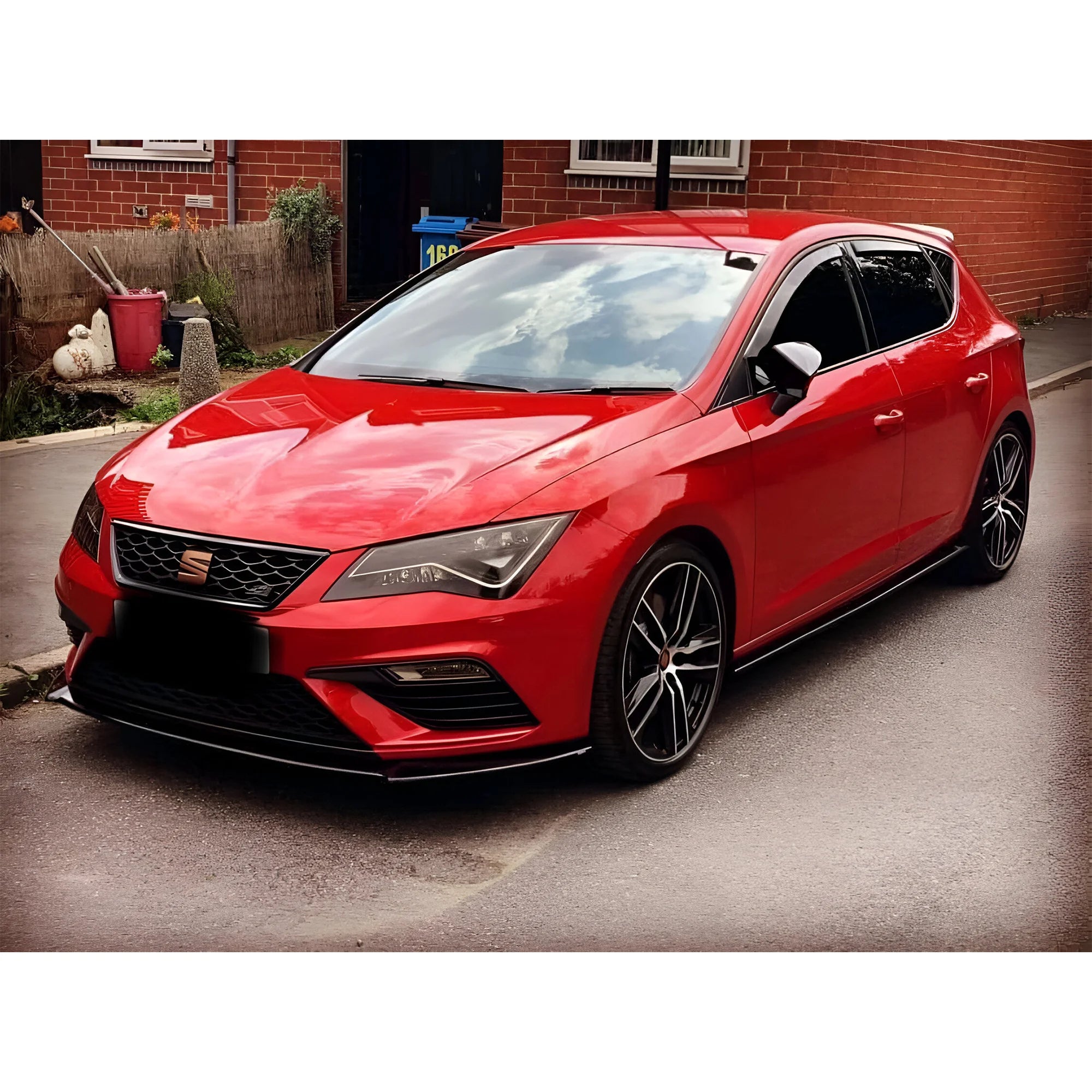
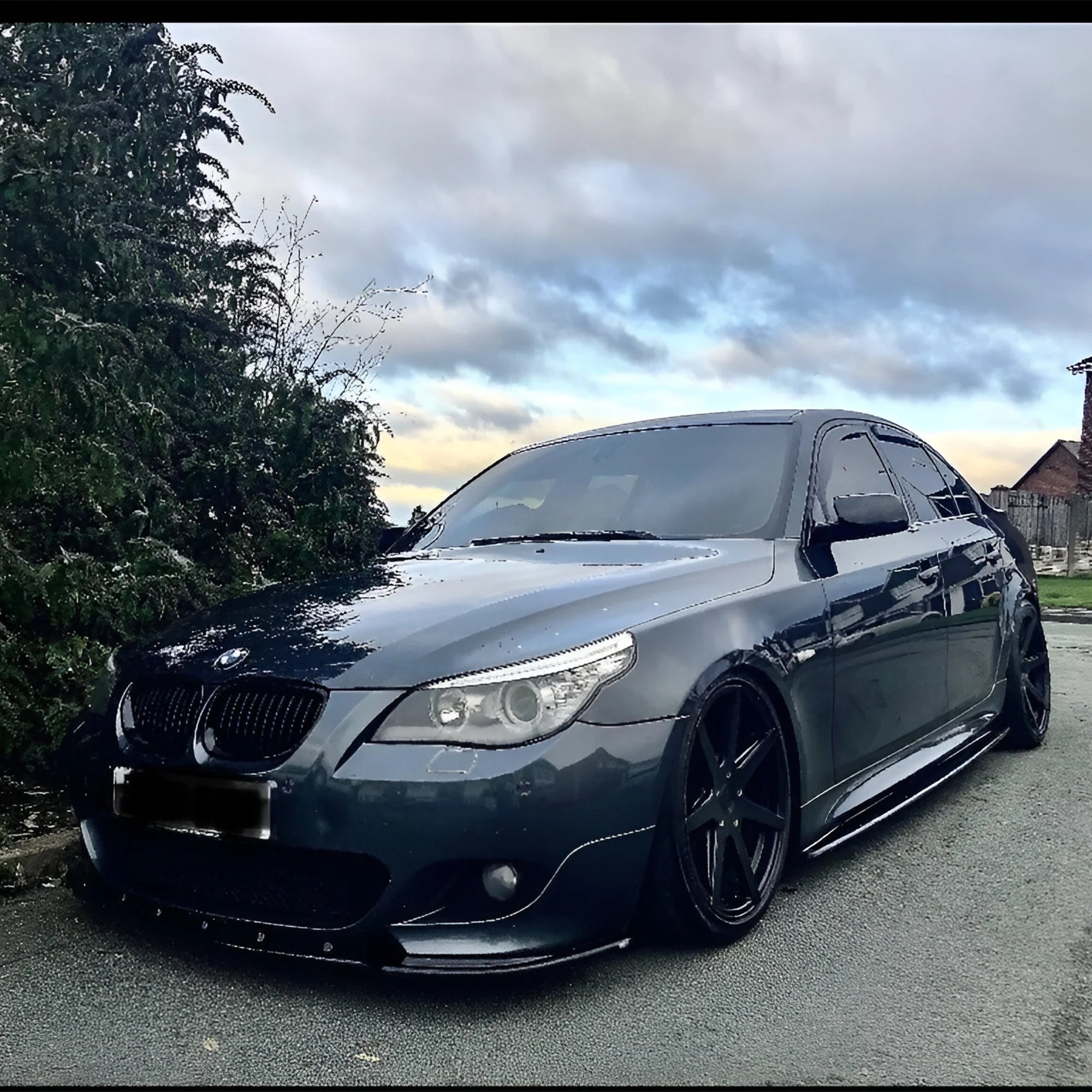
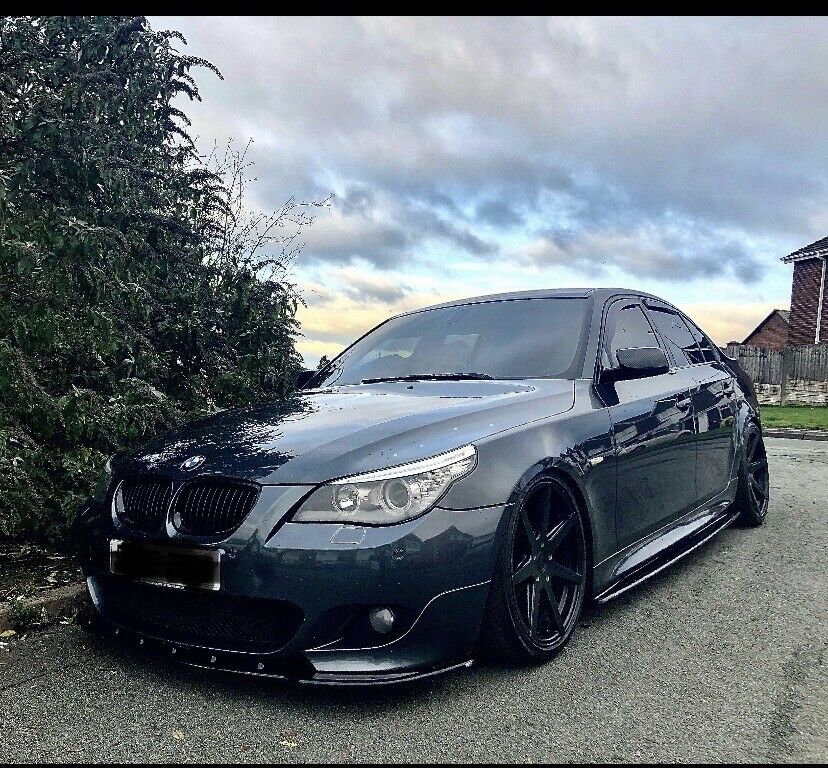
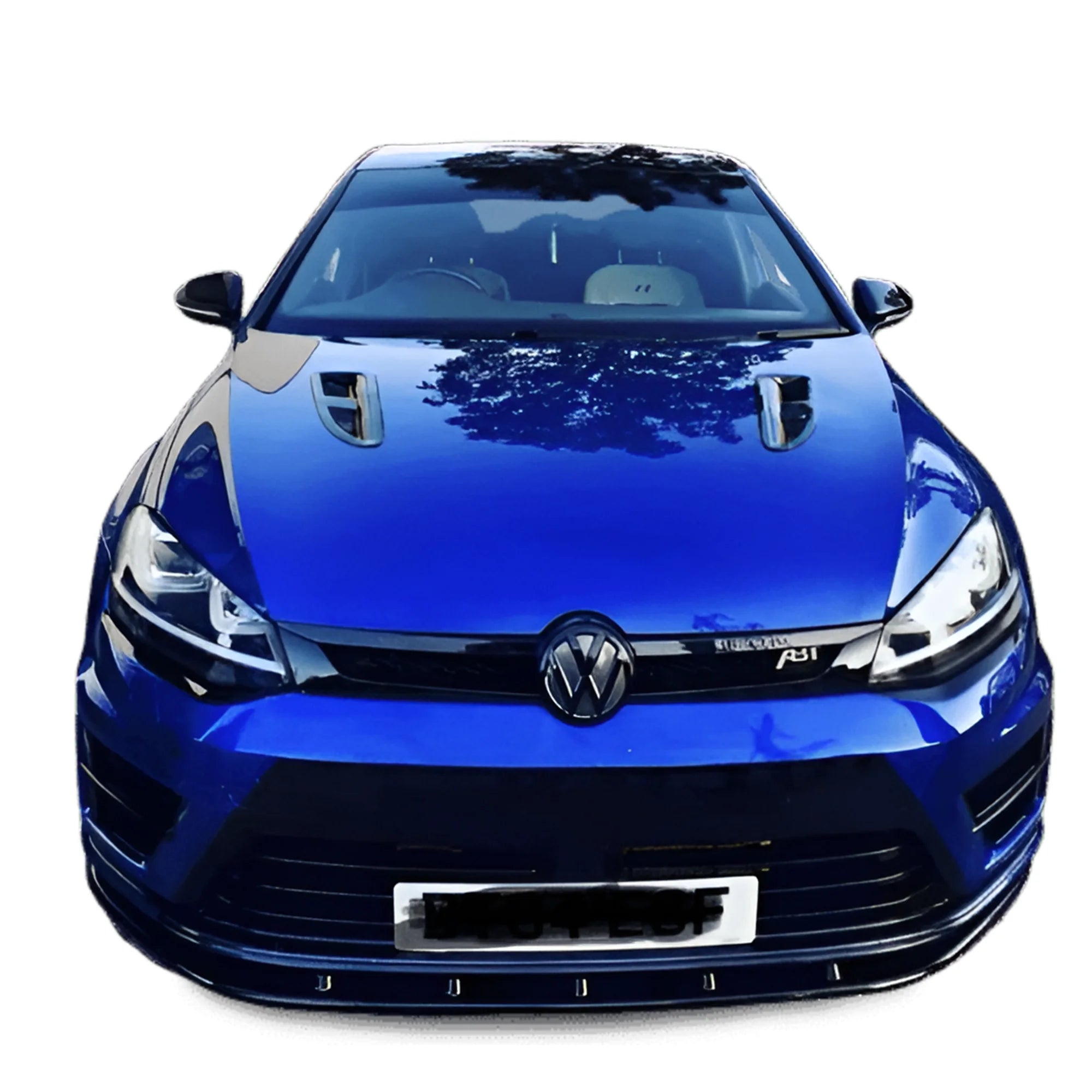
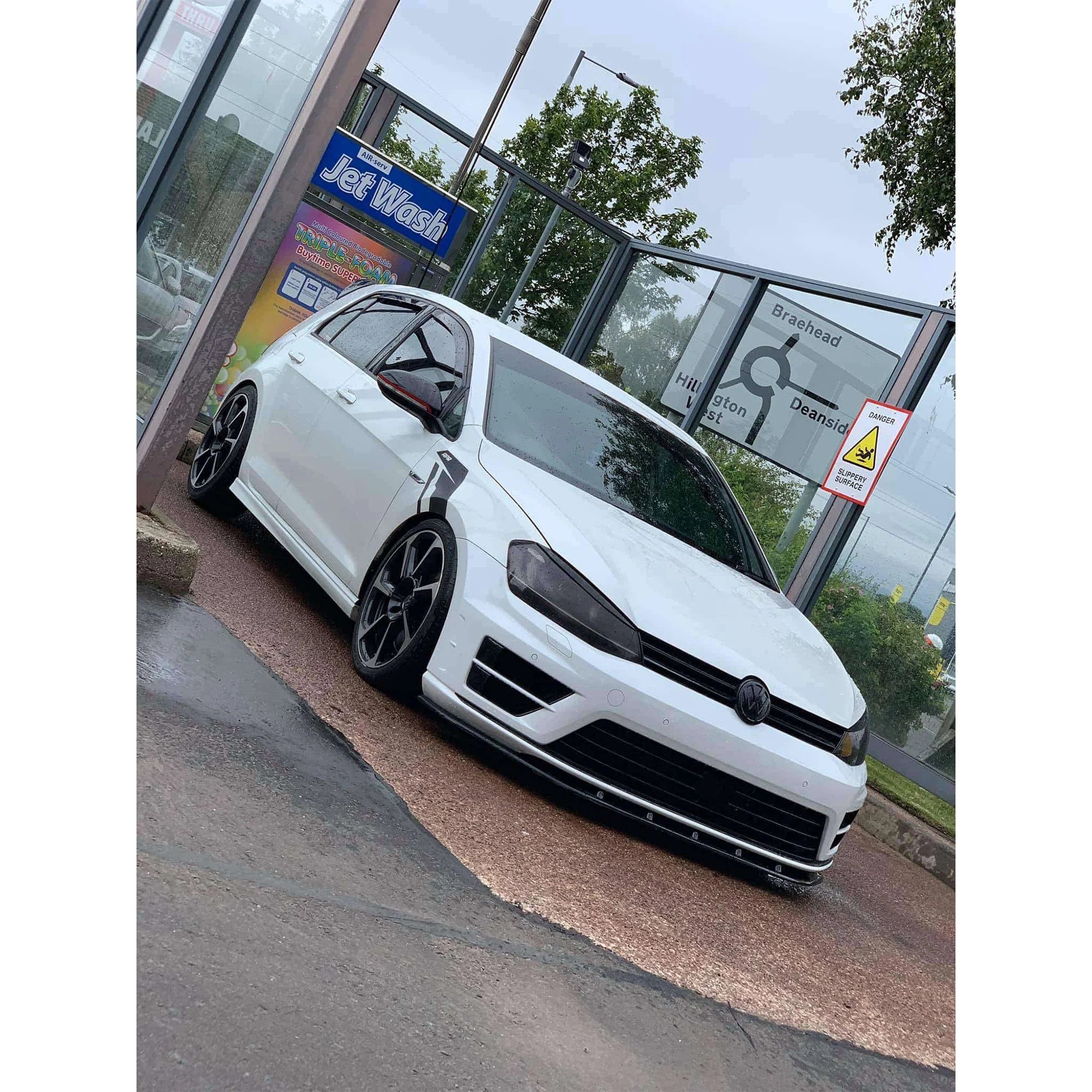
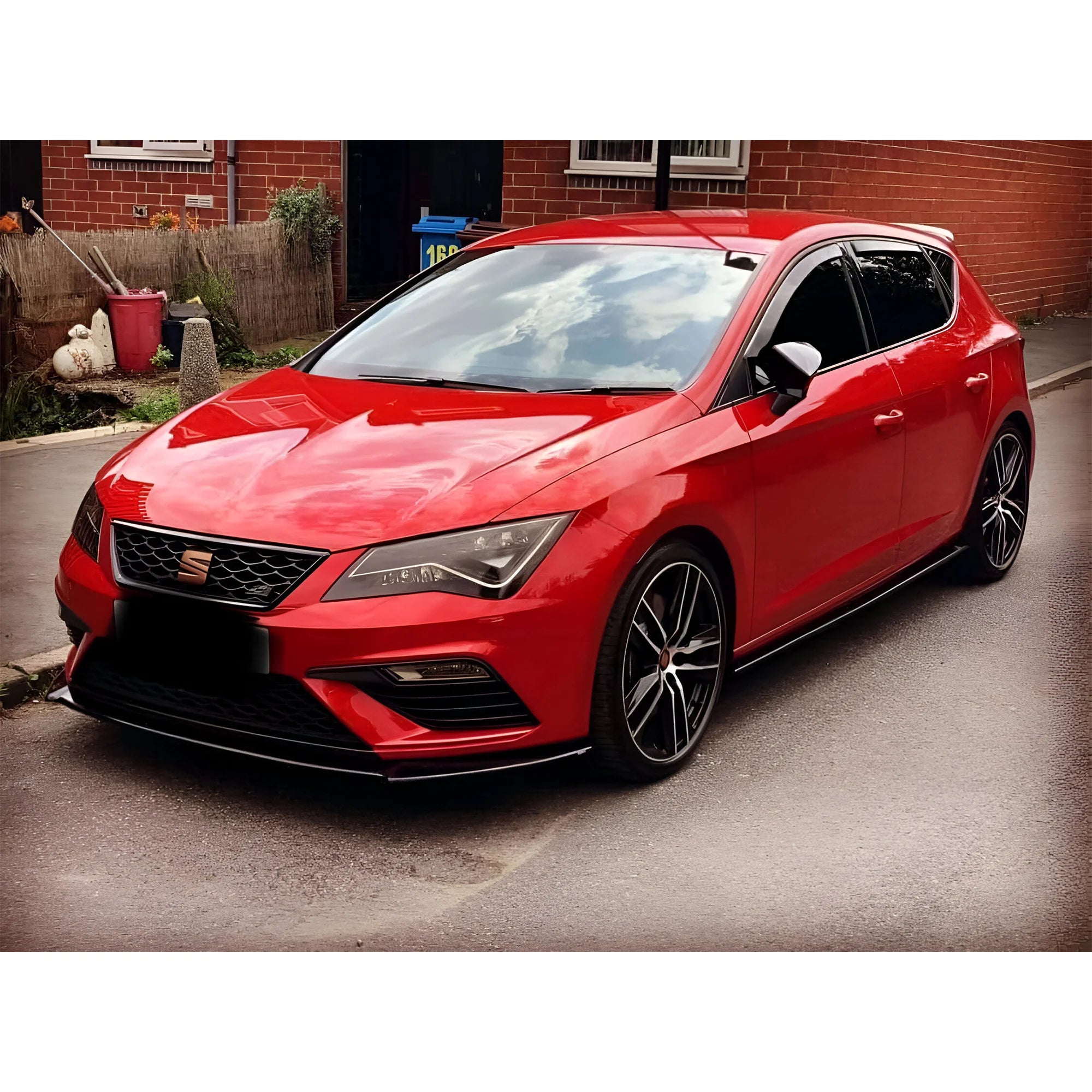
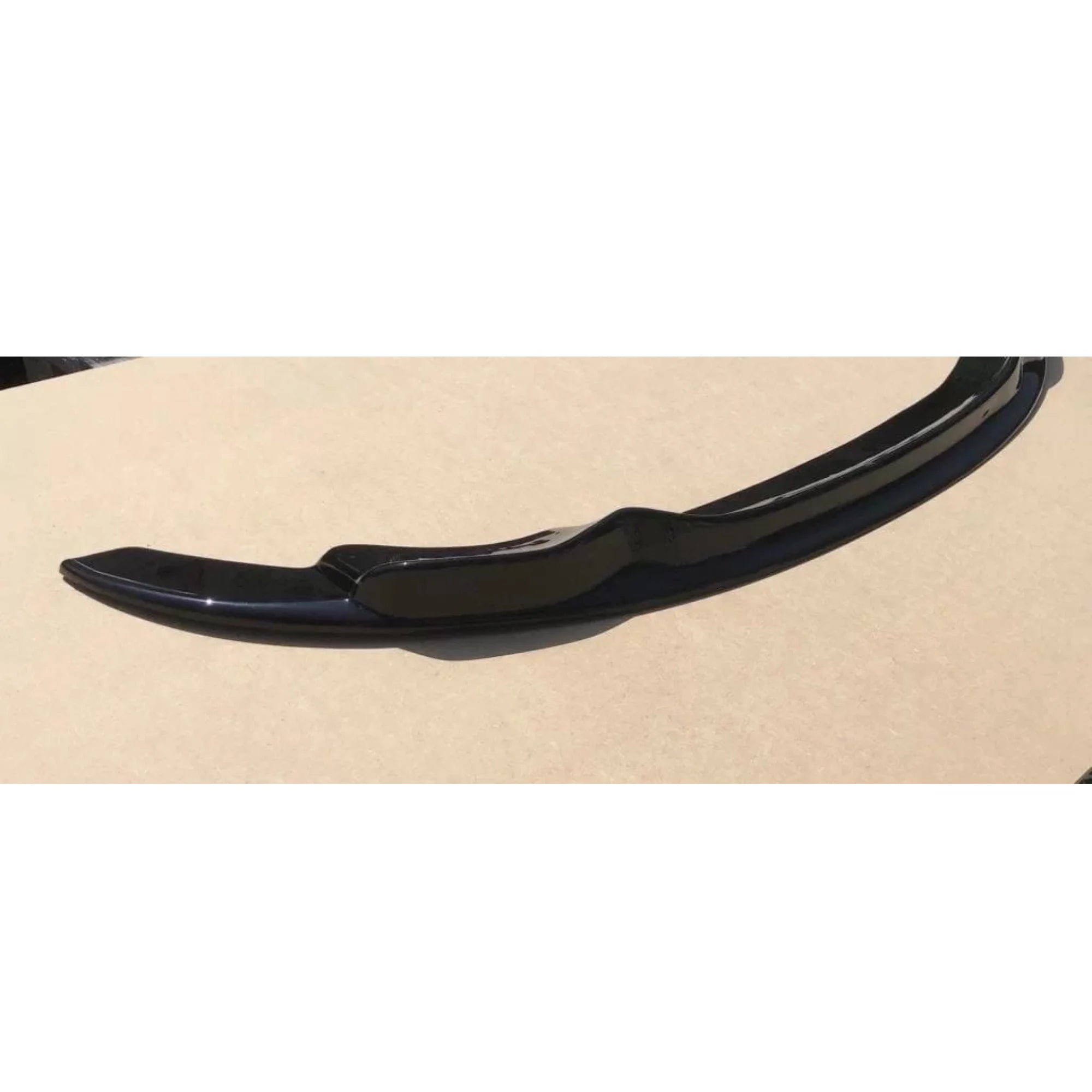
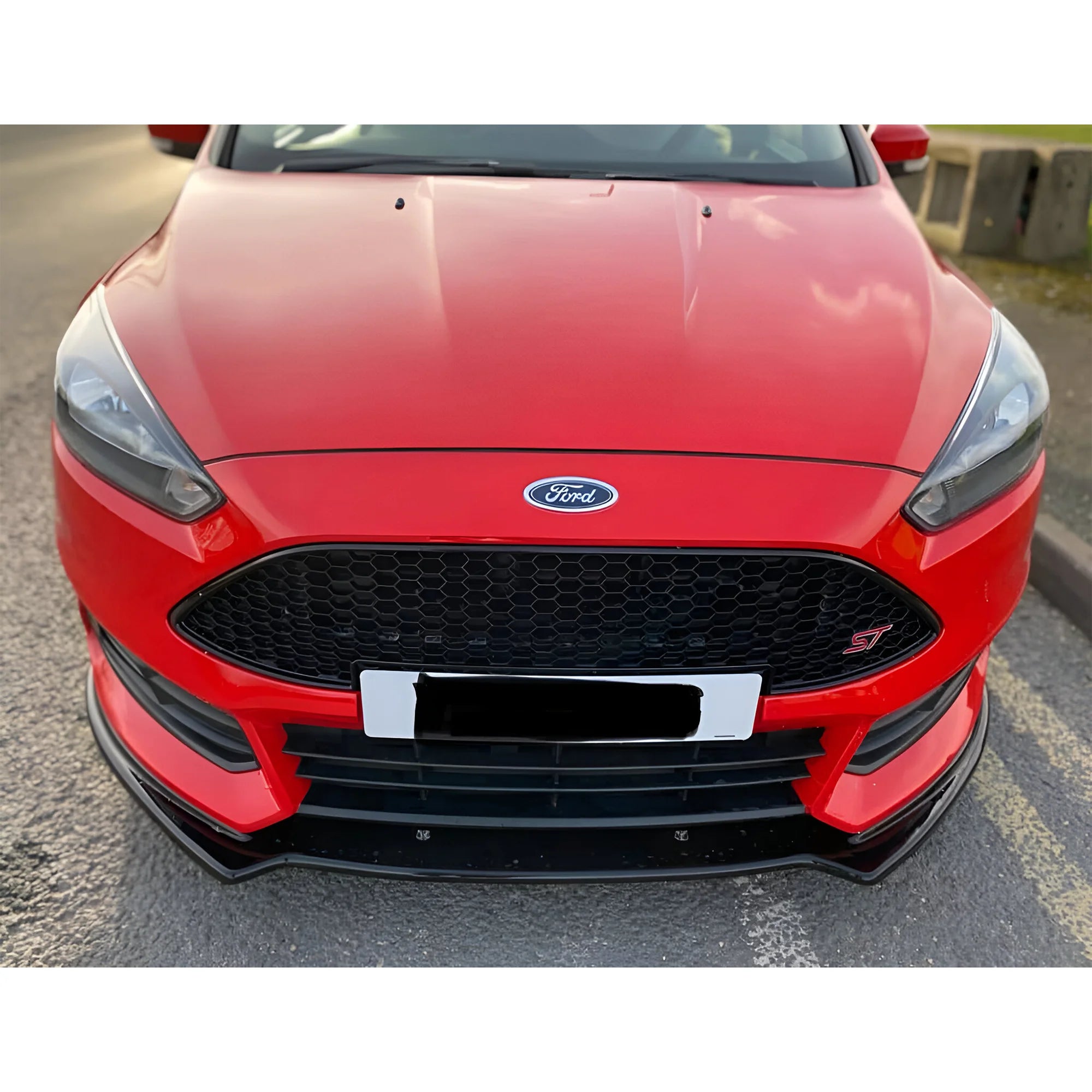
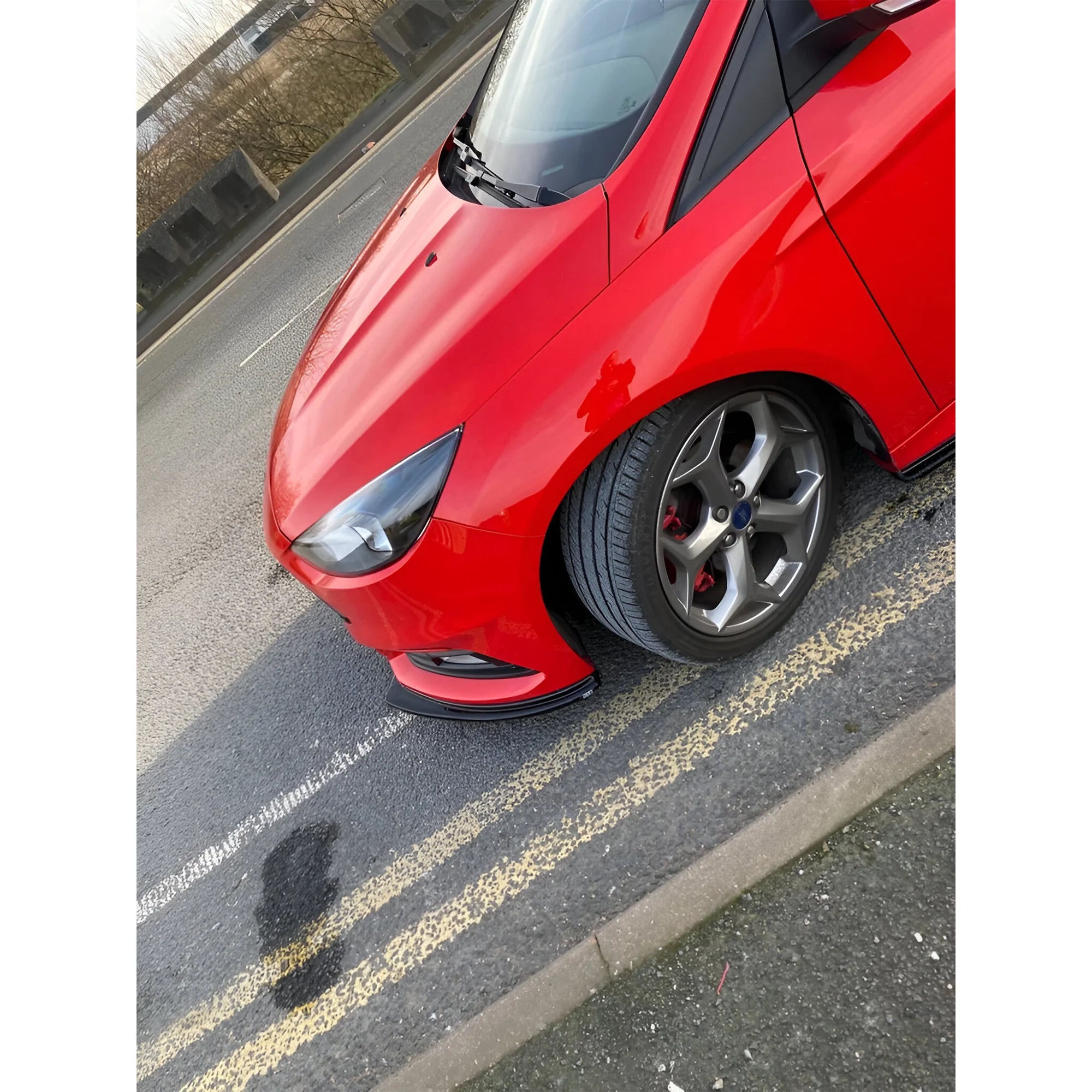
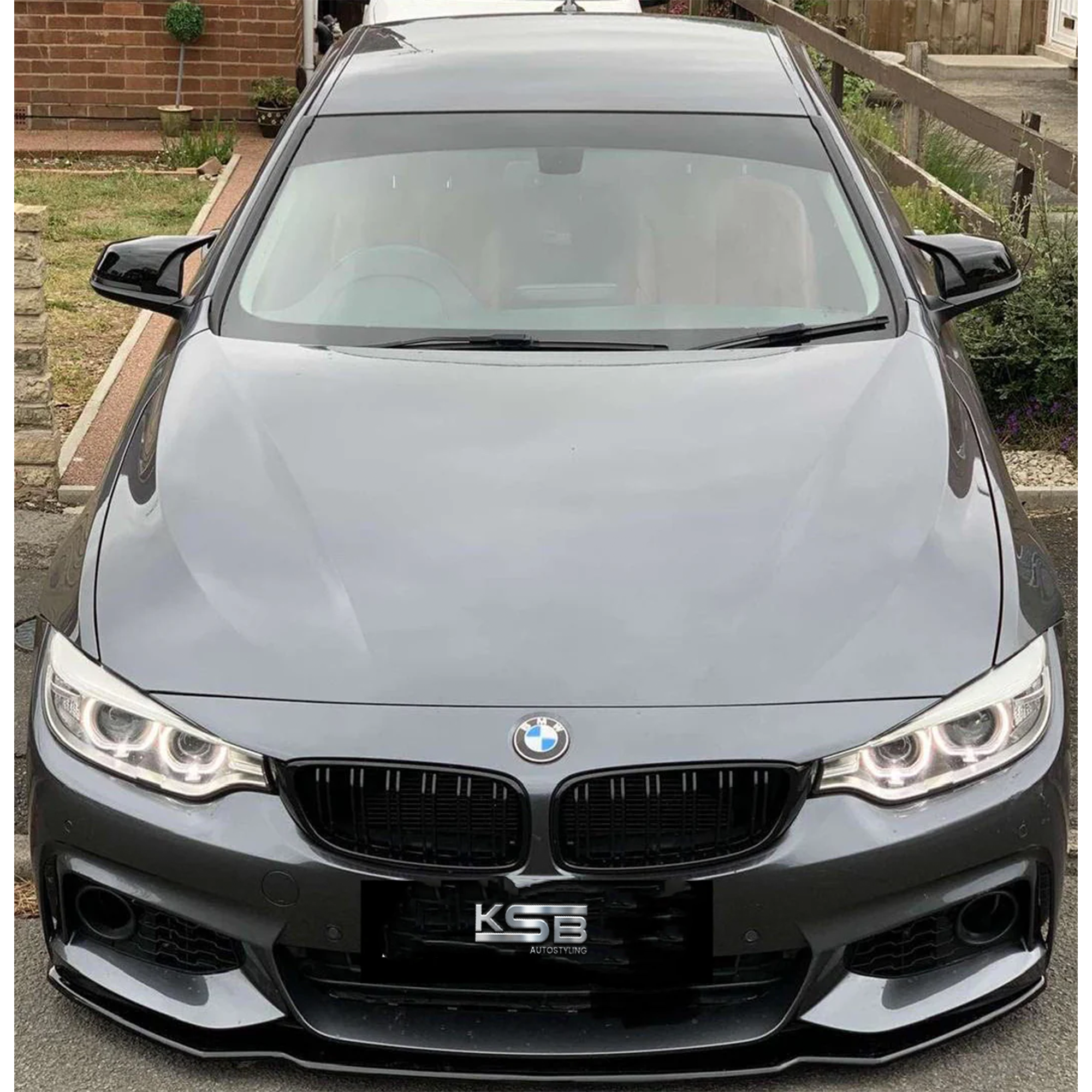
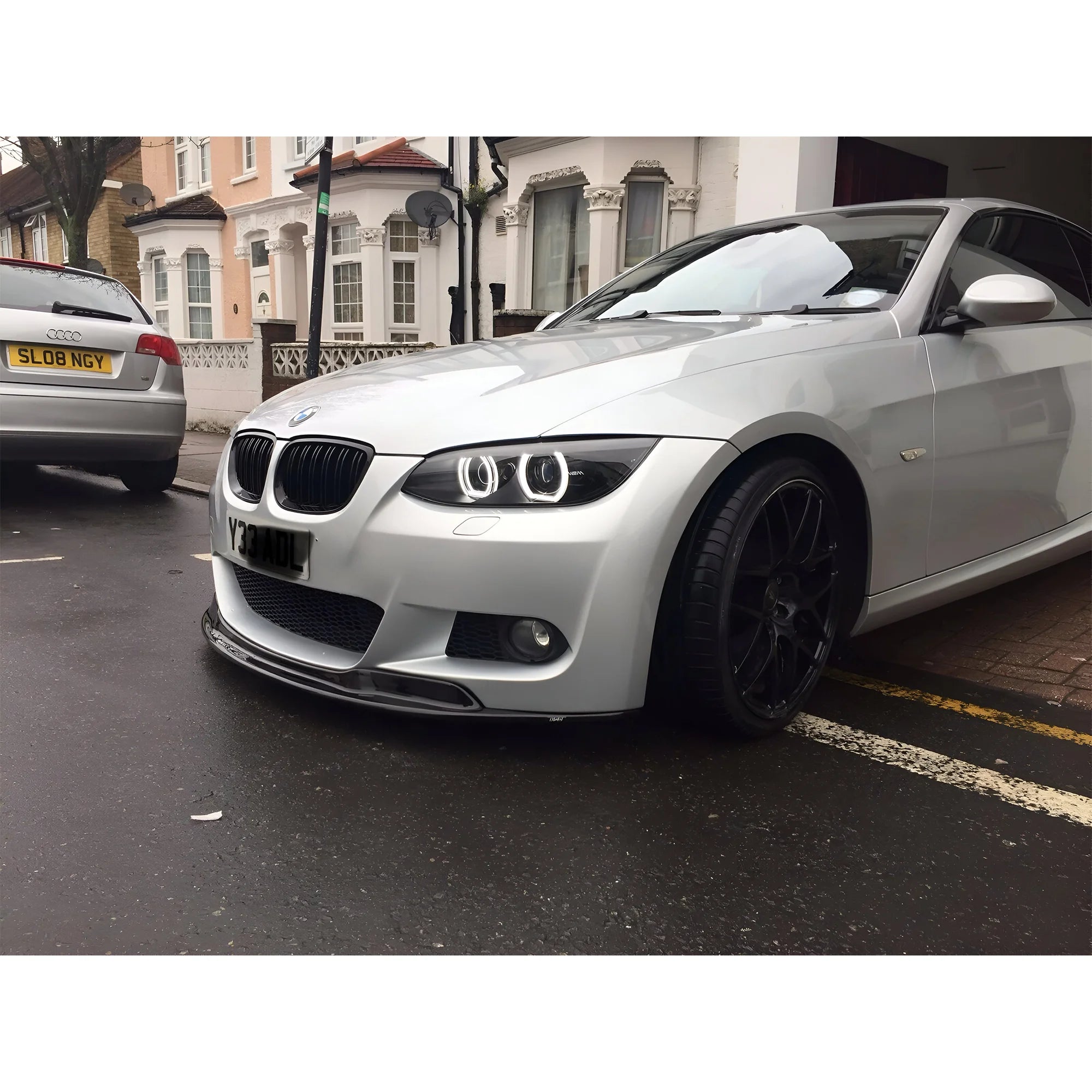
Yes, body kits can affect your car insurance in the UK, even if they only change how your car looks. Parts like front splitters, side skirts, spoilers and rear diffusers are often seen as modifications by insurers.
Fitting these parts could increase your insurance premium (the amount you pay for cover). It may also change what your policy covers. But your insurance won't always cost more.
Before fitting a body kit, it's worth checking with your insurer. You can also read if body kits legal in the UK for separate rules about vehicle modifications.
Car Body Kits and Insurance in the UK
A body kit can affect your insurance because it changes your car from its original factory design.
Insurers may look at how much the new parts would cost to replace, how difficult repairs might be and whether the changes could increase the risk of theft.
There is also a difference between cosmetic changes and performance upgrades. A front splitter fitted to improve the car's appearance isn't the same as changing the engine to make it more powerful.
Both may need to be declared, but insurers can treat them differently.
Curious about how body kits affect car performance? Go through the KSB Autostyling’s professional guide to find the effects of body kits on your car’s performance.
Some insurers allow cosmetic changes without charging extra. Others might increase your premium, limit your cover or refuse to insure the modified car.
It depends on your car, the parts you've fitted and your insurer's rules.
Which Body Kit Modifications Must You Declare?
You should tell your insurer about aftermarket parts added to your car, especially if your policy says you must report modifications.
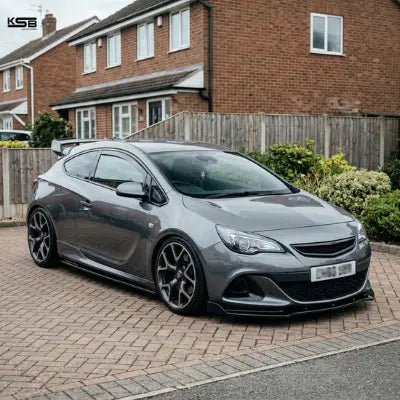
Even small changes can count. For example, if you're planning to fit an Astra J VXR Low Line Bodykit, check with your insurer before installation. Even if the kit only changes how your car looks, it may still need to be declared.
Front Splitters, Side Skirts, Spoilers and Rear Diffusers
Here's what you should check before fitting different body kit parts.

|
Body kit part |
What to ask your insurer |
|
Front splitter |
Will it be covered if it's damaged in an accident? |
|
Side skirts |
Will you pay to replace aftermarket side skirts? |
|
Rear diffuser |
Will you replace it with the same type of part? |
|
Roof or rear spoiler |
Will this affect my premium or cover? |
|
Complete body kit |
Will every part of the kit be covered? |
This is where drivers can get caught out. An insurer might agree to cover a modified car but refuse to pay the full cost of replacing its aftermarket parts.
Do Factory-Fitted and Aftermarket Body Kits Need Declaring?
If your car came with a body kit fitted as standard by the manufacturer, it's usually treated as part of the original car.
Optional styling packages fitted at the factory may be treated differently. Your insurer might ask about them.
Parts added after the car was manufactured are more likely to need declaring.
Bought a used car with a body kit already fitted? Check whether the parts are original. If you're unsure, ask your insurer.
How to Declare a Body Kit to Your Insurance Provider
Contact your insurer before fitting the body kit. Explain what you want to add and ask whether your current policy will still cover the car.
It's better to find out about any extra charges before you've bought the parts.
What to Tell Your Insurer Before Installation
Have these details ready:
- Your car's registration, make and model.
- The body kit or individual parts you want to fit.
- Whether they're factory-fitted or aftermarket parts.
- Roughly how much the parts cost.
- When you plan to fit them.
Your insurer might also ask for photos or product details.
Check whether the changes will affect your premium, excess or policy conditions. Your excess is the amount you pay towards a claim.
How to Confirm Your Body Kit Is Covered
Once your insurer agrees to the changes, ask for written confirmation.
Check your updated insurance documents to make sure the right parts are listed.
You'll also want to know what happens if the body kit gets damaged. Will the insurer pay for the same aftermarket parts, or only standard factory replacements?
Keep your receipts, photos and insurance documents somewhere safe.
Just because your insurer accepts a modification doesn't mean it will pay the full cost of replacing it.
How Much Does a Body Kit Increase Car Insurance?
There's no set amount that a body kit adds to car insurance in the UK.
You might pay more, see no change at all or find that your current insurer won't cover the modified car.
Factors That Influence Insurance Premiums
Insurers may look at several things when working out your price.
- Type of modification: A small cosmetic splitter may be treated differently from a full body kit.
- Repair costs: Aftermarket parts can be more expensive to replace than standard parts.
- Theft risk: Some styling changes could make your car more attractive to thieves.
- Your details: Your age, location, driving experience and previous claims can affect your premium.
- Insurer's rules: Some insurers have stricter rules about modified cars.
Will a Cosmetic Body Kit Always Increase Insurance?
No. Some insurers allow cosmetic parts, such as splitters and side skirts, without charging more.
But there's something else to check.
Say you fit a front splitter worth £200. Your insurer might accept it without increasing your premium, but that doesn't mean it will pay £200 for a new one if it's damaged.
Ask for an updated insurance quote and check the replacement cover before fitting anything.
Does Car Insurance Cover Aftermarket Body Kit Parts?
Your insurance may cover aftermarket body kit parts, but it depends on the policy you have.
Some insurers accept modified cars but only pay for standard factory parts after an accident.
Standard Insurance vs Modification Cover
With some standard policies, your insurer may agree to cover the car without covering the full value of its aftermarket parts. For example, if your rear bumper and aftermarket diffuser are damaged, the insurer might pay to repair the bumper but not cover the full cost of replacing the diffuser.

Some policies offer extra cover for modifications. This may include like-for-like replacement, which means replacing a damaged aftermarket part with the same type of part.
There may still be limits on how much the insurer will pay.
Before buying insurance, check:
- Are aftermarket body kit parts covered?
- Will damaged parts be replaced with the same type?
- Is there a limit on replacement costs?
- How much excess would you need to pay?
- Does the agreed value of your car include the modifications?
An agreed value is an amount you and your insurer agree the car is worth for the purposes set out in the policy.
What Happens If You Don't Declare a Body Kit?
Not telling your insurer about a body kit can cause problems, particularly if you gave incorrect information or your policy required you to report the changes.
Depending on what happened, your insurer could:
- Charge more or change your policy terms.
- Pay less towards a claim or refuse it.
- Cancel your insurance or treat the policy as though it never existed.

But an undeclared body kit doesn't automatically mean your insurance is invalid.
If you give incorrect information, the outcome depends on what happened. An honest but careless mistake may be treated differently from deliberately hiding a modification or acting recklessly.
What the insurer would have done if it had the correct information also matters.
Changes made during an existing policy depend on its reporting rules and the law that applies.
If you realise you've forgotten to declare a body kit, contact your insurer as soon as possible.
When Should You Consider Specialist Modified Car Insurance?
If your current insurer won't cover your body kit, specialist modified car insurance may be worth looking into.
It can also be useful if you've fitted several aftermarket parts or spent a lot on a styling package.
Some specialist policies offer:
- Cover for declared aftermarket parts.
- Replacement with the same type of parts.
- Agreed-value insurance.
- Terms that suit modified cars.
Not every specialist insurer offers these benefits, though.
Check the premium, excess, replacement limits and anything the policy doesn't cover.
A cheaper policy might look like a good deal, but it could cost you more if your expensive body kit isn't covered after an accident.
Body Kit Insurance Checklist Before Installation
Before fitting a body kit, make sure you've:
- Check which aftermarket parts you're adding.
- Told your insurer about the changes.
- Confirmed that the insurer accepts them.
- Asked about any increase in your premium or excess.
- Checked whether damaged parts can be replaced.
- Got written confirmation of your cover.
- Keep your receipts and updated policy documents.

A quick call to your insurer now could save you a lot of trouble if you need to make a claim later.
Frequently Asked Questions
Does a front splitter affect car insurance?
Yes, an aftermarket front splitter can affect your insurance. Some insurers accept cosmetic splitters without charging more, while others may increase your premium. Tell your insurer before fitting one and check whether it's covered if damaged.
Do you need to declare a rear diffuser to your insurer?
You should tell your insurer about an aftermarket rear diffuser, especially if your policy requires you to report modifications. Ask whether it will affect your premium and if the same type of part would be covered after an accident.
Are factory-fitted body kits considered modifications?
Body kits fitted as standard by the manufacturer are usually part of the car's original design. Optional factory styling packages may be treated differently, so it's worth checking with your insurer.
Can an insurance company refuse to cover a car with a body kit?
Yes. Some insurers won't cover cars with certain aftermarket modifications. If your current insurer refuses to accept your body kit, you may need to find another company that insures modified cars.
Will insurance cover the cost of replacing a damaged body kit?
It depends on your policy. Some insurers pay for the same type of aftermarket parts, while others only cover standard replacements. Check the replacement limits, excess and exclusions before fitting your kit.
Do you need to inform your insurer about modifications made by a previous owner?
Tell your insurer about any previous-owner modifications you know about when answering its questions. If you're unsure whether a part is original, check the car's details and ask your insurer what it needs to know.
Related post
13
Nov