
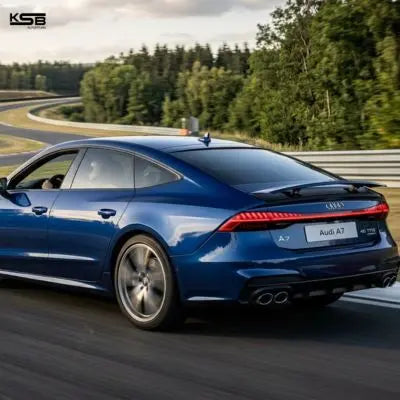
How Does a Rear Spoiler Affect a Car's Performance?
A well-engineered rear spoiler affects car performance by fundamentally changing how air flows over your vehicle at speed. While many drivers assume a boot modification is a purely cosmetic upgrade, its primary engineering function is to counteract aerodynamic lift, the upward force that makes the rear axle feel light and unsettled on motorways or fast A-roads.
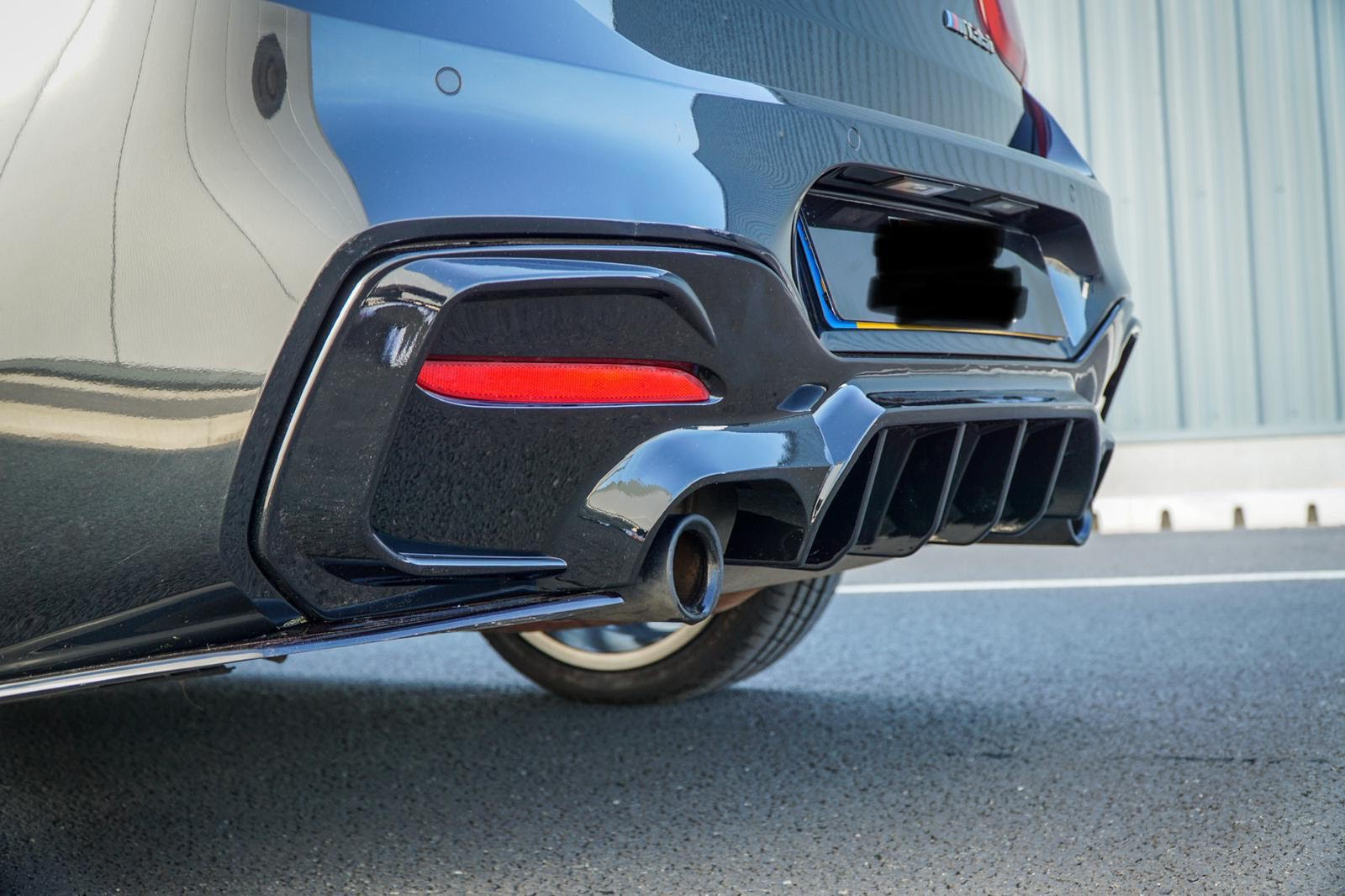
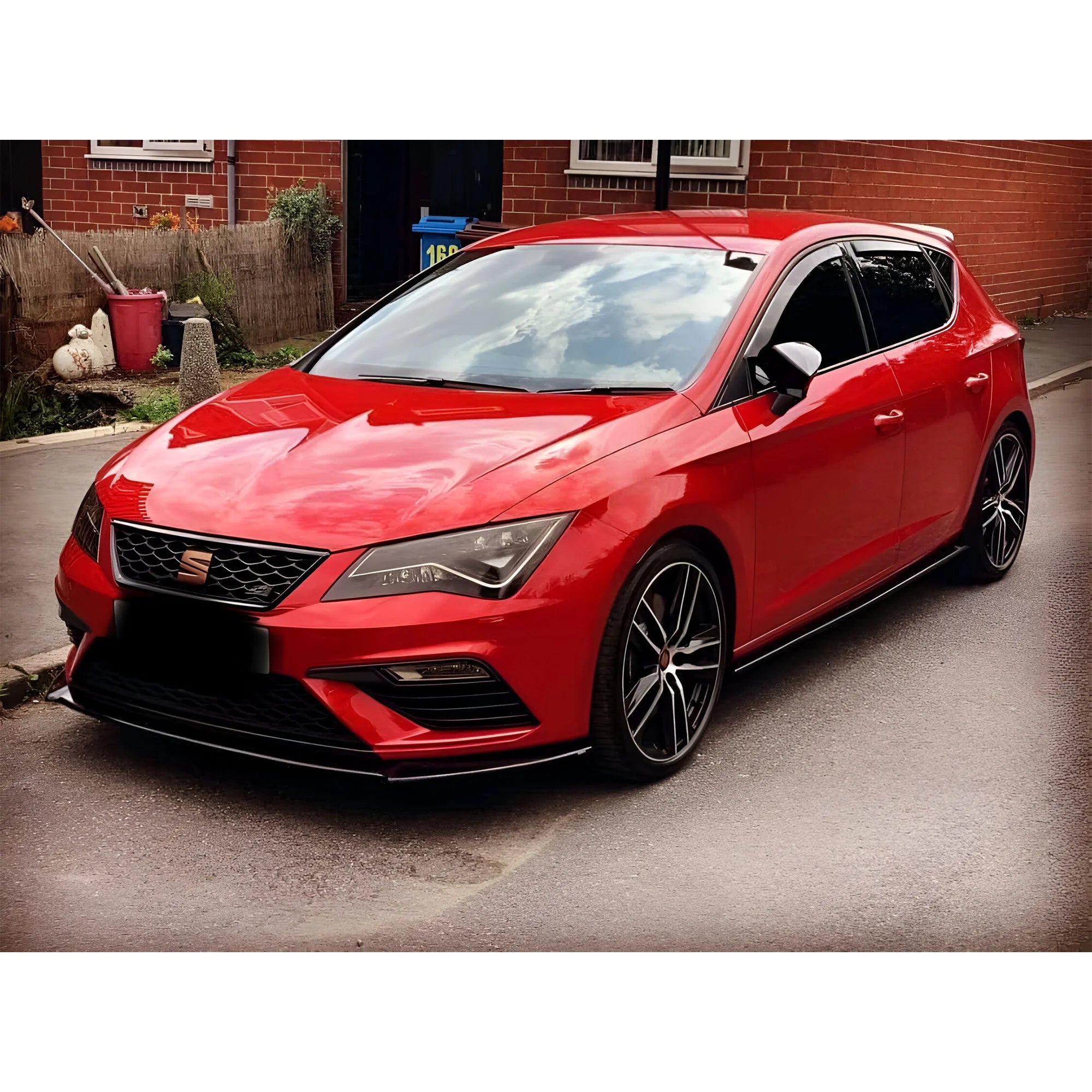
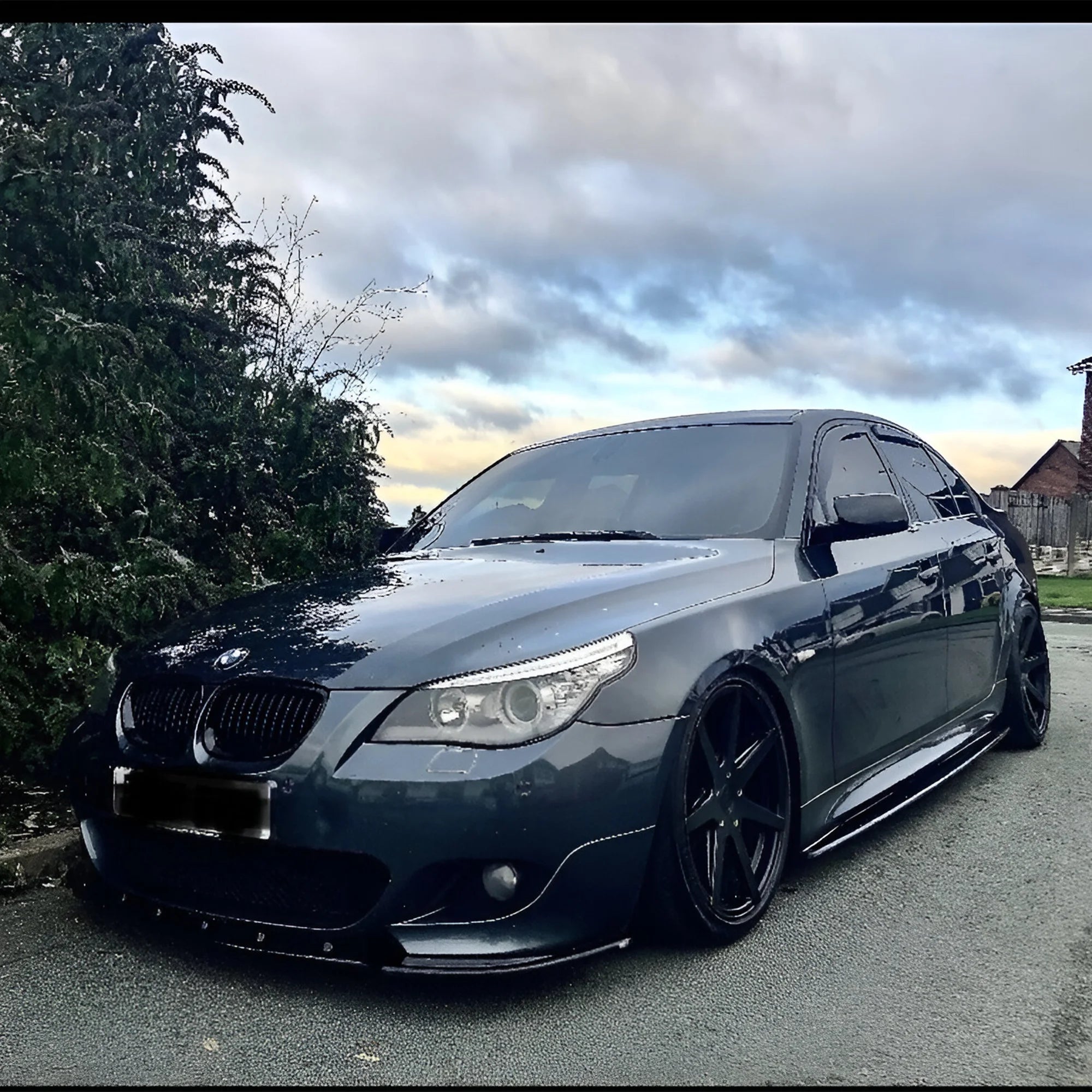
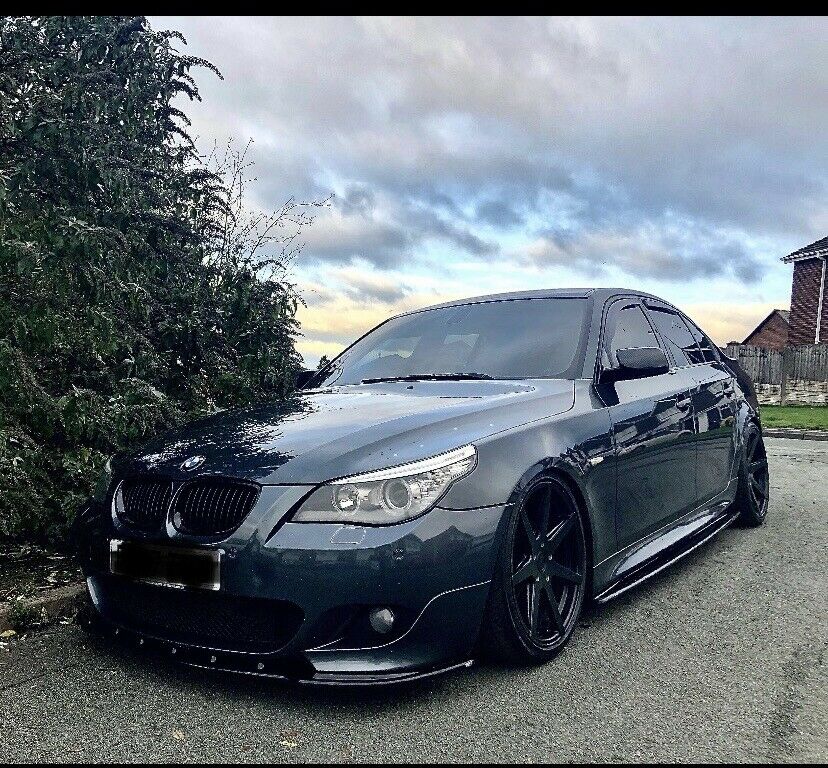
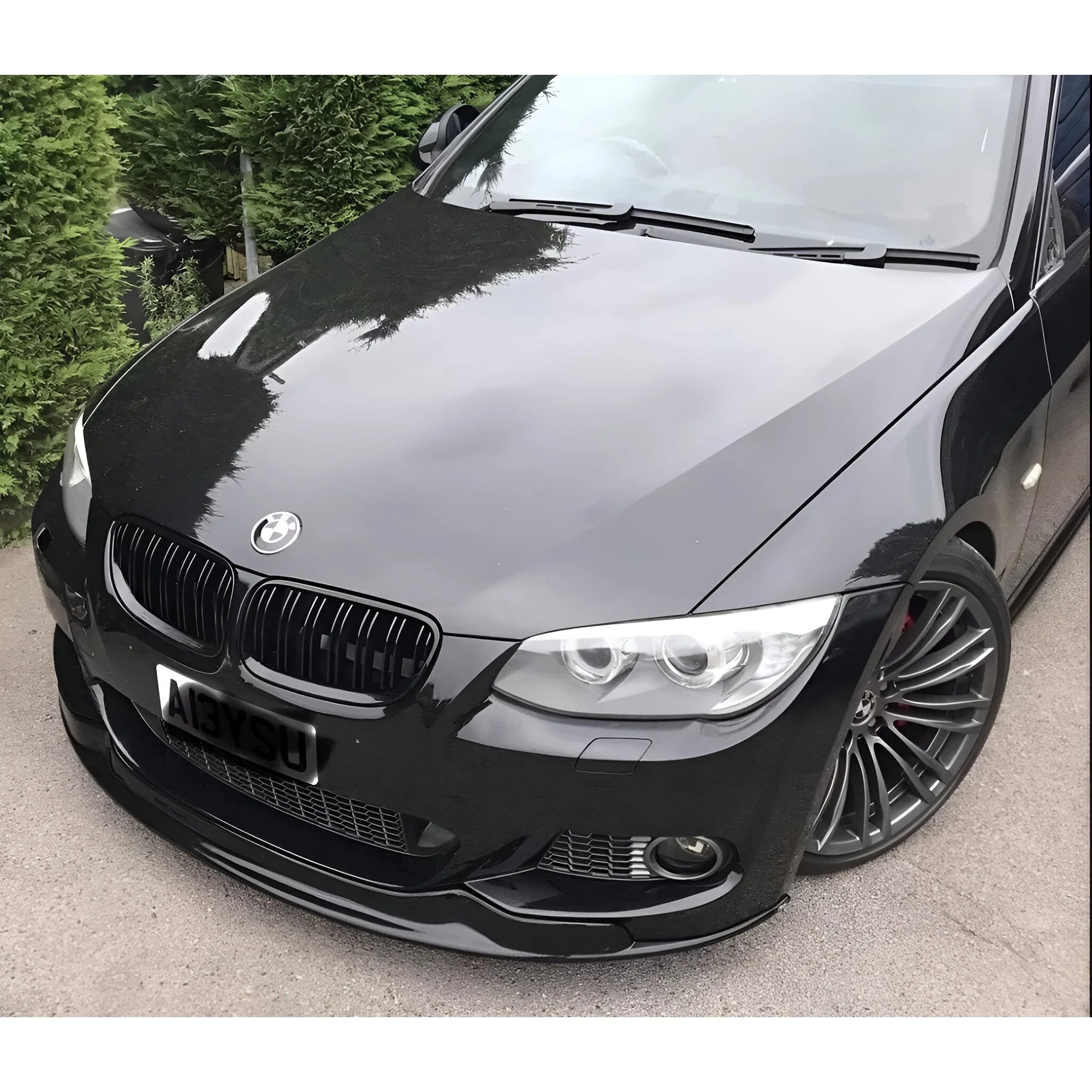
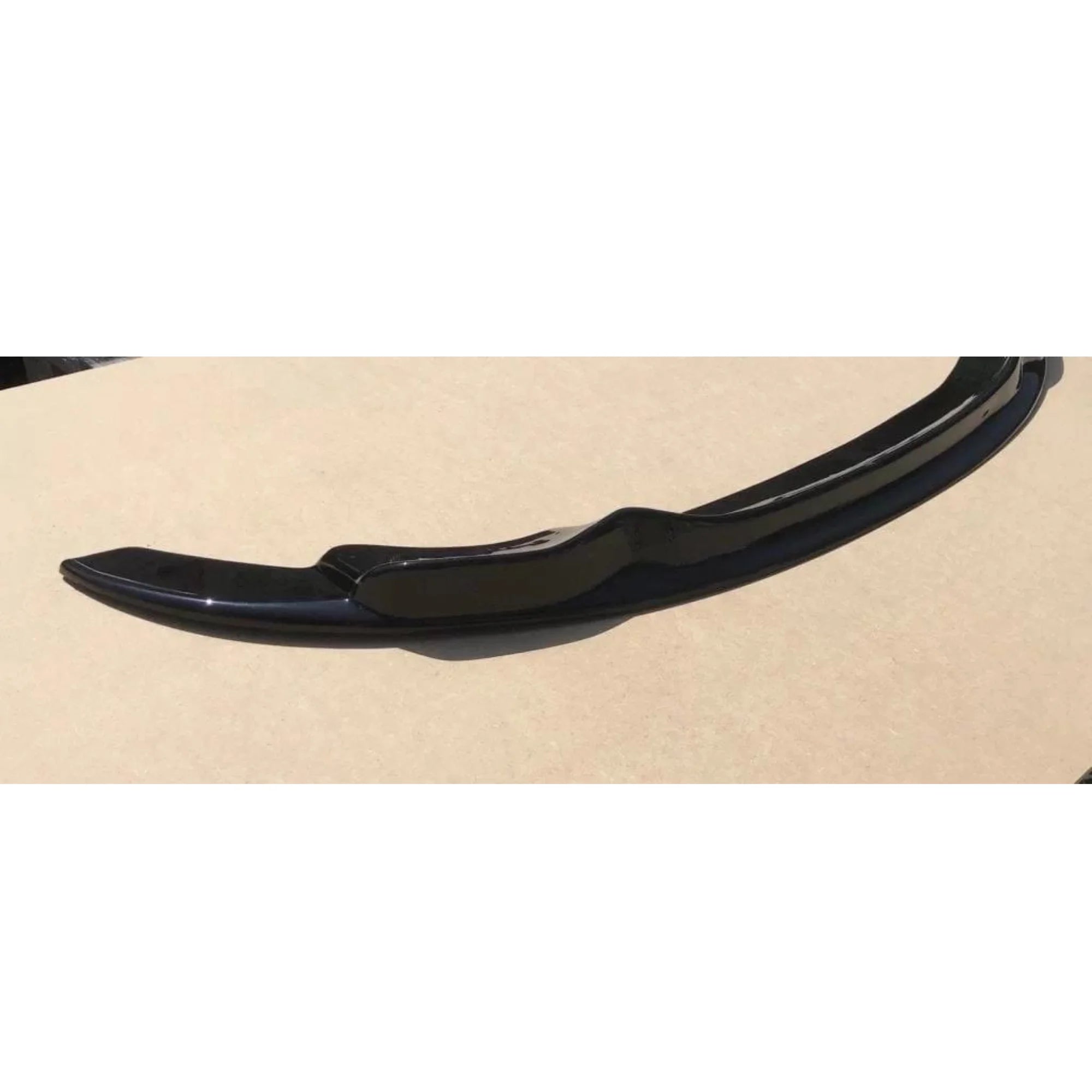
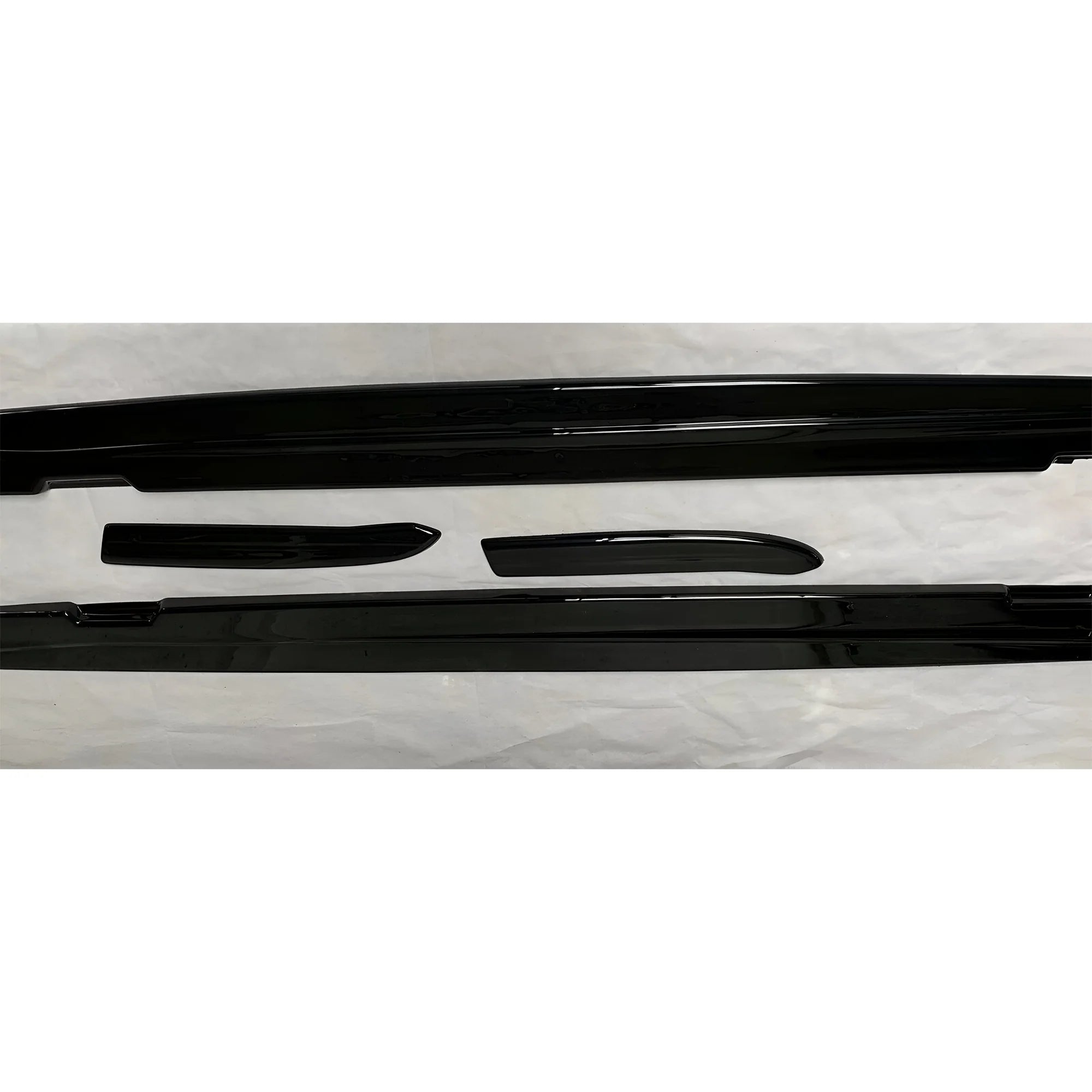
By disrupting the turbulent low-pressure wake that forms behind the rear glass, an optimised spoiler improves high-speed stability and maintains a more consistent tyre contact patch with the road. However, genuine performance gains depend entirely on design precision. A poorly matched component can increase aerodynamic drag and hurt fuel economy, which is why model-specific upgrades from specialised styling providers like KSB Autostyling are essential for achieving both refined aesthetics and true vehicle handling benefits.
The Aerodynamics of Performance: How Spoilers Actually Work
To understand how a rear spoiler affects car performance, you have to look at how air behaves at motorway speeds. A standard car body functions like an aircraft wing. As you accelerate, air travels faster over the curved roofline than it does underneath the flat chassis. This velocity difference creates a high-velocity, low-pressure pocket directly over the rear glass, generating aerodynamic lift that unweights your rear axle and compromises high-speed stability.
Spoiler vs Wing: What is the Difference?
Many drivers use these terms interchangeably, but they manage fluid dynamics in completely distinct ways:
- Car Spoilers: These components are designed to "spoil" or disrupt the smooth, lifting airflow as it reaches the vehicle's trailing edge. By breaking up this clean flow, a spoiler changes the airflow separation point, shrinks the vacuum-like wake behind the car, and minimises lift without significantly increasing aerodynamic drag.
- Aerodynamic Wings: These sit elevated away from the body in "clean" airflow. Shaped like an inverted airplane wing, they actively generate aerodynamic downforce by forcing air to press downward on the car body. While excellent for high-speed cornering grip in motorsport, a true wing introduces heavy drag, making it less practical for everyday road cars.
Managing the Boundary Layer and Reducing Drag
The layer of air that tightly hugs your car’s paintwork as you drive is known as the boundary layer. When this air reaches the steep drop-off of a saloon boot or a hatchback spoiler line, it shears off violently. This creates a chaotic, swirling pocket of low pressure called a wake zone. This wake doesn't just destabilise the rear axle, it acts like a vacuum pulling the vehicle backward, causing a noticeable spike in drag.
A precisely engineered rear spoiler acts as a smooth exit ramp for this air. It controls exactly how the boundary layer detaches from the vehicle's tail, preventing chaotic air currents from tumbling behind the bumper.
When choosing exterior modifications from dedicated styling hubs like KSB Autostyling, the focus centers on this exact relationship between design and vehicle dynamics. A properly sculpted profile ensures that the air breaks away cleanly, stabilising the vehicle's footprint on the tarmac without turning the upgrade into a heavy air brake that ruins your fuel efficiency.
Performance Benefits for the UK Driver
For daily driving across the UK, a rear spoiler’s physical impact becomes noticeable once you maintain speeds above 40 to 50 mph. At lower urban speeds, the air pressure hitting the vehicle isn't strong enough to alter handling dynamics. However, once you join a fast dual carriageway or cruise along the M1 or M6, the airflow shifts from a gentle breeze into a powerful aerodynamic force.
When engineered correctly, an aftermarket spoiler provides several distinct real-world handling advantages:
- Enhanced High-Speed Stability: By smoothing out the air as it leaves the trunk line, a spoiler dampens the rear-end "float" or lightness that drivers often experience when overtaking heavy lorries or driving through strong crosswinds.
- Optimised Tyre Contact Patch: Reducing aerodynamic lift keeps the rear tyres pressed more consistently against the tarmac. While it doesn't add mechanical grip like a suspension overhaul, it prevents the rear footprint from shrinking under high-speed air resistance.
- Composed Braking Feel: During sudden deceleration or heavy braking on a motorway slip road, your vehicle's weight aggressively transfers forward. A functional spoiler counteracts this by controlling rear airflow separation, minimizing rear-end lift and giving you a much more stable, predictable braking phase.
- Fuel Economy and EV Range Efficiency: A common point of debate on automotive subreddits like *r/cars* is whether body mods ruin mileage. While aggressive track wings increase drag and drop your MPG, a streamlined boot lip spoiler can actually minimize the low-pressure vacuum behind a hatchback or saloon. This reduces overall aerodynamic drag, helping conventional petrol/diesel engines or electric vehicles slide through the air more efficiently.
Aesthetics Meets Engineering: Selecting Materials and Fitment
A rear spoiler sits exactly at the intersection of body styling and functional fluid dynamics. Factory aerodynamic layouts from manufacturers like BMW, Audi, and Subaru are carefully calibrated. Adding a generic, universal part can disrupt this delicate balance, creating immense air turbulence that hurts efficiency and reduces rear axle stability.
When evaluating an upgrade, your choice of material directly affects its real-world durability:
|
Material Type |
Structural Characteristics |
Best Applied For |
|
ABS Plastic |
Impact-resistant, lightweight, identical to OEM factory standards. |
Daily drivers, subtle lip spoilers, clean factory finishes. |
|
Carbon Fibre |
Exceptional strength-to-weight ratio, highly rigid under wind loads. |
Premium performance builds, track days, high-end styling. |
|
Fibreglass |
Rigid and highly customizable, but brittle and prone to cracking under continuous vibrational stress. |
Custom show cars and low-cost budgeting. |
To protect your vehicle's performance profile, any aerodynamic modification must complement the natural body lines. A curved saloon requires a different separation angle than a sharp hatchback roofline. Choosing model-specific splitters and spoilers ensures the part channels the air exactly how the factory engineers intended, preventing structural drag penalties.
The Legal Side: UK Regulations and MOT Compliance - Rear Spoilers
A common concern raised across UK car communities is whether an aftermarket body modification will lead to an automatic MOT failure. Under the DVSA and the Road Vehicles (Construction and Use) Regulations, installing a rear spoiler is entirely road-legal in the UK, provided it adheres to strict road safety guidelines.
An inspector or traffic officer will only flag a rear spoiler if it violates these core safety rules:
- Pedestrian Hazard Safety: The component must not feature sharp protruding edges or jagged corners that could cause severe injury in a collision.
- Unobstructed Field of Vision: The blade must not block the driver's direct rear view through the glass or obstruct obligatory exterior side mirrors.
- Zero Component Obstruction: The installation must never cover or shadow the rear registration plate, high-level third brake lights, or primary lighting clusters.
|
The Tape vs. Bolt Debate: For lightweight lip spoilers, high-grade automotive bonding agents or authentic 3M VHB double-sided tape are perfectly secure and legal. However, larger performance wings experience immense drag forces at 70 mph; if they are held on by cheap tape alone, they pose a severe detachment risk. Large profiles must be mechanically bolted to the boot structure to guarantee they remain anchored under high wind loads. |
Conclusion
A rear spoiler is far more than a visual cosmetic upgrade. When manufactured to match your vehicle's specific body lines, it acts as a functional aerodynamic modifier that minimizes high-speed lift, stabilizes motorway handling, and controls turbulent drag. To get the best balance of clean styling and reliable performance, prioritize model-specific fitment, opt for durable materials like ABS plastic or carbon fibre, and ensure the mounting method is rock-solid.
FAQs
Do spoilers make my car faster?
No, a spoiler does not increase engine horsepower or raise your top speed. Its engineering role is to manipulate airflow, reduce lift, and maximize tyre stability at speed, which gives you better control rather than raw acceleration.
Is a high-rise wing better than a spoiler for a daily driver?
Not for everyday road use. Elevated wings are designed to generate high-speed downforce for competitive track cornering, but they introduce heavy drag that lowers fuel economy. A streamlined boot spoiler is much more practical for public roads, offering stability without a severe mileage penalty.
Will an aftermarket spoiler cause an MOT failure in the UK?
A correctly installed spoiler will not fail an MOT. A failure will only occur if the component is physically loose (posing a detachment risk), features dangerous sharp edges, or blocks your essential rear visibility and factory lighting.
Can a rear spoiler actually improve my fuel economy?
Yes, if it is a well-designed lip spoiler. By smoothing the boundary layer of air as it detaches from the rear of the car, it reduces the low-pressure wake zone pulling the vehicle backward. This minor drag reduction can slightly improve your motorway MPG or EV driving range.