
Ford 1.0 EcoBoost Timing Belt Replacement — Cost & Interval Overview
A Ford 1.0 EcoBoost Timing Belt Replacement in the UK usually costs between £950 and £1,650, depending on the vehicle model, workshop type, location, and the level of inspection included. The price is higher than many traditional belt changes because the EcoBoost uses a wet timing belt system that operates inside the engine oil.
Ford’s official replacement schedule for many 1.0 EcoBoost models allows the belt to run for up to 10 years or 150,000 miles, whichever comes first. However, many UK specialists recommend a more cautious maintenance approach, with earlier inspections and replacement planning based on mileage, driving conditions, and service history.
The reason for this extra attention is the belt’s exposure to engine oil, heat, and operating stress. Over time, belt material can deteriorate and release particles that may affect the engine’s lubrication system if the issue is not identified early.
For drivers researching the Ford 1.0 EcoBoost timing belt cost UK, the main consideration should not only be the replacement price but also the potential cost of avoiding major engine damage. A properly completed service helps protect important components, maintain vehicle reliability, and preserve resale value.
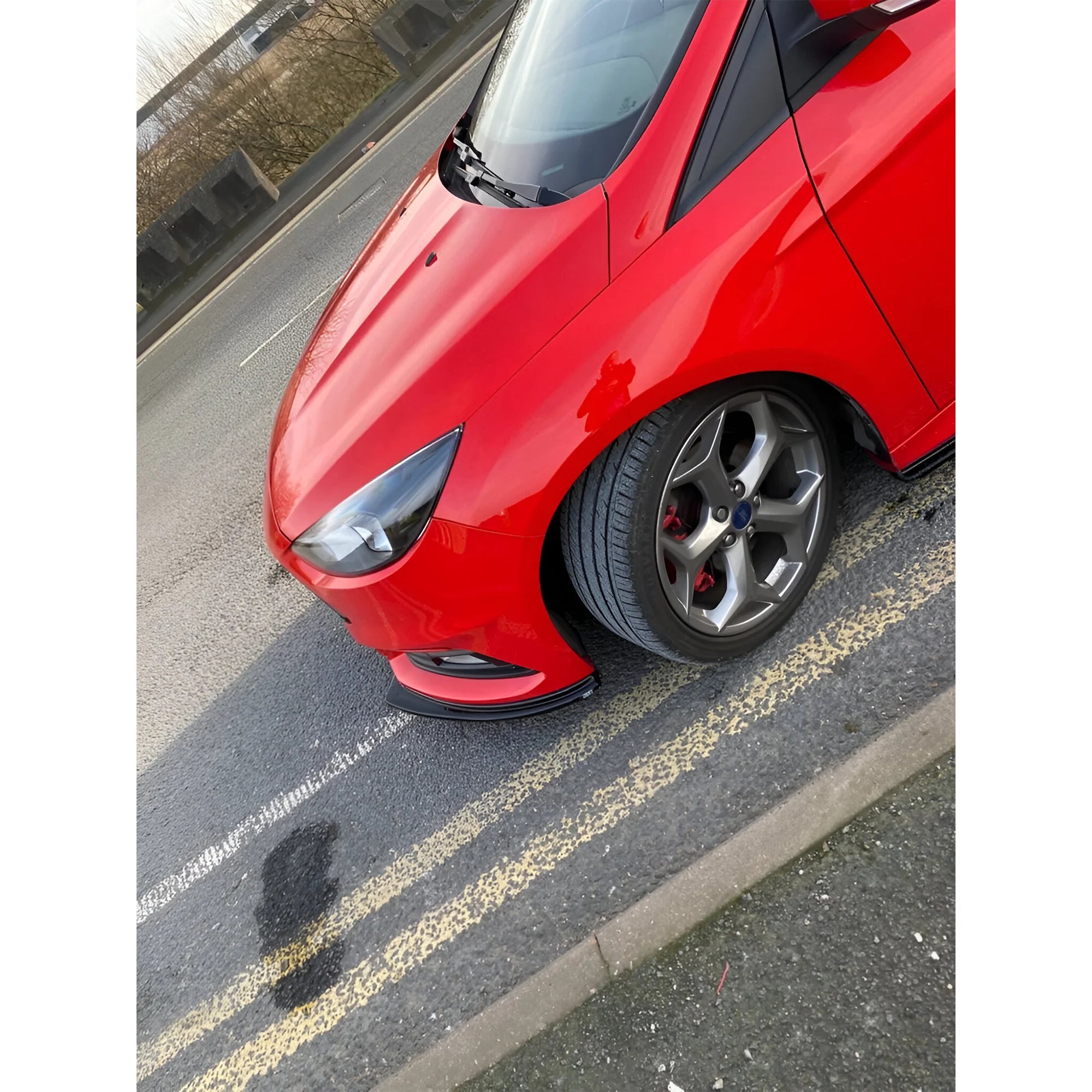
The EcoBoost engine remains popular across models such as the Ford Fiesta, Ford Focus, Ford Puma, and Ford EcoSport because of its combination of compact size, turbocharged performance, and fuel efficiency. Keeping the timing system maintained correctly is essential for continuing that performance over the vehicle’s lifespan.
The “Wet Belt” Engineering Dilemma: Why It Fails

What Is a Wet Timing Belt?
A wet timing belt runs inside the engine and operates in direct contact with engine oil.
Compared with a traditional dry timing belt, this design offers:
-
Reduced friction
-
Lower operating noise
-
Improved fuel efficiency
-
More compact engine design
However, operating inside oil also creates additional maintenance requirements.
The belt material must withstand:
- Engine heat
-
Constant movement
- Oil exposure
-
Mechanical stress
Using the wrong oil or delaying servicing can accelerate belt wear.
How Wet Belt Deterioration Happens
A timing belt is made from reinforced materials engineered to withstand heat, constant movement, and mechanical stress. Over time, repeated temperature changes and exposure to contaminated or incorrect oil can affect the belt’s durability.
As the belt ages, sections of the material may begin to break down. Small particles can separate from the belt surface and circulate through the engine oil.
This process may happen gradually, which means drivers may not notice a problem until the lubrication system is affected.
The Oil Strainer Blockage Risk
A deteriorating wet belt can release debris into the engine oil system. These particles may collect around the oil pickup strainer inside the sump, restricting oil flow and reducing lubrication.
Low oil pressure can damage critical components, including:
-
Engine bearings
-
Turbocharger
-
Internal engine parts
A professional wet belt replacement should involve more than fitting a new belt. Checking the lubrication system helps identify potential issues and prevent costly engine damage.
Common Owner Concerns Discussed in UK Forums
Many Ford owners on communities such as Reddit’s r/CarTalkUK and Ford enthusiast forums regularly discuss concerns surrounding EcoBoost wet belt maintenance.
Common topics include:
-
Timing fault codes: Some owners report codes such as P0016, which can indicate a timing correlation issue between the crankshaft and camshaft.
-
Limited garage availability: Some independent workshops avoid wet belt jobs because they require specialist tools, accurate timing procedures, and specific technical knowledge.
-
Unexpected failures: Some owners share experiences of belt-related problems before reaching the official replacement interval, which has increased awareness around preventative maintenance.
The key lesson from these discussions is that wet belt engines require informed servicing. Following a proper maintenance plan can reduce risks and help protect the long-term reliability of the EcoBoost engine.
The 2026 UK Cost Analysis: Price Transparency
How Much Does a Ford 1.0 EcoBoost Wet Belt Replacement Cost?
The Ford 1.0 EcoBoost timing belt replacement cost in the UK depends on several factors, including the vehicle model, workshop experience, location, and whether additional inspections are included.
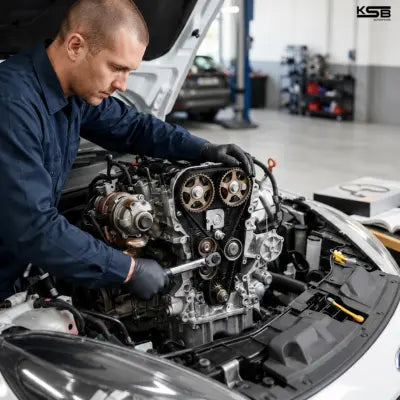
Because the EcoBoost uses a wet belt system, the job requires more time and precision than many conventional timing belt replacements. A proper service involves checking the timing system, inspecting for contamination, and ensuring the engine lubrication system remains protected.

Average UK Price Guide
|
Service Type |
Estimated Cost (Parts + Labour) |
What You Can Expect |
|
Ford Main Dealer |
£1,400 – £1,800 |
Ford-trained technicians, approved parts, and manufacturer service records. |
|
Independent Specialist |
£950 – £1,300 |
Lower labour costs with technicians experienced in EcoBoost wet belt systems. |
|
Basic Partial Repair |
£400 – £600 |
May only address visible issues and could leave underlying belt degradation risks unresolved. |
Prices can vary depending on your location and the condition of the vehicle. A quote that appears significantly cheaper should always be checked carefully to confirm what work is included.
Why Is the Replacement More Expensive Than a Normal Belt Change?
The higher cost comes from the complexity of the EcoBoost timing system. The technician must access the wet belt, maintain accurate engine timing, and carry out checks that are specific to this engine design.
The service may involve:
-
Removing components to access the timing system.
-
Using specialist timing equipment.
-
Checking for signs of belt deterioration.
-
Inspecting the oil pickup area if required.
-
Replacing engine oil and filters after the work.
The labour involved is a major part of the overall cost because accuracy is essential. Incorrect timing alignment or incomplete inspections can create further engine problems.
Additional Parts That May Affect the Final Price
A complete service may include related components that are sensible to replace while access is available.
These can include:
-
Water pump replacement, depending on condition and vehicle specification.
-
Auxiliary belt replacement where required.
-
Fresh engine oil and filter.
-
Correct manufacturer-approved oil specification.
For many 1.0 EcoBoost applications, using oil that meets the Ford WSS-M2C948-B specification is important because the timing belt operates within the oil environment.
Why the Cheapest Quote May Not Offer the Best Value
A lower price does not always mean better value. Some cheaper repairs may only replace the belt without checking whether previous wear has affected the oil system.
A reliable specialist should provide:
-
A clear breakdown of the work included
-
Quality replacement components
-
Proper inspection procedures
-
Service documentation
When comparing Ford 1.0 EcoBoost timing belt replacement costs, focus on the quality of the service, not just the lowest price. A correct repair can help prevent much more expensive engine damage later.
Maintenance Intervals: Official vs Practical Realities
Official Ford Timing Belt Replacement Guidelines
Ford’s published maintenance schedule for many 1.0 EcoBoost engines recommends replacing the wet timing belt at up to 10 years or 150,000 miles, whichever occurs first.
This interval applies to many popular models fitted with the engine, including the Ford Fiesta, Ford Focus, Ford EcoSport, and Ford Puma. However, the exact requirement can vary depending on the vehicle’s production year, engine version, and service information.
Owners should always confirm the correct interval for their specific registration rather than relying only on general recommendations.
Why Real-World Conditions Matter
Manufacturer intervals are developed using extensive testing, but everyday driving conditions can place different demands on engine components.
Factors that may increase stress on a wet belt system include:
-
Frequent short journeys.
-
Heavy urban traffic.
-
Extended periods between oil changes.
-
Incorrect engine oil specification.
-
Poor servicing history.
A vehicle used mainly for short trips may experience different operating conditions compared with one regularly driven on longer motorway journeys.
Early Models vs Later EcoBoost Versions
The 1.0 EcoBoost engine has been used across multiple Ford models and has received updates to components, software, and servicing recommendations over time.
While newer versions include improvements, all wet belt systems still depend on:
-
Correct engine oil
-
Regular servicing
-
Proper maintenance procedures
Always check the specific requirements for your vehicle rather than assuming every EcoBoost model follows the same schedule.
The Preventative Maintenance Approach
Many UK specialists prefer a preventative approach rather than waiting until the maximum service interval is reached.
This strategy focuses on:
-
Inspecting the belt condition earlier.
-
Reviewing the vehicle’s service history.
-
Considering replacement based on mileage and usage.
-
Addressing issues before warning signs appear.
For vehicles with demanding driving patterns or uncertain maintenance records, earlier inspection can provide additional confidence.
The KSB Autostyling Standard of Precision
At KSB Autostyling, the focus is on protecting vehicle reliability through careful, preventative maintenance. A modern engine requires more than replacing parts; it requires understanding how each component works together.
The EcoBoost wet belt system connects timing accuracy, oil quality, and engine performance. A detailed inspection helps identify potential risks before they develop into major repairs.
The Recommended Maintenance Window
Rather than relying only on the maximum replacement limit, many owners choose to plan ahead.
A practical approach includes:
-
Around five years: Review belt condition and servicing history.
-
Before higher mileage use: Consider inspection based on vehicle usage.
-
Before symptoms appear: Replace components proactively when required.
Following a structured maintenance plan helps reduce uncertainty and supports long-term engine reliability. For owners considering a Ford 1.0 EcoBoost Timing Belt Replacement, early planning can protect both the vehicle and its future value.
Identifying the Signs of Impending Failure
Early Warning Signs of Wet Belt Problems

The Ford 1.0 EcoBoost engine is designed for efficient performance, but the wet timing belt system requires attention because early signs of deterioration are not always obvious.
Identifying potential issues before a major failure can help prevent expensive engine repairs. Owners should pay attention to changes in engine behaviour, warning lights, and service history.
1. Unusual Engine Noise
A healthy EcoBoost engine should run smoothly and quietly. A new whining, rubbing, or unusual mechanical sound from the engine area may indicate that the timing system requires inspection.
Noise alone does not confirm belt failure, as other components can create similar symptoms. However, any new sound should be checked by a qualified technician.
2. Oil Pressure Warning Light
The oil pressure warning light is one of the most critical signs of a potential lubrication issue.
If degraded belt material affects the oil pickup system, the engine may not receive enough lubrication. This can place significant stress on internal components.
If the oil pressure warning appears:
-
Stop the engine as soon as it is safe.
-
Avoid continuing to drive.
-
Arrange a professional inspection.
Ignoring an oil pressure warning can result in serious engine damage.
3. Belt Material Contamination in the Oil System
As the wet belt deteriorates, it can shed small particles that contaminate the engine oil.
During inspection, technicians may look for signs of contamination around areas such as the oil pickup system. This helps identify whether the belt is wearing as expected or posing a risk to the engine’s lubrication system.
A sump inspection can provide valuable information that may not be visible during a standard service.
4. Timing-Related Fault Codes
Modern Ford engines use electronic sensors to monitor timing performance. If the engine control module detects a difference between crankshaft and camshaft positions, it may store a timing-related fault code.
One example is P0016, which can indicate a correlation issue between these components.
Possible causes can include:
- Timing system wear.
-
Incorrect timing alignment.
-
Sensor problems.
-
Belt-related issues.
A diagnostic code should always be investigated properly because it does not automatically confirm a failed timing belt.
Why Early Checks Are Important
Waiting until a wet belt fails can turn a routine maintenance job into a major repair. Regular inspections allow technicians to identify problems before they affect expensive engine components.
For drivers considering a Ford 1.0 EcoBoost Timing Belt Replacement, recognising early warning signs and maintaining a proper service schedule can help protect engine performance and reliability.
Choosing a Specialist: Why Technical Expertise Matters
Why Wet Belt Replacement Requires Specialist Experience
A Ford 1.0 EcoBoost Timing Belt Replacement requires specialist knowledge compared with many traditional belt changes.
Because the wet belt operates inside the engine oil system, the job involves more than simply fitting a new belt. Technicians must understand:
-
Accurate engine timing
-
Oil system protection
- Correct installation procedures
The Importance of Correct Timing Tools
The 1.0 EcoBoost engine requires specialist equipment to position and secure internal components correctly during belt replacement.
Professional timing tools help technicians:
-
Maintain accurate crankshaft and camshaft alignment.
-
Prevent timing errors during installation.
-
Confirm the engine is correctly set after replacement.
Using unsuitable tools or relying on general workshop methods can increase the risk of poor performance, warning lights, or mechanical problems.

Oil System Inspection: A Critical Step
A quality wet belt service should consider the condition of the engine’s lubrication system.
As belt material ages, small particles can enter the oil system. If contamination is present, technicians may need to inspect areas such as the oil pickup system to ensure oil flow is not restricted.
This step is often overlooked in basic repairs but plays an important role in protecting the engine after the new belt is installed.
The Role of Diagnostic Equipment
Modern Ford vehicles rely on electronic engine management systems to monitor performance and timing operation.
Before and after the repair, professional diagnostics can help identify:
-
Existing timing-related fault codes.
-
Sensor issues.
-
Engine management concerns.
-
Correct system operation after replacement.
Manufacturer-level diagnostic equipment provides greater confidence that the repair has been completed correctly.
Questions to Ask Before Booking the Service
Before choosing a garage, Ford owners should ask:
-
Does the workshop regularly complete EcoBoost wet belt replacements?
-
Are the correct specialist tools available?
-
Is the oil system inspected as part of the service?
-
Are approved-quality parts being used?
-
Will diagnostic checks be completed?
These questions help separate experienced specialists from workshops offering only basic belt replacement work.
Why Experience Protects Your Vehicle
The lowest quote may not always provide the best long-term value. A properly completed service focuses on preventing future problems, not just replacing a worn component.
For owners comparing the Ford 1.0 EcoBoost timing belt replacement cost, technical expertise, correct procedures, and attention to detail are key factors in protecting the engine’s reliability.
Compliance & Data Integrity: The Trust Factor
Avoiding the “Cheap Fix” Problem
A wet timing belt service should be treated as a complete maintenance procedure, not just a belt replacement.
A cheaper quote may only cover fitting a new belt while overlooking issues caused by previous wear, such as oil system contamination.
A proper service should include checks of:
-
Belt condition
-
Related components
-
Engine oil quality
- Possible contamination risks
Why Correct Oil Specification Matters
The Ford 1.0 EcoBoost wet belt system depends on the correct engine oil specification because the belt operates directly inside the oil environment.
Using the wrong oil can affect belt durability and may increase the risk of premature deterioration.
For many 1.0 EcoBoost models, technicians use oil that meets the Ford WSS-M2C948-B specification. The exact requirement depends on the engine version, so owners should always confirm the correct specification for their vehicle.
Maintaining Service Records and Vehicle Value
A detailed service history helps demonstrate that important maintenance has been completed correctly.
Keeping records of a wet belt replacement can support:
-
Stronger resale value.
-
Buyer confidence.
-
Clear proof of preventative maintenance.
-
Evidence that correct procedures were followed.
For vehicles with complex engine systems, documented servicing can be just as valuable as the repair itself.
Genuine Parts and Quality Standards
The timing system plays a vital role in engine operation, so replacement components should meet the required quality standards.
A professional service should include:
-
Correct timing belt components.
-
Suitable seals and related parts where required.
-
Approved engine oil.
-
Accurate installation procedures.
-
Final inspection checks.
Using reliable components reduces the chance of future problems and helps maintain the engine’s intended performance.
Transparent Servicing Builds Trust
A trustworthy specialist should clearly explain the work required, the reasons behind it, and what the customer receives for their investment.
At KSB Autostyling, the focus is on precision, transparency, and protecting your vehicle’s long-term reliability. A properly completed wet belt service is not simply an expense; it is preventative maintenance designed to keep your Ford performing confidently on UK roads.
Conclusion
A Ford 1.0 EcoBoost Timing Belt Replacement is an important part of protecting the reliability and long-term value of your vehicle. The wet belt design offers efficiency and smooth operation, but it also requires careful servicing and the correct maintenance approach.
Following only the maximum service interval may not suit every vehicle. Driving habits, mileage, oil quality, and service history all influence how the timing system performs over time.
A professional wet belt service should focus on:
-
Accurate timing system installation.
-
Correct oil specification.
-
Inspection of the lubrication system.
-
Quality replacement components.
-
Clear maintenance records.
The cost of preventative maintenance is significantly lower than dealing with major engine repairs caused by timing or lubrication failure. Choosing an experienced specialist gives you confidence that the work has been completed correctly.
At KSB Autostyling, we believe precision and attention to detail are essential when maintaining modern vehicles. Our approach focuses on protecting your Ford’s performance, reliability, and future value.
Book your EcoBoost inspection with KSB Autostyling today and take proactive steps to keep your vehicle running reliably for years to come.
FAQs
Why are Ford 1.0 EcoBoost owners concerned about the wet belt system?
Many owners discuss concerns about belt degradation, oil contamination, and possible lubrication issues if servicing is delayed.
Should I replace the wet belt before the official interval?
Some owners choose earlier replacement as a preventative measure, especially with higher mileage or uncertain service history.
Why do some garages avoid EcoBoost wet belt replacements?
The job requires specialist tools, correct timing procedures, and experience with oil-bathed belt systems.
What problems do owners commonly report before failure?
Common discussions include timing fault codes, unusual noises, and concerns about oil pressure issues.
Is the cheapest replacement quote always the best option?
Not necessarily. A lower price may exclude important checks such as oil system inspection or contamination removal.
What oil should a 1.0 EcoBoost wet belt engine use?
The correct oil depends on the engine specification, with many models requiring Ford-approved oil such as WSS-M2C948-B.
How long does a wet belt replacement usually take?
Most specialist workshops complete the work within around 1–2 days, depending on inspection requirements and vehicle condition.
Can a failed wet belt damage the engine?
Yes. Belt debris or timing failure can affect lubrication and cause serious internal engine damage if not addressed.