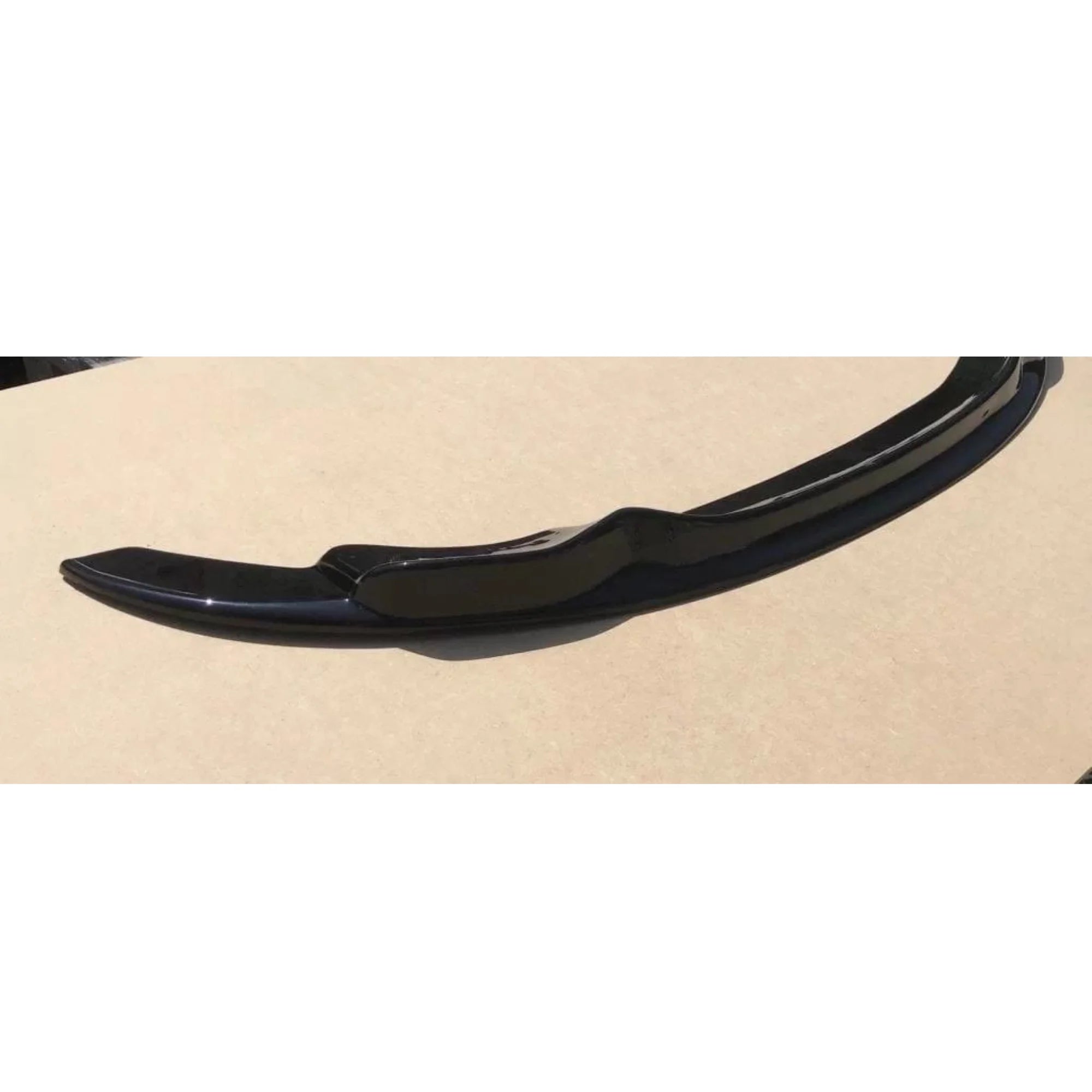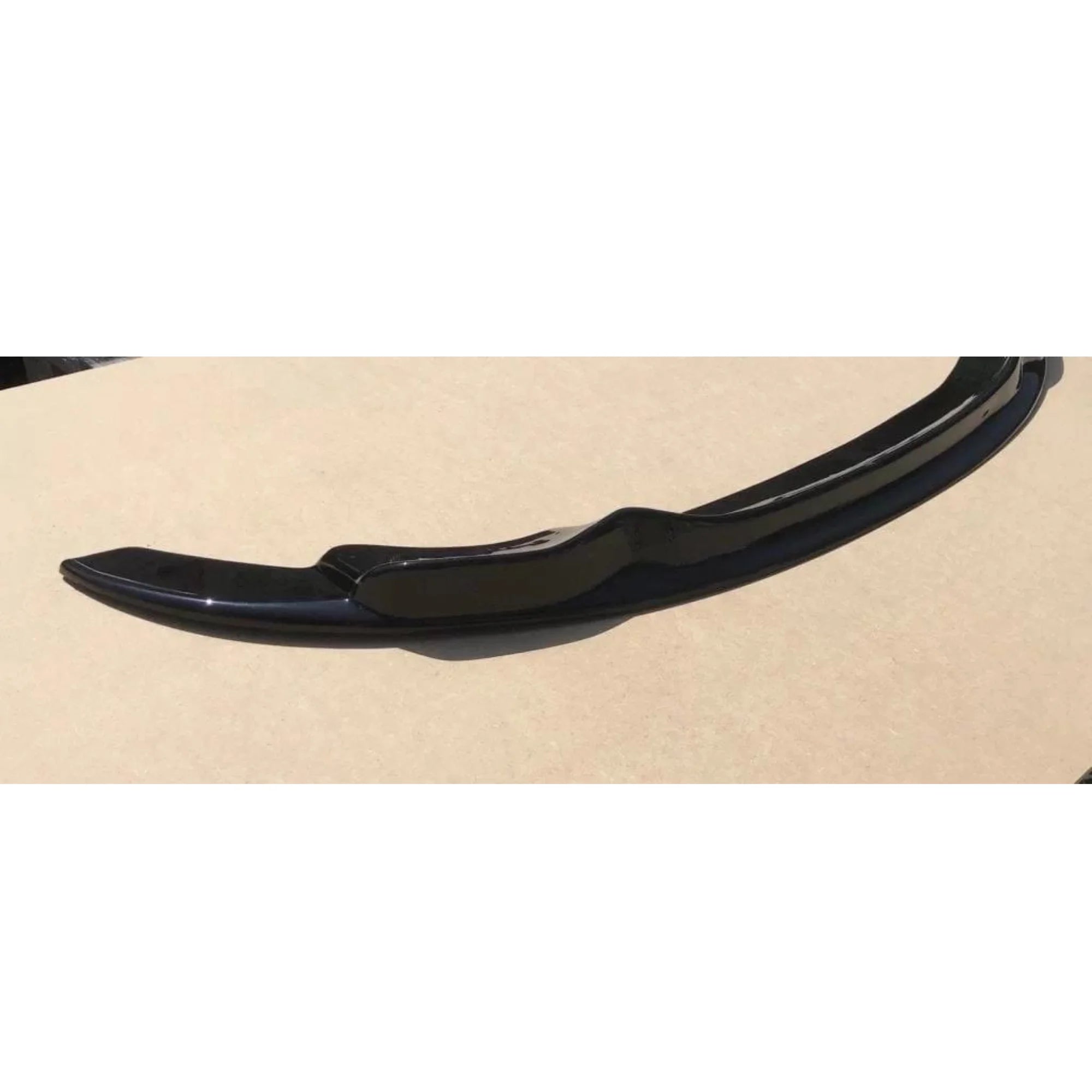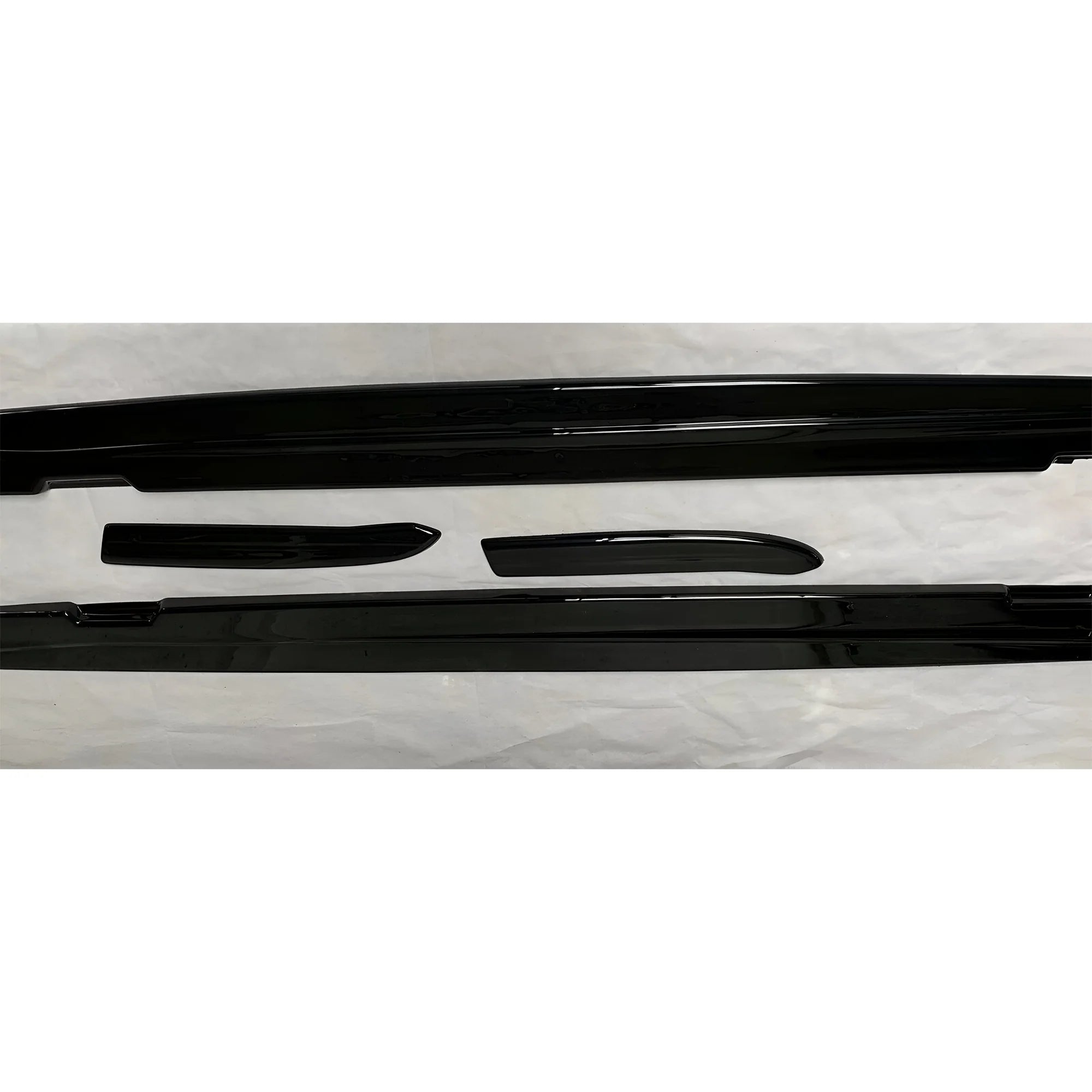


How Does Car Splitter Performance Affect Your Car?
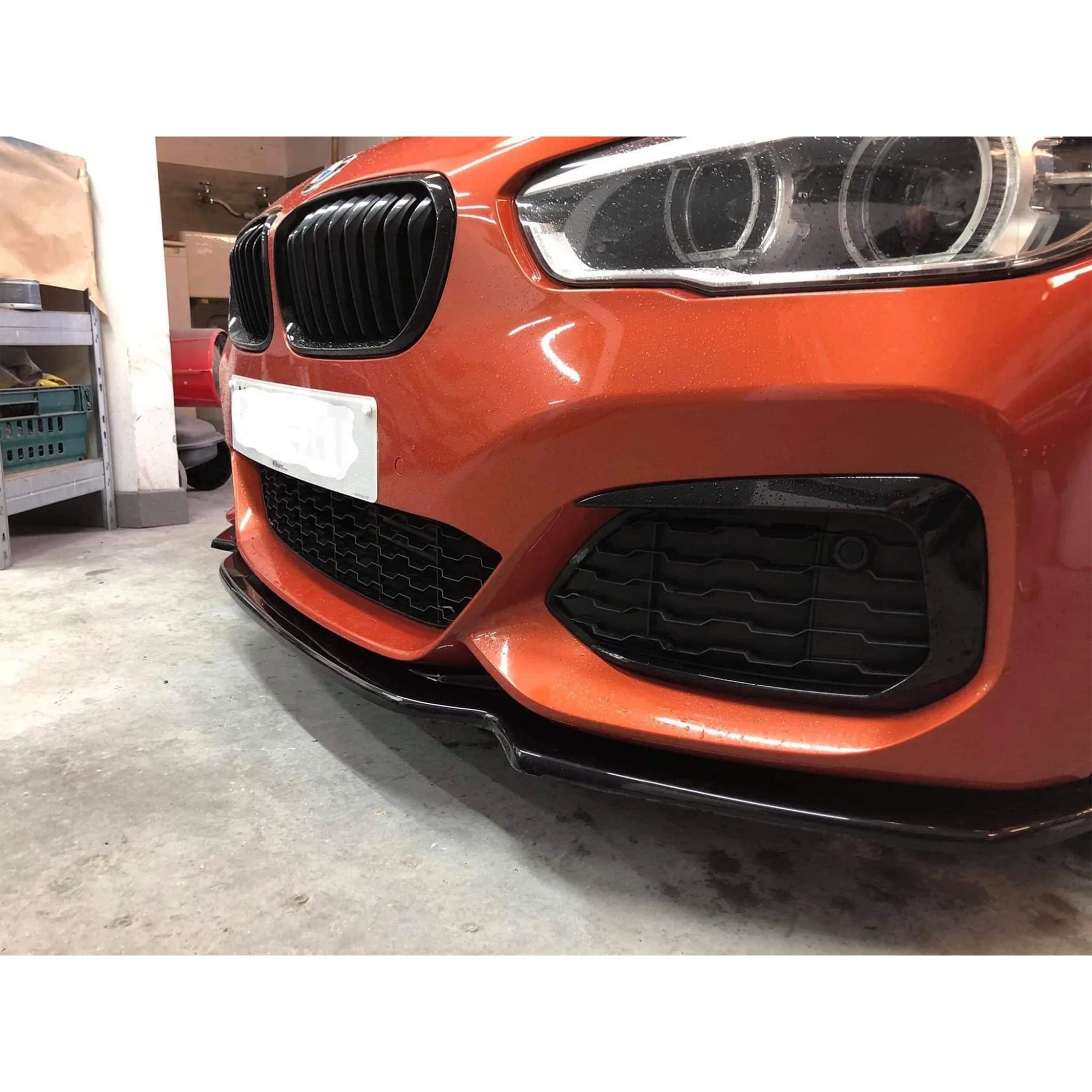
A front splitter is a high-pressure aerodynamic management device. It operates by creating a pressure differential between the high-pressure zone above the bumper and the low-pressure zone beneath the chassis, effectively suppressing front-end lift and increasing tire-to-road contact patch load.
|
Metric |
Performance Impact |
|
Downforce Initiation |
Linear increase starting at 45+ mph |
|
Lift Suppression |
15%–30% reduction in front-end buoyancy |
|
Stability Coefficient |
Measurably increased tracking at motorway speeds |
|
Drag Penalty |
Negligible if air-dam integration is flush |
Understanding Car Splitter Performance means looking at both sides of the equation. On one side, there are aerodynamic gains like improved stability and downforce. On the other hand, there are practical realities such as UK road conditions, daily usability, and installation quality. A good setup balances both without compromising safety or drivability.
For drivers exploring performance styling upgrades, browse our range of vehicle-specific performance front splitters at KSB Auto Styling, designed for precision fitment and aerodynamic efficiency.
How Does a Front Splitter Improve Vehicle Aerodynamics?
A front splitter functions by extending the effective surface area of the vehicle's nose to delay air separation.
- Stagnation Point Management: The splitter forces the stagnation point of air further forward, increasing pressure above the bumper.
- Velocity Differential: By forcing air to accelerate beneath the splitter, you create a lower-pressure zone, resulting in a net downward force vector.
- Resultant Force: This downward vector stabilizes the vehicle's yaw and pitch, reducing the "float" experienced during high-speed directional changes.
What are the Real-World Driving Benefits of a Front Splitter?
Car Splitter Performance is not theoretical; it is a mechanical modification to the vehicle's center of pressure.
- Steering Kinematics: Increased load on the front axle forces the tires to displace more lateral energy, resulting in sharper turn-in response.
- Deceleration Geometry: During hard braking, the splitter acts as a thermal-aerodynamic stabilizer, reducing the natural nose-lift that occurs during weight transfer.
- Turbulence Mitigation: Standard factory bumpers suffer from "under-chassis stall." A splitter effectively "skims" this air, directing it past the turbulent suspension components, reducing drag and increasing laminar flow.
The Aesthetic vs. Performance Balance
A front splitter sits at the intersection of design and engineering. It changes how a car looks and how it behaves. This dual role is why Car Splitter Performance is often discussed in both styling and performance circles.
Visual Impact
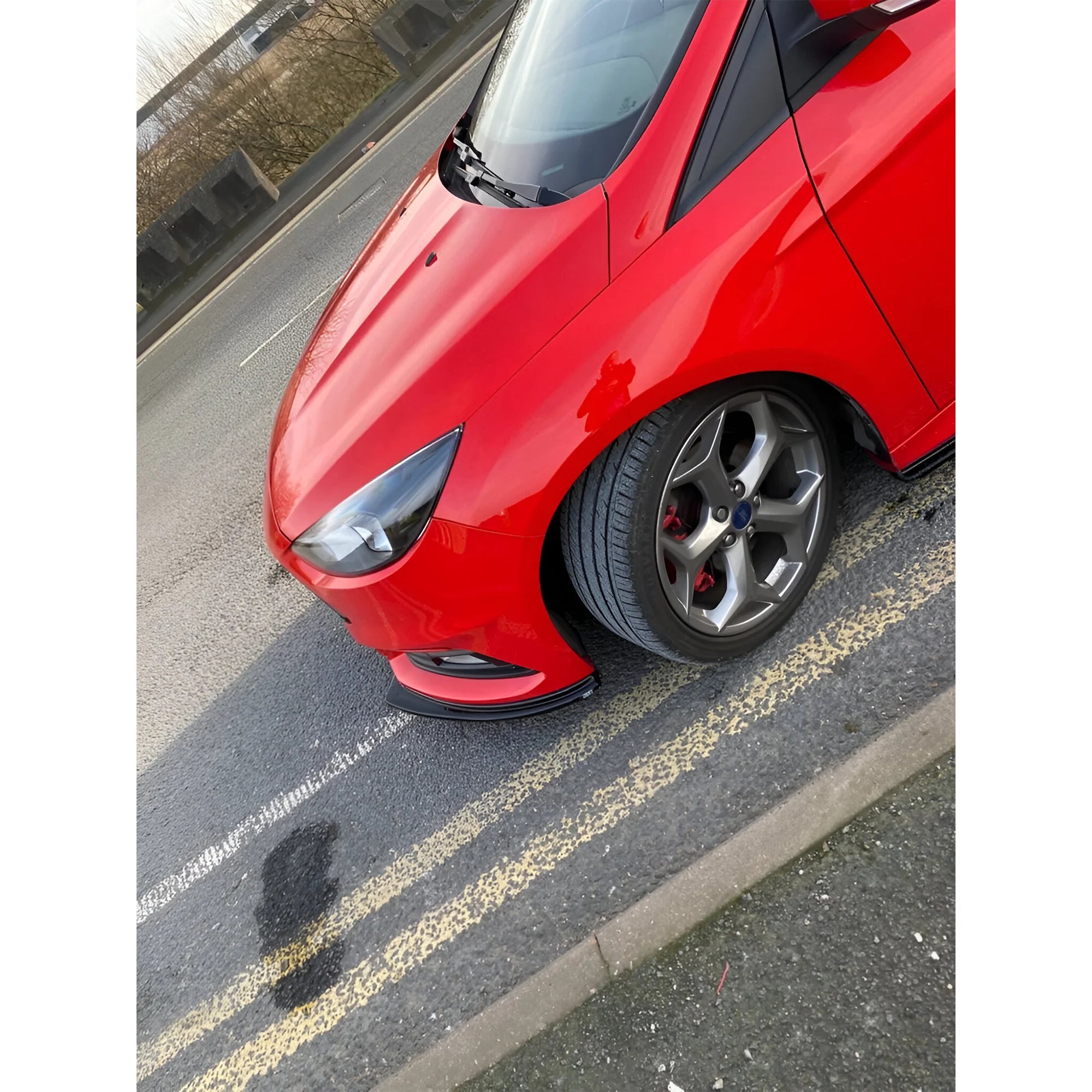
A splitter instantly lowers the visual stance of a car. It creates a more aggressive front profile, making the vehicle look closer to the ground. This “planted” appearance is a major reason enthusiasts choose it even before considering aerodynamic gains.
The design also frames the front bumper. It adds structure and definition, especially on modern cars with softer factory lines. The result is a sharper, motorsport-inspired look without changing the entire body shape.
Street vs. Track Use
The performance improvements become more noticeable at higher speeds. On track days or fast dual carriageways, a splitter contributes to stability and front-end grip. In these conditions, airflow effects are fully active.
On everyday UK roads, the difference is more subtle. Lower speeds reduce aerodynamic impact, but the visual and mild stability benefits remain. This is why splitters are considered dual-purpose upgrades in daily driving and performance under load.
Managing expectations is important. A splitter does not transform a normal road car into a race machine. Instead, it refines how the car behaves when speed and airflow become significant factors.
Materiality & Structural Integrity
The material choice dictates the Aerodynamic Angle of Attack maintenance.
- ABS Plastic: High flexural modulus; maintains geometry under road debris impact. Essential for daily UK driving.
- Carbon Fibre: High-modulus stiffness; critical for track environments. Minimizes deformation under high air pressure.
- Structural Failure: Any deviation from the intended pitch angle (due to weak mounting) results in immediate drag inversion and a loss of the "suction effect."
Technical Integration & Road Compliance
A front splitter behaves differently depending on where and how it is driven. UK roads introduce a specific set of challenges that directly affect Car Splitter Performance, especially in daily use.
- Mounting Requirements: Mechanical fasteners are mandatory. Adhesive-only mounting will fail under the load of high-velocity airflow.
- Ground Clearance Geometry: Excessive lowering without corresponding chassis reinforcement leads to structural scraping, which alters the splitter's angle of attack.
- Legal Compliance: In the UK, the modification must satisfy Construction and Use Regulations. The splitter must not protrude beyond the bumper's forward-most point to remain road-legal.
Selecting the Right Splitter for Your Vehicle
Choosing a splitter is not just a style decision. It directly affects how well Car Splitter Performance translates from theory into real driving behaviour. Fitment, design, and installation all work together to determine the final result.
Fitment Accuracy
Vehicle-specific splitters deliver the best aerodynamic results. They are designed to match the exact shape and curvature of a bumper. This ensures airflow is guided correctly without gaps or misalignment.
Universal splitters may look similar, but they often require adjustment during installation. Even small positioning errors can disrupt airflow and reduce downforce efficiency. If the angle is wrong, the splitter may create drag instead of controlled pressure.
Precision fitment keeps airflow consistent across the front end. This stability is essential for predictable handling at speed.
Professional Installation vs. DIY
DIY installation can work for experienced users, but alignment is critical. A splitter must sit at the correct height and angle relative to the bumper and road surface. Even a few millimetres can change how air behaves underneath the car.
Professional fitting ensures the splitter is secured evenly across all mounting points. This prevents flexing under pressure and keeps aerodynamic load balanced. It also reduces the risk of long-term loosening.
Correct installation also helps achieve the intended “suction effect,” where low pressure beneath the splitter works efficiently with high pressure above it. When installed properly, this balance improves stability and supports consistent Car Splitter Performance at higher speeds.
A poorly fitted splitter may still look aggressive, but it will not deliver reliable aerodynamic gains.
Conclusion
A front splitter is more than a styling upgrade. It is a controlled aerodynamic tool that shapes how air behaves around the front of a car. When designed and fitted correctly, it becomes a key factor in Car Splitter Performance, influencing stability, grip, and steering confidence.
Across this guide, the core idea stays consistent. A splitter works by managing airflow, reducing front lift, and creating downforce that helps the tyres stay planted. This effect improves handling at speed, supports braking stability, and reduces unwanted turbulence under the chassis.
At the same time, real-world use matters. UK road conditions, installation quality, and material choice all affect how well these benefits translate into daily driving. A well-matched setup balances performance gains with practicality, avoiding clearance issues or durability problems.
The result is a modification that delivers both visual and functional value. It sharpens the look of the vehicle while also refining how it behaves when speed increases and airflow becomes significant.
For drivers looking to explore high-quality options and improve their vehicle’s aerodynamic setup, you can browse performance-focused splitters and fitment guidance at KSB Auto Styling.
FAQs
At what velocity does splitter-induced downforce become statistically significant?
Aerodynamic load scales with the square of velocity. Significant steering feedback improvements are typically measured above 45 mph.
At what speed does Car Splitter Performance become noticeable?
Car splitter performance is most noticeable at higher speeds, typically from motorway driving onwards. At lower city speeds, the aerodynamic effects are minimal, but the styling remains impactful.
Can a splitter affect everyday driving in the UK?
Yes, especially on speed bumps, steep driveways, and uneven roads. Ground clearance matters, as a poorly fitted splitter can scrape and lose efficiency over time.
What material is best for a front splitter?
ABS is durable and flexible for daily use, while carbon fibre is lighter and more performance-focused. The best choice depends on whether you prioritise durability or weight reduction.
Why does a universal splitter underperform compared to a vehicle-specific unit?
Aerodynamic efficiency is dependent on the "Seal-to-Bumper" integrity. Gaps at the junction cause high-pressure leakage, neutralizing downforce.
What is the primary cause of splitter failure?
Improper mounting leads to "aero-elastic flutter." This vibration fatigues the material and causes the splitter to lose horizontal alignment, inducing drag.