

Golf MK7 & MK7.5 R Styling Guide — Splitters, Skirts & Diffusers
On both the MK7 and facelift MK7.5 R, the lower section of the car is where relatively simple changes make the biggest visual difference. A front splitter gives the nose more definition. Side skirt extensions carry that lower line towards the rear. A diffuser or set of rear splitters stops the back of the car looking unfinished once the front and sides have been changed.
The mistake is treating these as three unrelated modifications. They work best as parts of the same visual profile.
Before choosing any of them, though, there is a more basic question to settle: do you have an MK7 R or an MK7.5 R?
Golf MK7 R vs MK7.5 R: Check Fitment Before Buying
The MK7.5 is the facelifted version of the MK7 Golf, and those facelift changes matter once you start fitting bumper-mounted styling parts.
The front bumper is different, as is the lower rear treatment. That means a splitter shaped around an MK7 R bumper should not automatically be treated as suitable for an MK7.5 R. The same applies to rear diffusers.
If you are unsure which version you own, identify the bumper and vehicle generation before ordering. Registration year is useful, but it should not replace checking the actual product fitment.

For a wider look at Golf-specific styling choices, KSB Autostyling's guide to Volkswagen Golf body kits is a useful next reference.
Do MK7 R styling parts fit the MK7.5 R?
Not necessarily. The facelift changed enough of the bumper design that front splitters and rear styling parts need to be checked for the specific MK7 or MK7.5 application. Side components may appear less model-sensitive, but they should still be bought according to the stated fitment rather than assumed compatible.
This is one area where checking twice is worth the effort. A part that is slightly wrong around a bumper edge rarely looks “close enough” once it is fitted.
Which Golf R Styling Parts Make the Biggest Visual Difference?
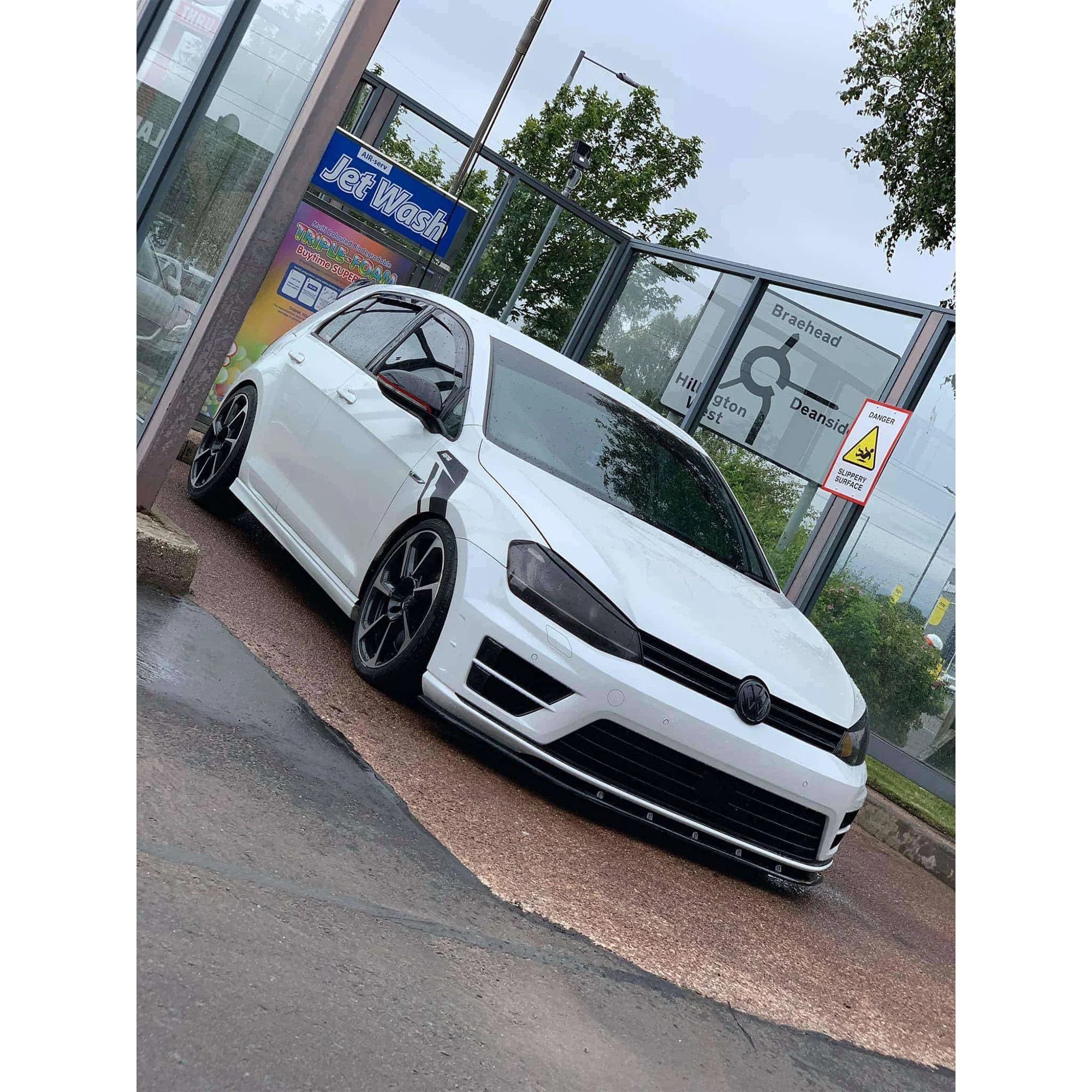
For most MK7 and MK7.5 R builds, the front splitter has the strongest immediate effect. Side skirt extensions then make the profile feel more complete, while a rear diffuser or rear splitters bring the back of the car into the same styling theme.
|
Part |
Area changed |
Main visual effect |
Suits |
|
Front splitter |
Lower front bumper |
Lower, sharper-looking front end |
First exterior upgrade |
|
Side skirt extensions |
Lower side profile |
Creates a longer, lower visual line |
Front-and-side builds |
|
Rear diffuser |
Centre/lower rear bumper |
Gives the rear more definition |
Stronger rear styling |
|
Rear splitters |
Outer rear bumper |
Adds detail and apparent width |
Matched styling kits |
|
Complete styling setup |
Front, sides and rear |
Creates consistent proportions |
Full exterior builds |
None of those parts needs to be especially large to work. On the Golf R, a shape that follows the original bumper and sill lines can often look more convincing than a much deeper piece that dominates the bodywork.
Front Splitter: Usually the Best Place to Start
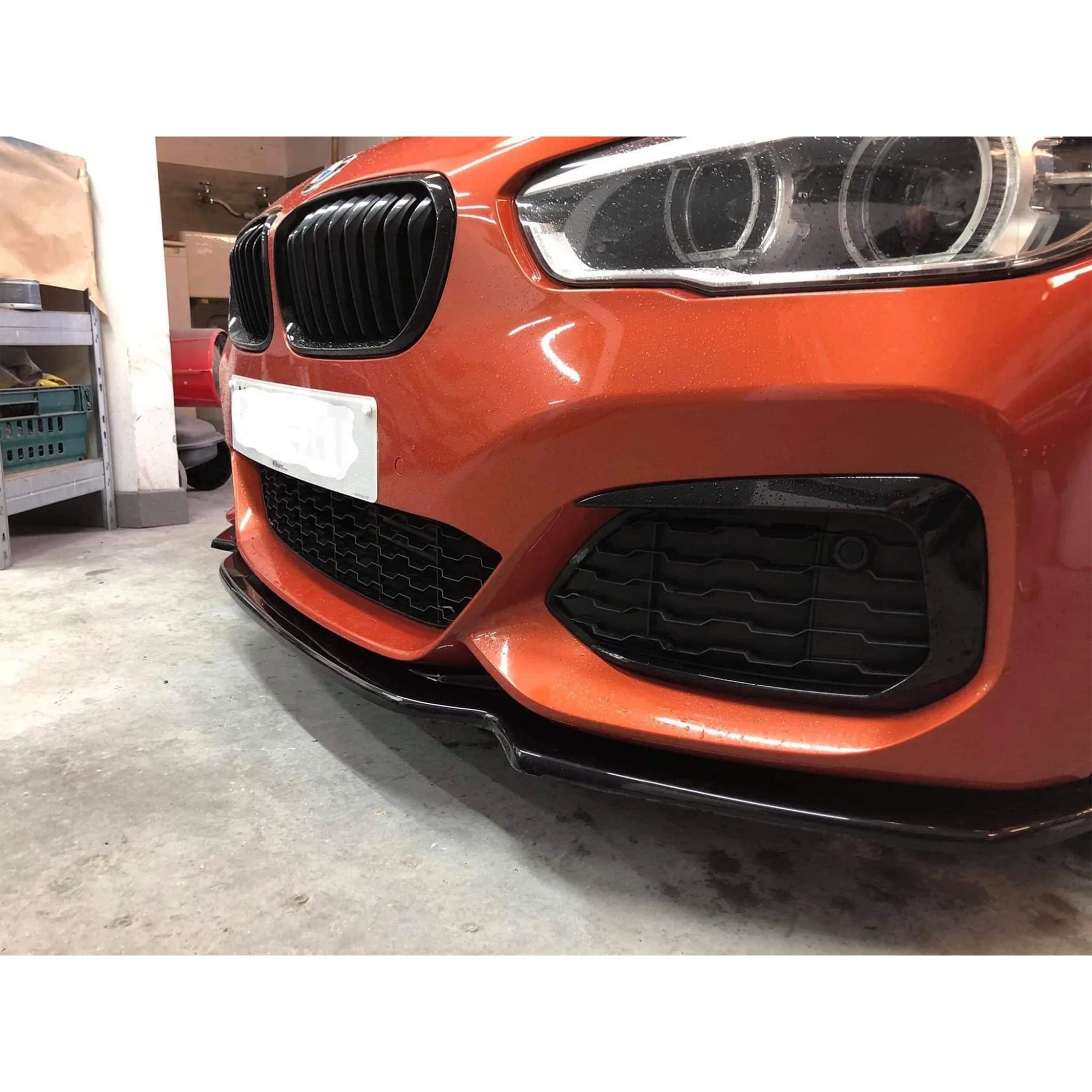
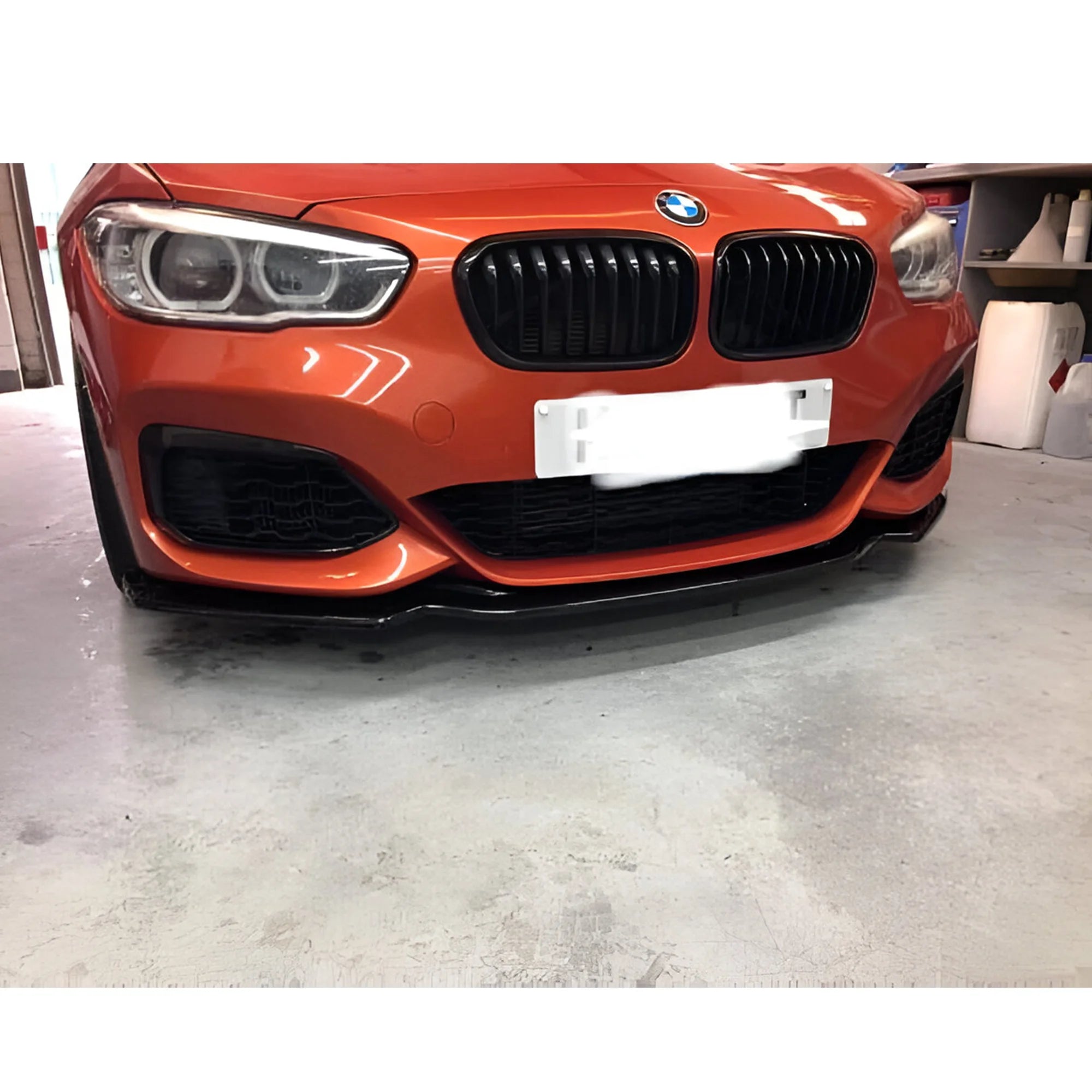
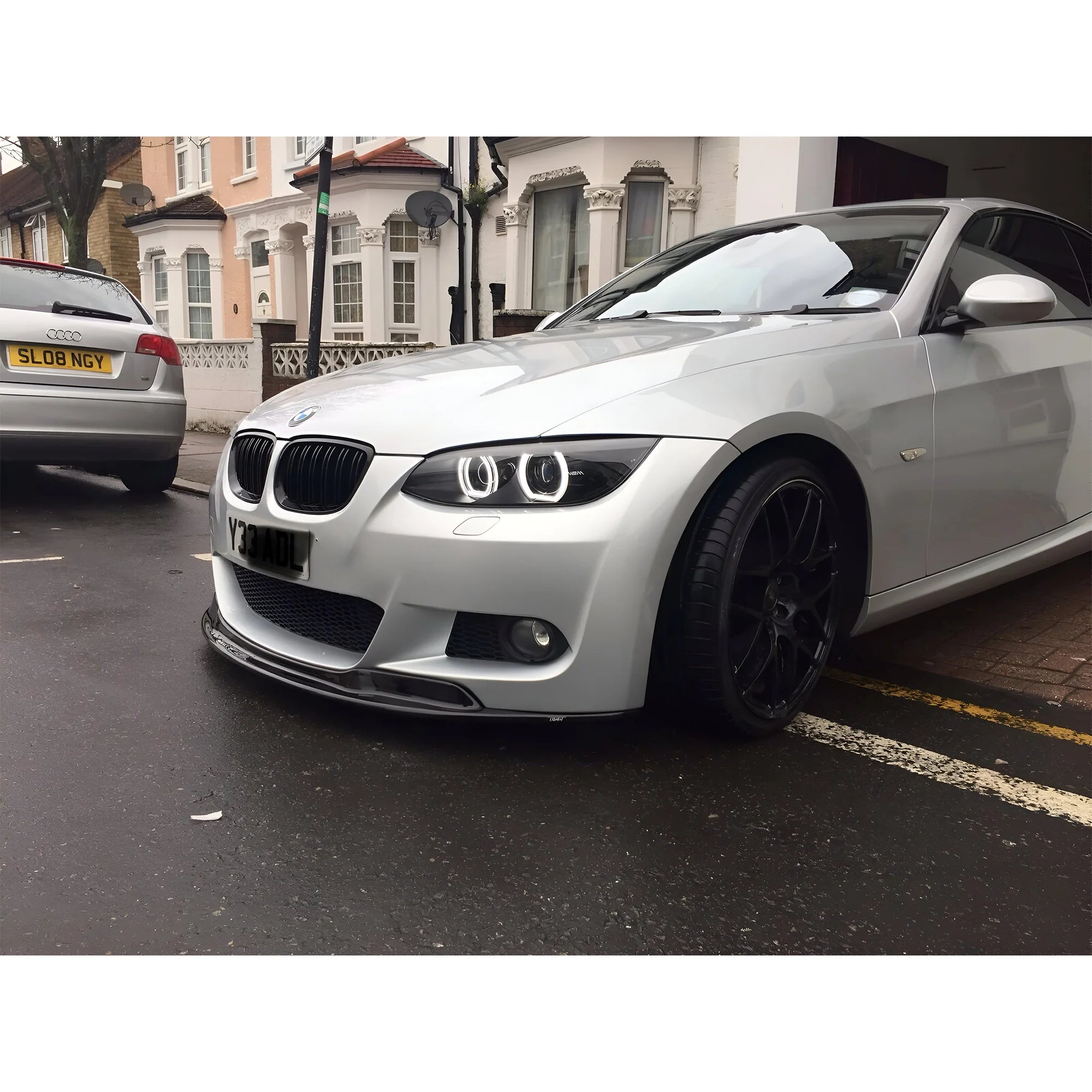
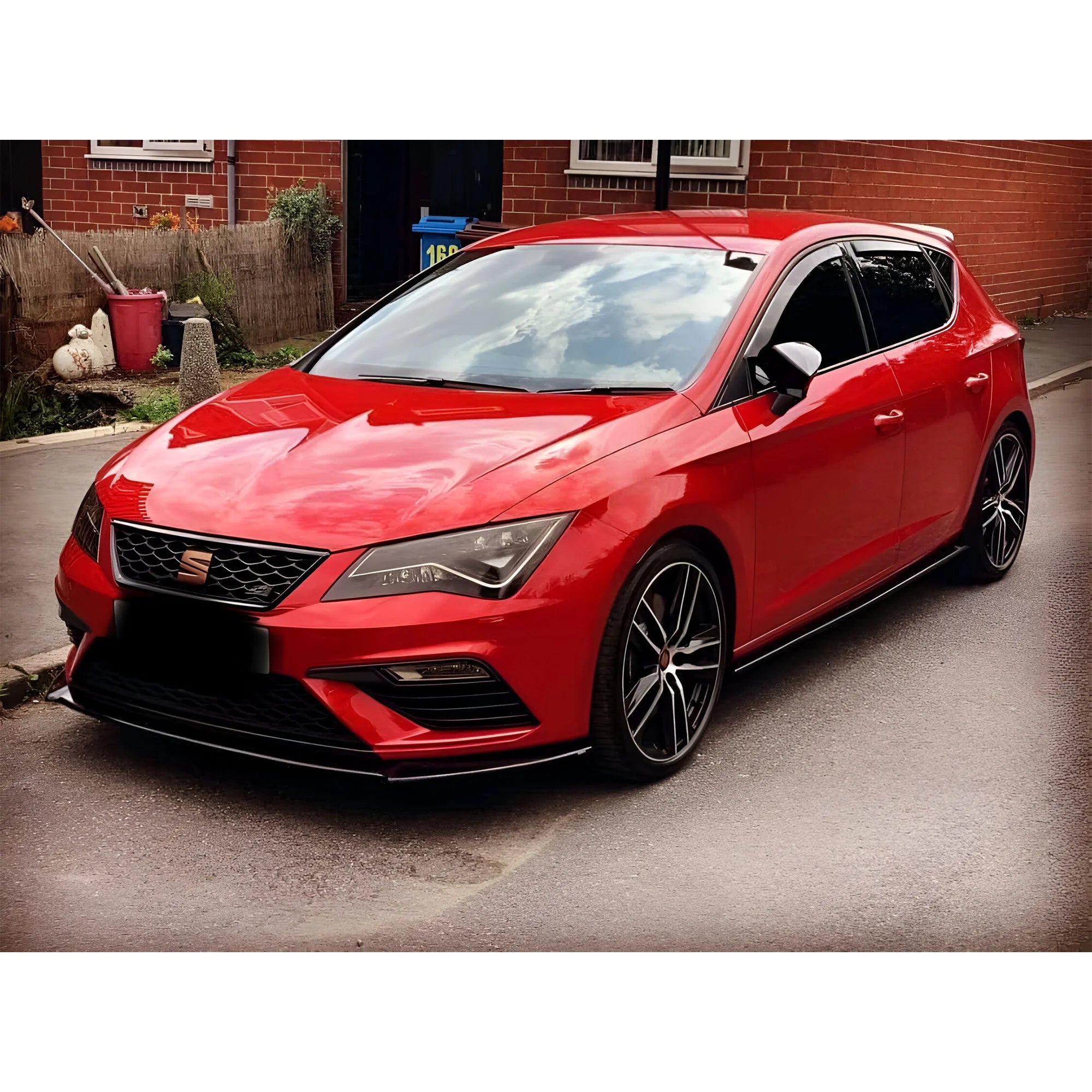
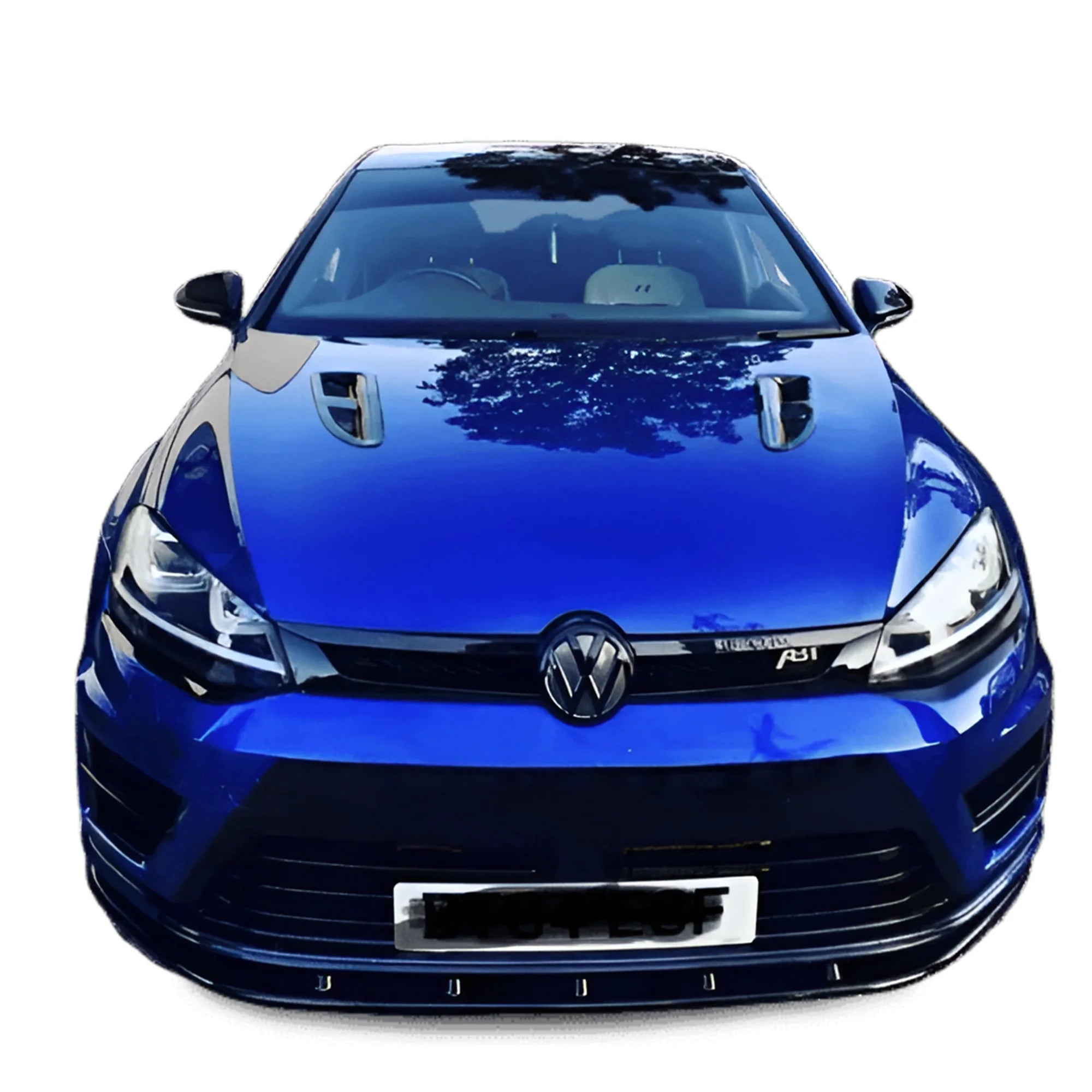
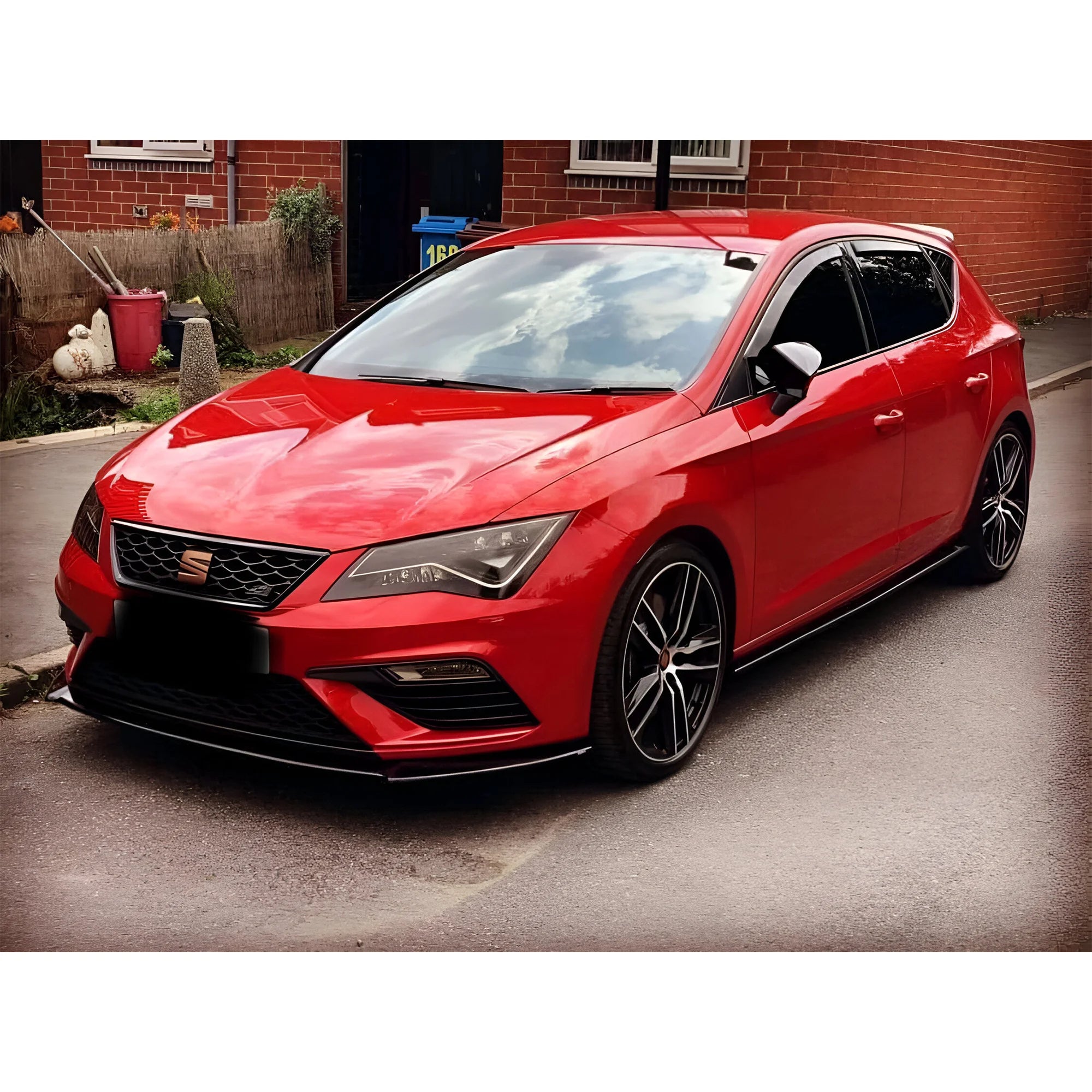
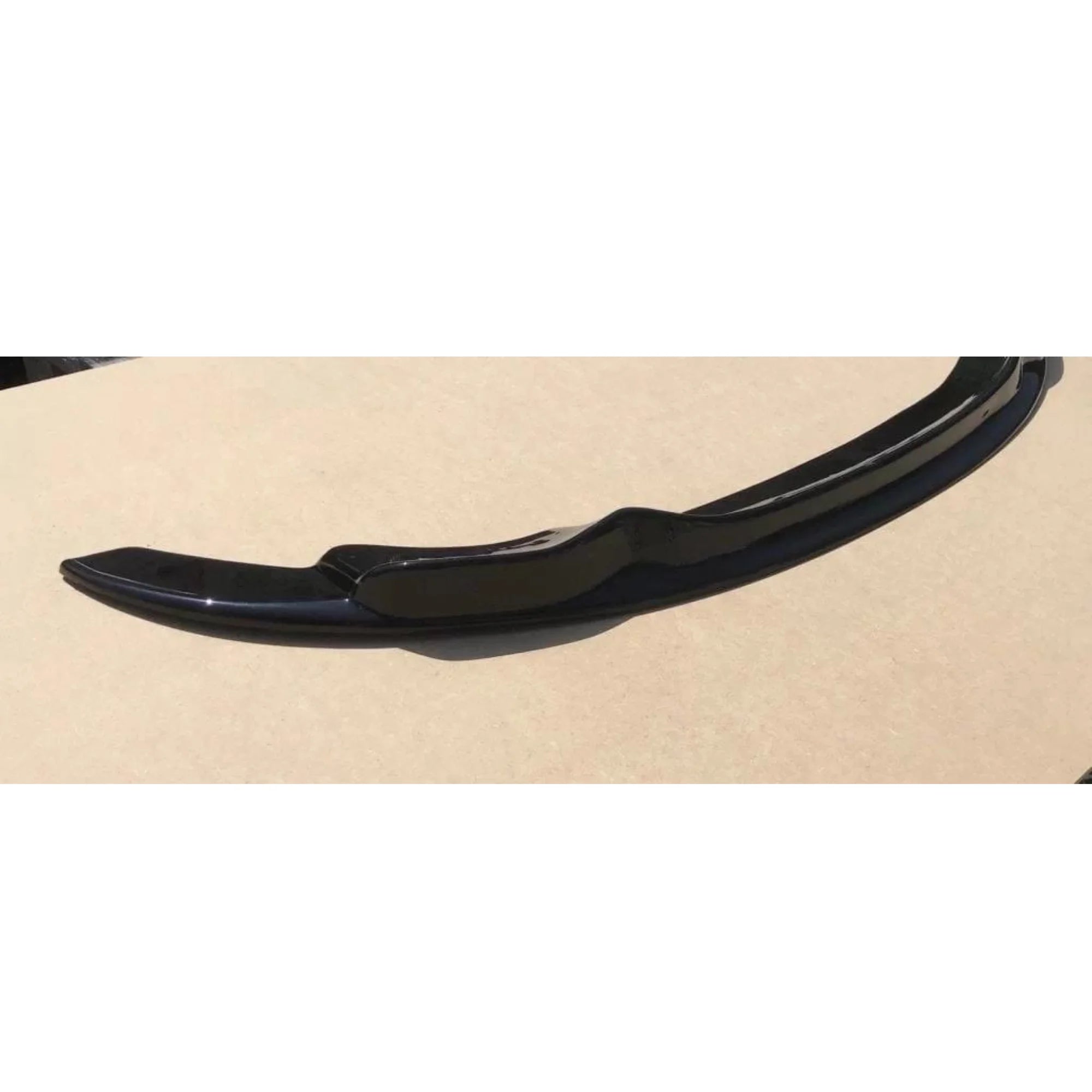
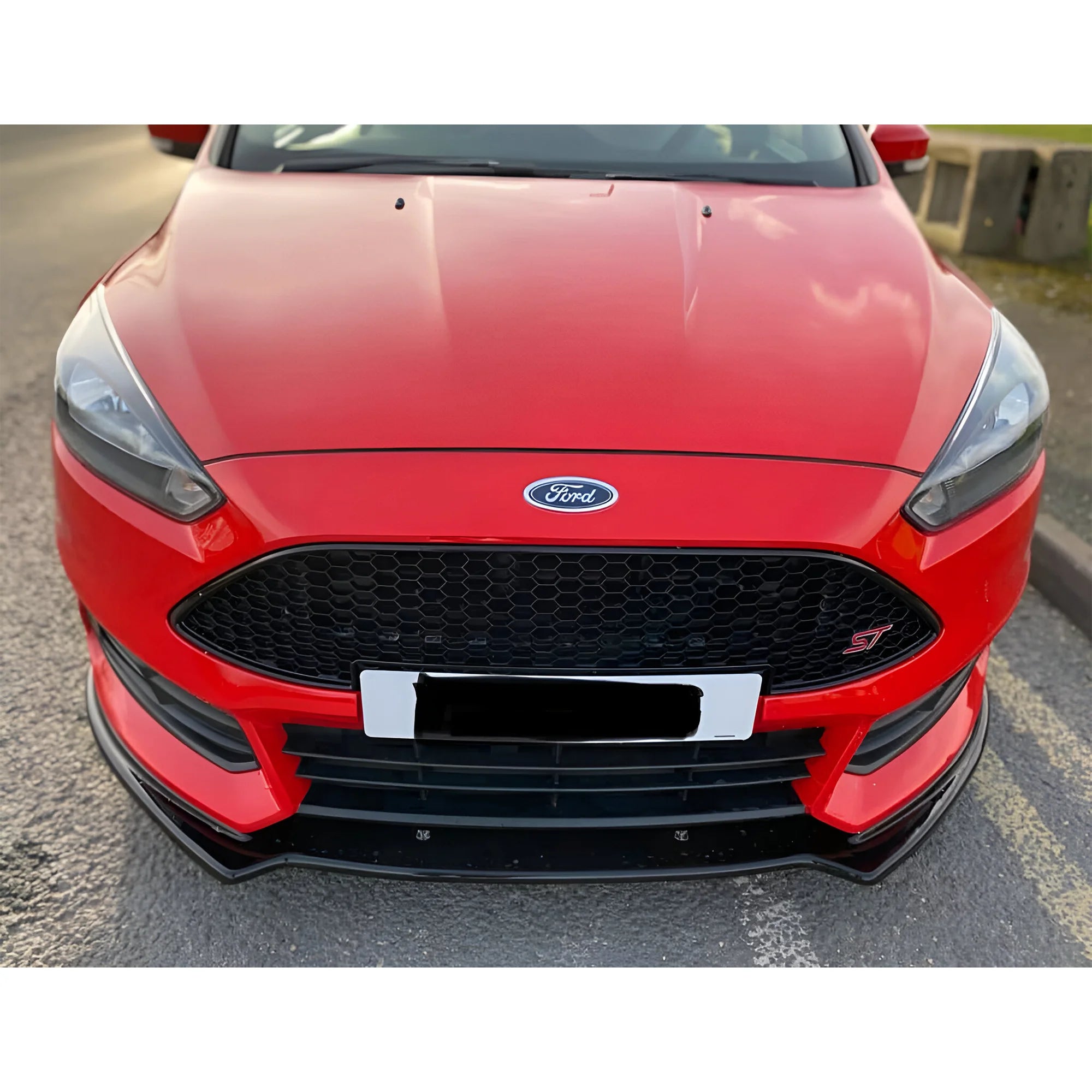
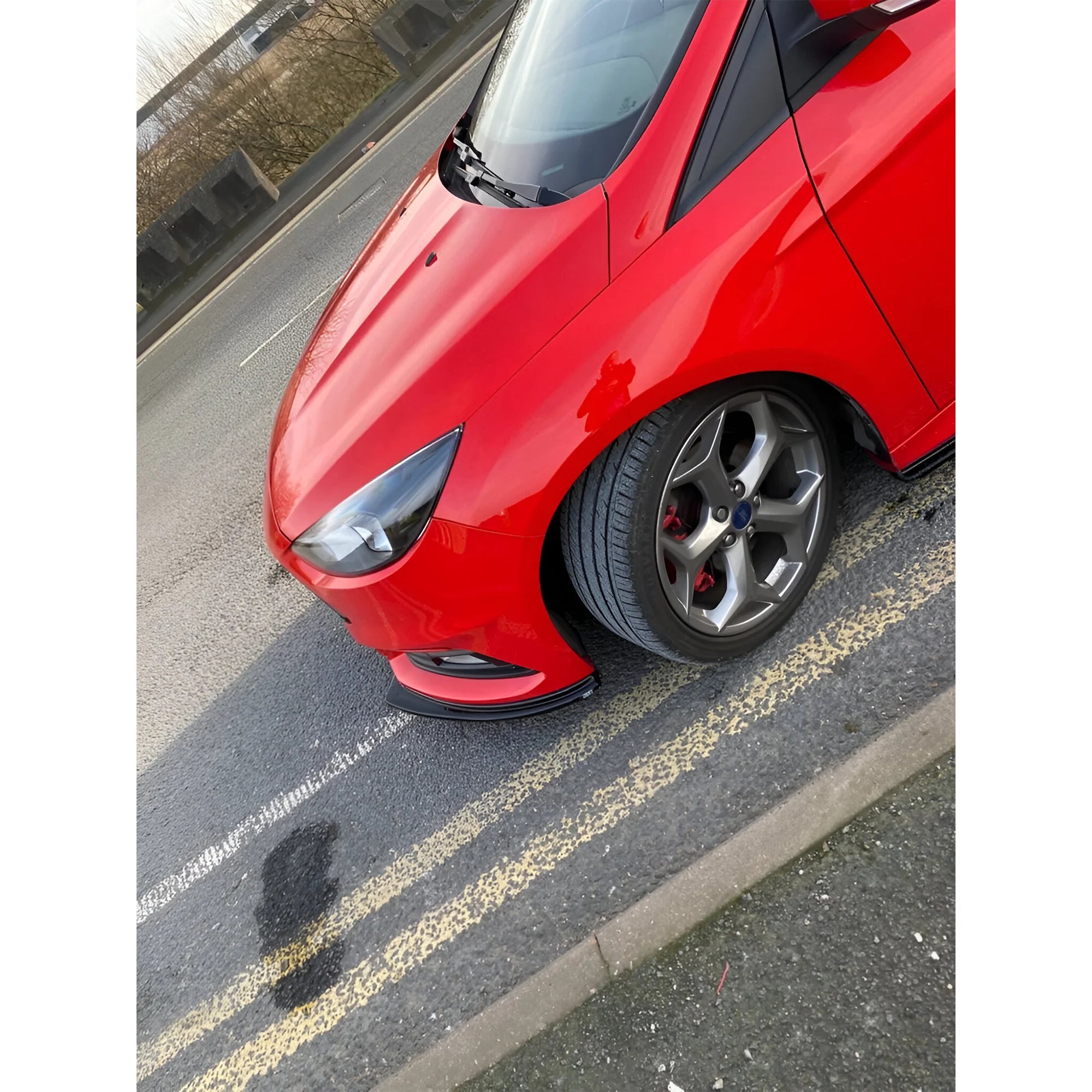
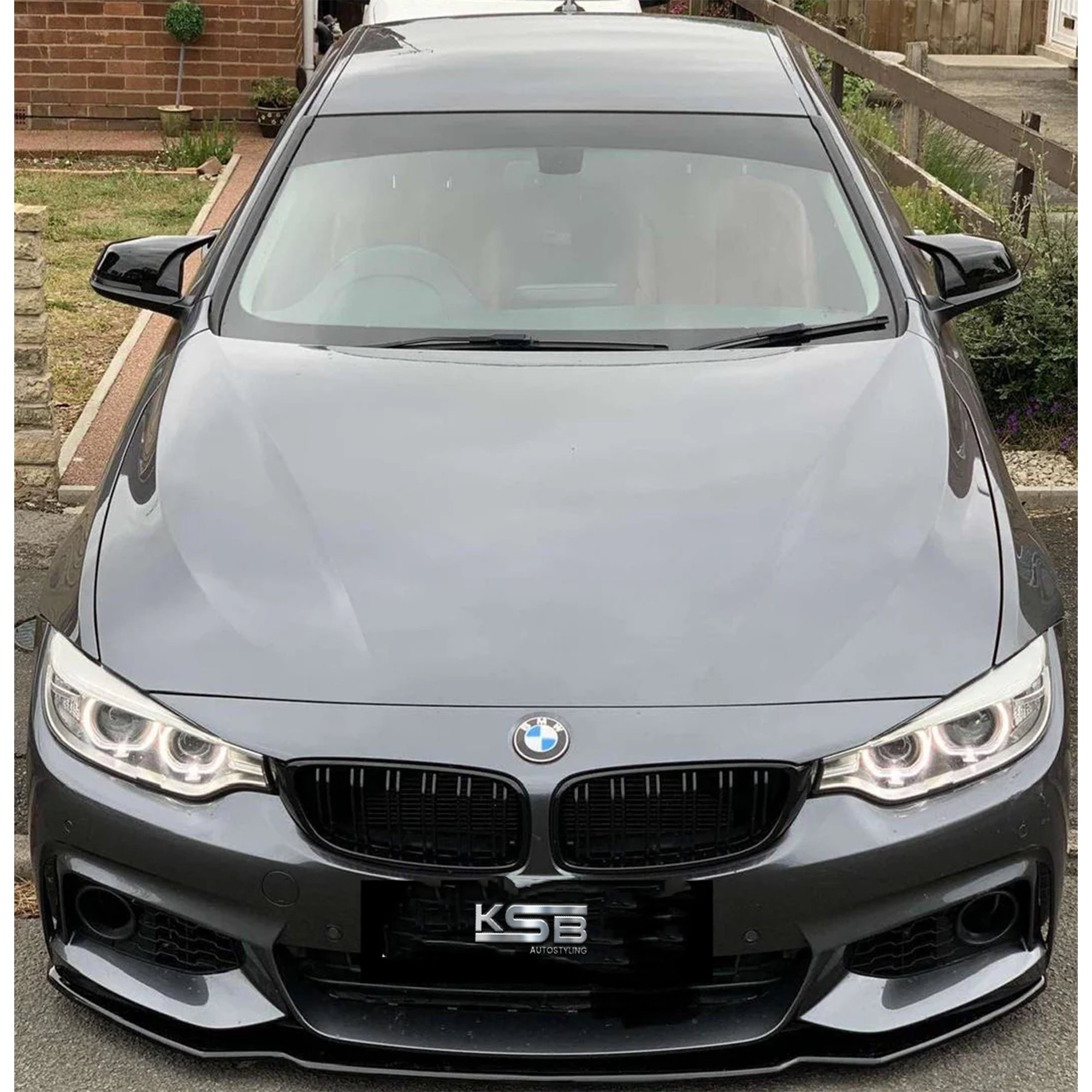
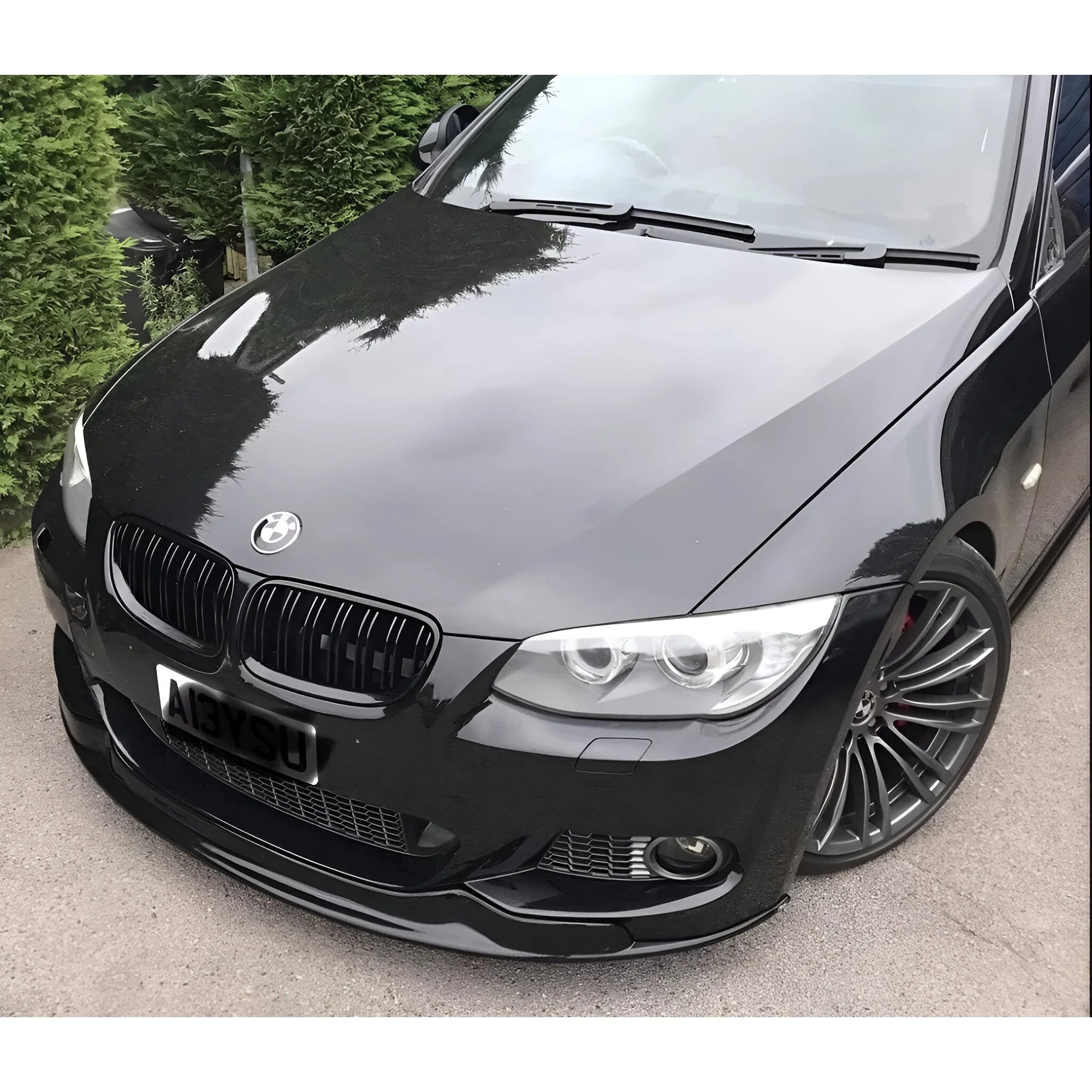
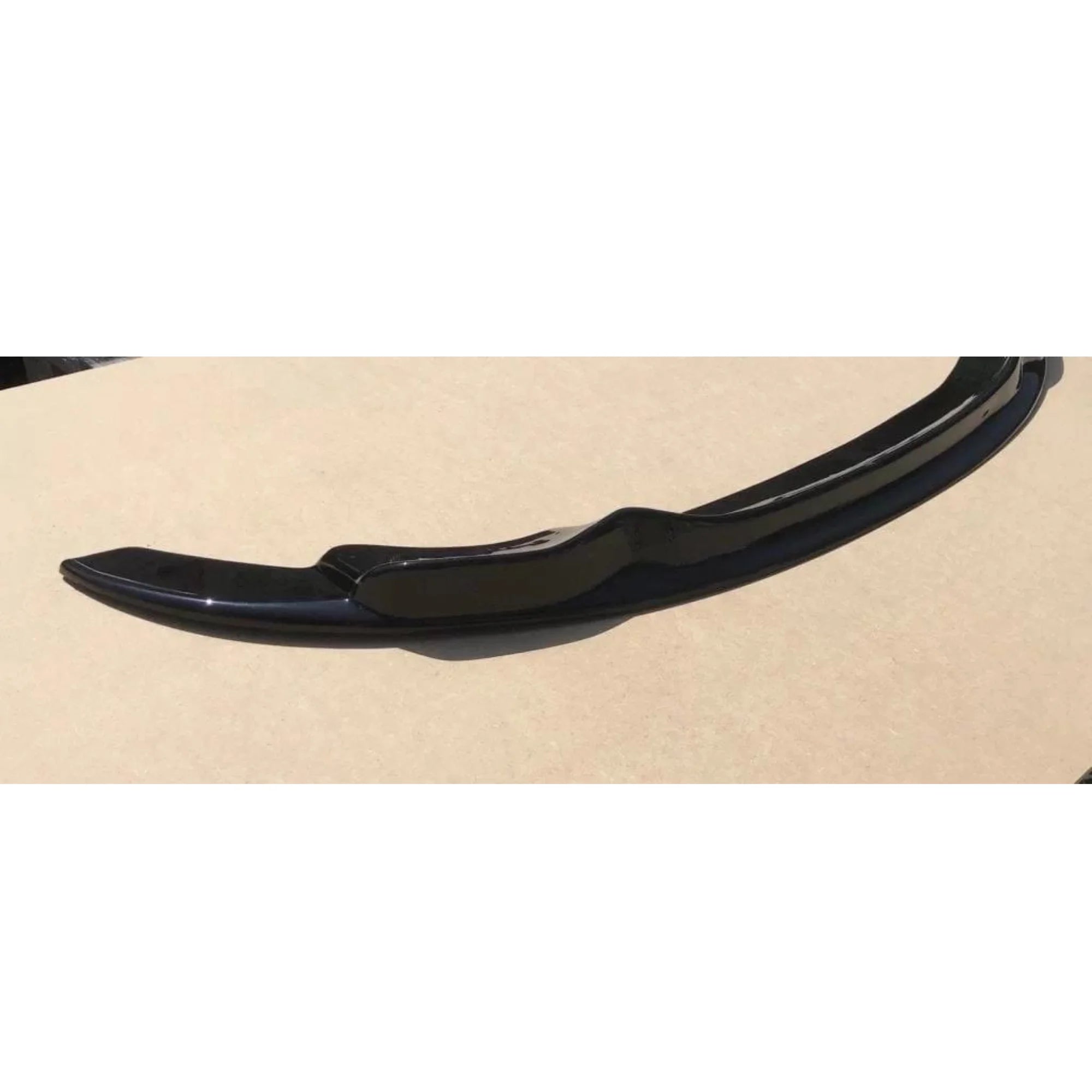
A front splitter sits below the factory front bumper and visually extends its lower edge.
On an MK7 or MK7.5 R, that tends to make the front look wider and closer to the ground. The difference is obvious from head-on and three-quarter angles, but the factory bumper still does most of the visual work.
That is why front splitters are popular as standalone modifications. You can alter the character of the front end without replacing the bumper itself.
If you want more background before choosing one, KSB's article on front splitter styles and options explains the different approaches in more detail. There is also a separate guide covering what a car splitter is and how it works.

How aggressive should a Golf R splitter be?
That depends more on the rest of the car than on the splitter itself.
A standard-height Golf R on factory wheels can suit a restrained, close-fitting front lip. A car already running lower suspension, wider wheels and stronger rear styling can usually carry something more pronounced without the splitter looking out of place.
Think about the side profile too. If the splitter sits noticeably lower than the standard sill and nothing continues that height along the car, the front can start to look visually disconnected.
There is also the practical side. A deeper splitter reduces the margin you have on speed bumps, steep driveways and multi-storey car park ramps. On a lowered Golf R, that becomes relevant very quickly.
Splitter only or splitter with side skirts?
A splitter alone makes sense if you want a modest first change, particularly on an otherwise standard Golf R.
Adding side skirt extensions suits a build where the goal is a more complete lower-body treatment. They become even more worthwhile once rear styling is added because they stop the front and rear modifications looking like separate ideas.
Pay attention to projection. A very shallow splitter paired with oversized side extensions can look just as mismatched as an aggressive splitter with completely standard sides.
Matching the general depth and finish is usually more important than buying every part from the most aggressive range available.
Rear Diffusers and Rear Splitters: What Is the Difference?
A rear diffuser and rear splitters are not simply two names for the same thing.
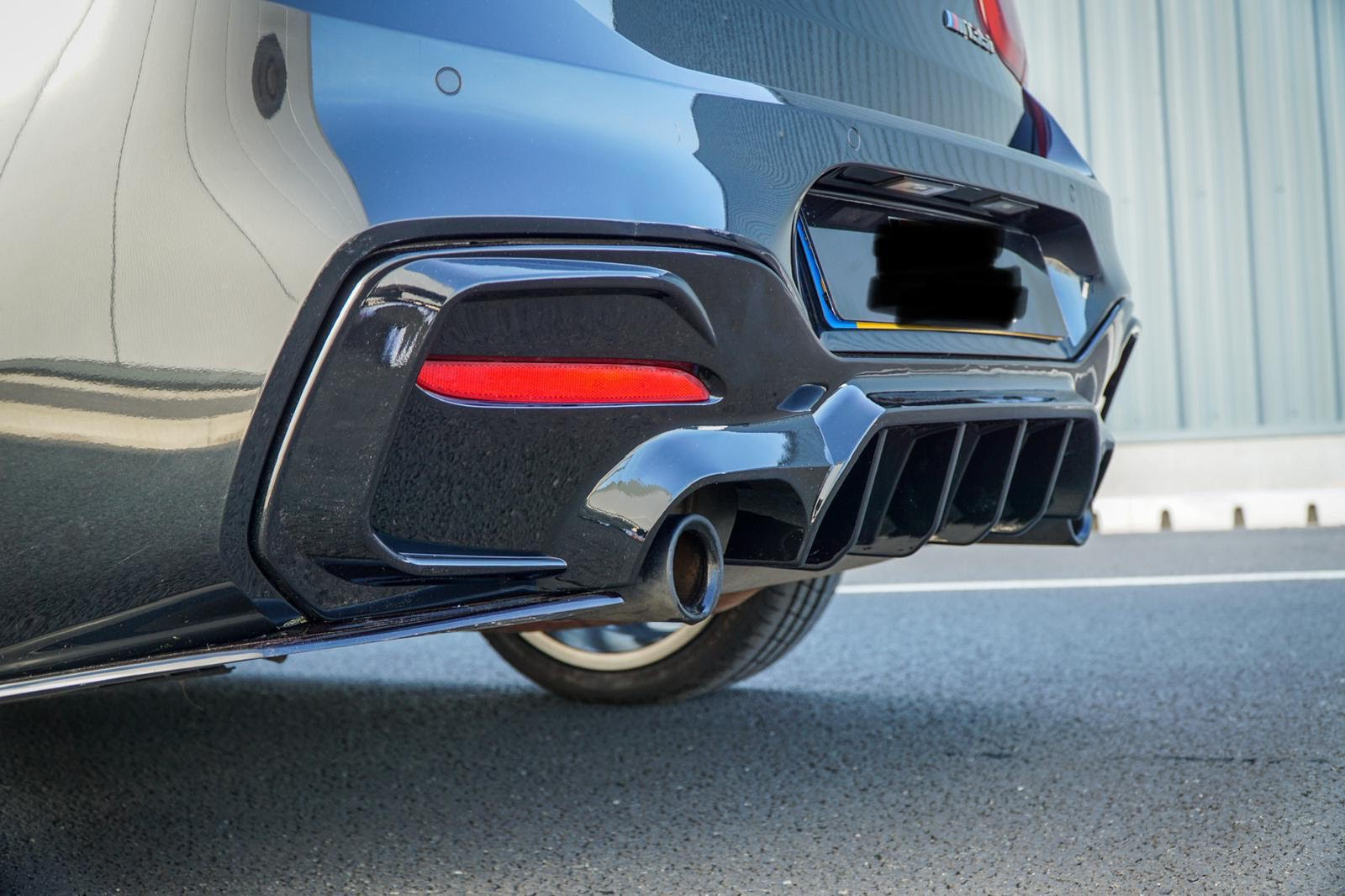
A diffuser usually occupies more of the lower centre of the rear bumper, often around or between the exhaust outlets. Rear splitters are smaller pieces positioned closer to the lower outer corners.

Both can make the rear look lower and more purposeful, but they do it differently.
KSB's rear diffuser guide covers the distinction between styling-led diffusers and parts intended for more functional aerodynamic applications.
That distinction matters. Unless a particular aftermarket component has been developed and tested for aerodynamic performance, it is safer to judge it as an exterior styling part rather than assume it produces meaningful downforce.
Which rear option works best on a Golf R?
Look at what has already been fitted elsewhere.
If the front splitter and side extensions create a strong lower edge, a diffuser can give the rear enough visual weight to match them. Rear splitters can work particularly well where a subtler finish is wanted or where they form part of a coordinated front-side-rear kit.
The Golf R's exhaust layout is already a major rear design feature, so there is little value in adding something that fights for attention with it.
The cleanest rear setups tend to frame the factory features rather than bury them.
Should You Fit a Splitter, Skirts and Rear Styling Together?
They do not all need to go on at the same time.
In fact, modifying the car in stages can make it easier to see what it actually needs.
Start with a front splitter and view the car from the side, front three-quarter and rear three-quarter angles. If the nose now looks much lower than the sill, side extensions are the logical next move. Once those are fitted, look again at the rear. If it feels visually high or plain compared with the rest of the car, that is where a diffuser or rear splitters become useful.
A complete kit simply reaches the same result in one go.
For an OEM+ Golf R, consistency beats size. Similar finishes, sensible projection and shapes that follow the original bodywork tend to age better than a collection of unrelated styling pieces.
Complete Golf R Body Kit or Individual Parts?
Buying a full body kit is the straightforward option if you already know you want the front, side and rear of the car changed.
The main advantage is visual consistency. Components intended to work as a set are less likely to leave one area looking noticeably heavier than another.
Buying individual pieces gives you more control. You can start with the part that bothers you most, spread the work over time, or leave certain factory areas untouched.
Neither approach is automatically better.
A Golf R with one well-selected splitter can look cleaner than a car covered in parts that do not share the same proportions.
If you are comparing different kit types more generally, KSB's body kit fitment guide is worth reading before buying. The site also covers common body kit mistakes and how to avoid them.
ABS, Fibreglass or Carbon Fibre?
For a road-driven Golf R, ABS is a popular choice because it combines low weight with useful flexibility. It is less brittle than typical fibreglass, which matters on pieces mounted close to the ground.
Fibreglass remains useful for custom shapes and specialist applications, though it generally needs more care around impacts.
Carbon fibre offers a distinctive exposed weave and low weight, but cost rises considerably. A carbon part also makes the most visual sense when it suits the rest of the car rather than being included purely because carbon fibre is considered premium.
For a deeper material comparison, see KSB's guide to choosing the right body kit material and its article on ABS plastic for car styling.
How Difficult Are Splitters, Side Skirts and Diffusers to Fit?
There is no single difficulty level because the mounting method varies by part and car.
The important step is trial fitting.
Place and align the component before drilling, bonding or tightening anything permanently. Check both sides rather than judging it from one angle. A few millimetres of poor alignment at the centre can become much more obvious at the corners.
This matters even more with a complete kit. If the front, sides and rear are all being fitted, each component needs to sit correctly on its own while still looking consistent with the others.
If you are comfortable working beneath the car and understand the fixing method, some splitter installations can be handled at home. KSB has a dedicated step-by-step splitter installation guide.
For a full kit, the site's body kit installation guide goes further into the process.
If you are unsure about drilling, alignment or secure mounting, professional fitting is the sensible option. A cheap installation can ruin the appearance of a good part surprisingly quickly.
Do Golf R Styling Modifications Need to Be Declared to a UK Insurer?
A non-standard body kit, splitter, side skirt or diffuser should be disclosed to your insurer.
Cosmetic modifications can still affect how an insurer assesses a vehicle. The exact impact depends on the insurer and policy, so there is no useful universal answer about whether a particular part will change the premium.
The safer approach is simple: tell the insurer what has changed and let them confirm how it affects the policy.
KSB also has a dedicated article covering body kits and UK legality, which is relevant if your build is moving beyond subtle factory-style additions.
How to Choose the Right MK7 or MK7.5 R Styling Setup
Start by deciding what looks unfinished on your own car rather than copying somebody else's complete build.
If you mainly want the front to sit better visually, start with a model-specific splitter.
If the front looks right afterwards but the side profile now appears high, add side skirt extensions that follow a similar line.
If the front and sides have enough presence but the rear feels too standard, bring in a diffuser or rear splitters.
For a complete build, treat the lower edge of the Golf R as one continuous shape. The front, sides and rear do not need to be identical, but they should look as though they belong on the same car.
Before ordering, confirm the MK7 or MK7.5 application, check bumper compatibility, account for any lowered suspension and read the fitting requirements. Material, projection and finish come next.
That sequence avoids the most common styling problem: buying the part you like in isolation and only later discovering that it does not suit the rest of the car.
For the Golf R, restraint often works in your favour. Get the fit right, keep the proportions consistent and let the original shape of the car do the rest.
FAQs
What are the best styling mods for a Golf MK7 R?
A front splitter, side skirt extensions and rear diffuser or rear splitters usually make the biggest difference to an MK7 R's exterior because they reshape the lower profile without replacing the main body panels. For the cleanest result, choose parts with similar projection and finish rather than treating each area separately.
Are MK7 and MK7.5 R rear diffusers interchangeable?
Not as a general rule. The rear bumper and lower valance differ between the two versions, so choose a diffuser specifically listed for your Golf R generation and bumper.
Do side skirt extensions make a Golf R look lower?
Visually, yes. Side skirt extensions extend the lower sill line and can make the body appear closer to the road. They do not change suspension ride height, but they help connect a front splitter to the rear styling.
Should I fit a splitter, side skirts and diffuser together?
Only if the complete setup suits the look you want. A splitter can work perfectly well on its own. Adding side extensions and rear styling becomes worthwhile when you want a continuous lower-body line and a similar level of visual detail from every angle.
Will fitting a front splitter reduce ground clearance?
Yes. A splitter extends below the factory front bumper, so the front edge sits closer to the road. The effect is more noticeable on lowered cars and should be considered if you regularly encounter steep ramps, speed bumps or awkward driveways.
Can I fit a Golf R front splitter myself?
Some splitters can be fitted at home if you have the correct tools, safe access underneath the car and understand the mounting method. Always trial fit the part and check its alignment before drilling or tightening permanent fixings. If you are uncertain about secure mounting, professional fitting is the safer choice.