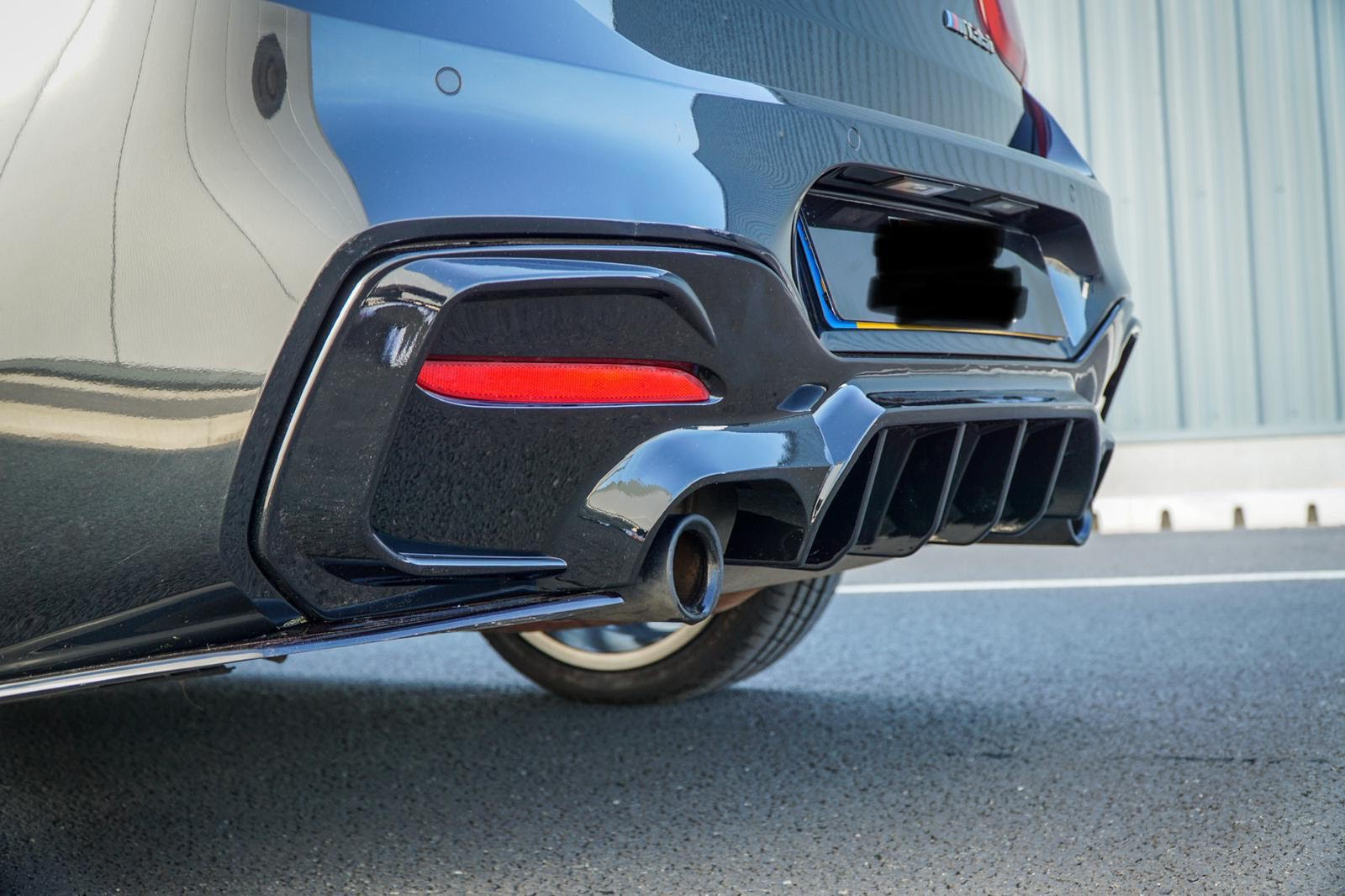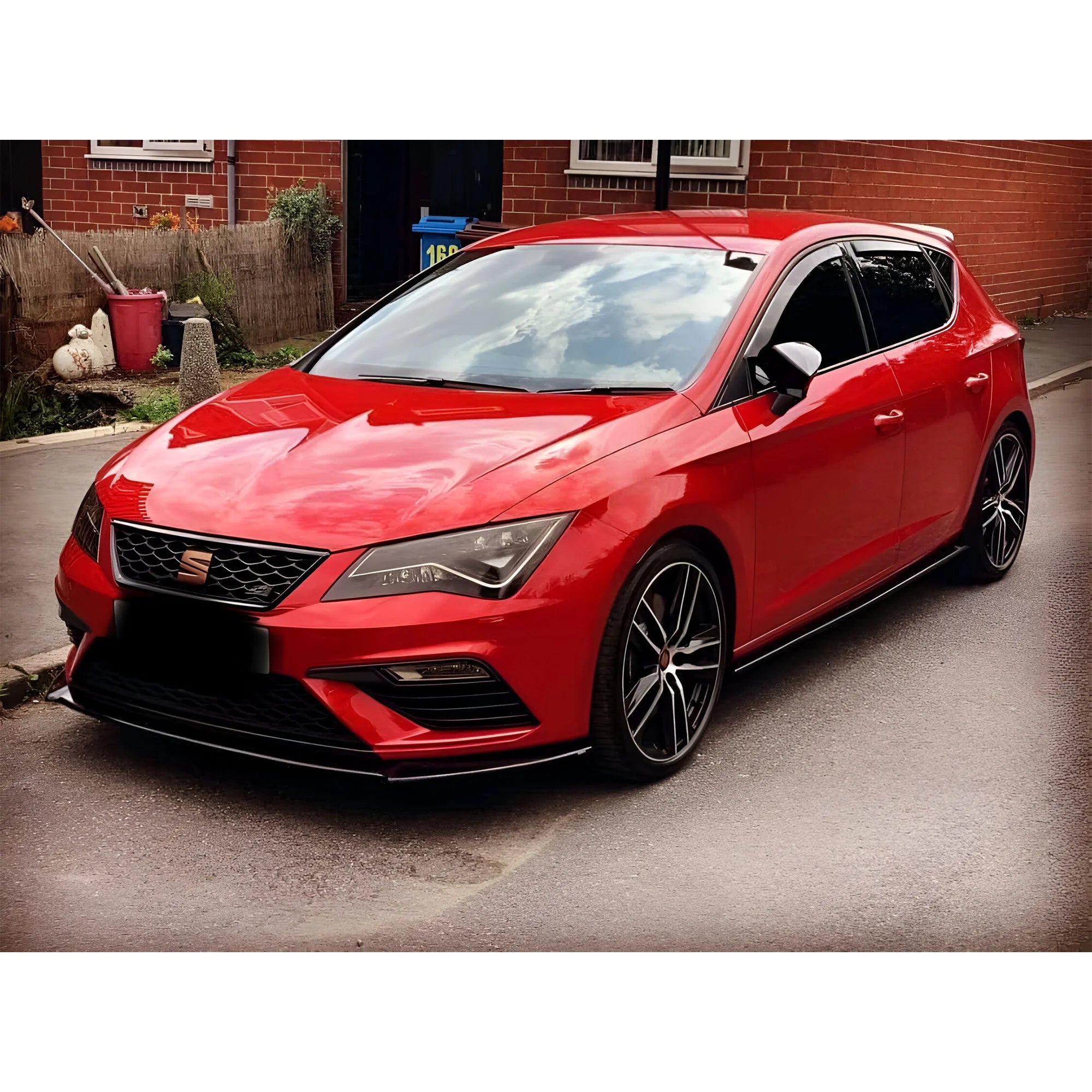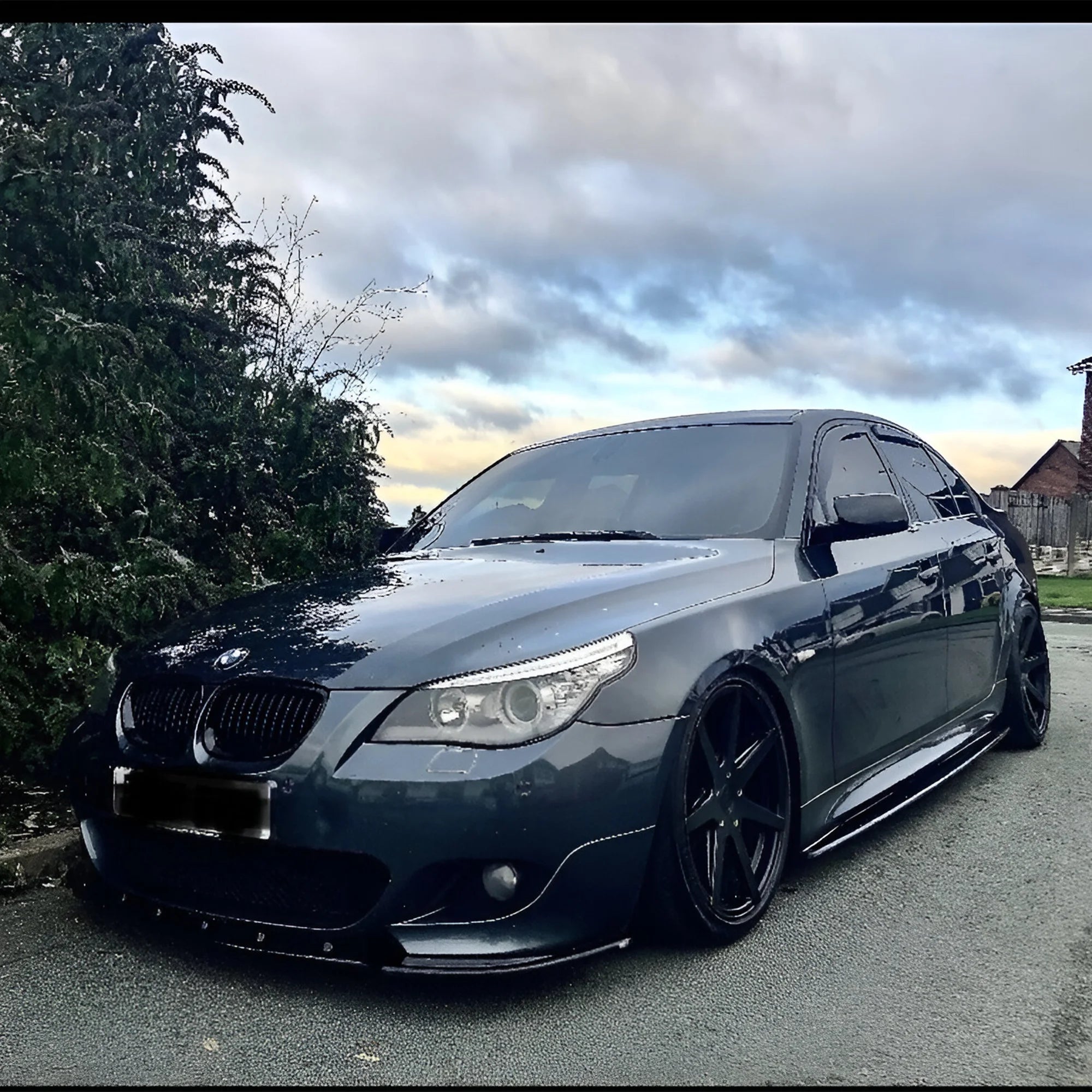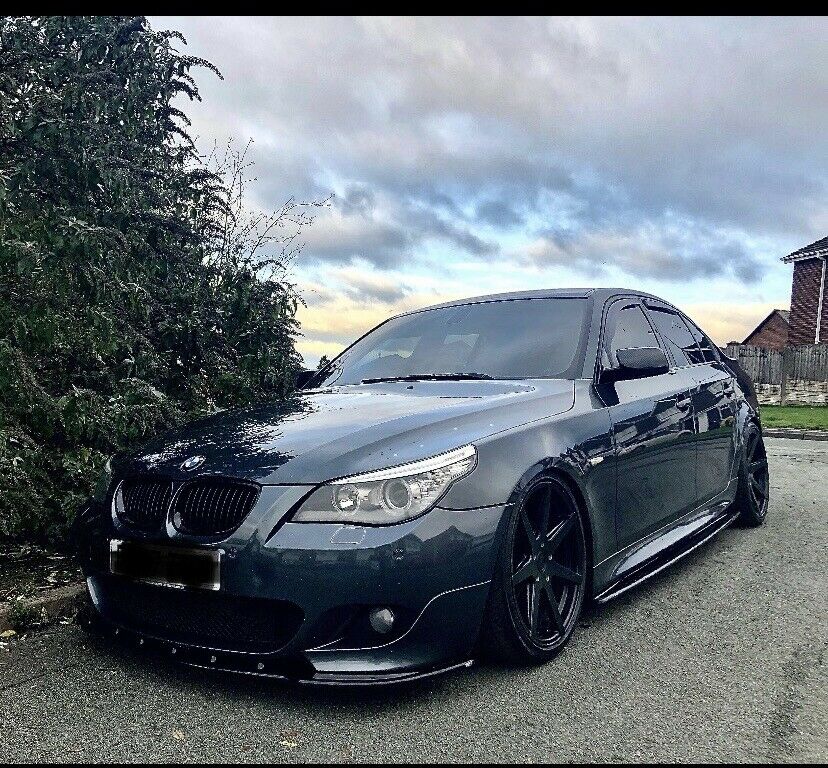

Front Splitters: Styles, Benefits & Best Options in 2025
When people ask me whether a front splitter is actually worth it in 2025, my answer is simple. Yes, if it is chosen properly and installed professionally. A front splitter improves front-end grip, stability at speed, and steering confidence, while also giving the car a lower, sharper, more purposeful look. In the UK, I see most drivers opting for model-specific front splitters that balance real aerodynamic gains with everyday usability, especially on BMW and Ford performance models.
Why Front Splitters Matter
I have noticed that modern cars, especially performance sedans and sports cars, feel light at the front once speeds increase. That front-end lift affects how confident the car feels when cornering, braking, or overtaking. A front splitter solves that problem by controlling airflow before it reaches the underside of the car.
From my experience, UK drivers are no longer interested in upgrades that only look good in photos. They want parts that make the car feel more planted on fast A-roads, motorways, and long drives. That is why front splitters have become one of the most practical exterior upgrades in 2025.
How a Front Splitter Actually Works
I like to explain a front splitter in simple terms. It extends from the bottom of the front bumper and forces air to move around the car instead of flowing underneath it. This creates higher pressure above the splitter and lower pressure below it, producing downforce at the front axle.
Additionally, the front splitters can aid sharper turn-in, provide better stability at speed, and enable more effective control while braking hard.
Front Splitter Styles in 2025
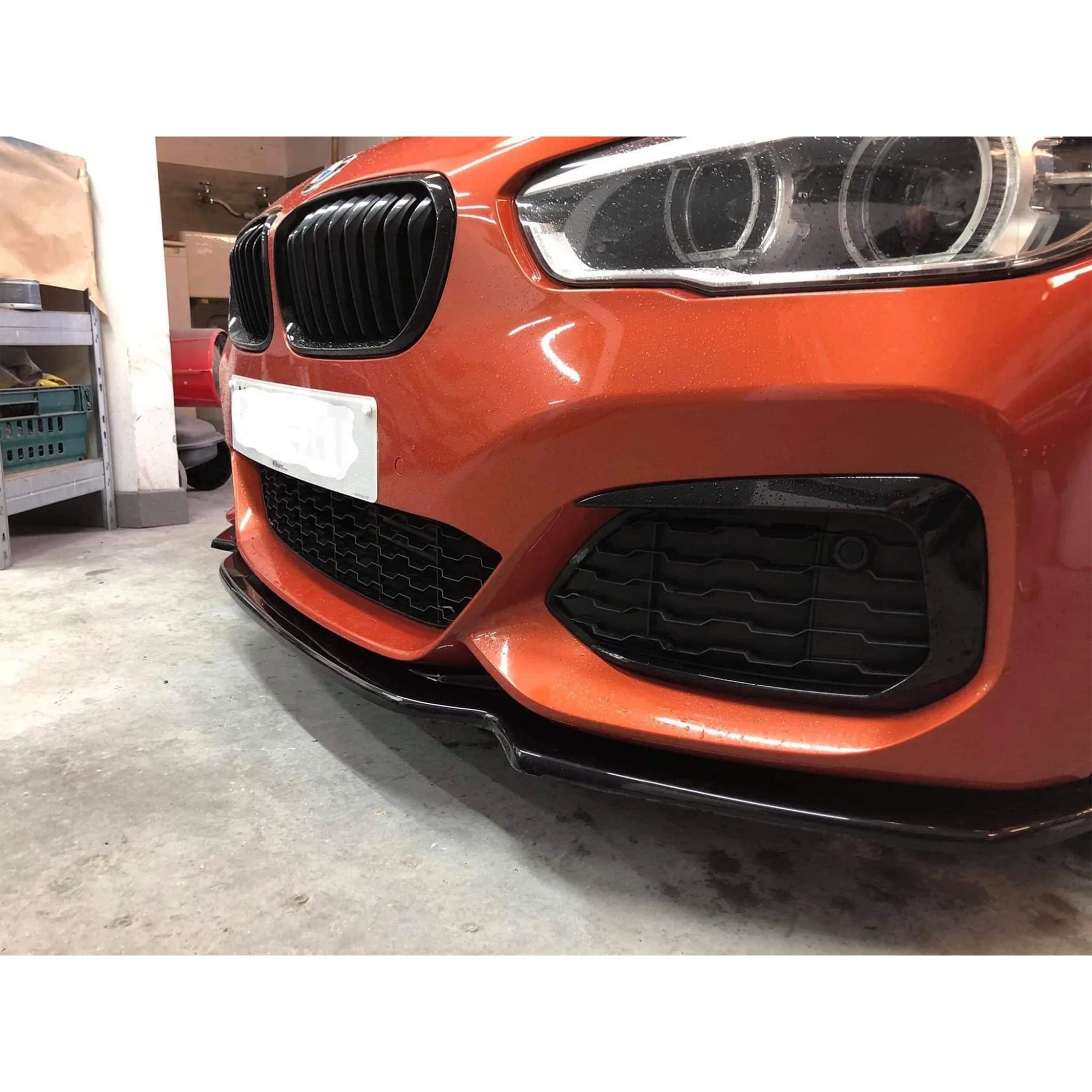
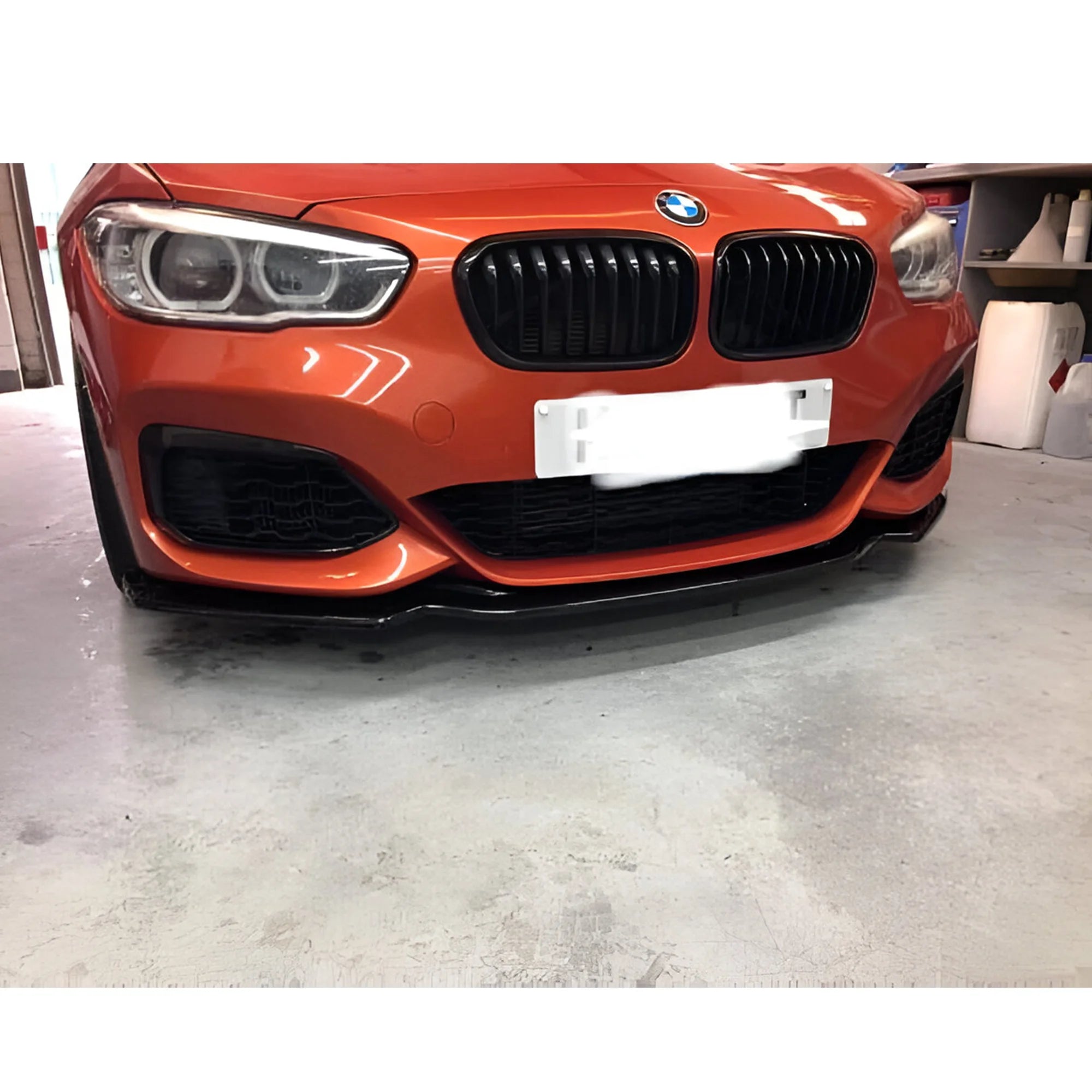
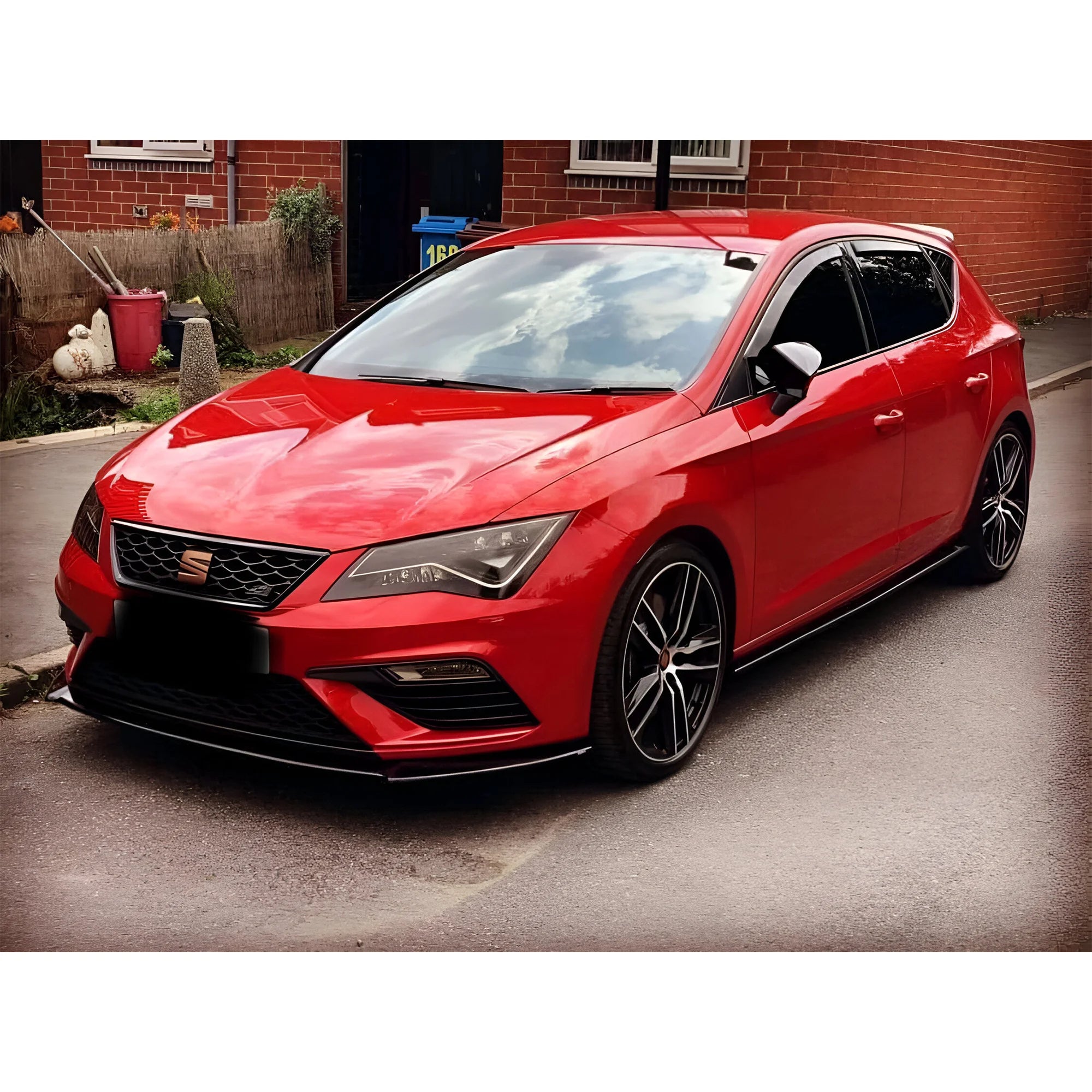
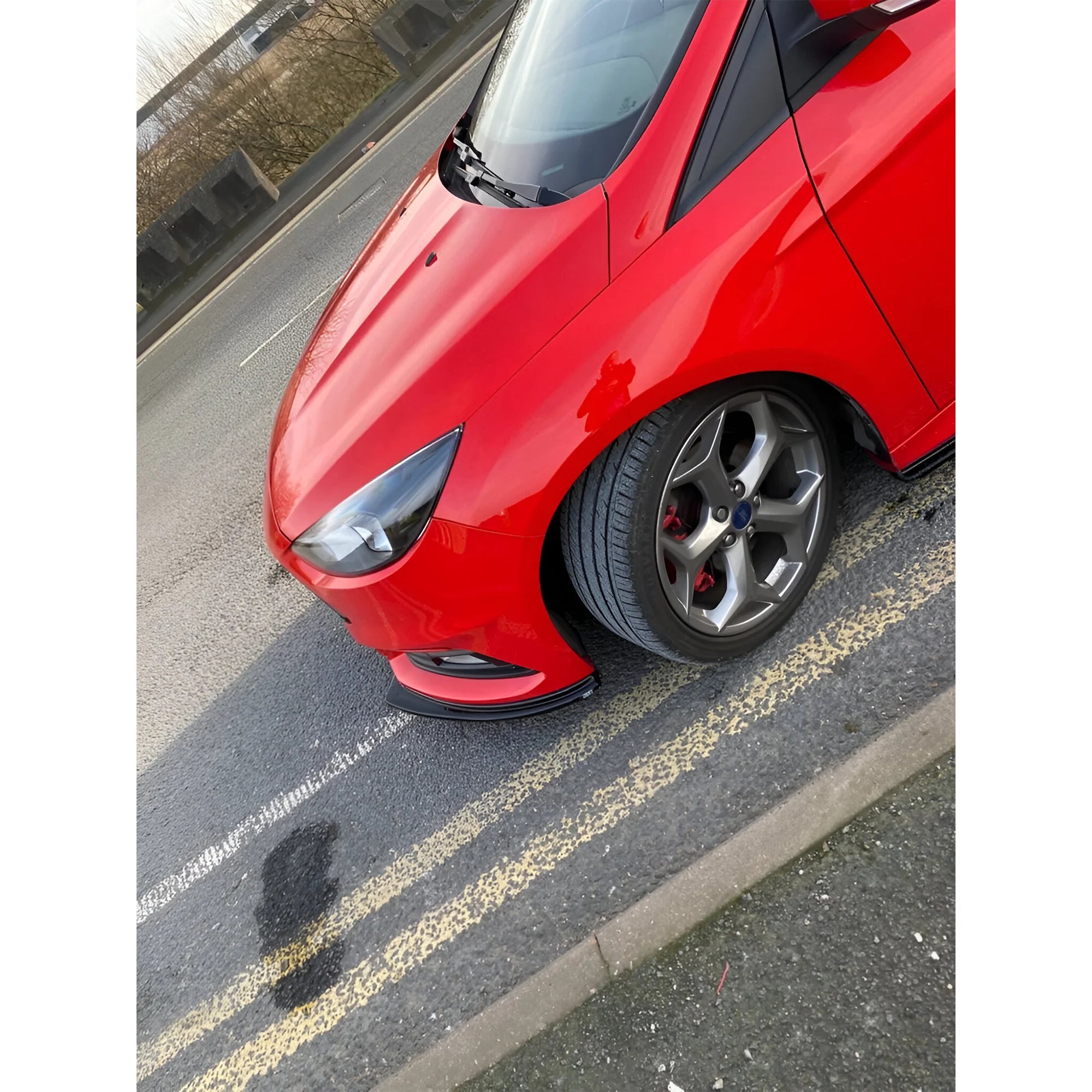
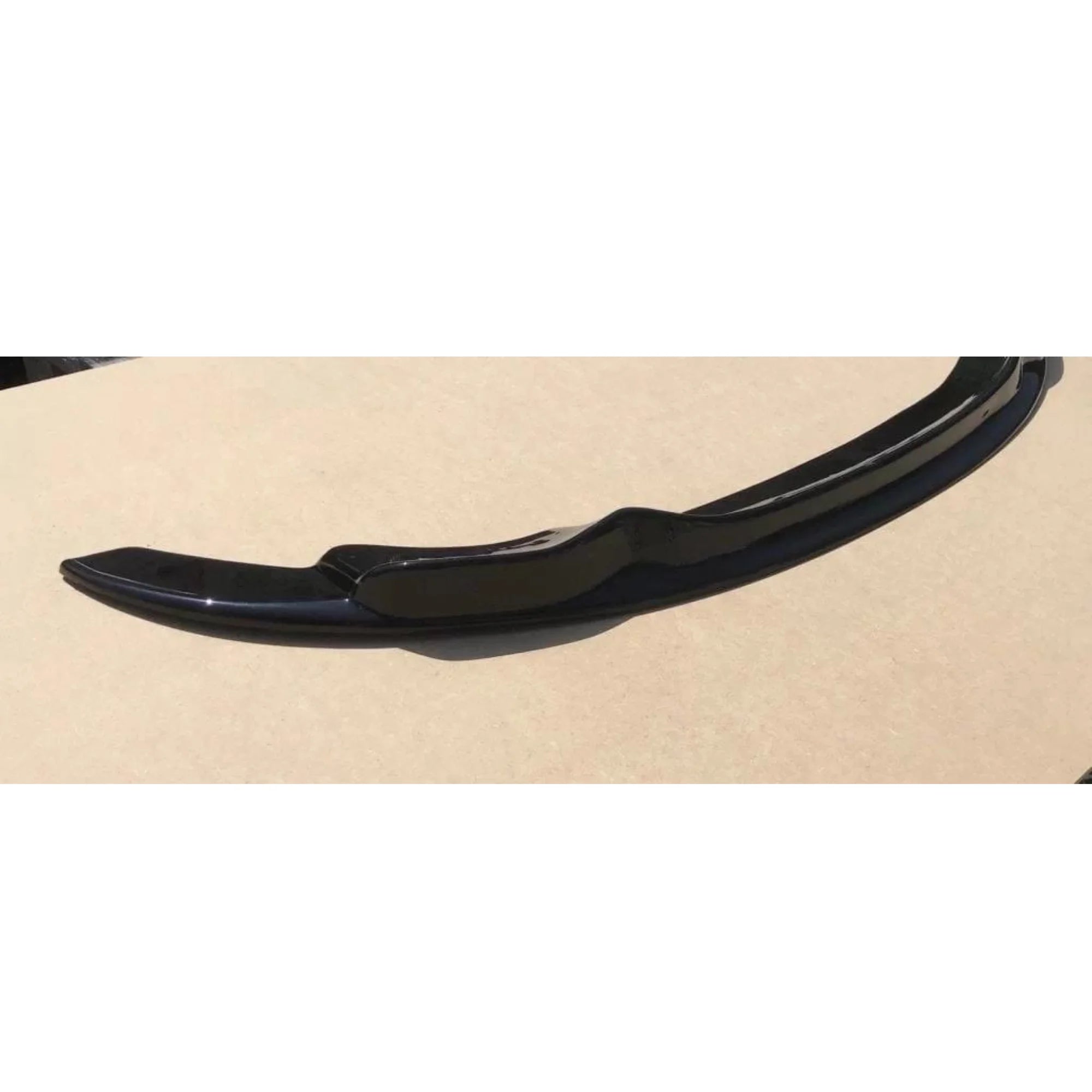
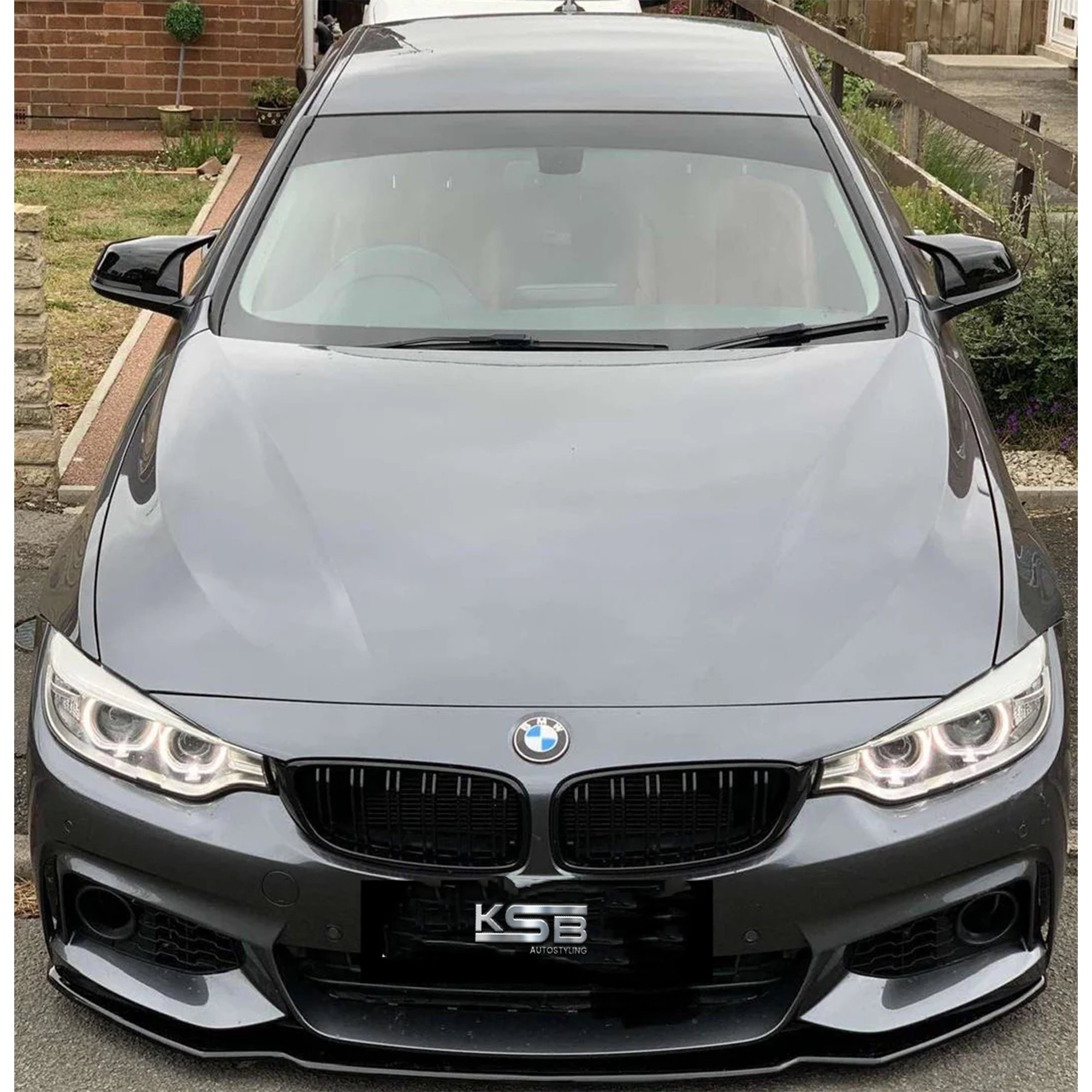
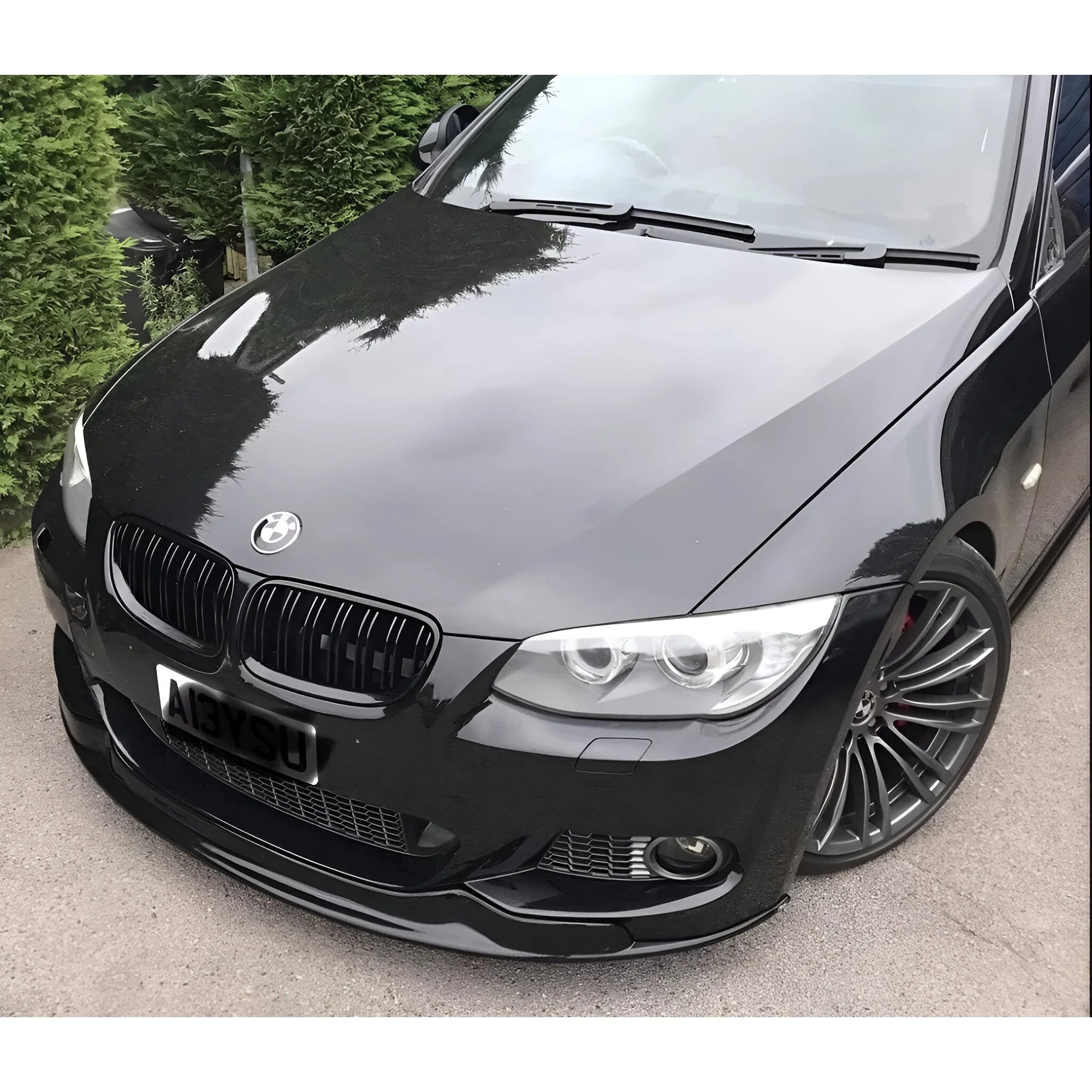
From what I see in the UK market, three splitter styles dominate. Front lip splitters are the most common choice. I recommend them for daily-driven cars because they sit neatly under the bumper, improve airflow slightly, and give the car a clean OEM-plus look without ruining ground clearance.
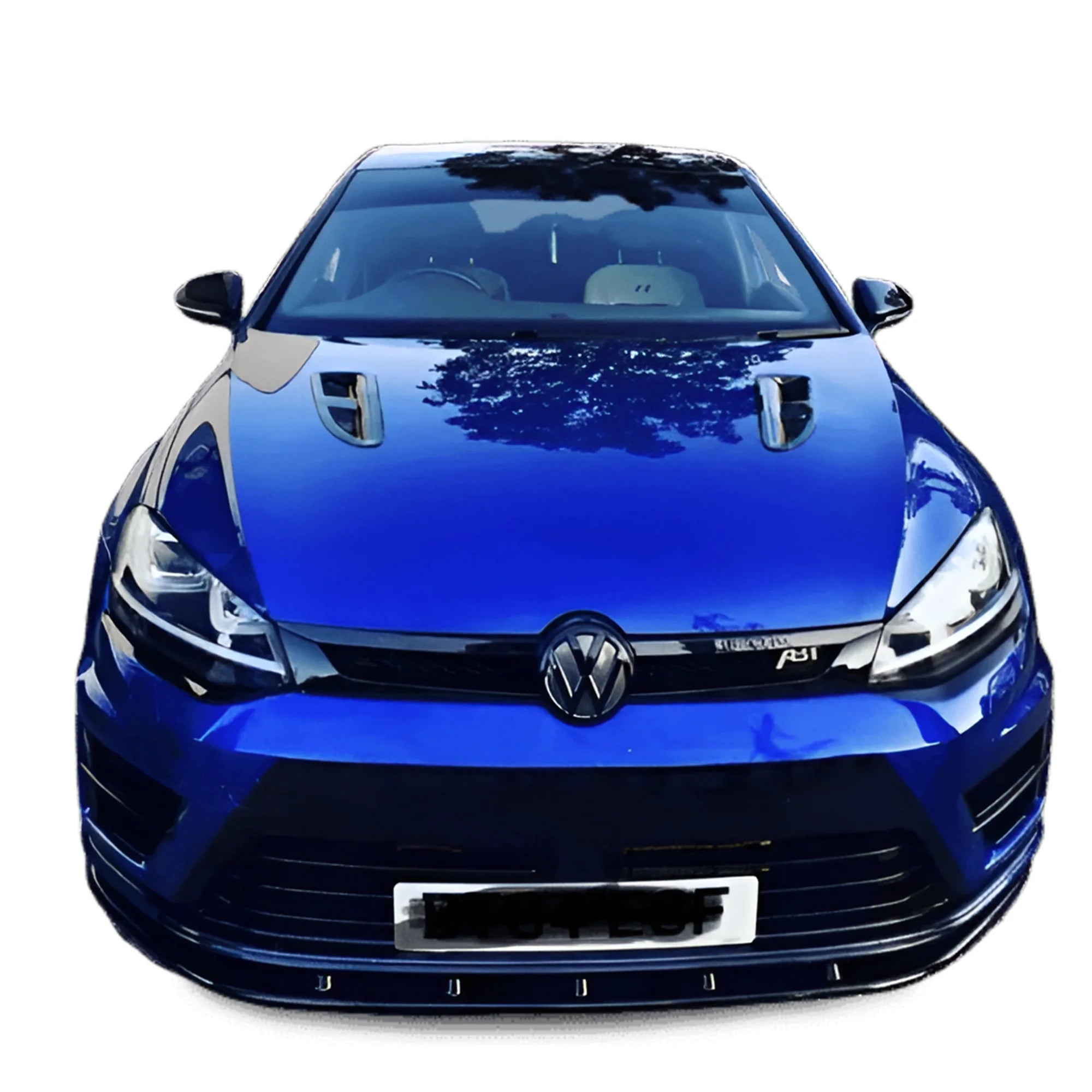
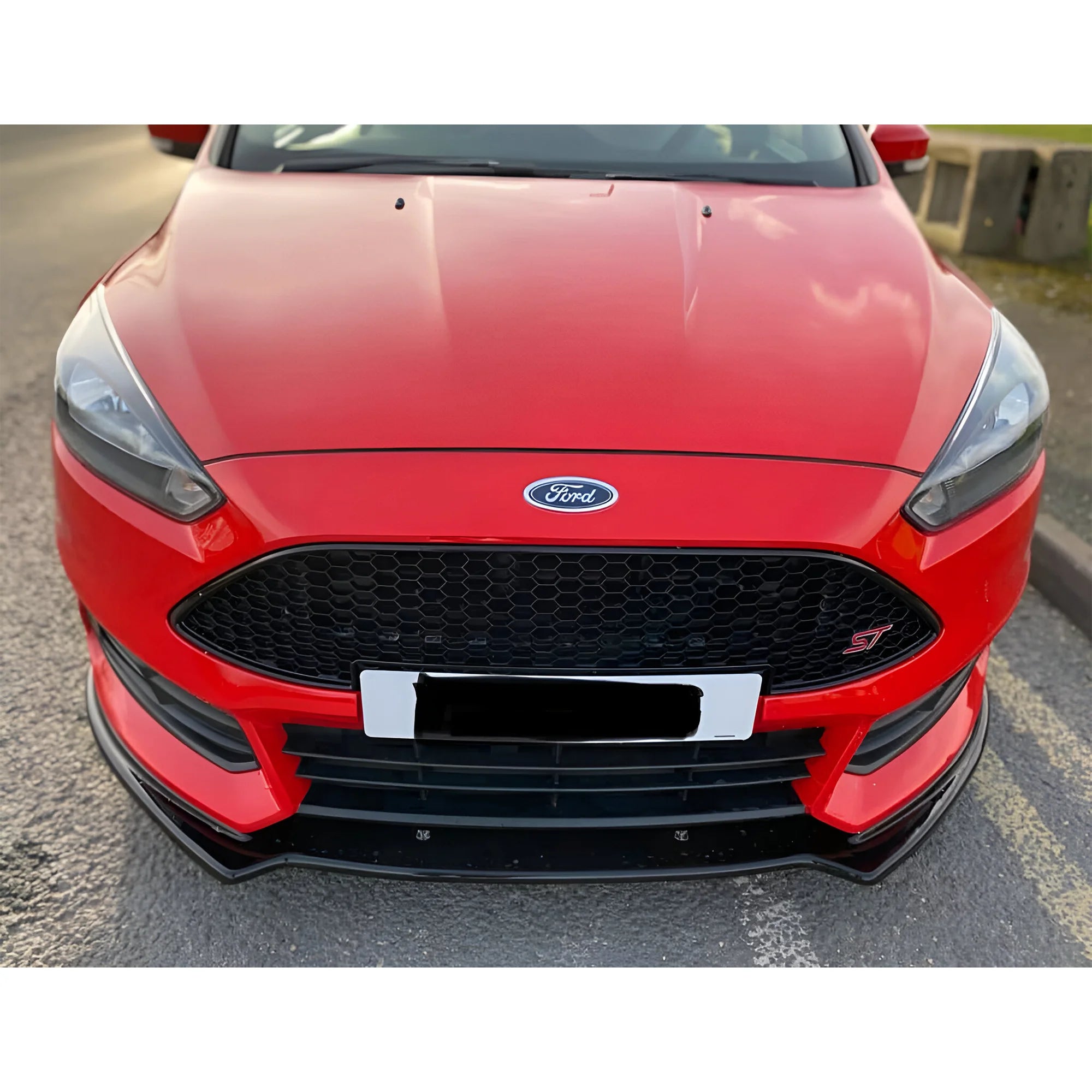
Full-width splitters are the next step up. These cover the entire width of the bumper and deliver more noticeable aerodynamic benefits. I usually see these on enthusiast builds where performance matters as much as looks.
Chassis-mounted splitters are the most aggressive option. I associate them with high-powered builds or track-focused road cars. They provide the strongest downforce but require careful installation and realistic expectations around ride height.
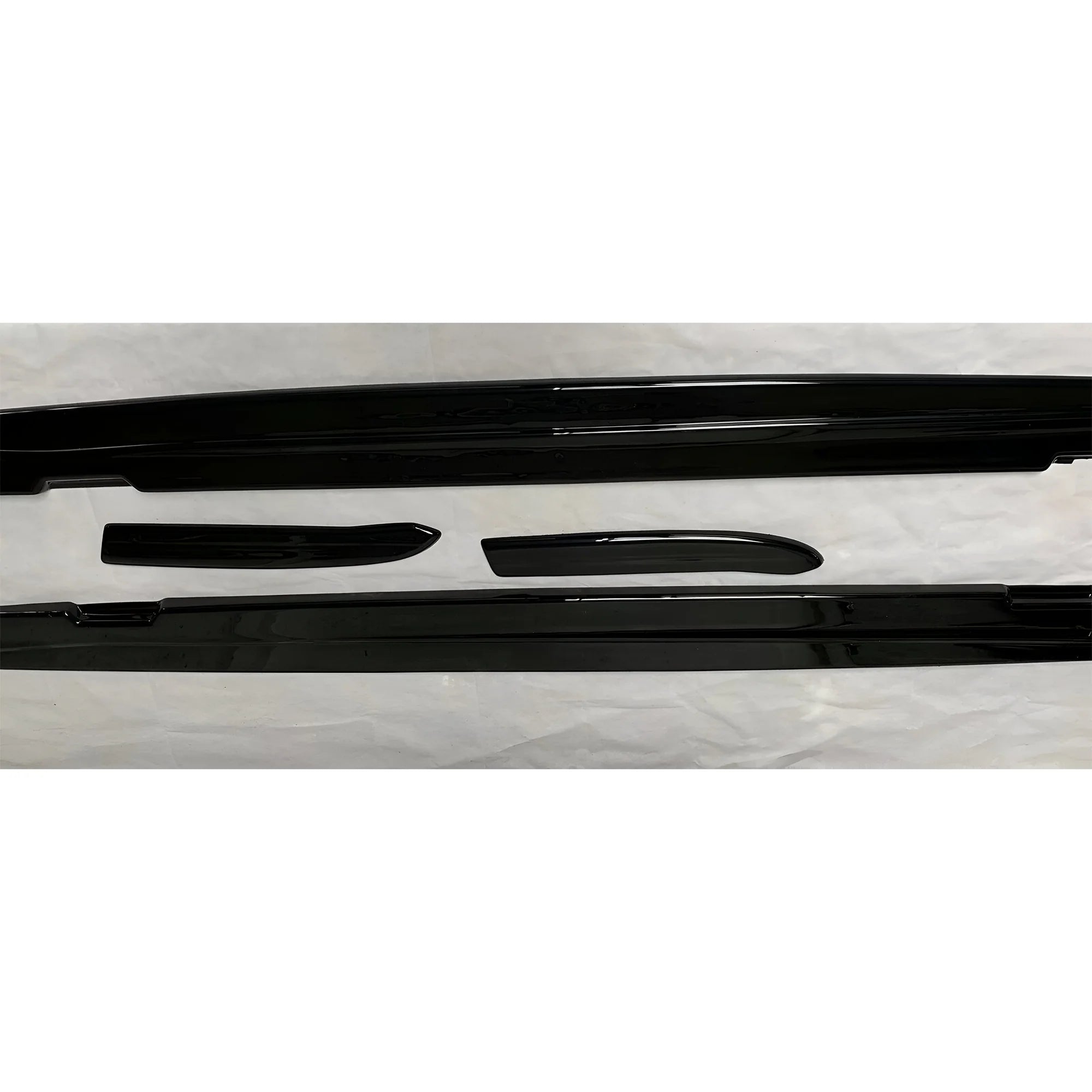
Material choice matters too. ABS splitters are popular because they handle UK roads well. Carbon fibre splitters appeal to drivers who want lighter weight and a premium finish, especially on performance BMW and Fords.
What I Notice in Real Driving Conditions
The biggest difference I feel with a front splitter is confidence. The front end feels more planted, especially during fast bends and sudden braking. Steering feels more direct, and the car reacts more predictably.
On UK roads, where surfaces are not always perfect, I believe professional installation makes a huge difference. A poorly fitted splitter can flex, scrape excessively, or disrupt airflow. A properly installed one works with the car rather than fighting it.
Why the Visual Upgrade Works So Well
I always say a front splitter changes the way a car looks before you even notice what it does. It lowers the visual centre of gravity, widens the stance, and gives the car a focused, performance-led presence.
In 2025, I see UK drivers moving away from extreme race styling. The preference is clean, subtle aggression. When a splitter follows the factory body lines and sits correctly, it looks intentional rather than aftermarket. That balance is especially important on performance sedans.
How to Choose a Front Splitter in the UK
When I look at front splitter options, I prioritise fitment, durability, and how well it integrates with the car. KSB AutoStyling focuses on performance-oriented exterior upgrades that are designed to work with the vehicle rather than overpower it. Their splitter solutions are built for real-world UK driving, not just show builds.
I notice that more buyers are choosing professionally installed, model-specific splitters because they want reliability, proper airflow control, and a finish that lasts. Universal solutions are becoming less popular as expectations rise.
Splitter Comparison Table
This quick comparison shows how different front splitter types suit different driving needs.
|
Splitter Type |
Why is it Recommended |
Performance Benefits |
Visual Effects |
Installation Guide |
|
Front Lip Splitter |
Daily drivers |
Mild improvement |
Clean and subtle |
Professional recommended |
|
Full-Width Splitter |
Enthusiast builds |
Clear improvement |
Sporty and aggressive |
Professional installation |
|
Chassis-Mounted Splitter |
Track-focused cars |
Strong downforce |
Motorsport look |
Professional only |
Final Thoughts
If I am being honest, a front splitter is one of those upgrades that only makes sense when it is done properly. I do not see it as a trend or a visual add-on. I see it as a practical change that affects how the car feels every time I drive it. When the splitter fits correctly and is installed correctly, the front end feels calmer, more controlled, and more predictable, especially at higher speeds.
For me, the real value comes from balance. A good front splitter improves stability without making the car difficult to live with day to day. It sharpens the car's look without shouting for attention. That balance is exactly why front splitters continue to make sense in 2025, particularly for UK roads where usability matters just as much as performance.
FAQs
Q1: Do front splitters really make a difference when driving?
From my experience, yes. The front of the car feels more settled at speed and less floaty. You notice it most when cornering quickly or braking hard.
Q2: Are front splitters legal in the UK?
Yes, they are absolutely legal only if they are fitted professionally and are secure, not sharp, and not sticking out too far. Problems usually come from poorly fitted or overly aggressive designs.
Q3: Would I put a front splitter on a daily car?
I would, but I would keep it sensible. Something subtle that sits close to the bumper works fine day to day. I would not choose anything too low if the car is used on normal UK roads.
Q4: Which material makes the most sense?
For daily use, ABS makes life easier. It copes better with bumps and rough roads. Carbon looks great and saves weight, but I see it as more of a performance or weekend-car choice.
Q5: Is professional fitting really worth it?
In my opinion, yes. When a splitter is fitted properly, it sits right, stays secure, and actually works. Most of the problems people complain about come from poor installation rather than the splitter itself.