
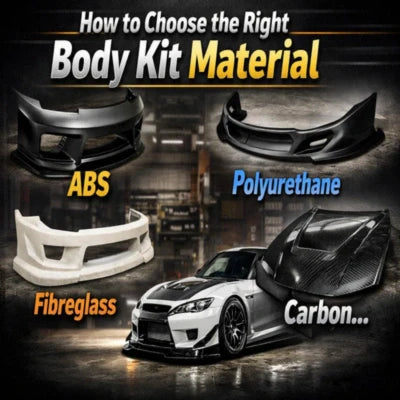
How to Choose the Right Body Kit Material (ABS, Polyurethane, Fibreglass, Carbon Fibre)
If you want the best results for your car, the right body kit material matters more than the design itself. ABS, polyurethane, fibreglass, and carbon fibre all behave differently on the road, and choosing the wrong one can lead to cracks, poor fitment, or wasted money. After using all four materials on my own cars and buying parts from KSB Autostyling, I’ve learned how each material performs in real life, how it handles bumps, how well it paints, how colours sit on the surface, how it reacts to UK weather and which one suits daily driving, weekend builds or show cars. Here is everything you need to know, broken down simply and clearly.
Why the Material Matters More Than the Shape
Most people choose a body kit based on looks, but the material decides how it behaves when it scrapes, how it fits the car, whether it cracks, how easily it paints, how long it lasts and how much maintenance it needs. Different materials hold colour differently, respond to temperature changes differently and require different prep before painting. This is why understanding the material is the first step before choosing a lip, diffuser, spoiler or side skirt.
ABS Plastic: The Most Balanced and Reliable Material for Everyday UK Roads
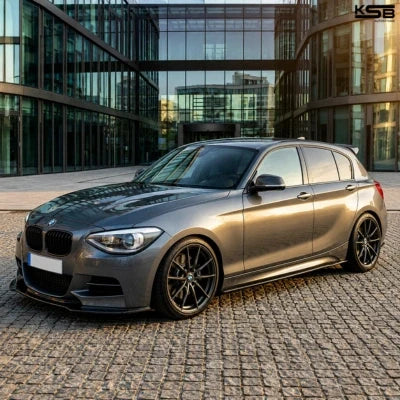
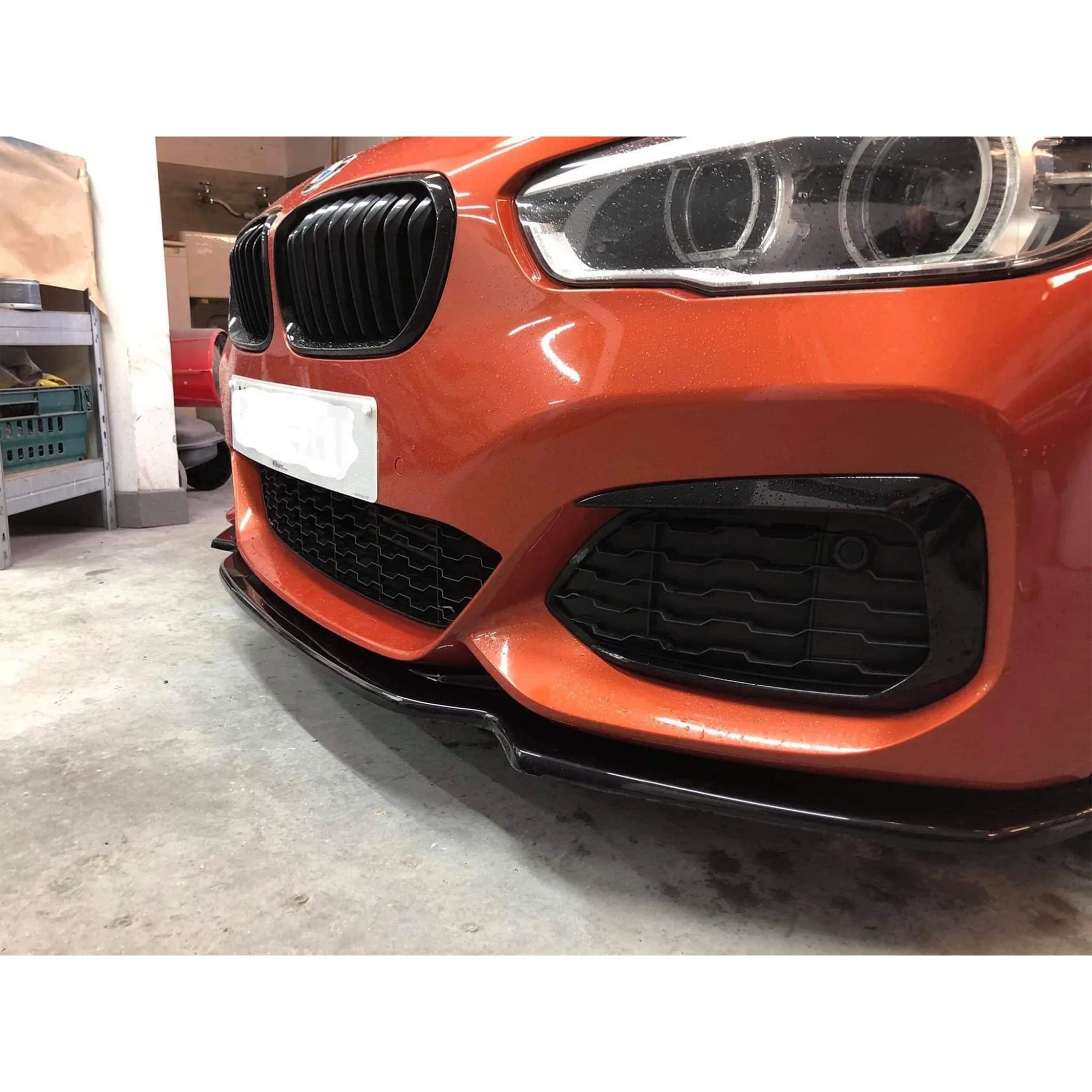
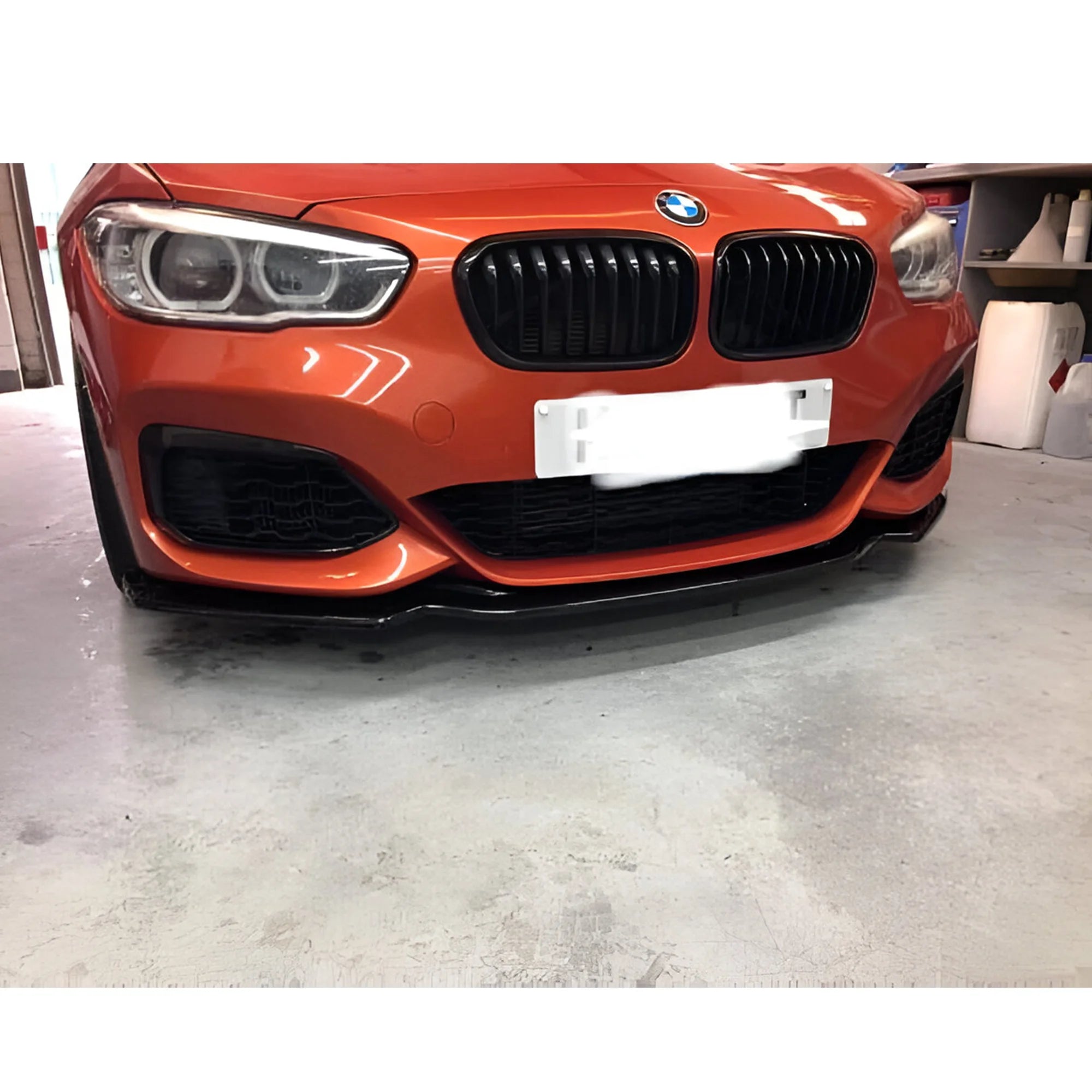
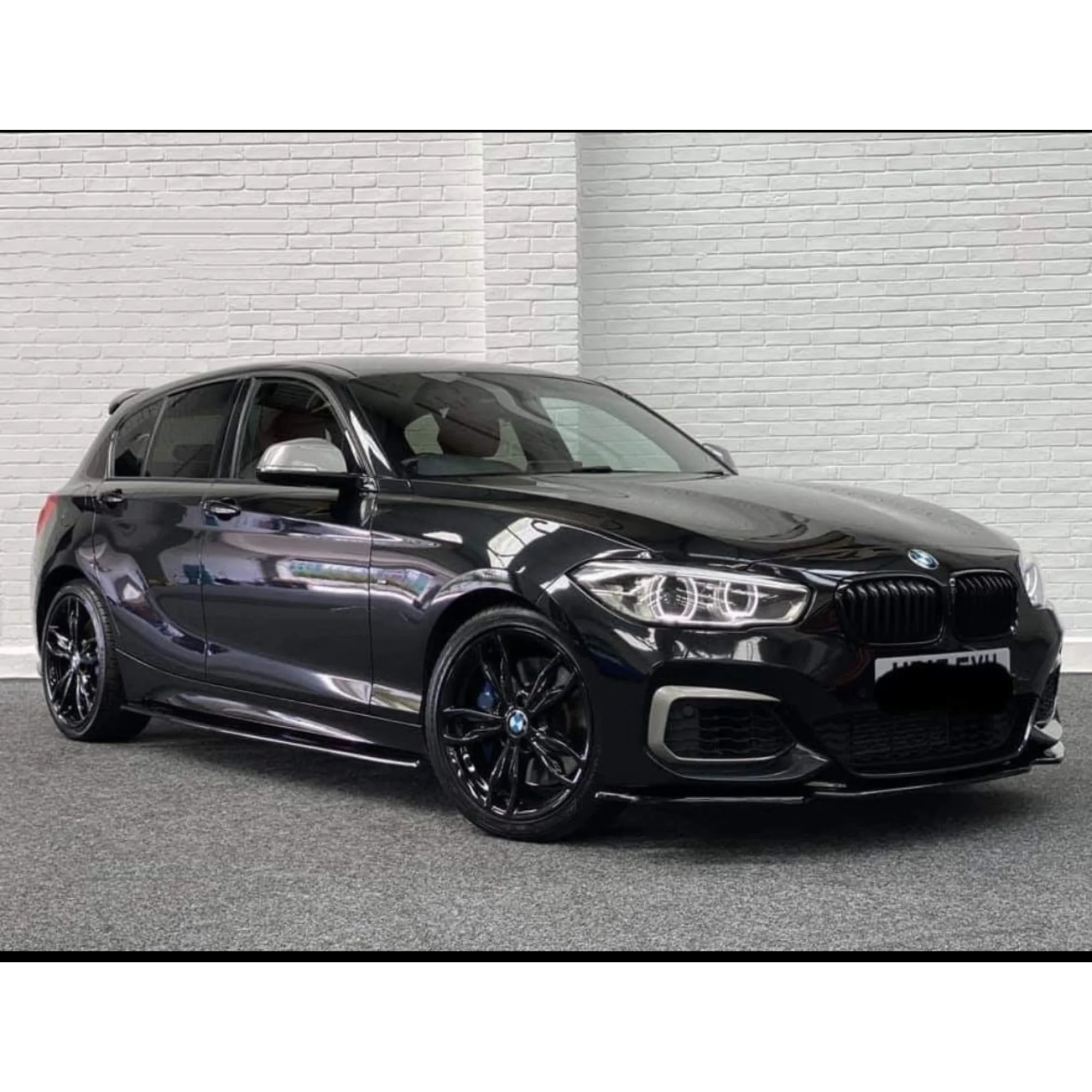
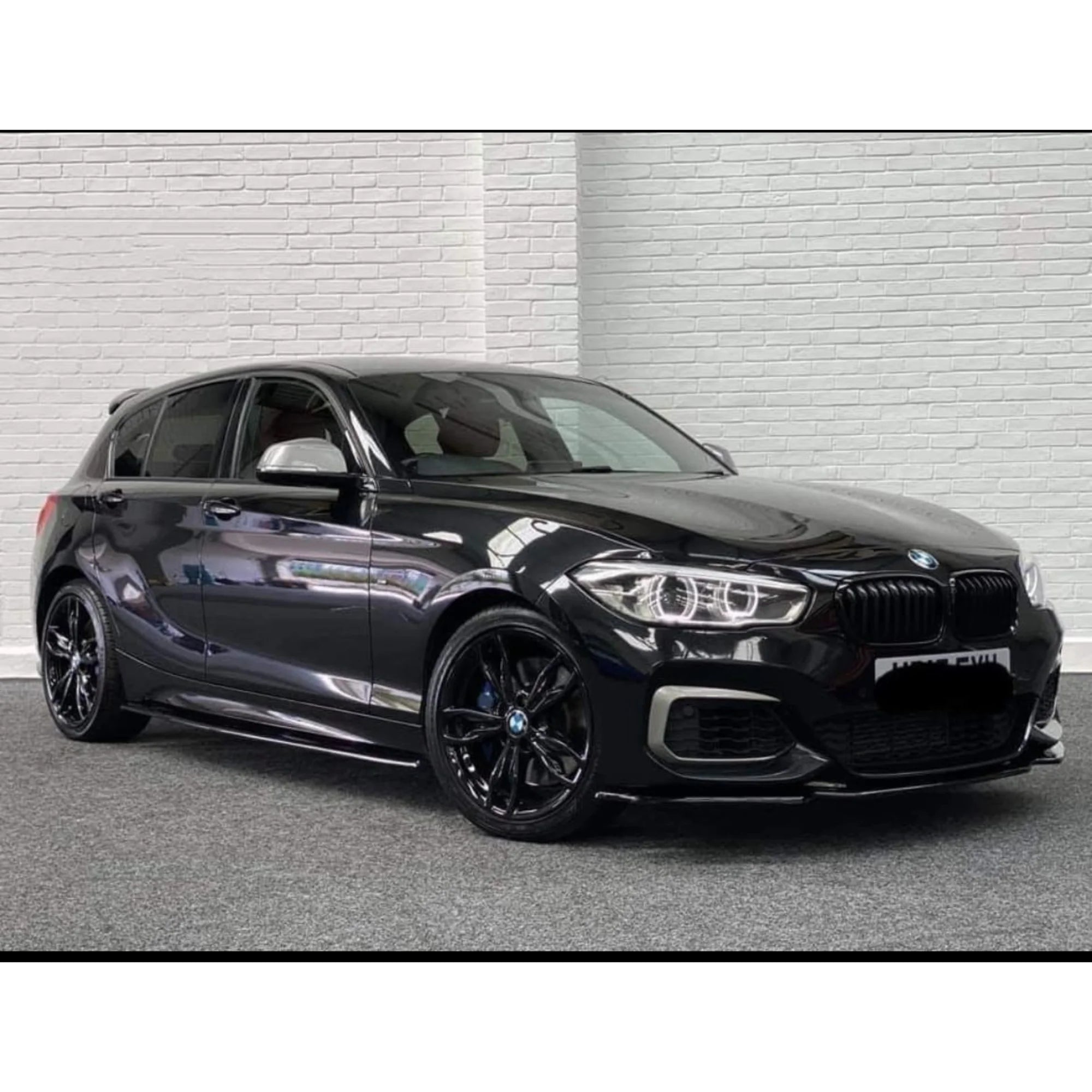
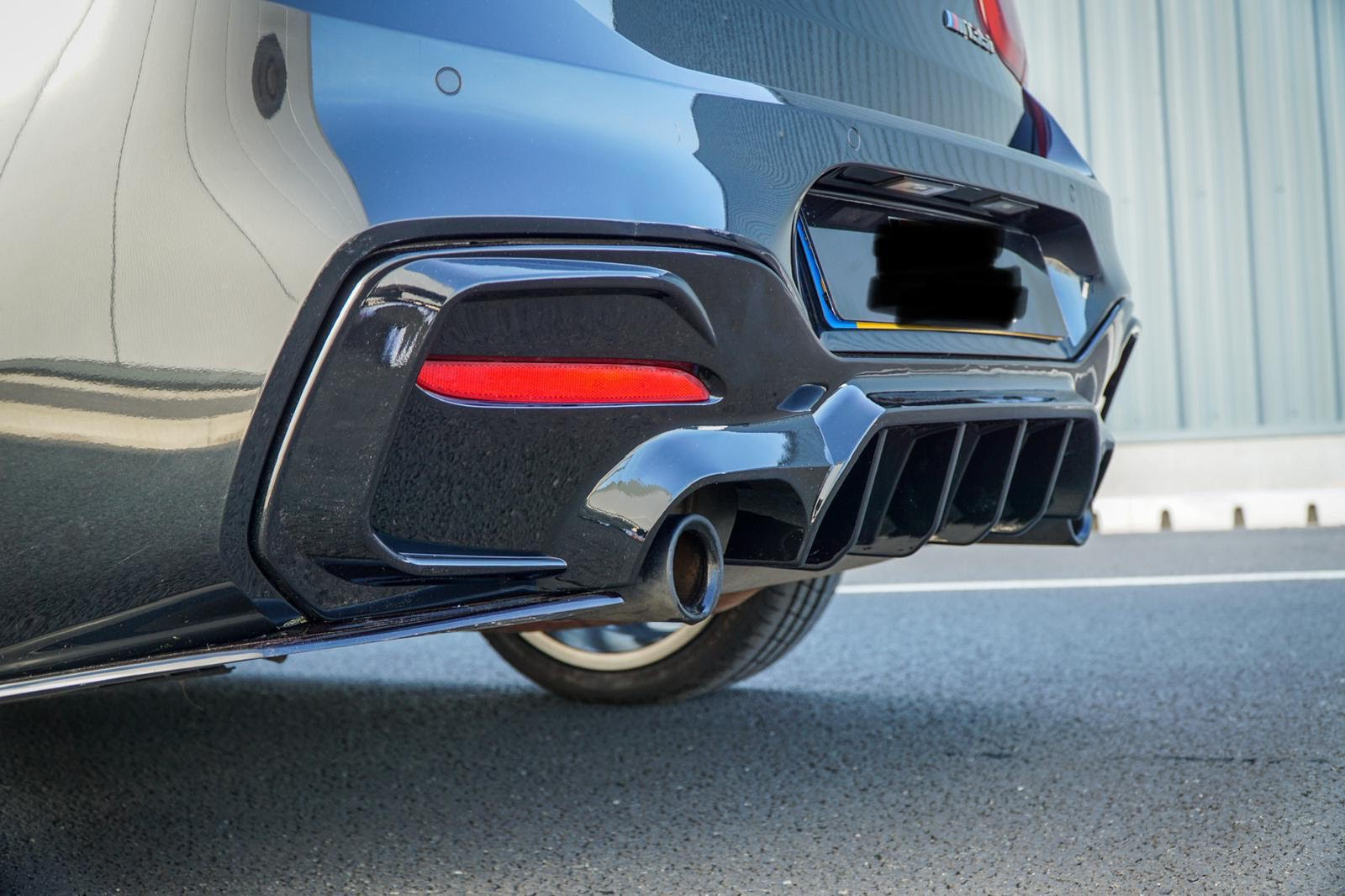
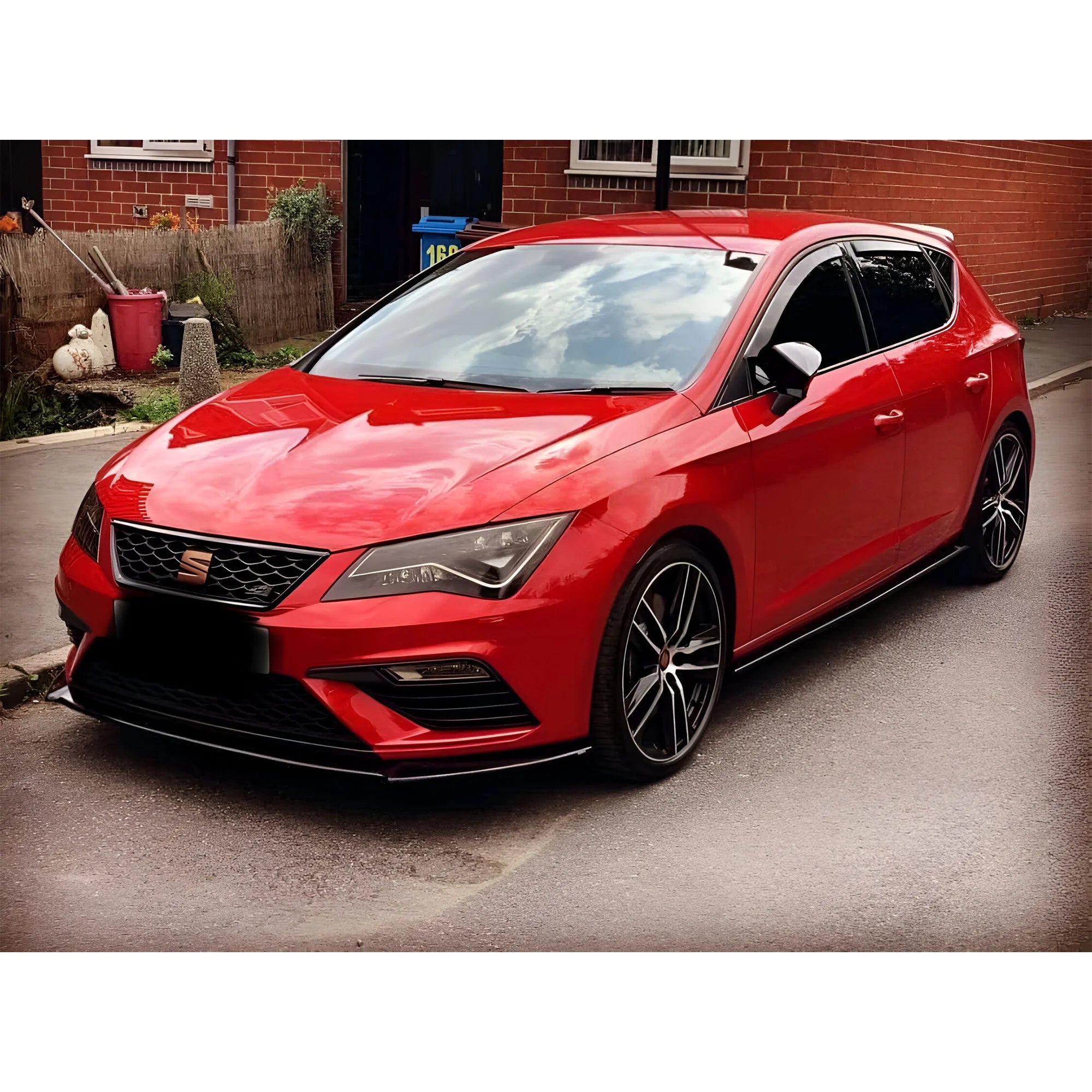
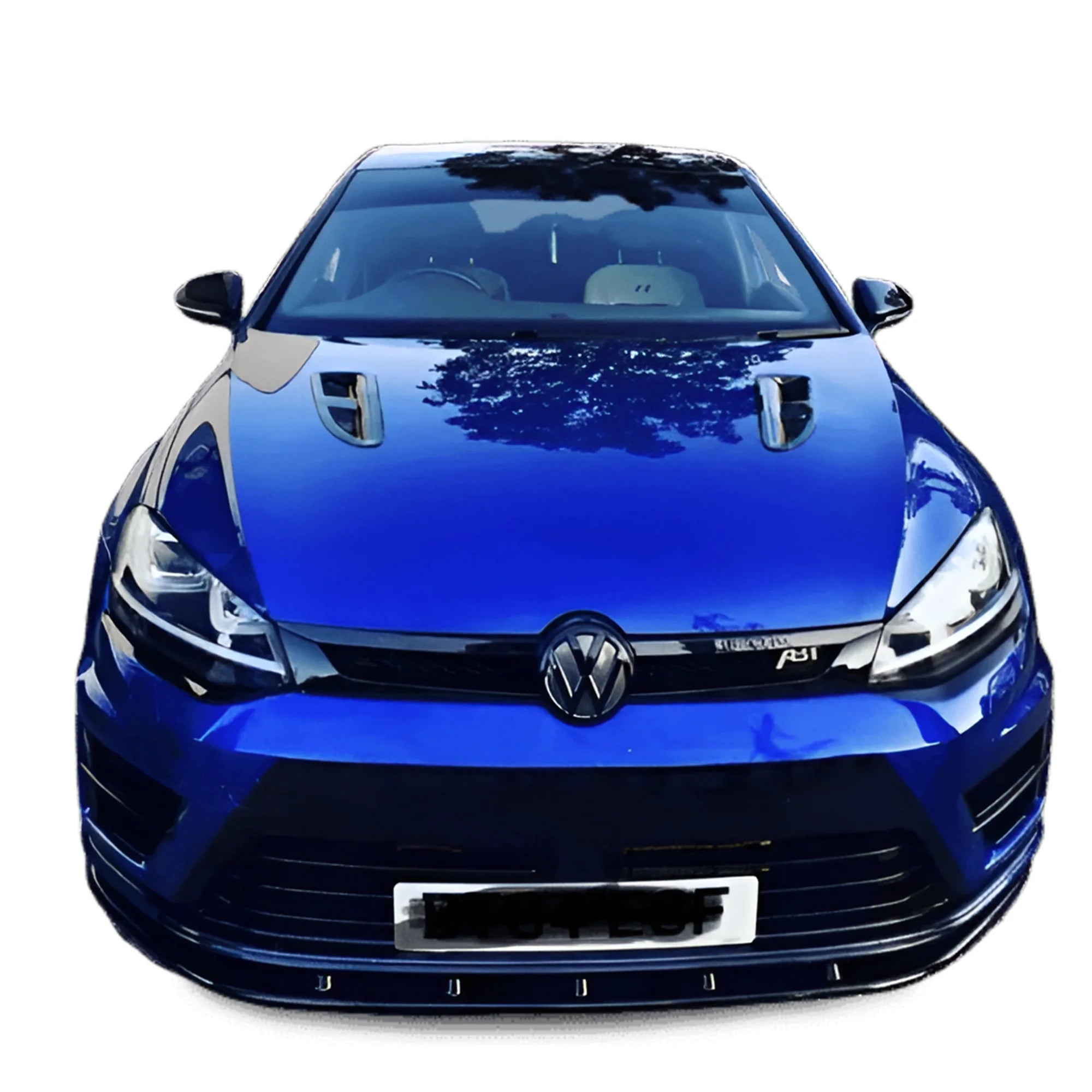
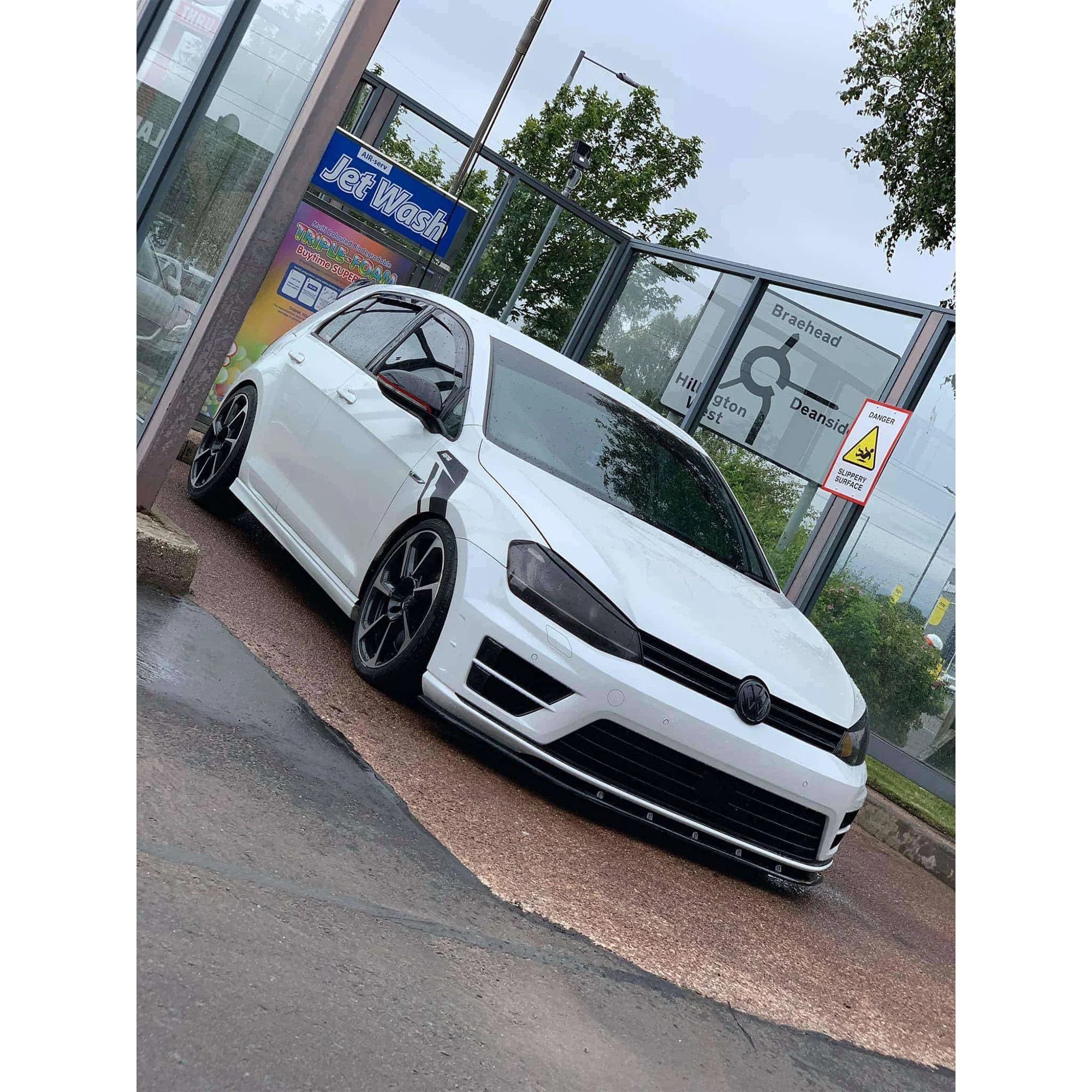
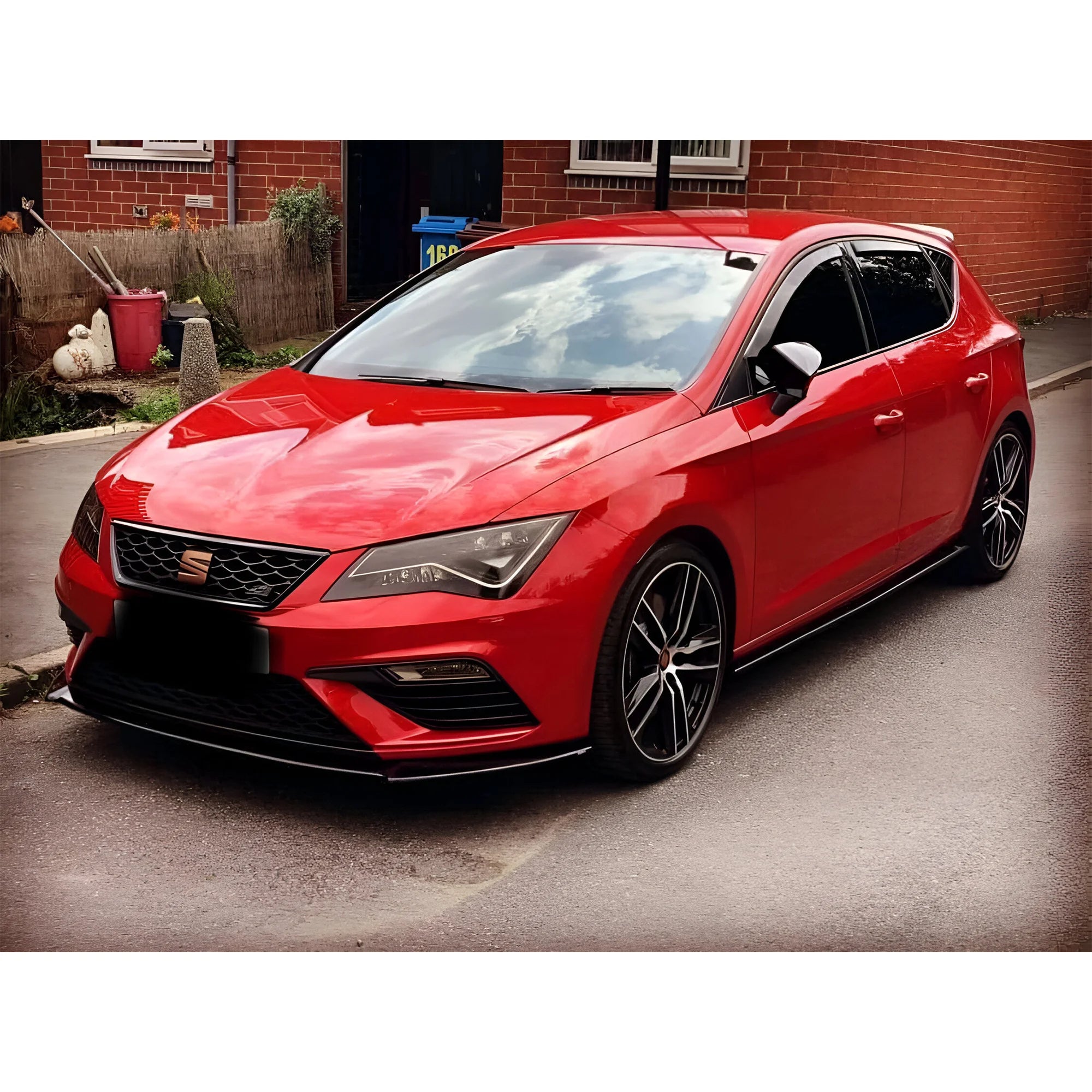
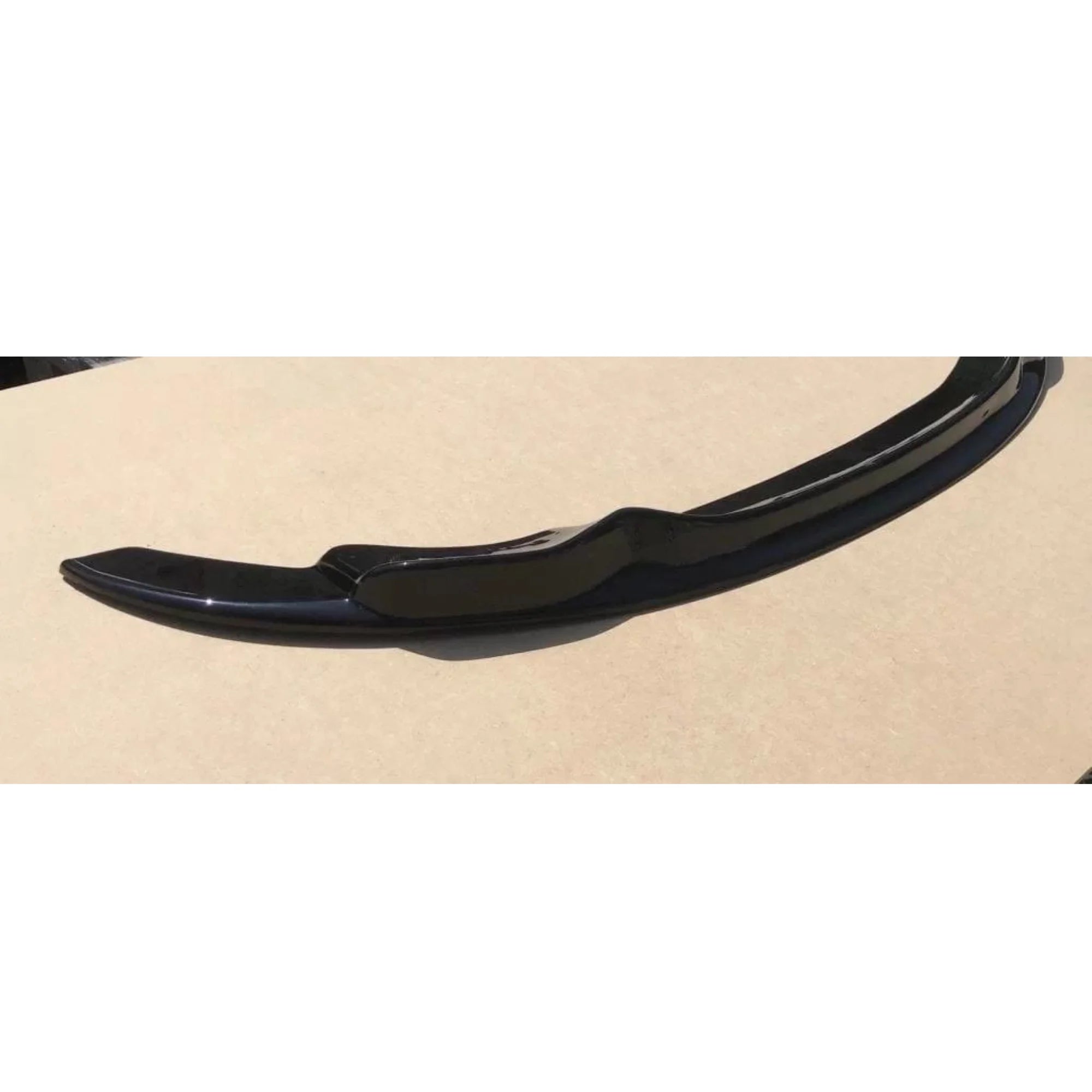
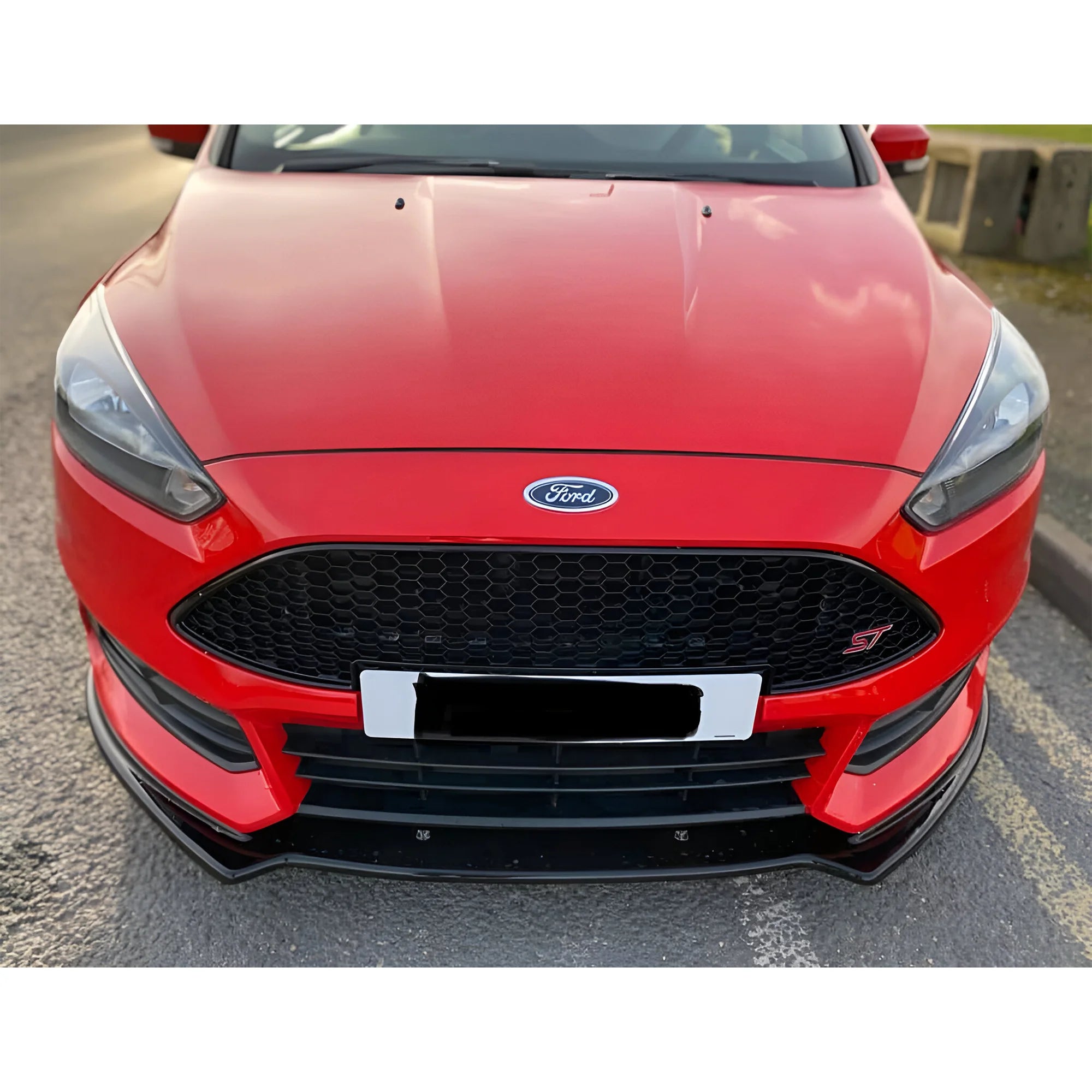
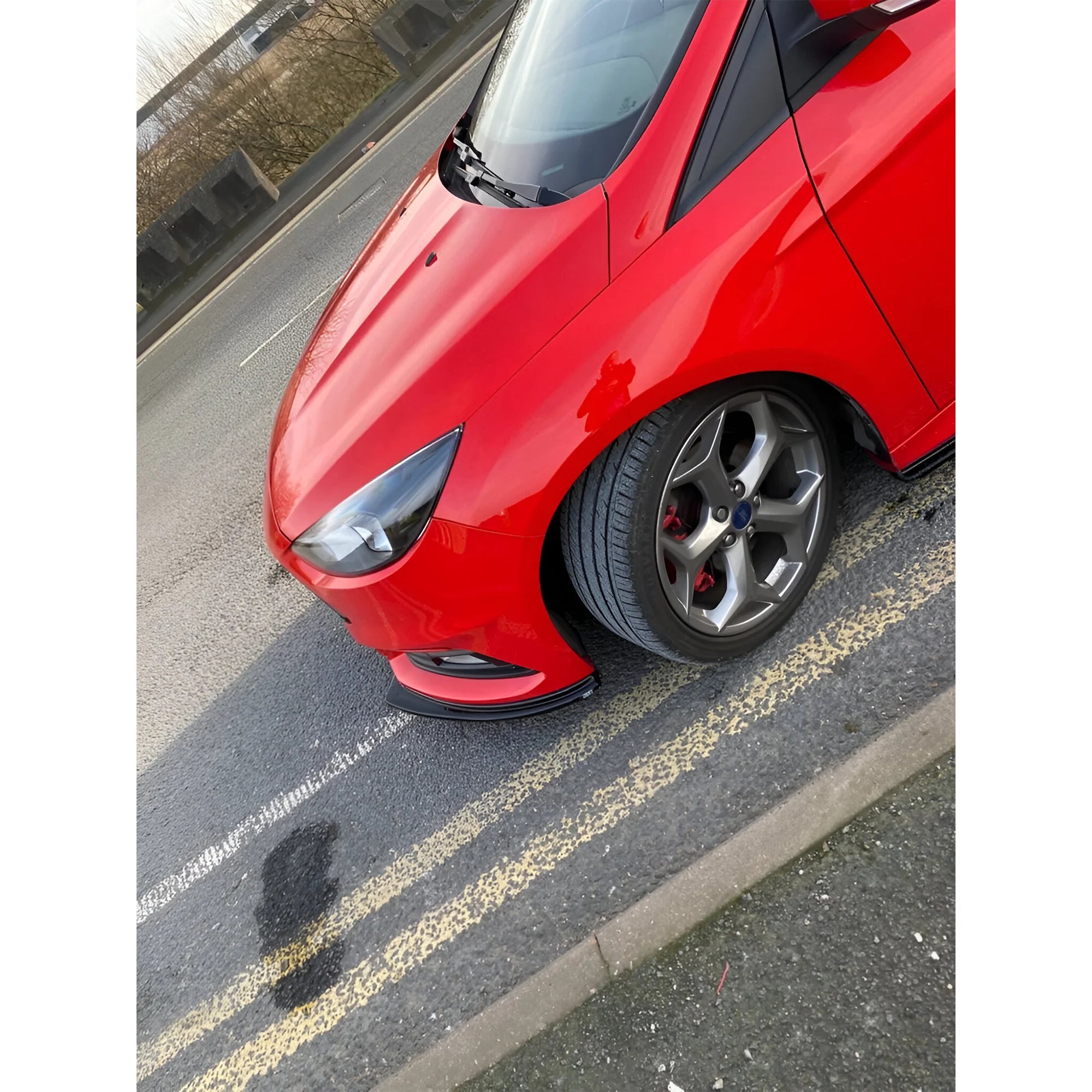
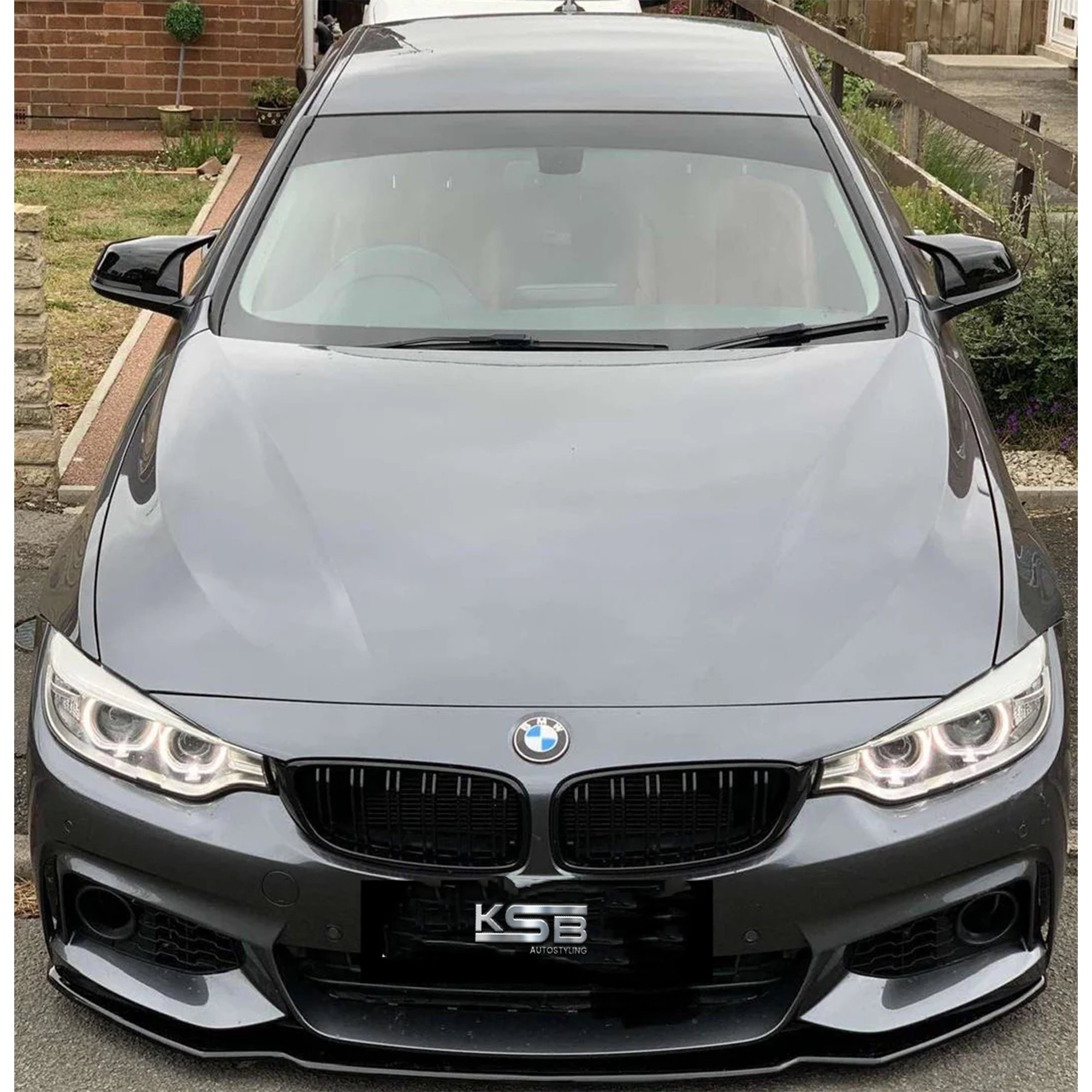
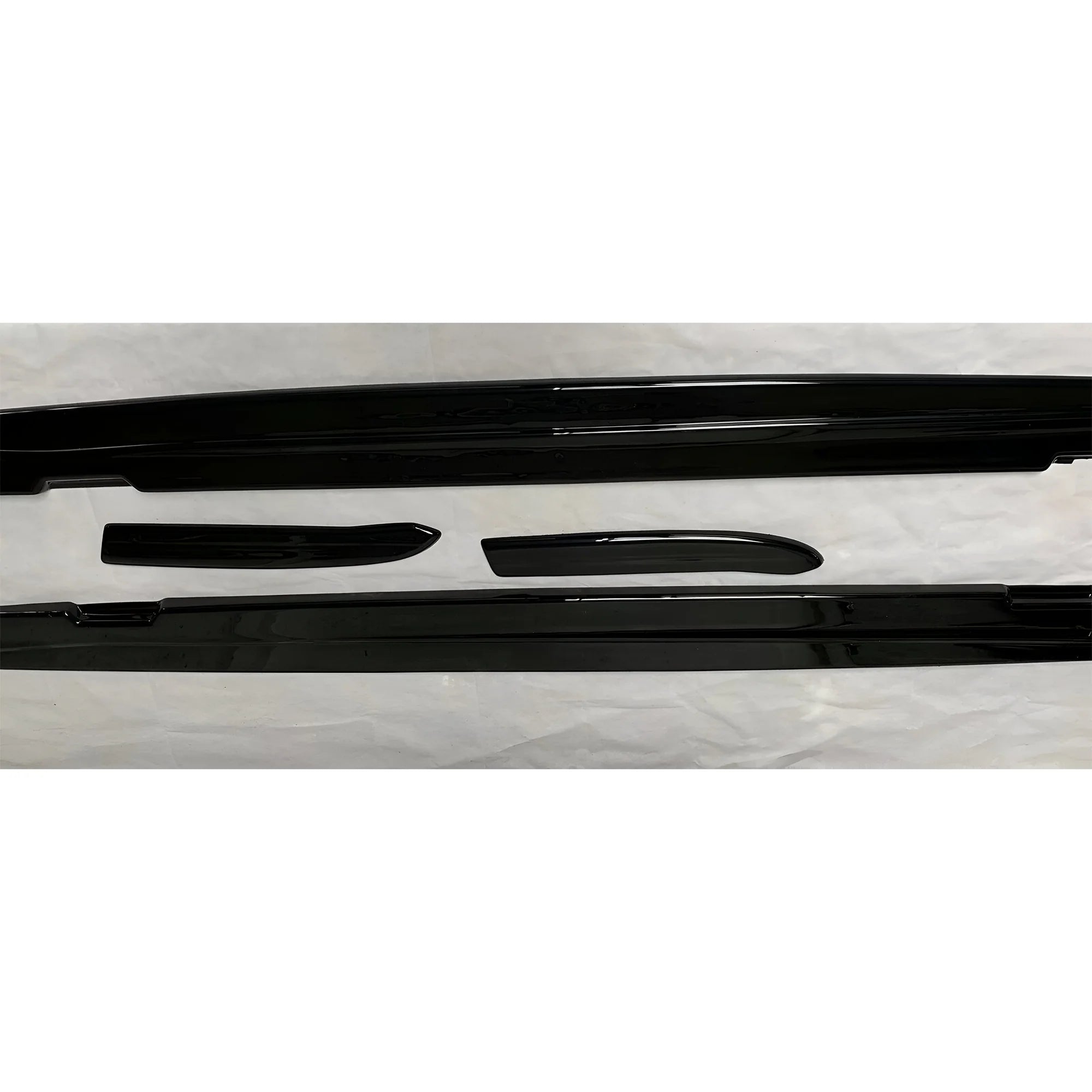
ABS plastic is one of the safest choices for daily drivers because it offers a perfect balance of strength, flexibility, value and clean fitment. I’ve installed ABS splitters and diffusers from KSB Autostyling, and the consistency of the moulds makes installation smooth with minimal trimming. ABS flexes enough to survive small bumps and speed humps, unlike fibreglass, which can crack instantly. Colour-wise, ABS holds gloss black, satin black and textured finishes extremely well. If you want that OEM+ look, ABS is usually the easiest to match with your car’s trims. Because ABS does not warp easily, it keeps a sharp shape even after washing, heat, rain and cold weather.
Best for: front splitters, rear diffusers, side skirts, and lips.
Avoid for: ultra-low cars scraping daily, where PU performs better.
Why ABS works: enough flexibility to avoid cracking but stiff enough to keep a crisp, modern look.
Polyurethane (PU): The Most Flexible and Impact-Resistant Material
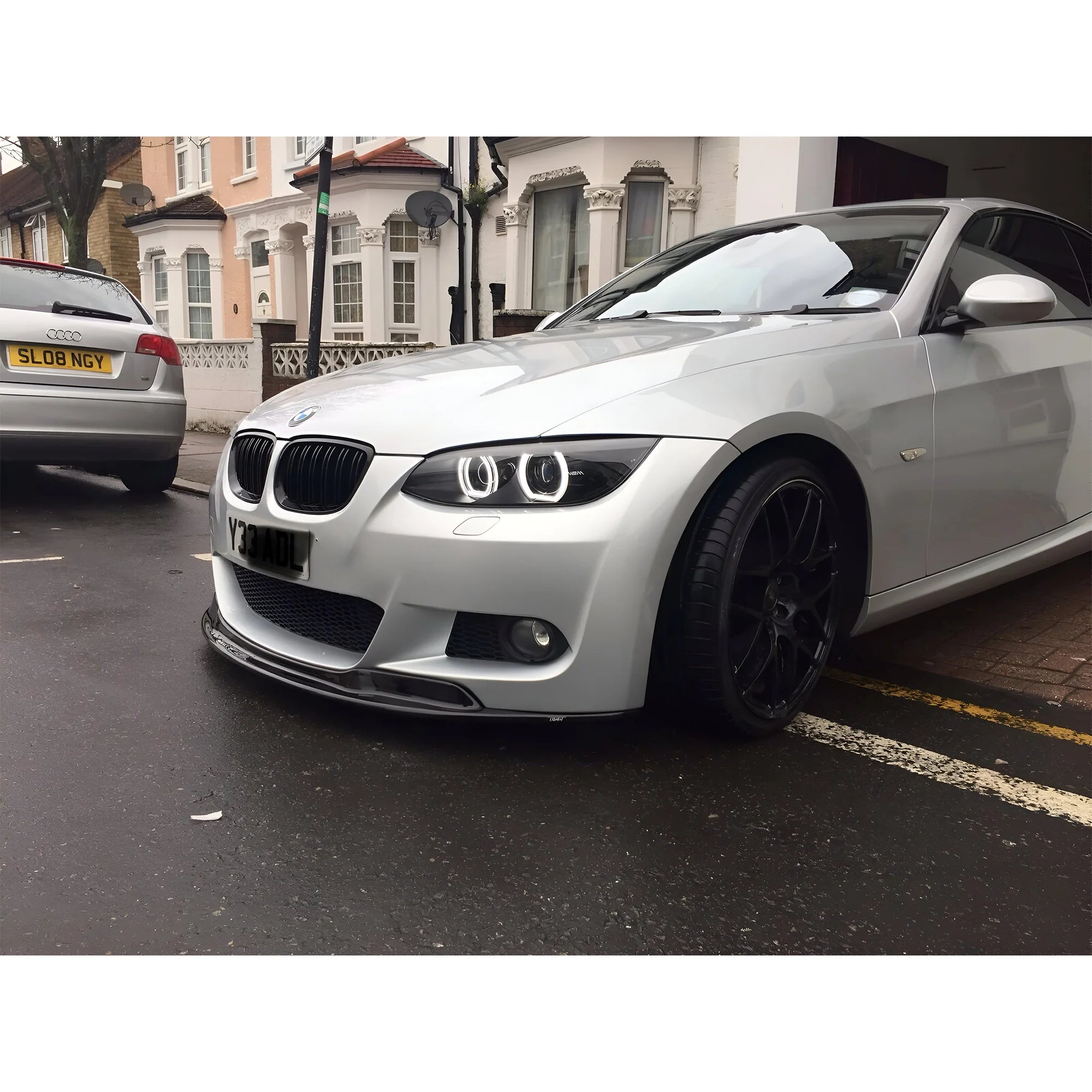
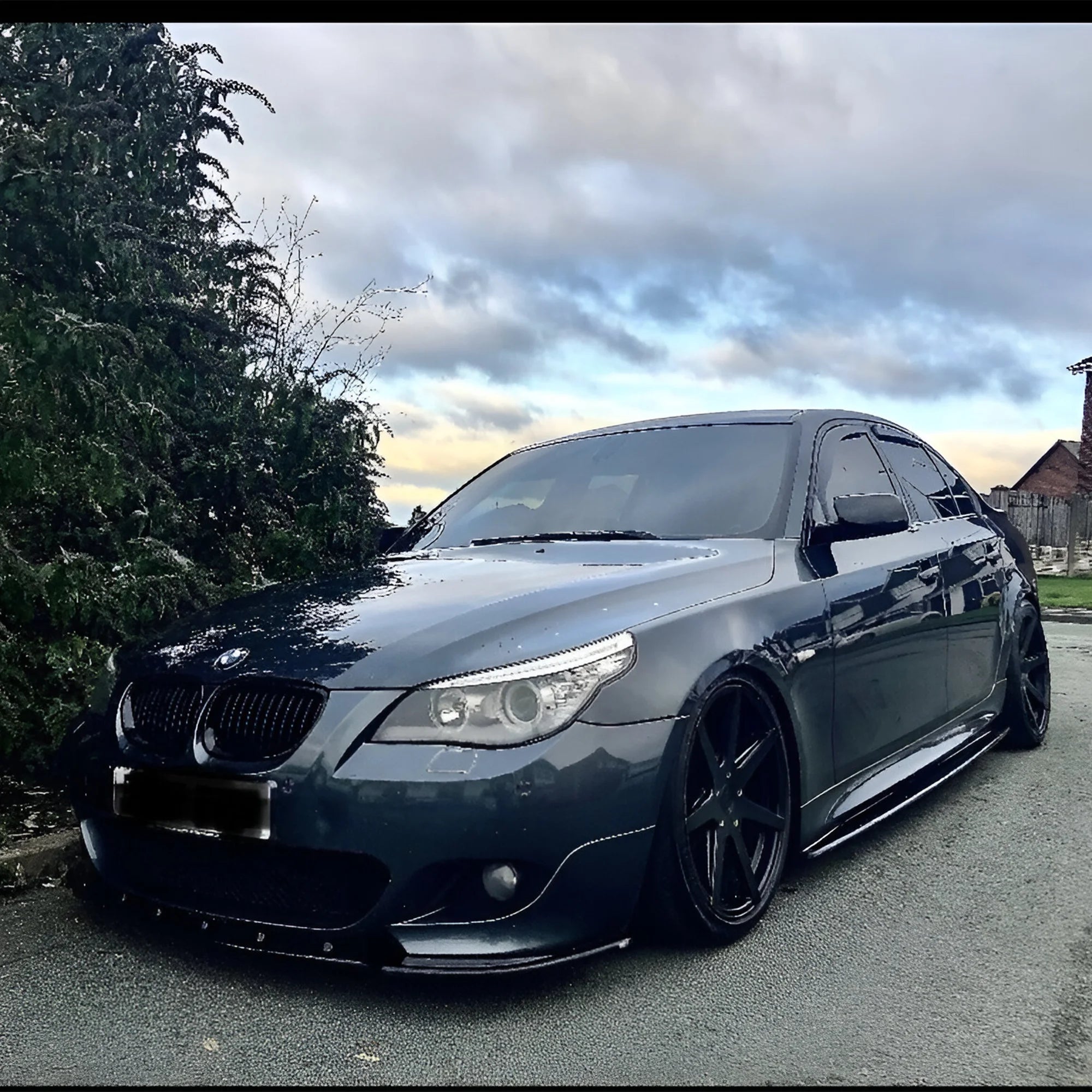
If you want the material that survives the harshest scraping, polyurethane is the best choice. PU bends without breaking, which is a lifesaver for lowered cars, steep driveways and uneven UK roads. I once scraped a PU lip on a multi-storey car park ramp, and it simply flexed back into place. With fibreglass, that would have been a crack. PU holds paint well, although the painter must use the correct primer because the surface flexes. Dark colours like gloss black and satin black look great on PU because they hide minor marks from flexing. Unlike ABS, PU is softer, so it absorbs impacts better.
Best for: front lips on lowered cars, high-impact areas, and drivers who scrape often.
Avoid for: sharp, aggressive designs because PU can make edges slightly softer.
Why PU works: unmatched flexibility and real-world durability.
Fibreglass: Best for Custom Builds but High Maintenance
Fibreglass is extremely popular for show builds, wide-arch kits and fully customised bumpers, but it’s not the most forgiving choice. It is lightweight, sharp and easy to sand, so you can shape it to extreme designs that ABS and PU cannot achieve. Years ago, I fitted a fibreglass bumper, and the finish looked incredible after paint, but it cracked the first time I misjudged a ramp. This material requires careful handling, expert installation and proper preparation. Fibreglass holds bright colours, metallic paint, and custom designs beautifully because its surface is easy to smooth.
Best for: show cars, custom bumpers, wide kits, and unique shapes.
Avoid for: daily driving on rough roads, lowered cars, and winter driving.
Why fibreglass works: unbeatable for shaping and show-quality finishes, but fragile.
4. Carbon Fibre: The Premium Choice for Lightweight Performance and Luxury Style
Carbon fibre is the most premium and eye-catching material you can put on a car. It is extremely strong, lightweight and visually stunning, especially when you see the deep weave under a glossy, clear coat. The carbon-fibre spoilers and splitters sold by KSB Autostyling have a clean weave pattern that instantly lifts the look of any car. However, carbon fibre is stiff, which means it cracks if it takes a direct hit. You must be careful with carbon lips on lowered vehicles. Carbon fibre works beautifully with darker cars like black, grey and navy, but it also contrasts nicely with white and bright colours.
Best for: spoilers, mirror covers, diffuser blades, side fins.
Avoid for: front lips on extremely low cars or rough daily driving.
Why carbon works: unmatched aesthetic and lightweight performance when cared for.
Comparison: ABS, Polyurethane, Fibreglass, Carbon Fibre
|
Material |
Strength |
Flexibility |
Paint Finish Quality |
Cost |
Best For |
Notes |
|
ABS |
High |
Medium |
Very good |
Low–mid |
Daily driving splitters and skirts |
Best all-round choice |
|
Polyurethane |
Medium–high |
Very high |
Good |
Mid |
Low lips, scraped areas |
Most impact-resistant |
|
Fibreglass |
Medium |
Low |
Excellent |
Low |
Show builds, wide kits |
Needs careful fitting |
|
Carbon Fibre |
Very high |
Low |
Premium |
High |
Spoilers, mirrors, trims |
Best visual impact |
How Each Material Handles Colour and Finish
ABS works perfectly with gloss black, satin black and textured finishes because it holds uniform colour. PU looks best in darker shades since the flexibility hides imperfections and keeps the finish even. Fibreglass allows the most creative finishes because painters can sand it smooth and lay down metallics, pearlescent colours and custom designs. Carbon fibre looks best uncovered, because the weave becomes the design. A clear gloss or matte finish brings out depth and luxury.
Fitment, Installation and Real Driving Conditions
ABS and PU generally offer the easiest fitment because they come moulded consistently from suppliers like KSB Autostyling. Fibreglass almost always requires sanding and trimming. Carbon fibre usually fits well, but you need to handle it gently to avoid stress cracks around mounting points. In daily driving, PU survives impacts best. ABS gives the cleanest look with good durability. Fibreglass must be protected from harsh roads. Carbon fibre demands careful driving but rewards you with the most premium look.
Final Verdict
Choosing the right body kit material comes down to how you drive, how low your car sits and the look you want to achieve. ABS is the most balanced choice for daily use, polyurethane is the safest option for cars that scrape, fibreglass suits show builds that need custom shaping, and carbon fibre delivers the most premium finish when handled with care. Each material has its strengths, but the best choice is the one that fits your real driving habits, not just the style you see online. After using all four over the years, I’ve learned that understanding how each material behaves on UK roads makes the biggest difference in both durability and appearance. When you match the right material with the right part, your car not only looks better but also holds up through everyday driving.
FAQs
Q1: What’s the best body kit material for everyday driving?
ABS or polyurethane. Both handle bumps, speed humps and typical UK road conditions without giving you constant stress about cracks.
Q2: Which material holds up best when the car scrapes?
Polyurethane. It bends instead of snapping, which makes it the safest option for lowered cars or drivers who use multi-storey car parks a lot.
Q3: Which body kit material gives the most premium look?
Carbon fibre. The glossy weave has a depth and shine that instantly lifts the whole car.
Q4: Is fibreglass a good choice for daily use?
Not really. It looks amazing once painted, but it chips and cracks easily, so it’s better for show builds or cars that don’t see rough roads.
Q5: Which material is easiest to paint?
Fibreglass, because it sands smoothly and takes custom colours really well. ABS also paints cleanly when prepped correctly.
Q6: Should I use carbon fibre parts if my car sits very low?
Only for areas that don’t scrape, like mirror covers or spoilers. Carbon fibre is strong but stiff, so a hard impact can crack it.
Q7: Where can I buy body kit parts with reliable fitment?
KSB Autostyling is a solid choice. Their ABS, PU, and carbon parts usually fit well straight out of the box, making installation much easier.