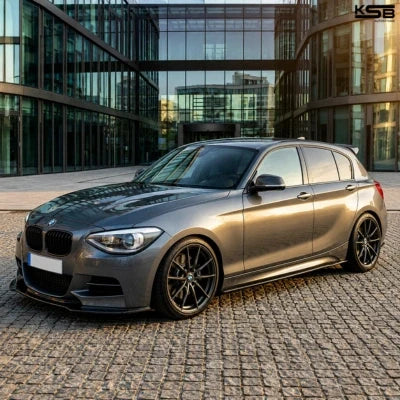

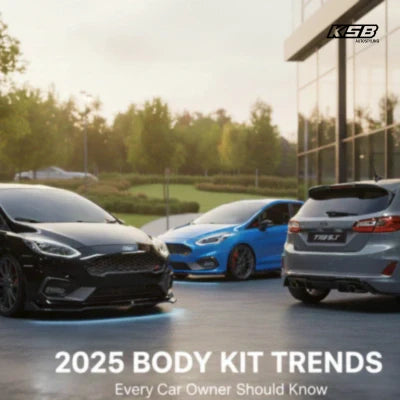
2025 Body Kit Trends Every Car Owner Should Know
If you just want the short version: 2026 body kit trends are all about clean aero, OEM+ styling, EV-friendly designs, widebody stance, and high-quality ABS and carbon fibre kits that actually work in the real world. Car owners are moving away from cheap, brittle parts and leaning towards British-made, CNC-precise kits that improve the look, sharpen the aerodynamics, and still survive daily driving, speed bumps and bad weather.
Below is the complete, easy-to-read breakdown of what’s changing, what’s worth your money, and how brands like KSB Autostyling fit into it.
What Is a Body Kit, and Why Do People Still Love Them in 2026?
A body kit is a set of parts that changes the way your car looks and how air flows around it. It usually includes pieces like:
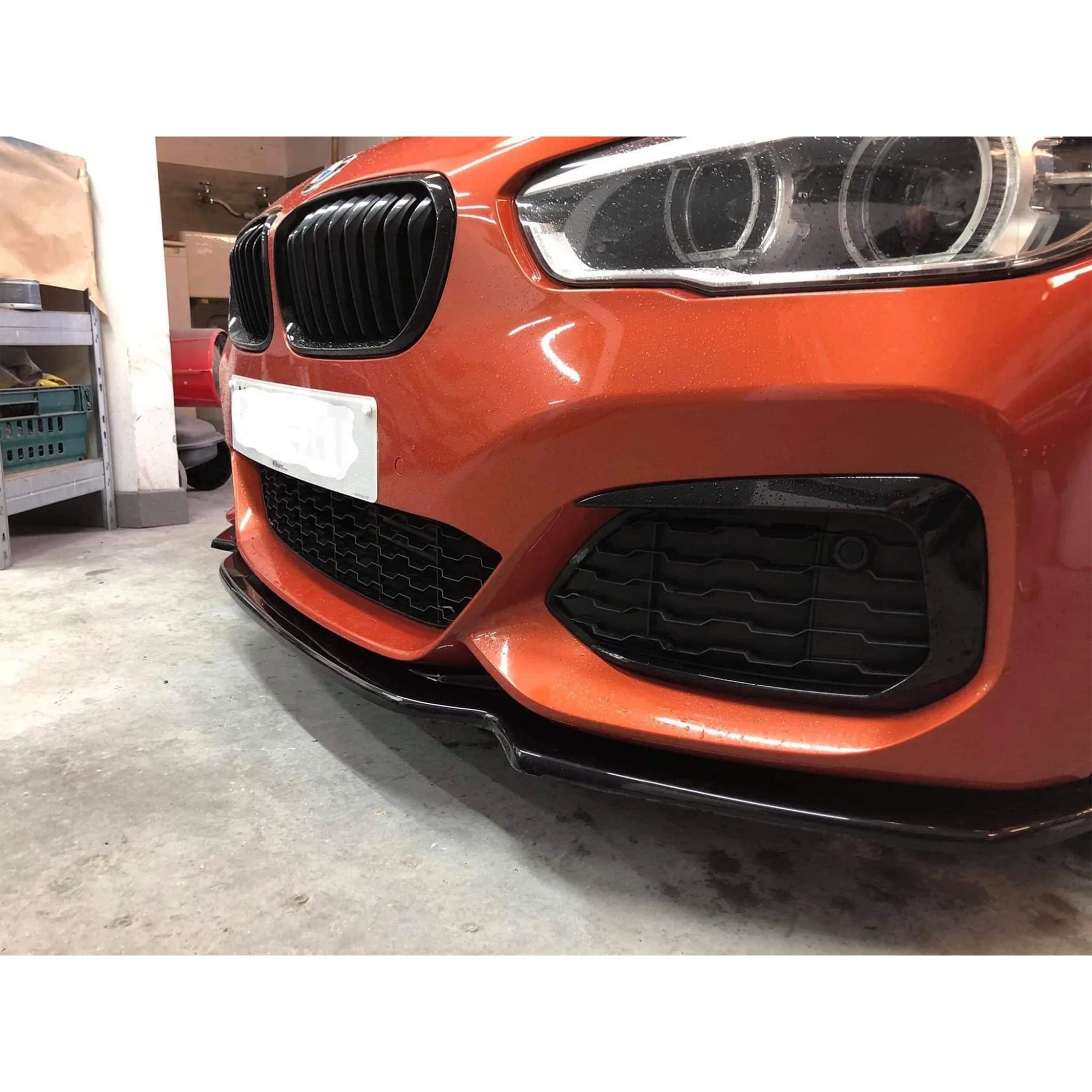
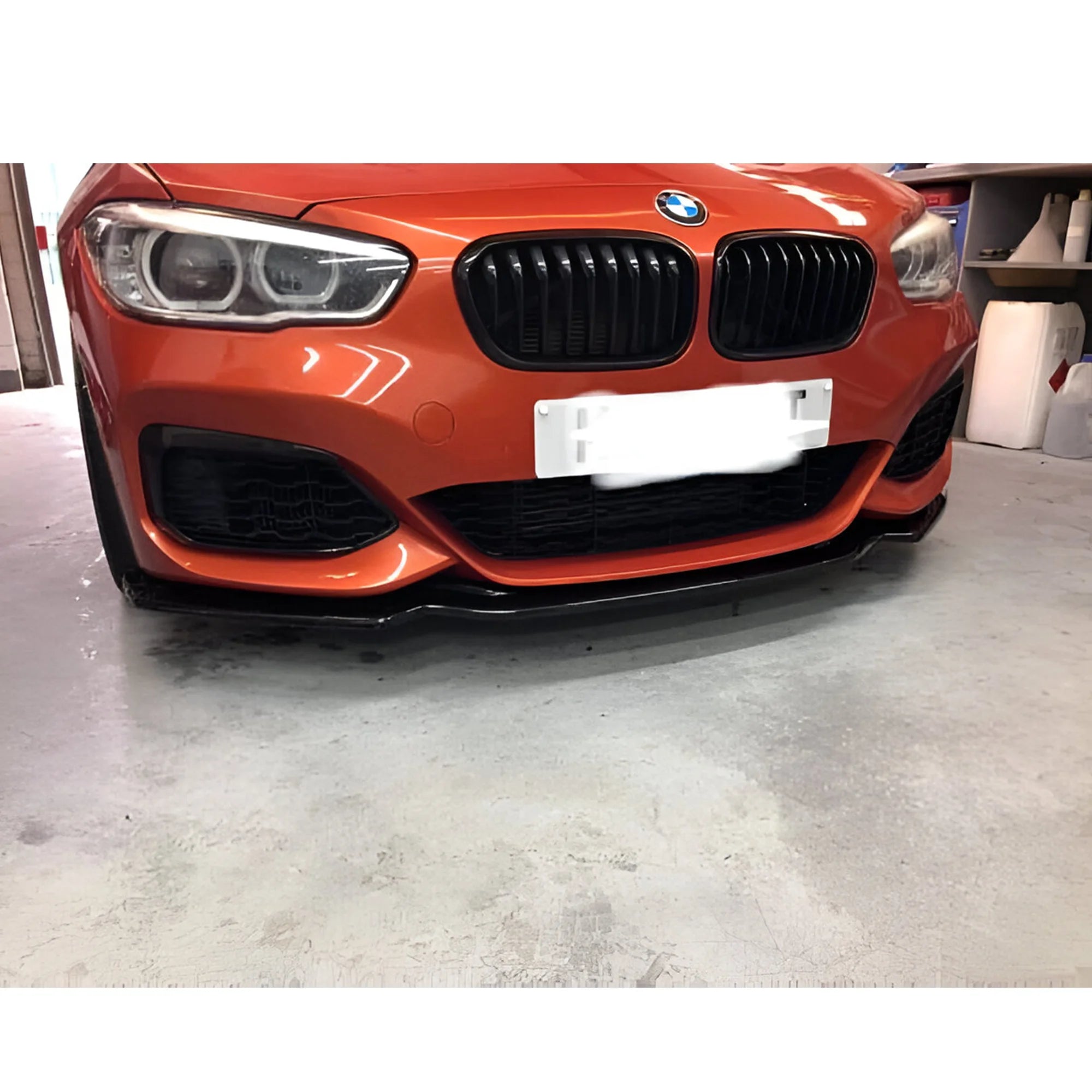
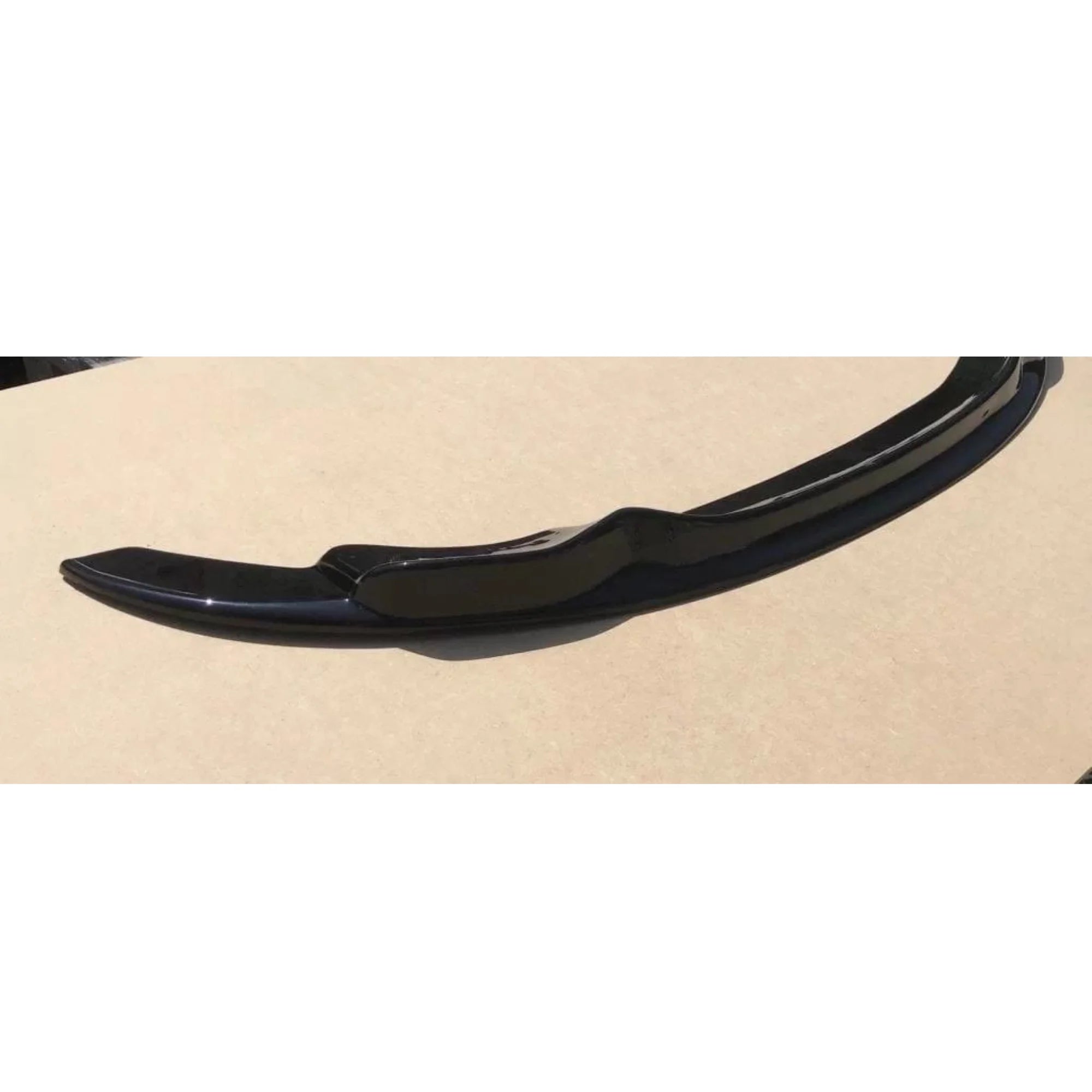
- Front splitter or lip
- Side skirt extensions
- Rear splitters or rear diffuser
- Optional extras like spats, canards and spoiler extensions
In 2026, the main reasons people fit body kits are:
- To give the car a lower, wider, more planted look
- To improve aerodynamics and stability at speed
- To make a daily driver feel more special without changing the whole car
- To match bigger wheels, upgraded brakes or a sportier exhaust
At the same time, owners are much more careful about quality. They’re tired of brittle fibreglass that cracks easily and kits that don’t fit. That’s why ABS plastic and well-made carbon fibre kits are leading the market.
Quick Overview of the Biggest 2026 Body Kit Trends
Here’s a simple snapshot of the main trends you need to know.
|
2026 Trend |
What It Means |
Typical Parts You’ll See |
|
OEM+ minimalist aero |
It looks like a sharper factory upgrade |
Slim splitters, subtle diffusers, side extensions |
|
Aerodynamic body kits with a function |
It is a part of styling that actually helps with airflow and stability |
Splitters, rear splitters, diffusers |
|
EV-friendly designs |
It is for smooth, clean, drag-conscious styling |
Low lips, tidy side skirts, neat rear lips |
|
Widebody and stance culture |
It has big arches for wider wheels and tyres |
Fender flares, arch extensions, deep skirts |
|
ABS and British-made parts |
It is tough daily-driver kits made to fit properly |
ABS splitters, ABS side skirts, ABS rear spats |
|
3D-printed and small-batch designs |
There are more custom shapes for specific models |
Unique lips, ducts, and aero trims |
|
Rugged SUV / overland styling |
It is chunky, practical styling for bigger vehicles |
Chunky skirts, rear spats, more protective edges |
Trend 1: OEM+ – Clean, Factory-Look Aero Is Winning
One of the strongest 2026 body kit trends is OEM+ styling. That means:
- The car still looks like itself
- The lines are sharper, lower and more aggressive
- Nothing looks out of place or “too much”
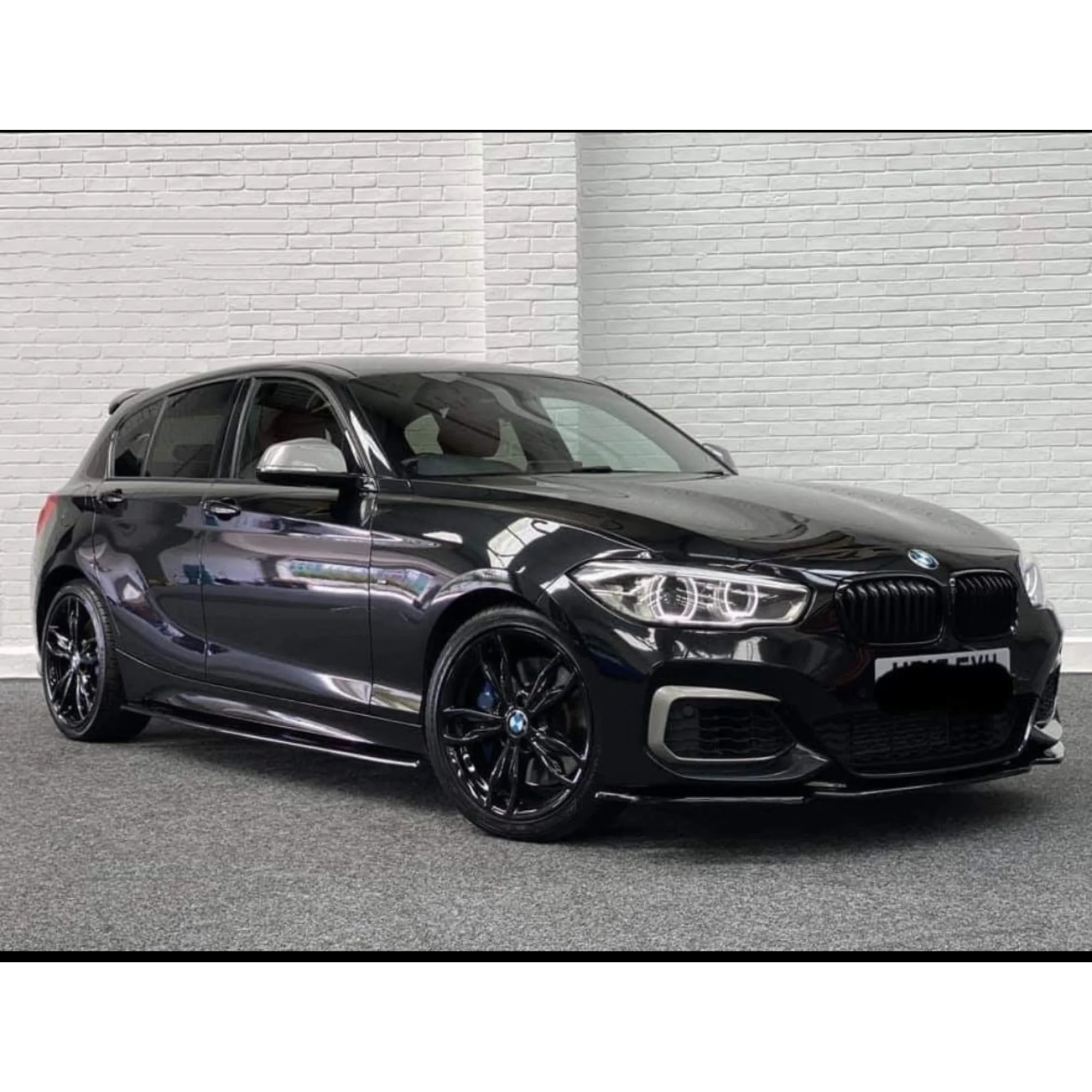
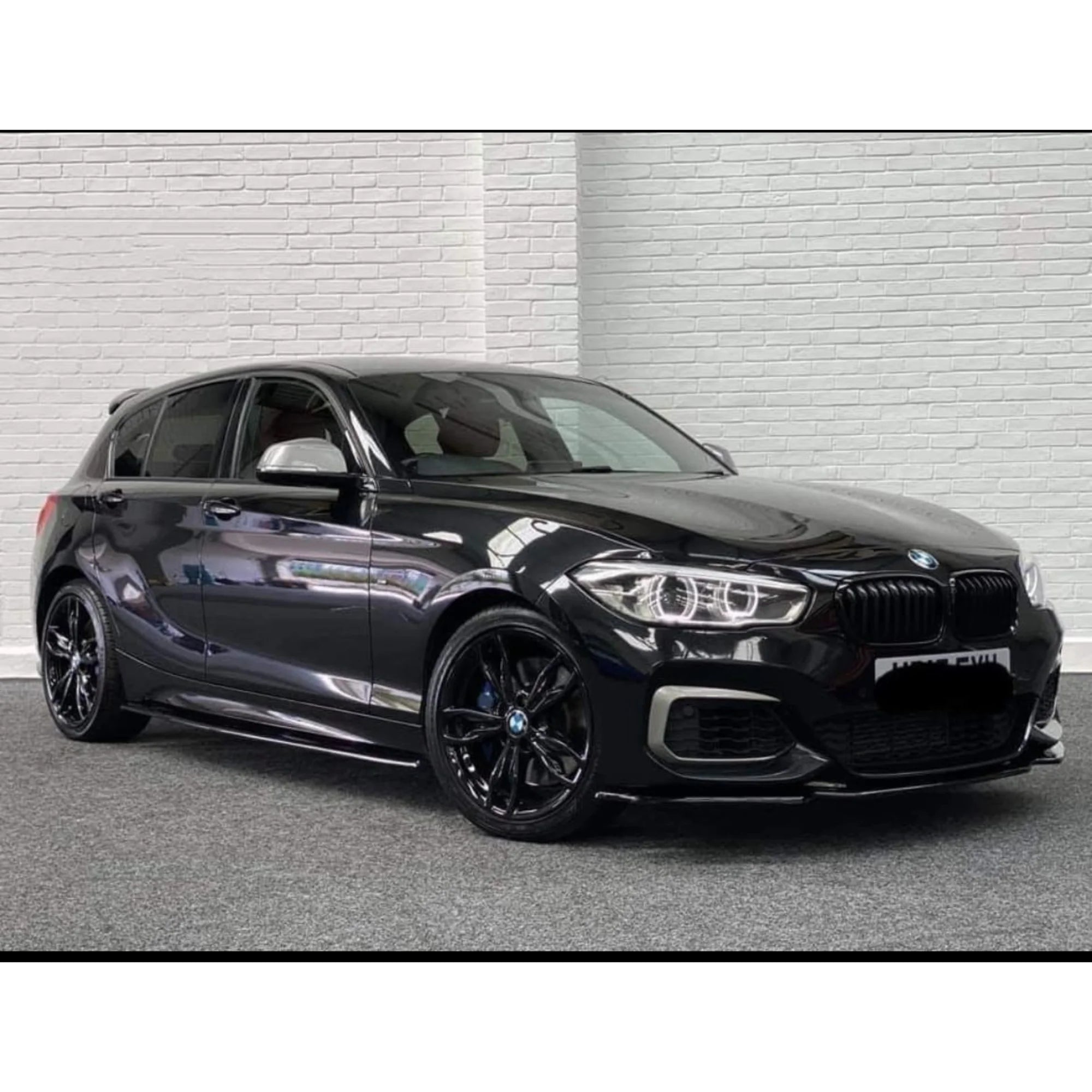
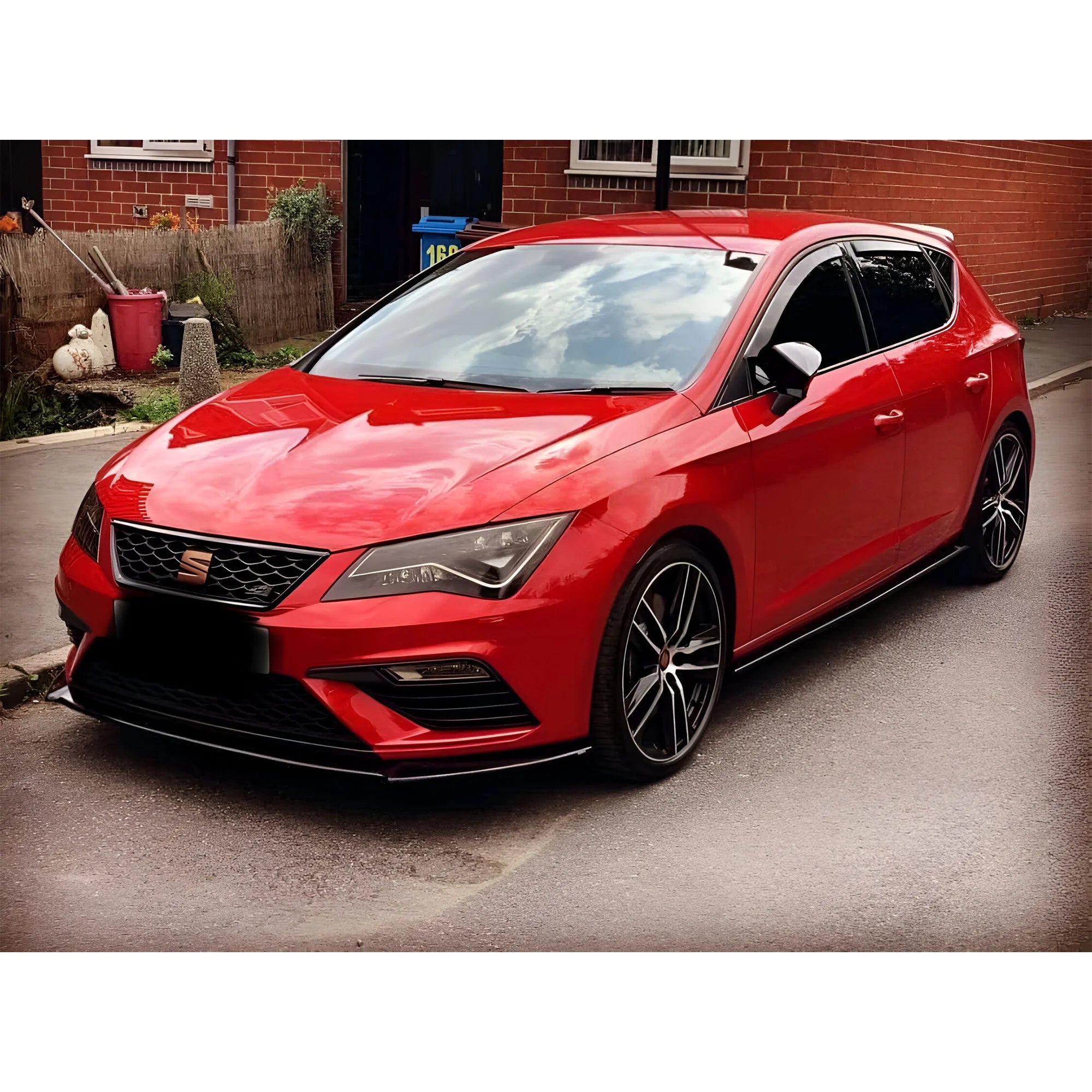
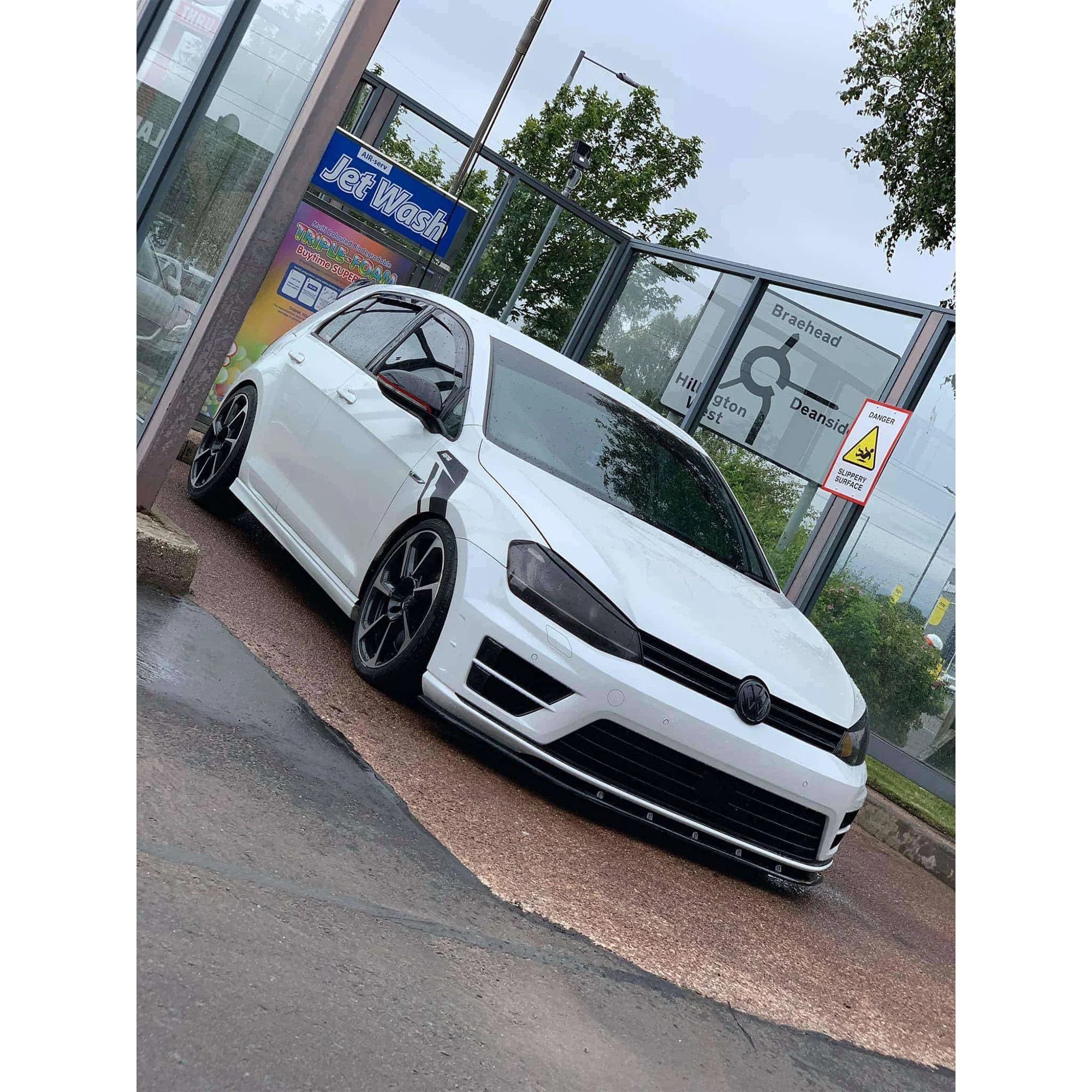
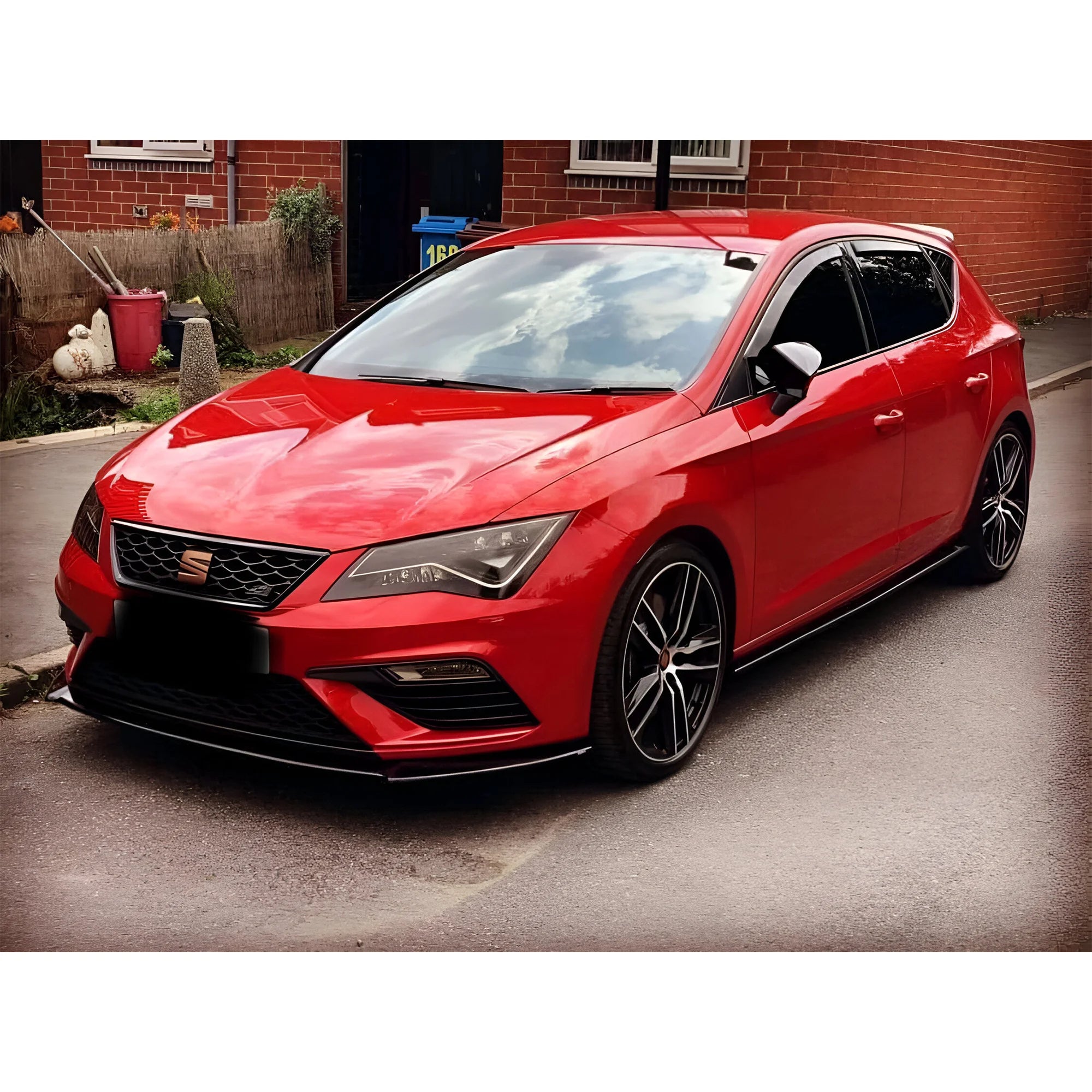
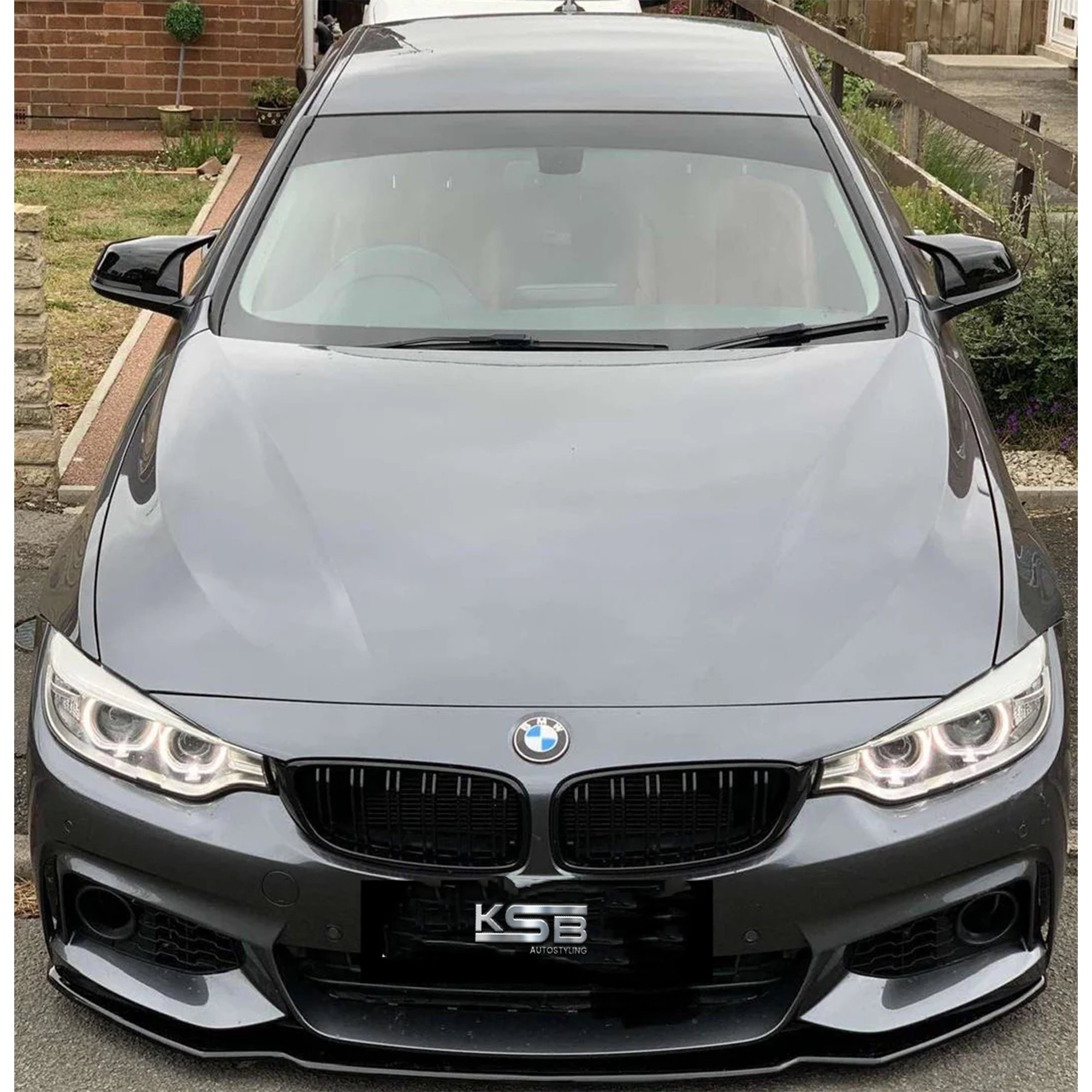
Instead of wild shapes, many owners want their car to look like a higher trim level or a factory performance model. This is where low-line body kits shine: front splitter, side extensions and rear splitters that follow the original bumper lines.
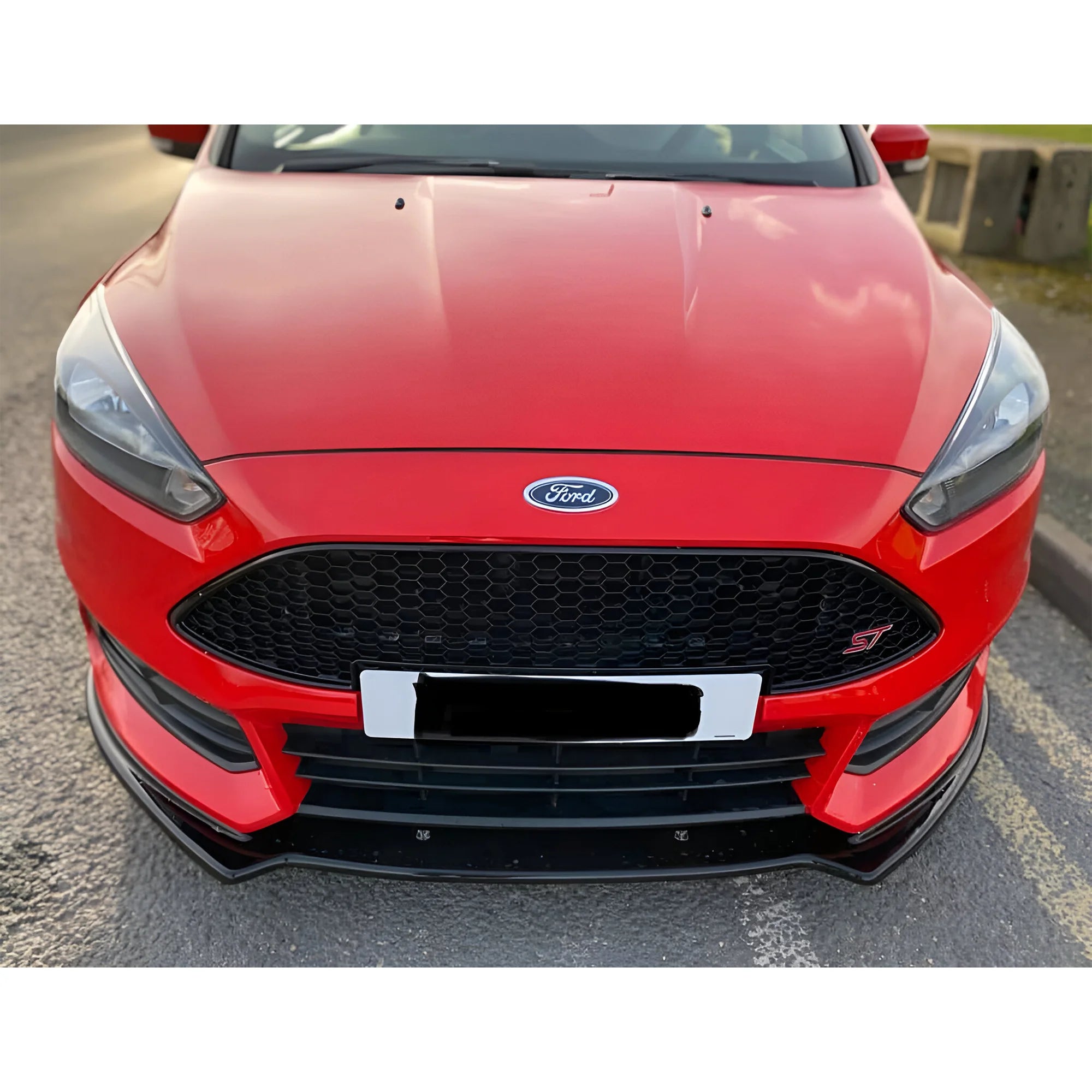
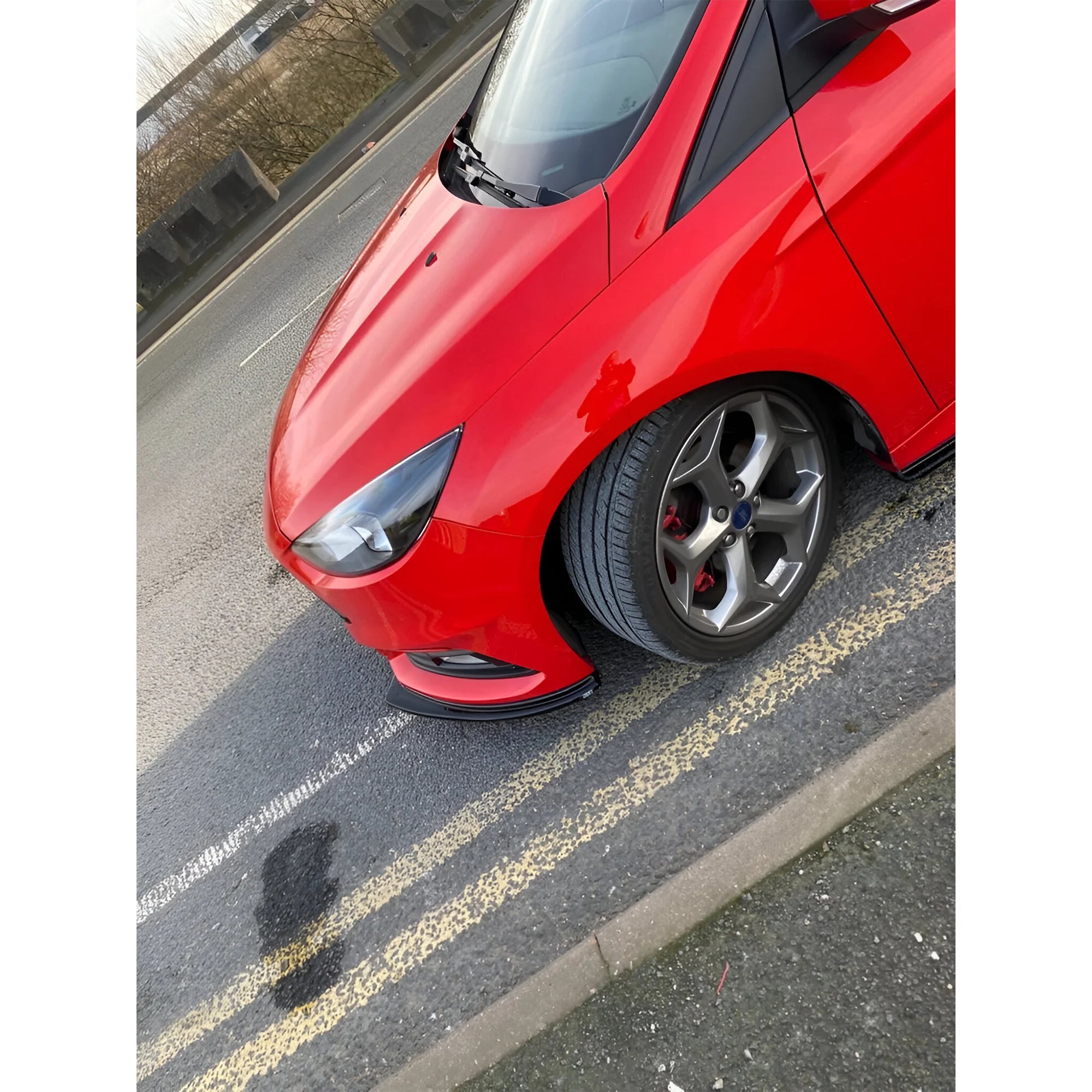
Kits like the Fiesta ST MK7.5 ST180 Low Line Bodykit are a great example of this approach. It’s designed to give the ST180 a bold, race-inspired look while staying aerodynamically efficient and tailored specifically to the car, with front splitter, side skirts and rear diffuser working together as one package.
This kind of kit:
- Makes the car look lower without needing extreme suspension drops
- Keeps parking and daily driving practical
- Feels like something the manufacturer could have offered from the factory
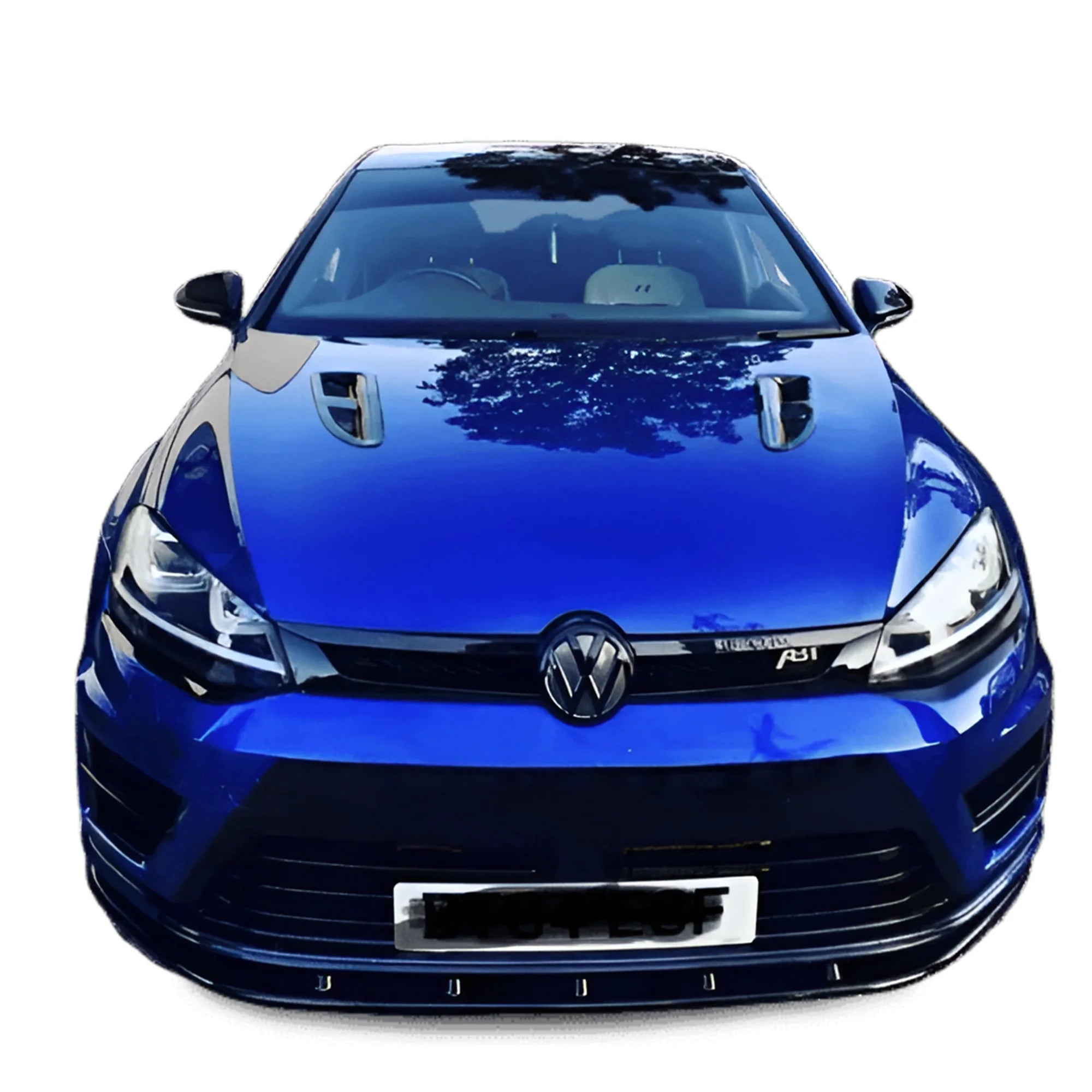
Trend 2: Aerodynamic Body Kits That Actually Do Something
In the past, a lot of body kits were just “plastic for looks.” In 2026, more car owners want parts that do a job:
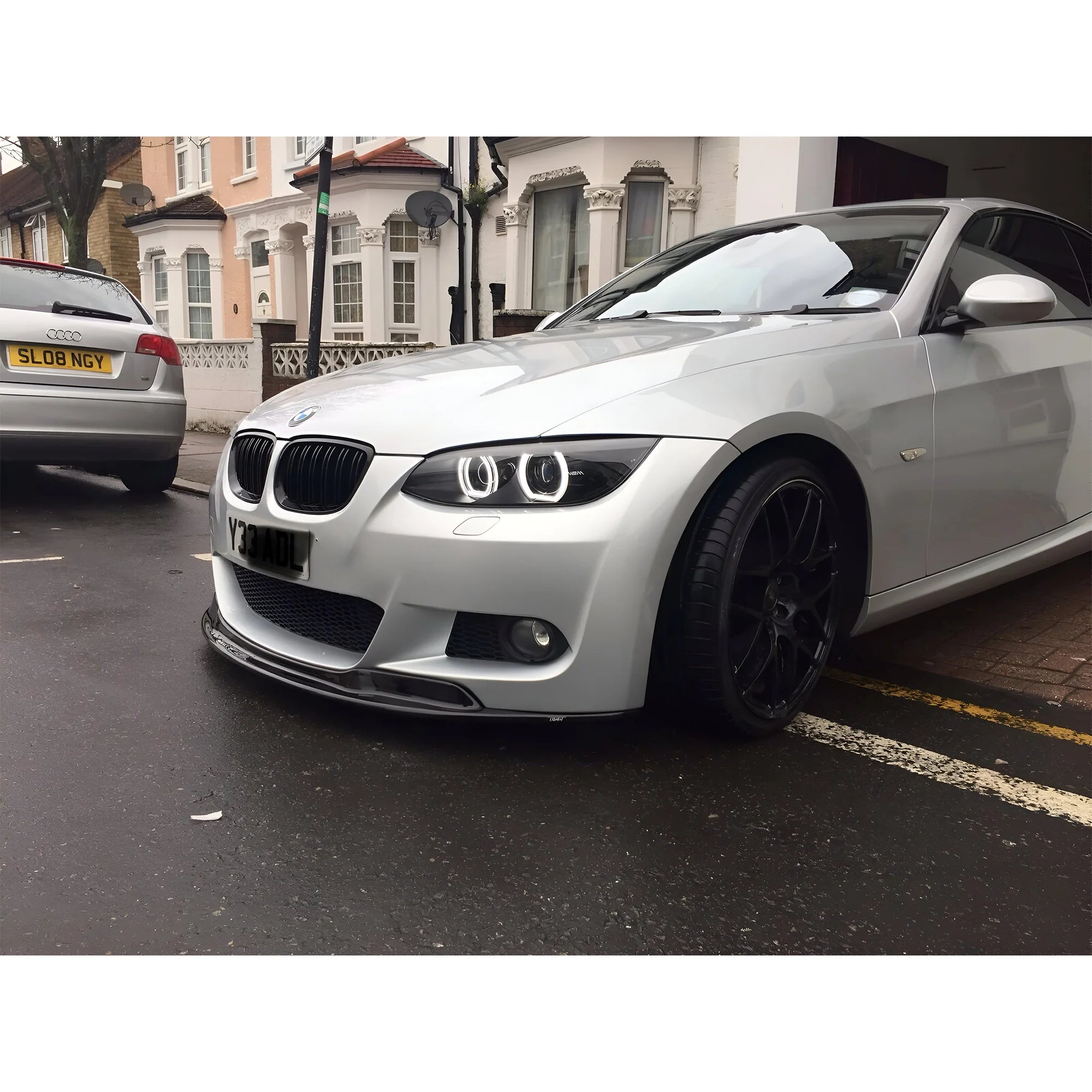
- Front splitters that reduce front-end lift
- Rear splitters and diffusers that calm airflow under the car
- Side skirts that tidy up the air moving along the sides
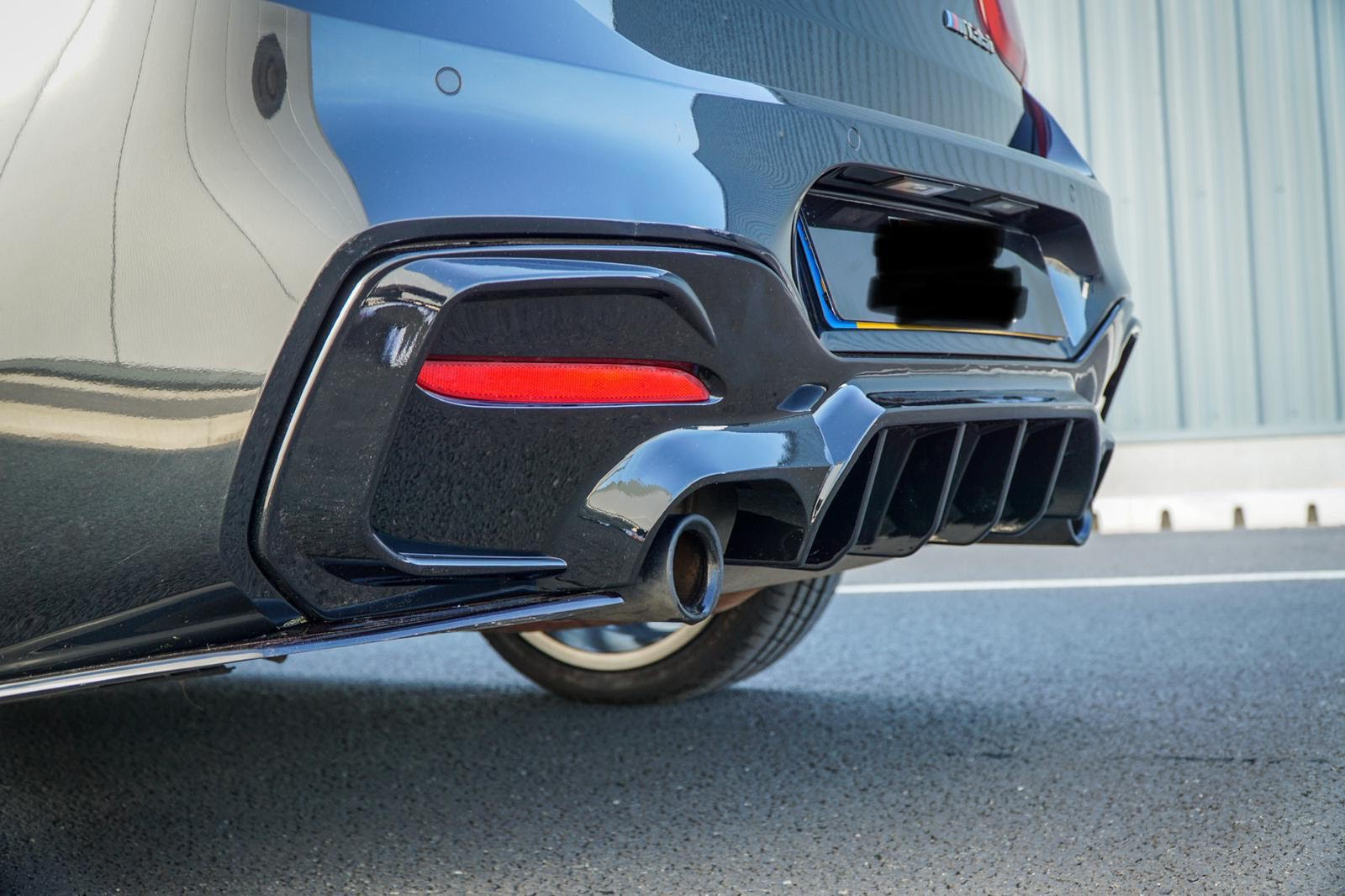
You can see that language clearly in how serious brands describe their parts. For example, Fiesta ST MK8 Rear Splitters from KSB Autostyling are promoted not just for looks but for their aerodynamic function: they channel airflow, reduce drag and improve stability at higher speeds, combining sporty styling with better on-road feel.
So when we talk about “aerodynamic body kits” in 2026, we’re talking about:
- Shapes tested and refined with airflow in mind
- Clean undersides and edges that help the car feel planted
- Less “random spiky bits”, more smooth, purposeful design
Trend 3: EV Body Kits and Range-Friendly Styling
Electric cars are now a big part of tuning culture. Body kit trends have followed:
- Smooth front lips and splitters that help manage airflow around a blunt front end
- Side skirts that act like a seal between the side of the car and the road surface
- Subtle rear lips or diffusers that manage wake turbulence without adding huge drag
Even though KSB Autostyling is best known for performance petrol and diesel models, their approach to styling kits – clean, CNC-precise shapes, British-made ABS and careful fitment – lines up perfectly with what EV owners need. Their focus on aerodynamic enhancements, not just decoration, is clear in the Ford body kit collection tags, which highlight “aerodynamic upgrades”, “Fiesta ST Aero Kit” and “Ford Fiesta ST MK8 Aero Kit”.
This is exactly where EV styling is going: quality aero pieces that help the car slip through the air rather than fight it.
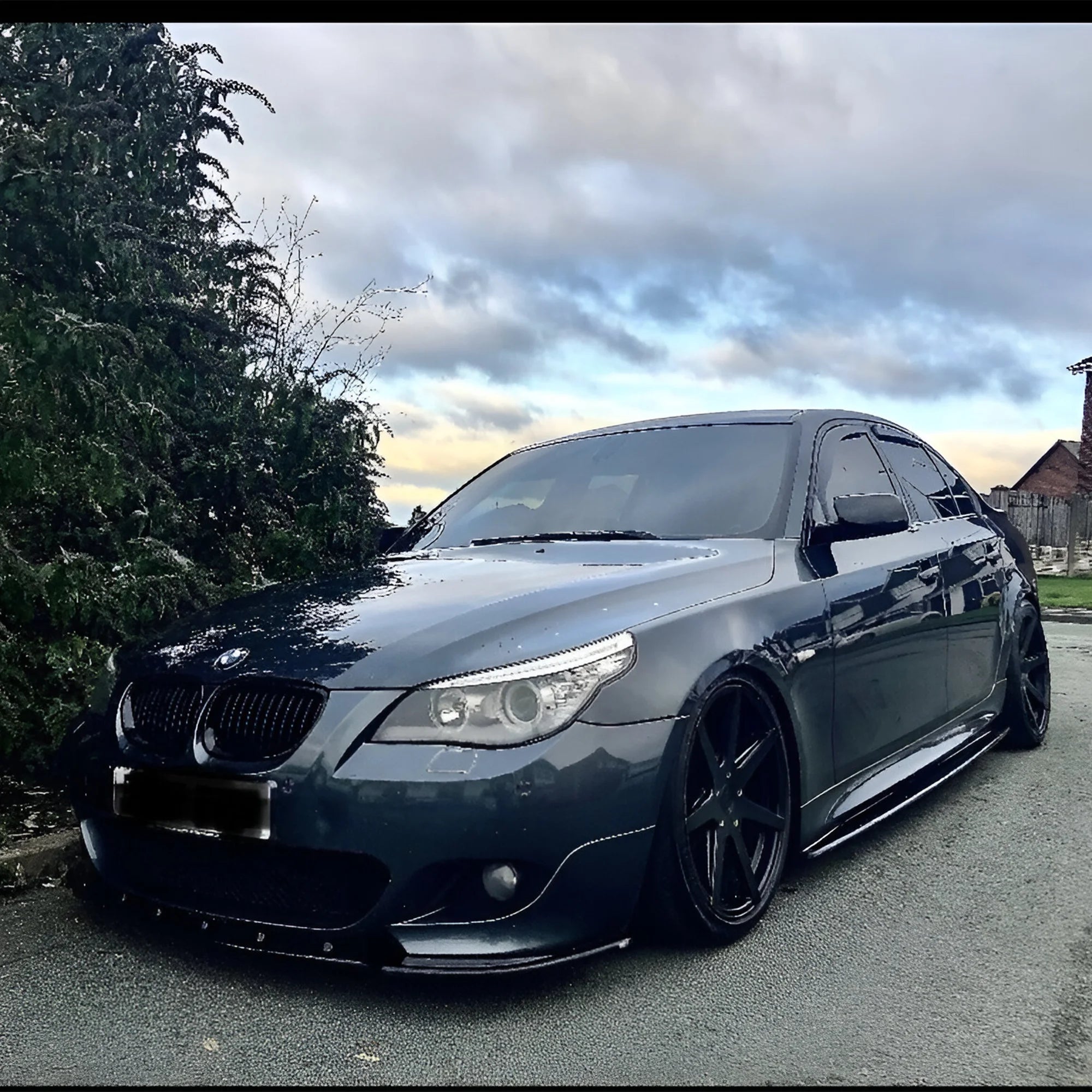
Trend 4: Widebody Kits and Stance – Still Huge, But Smarter
Widebody kits are not going away. In 2026, they’re just better thought out:
- Flares and arch extensions designed around real wheel sizes
- Kits that follow factory body lines rather than fighting them
- More owners are pairing widebody kits with real suspension and brake upgrades
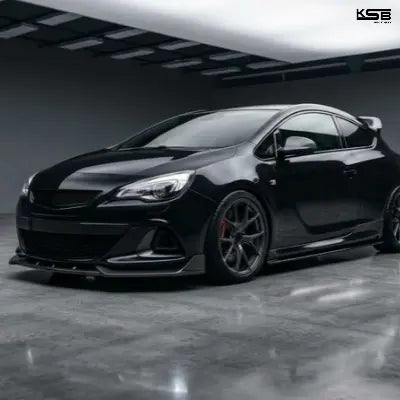
Low-line kits like those for the Fiesta ST and Astra J VXR give a “mini widebody” feel without extreme cutting. The Astra J VXR Low Line Bodykit, for example, is sold as a way to get both style and road performance, matching original contours while adding distinct performance details.
For everyday owners, this is a more practical way to tap into stance culture:
- You get the visual weight and drama
- You avoid a full arch chop and major bodywork
- You can still drive the car daily without constant stress
Trend 5: Materials – ABS, Carbon Fibre and British-Made Quality
The material of your body kit matters more than ever.
- Cheap fibreglass: brittle, heavy, often poor fitment
- ABS plastic: flexible, strong, great for daily drivers
- Carbon fibre: light and premium, ideal when you want both looks and performance
KSB Autostyling is very clear about their stance here. They specialise in top-quality ABS automotive styling, manufacturing British-made car products with CNC precision and hand finishing by an experienced team of enthusiasts. Their kits are described as:
- “Flexible and very strong”
- “Black high gloss”
- “Tough ABS plastic”
- “Will not shatter like the cheap fibreglass version”
This is exactly what owners are looking for in 2026:
- Something that can survive UK roads, kerbs and speed bumps
- A part that fits well and doesn’t need endless trimming
- A finish that looks premium straight out of the box
Where performance demands it, carbon fibre options are offered too, such as in the Fiesta ST MK7.5 ST180 Low Line Bodykit, which can be supplied in durable ABS plastic or carbon fibre for weight-conscious builds.
Trend 6: Universal Lips vs Model-Specific Kits
Online marketplaces are full of universal:
- Front lips
- Side skirt extensions
- Rear spats
These are cheap and flexible, and they’re part of the 2026 body kit story. But there’s a clear shift towards model-specific kits for owners who value:
- Perfect alignment with bumpers and sills
- Clear instructions and hardware
- A cohesive look from front to back
KSB’s catalogue is based around model-specific kits: Ford Fiesta, Focus, BMW, Audi, SEAT, Mercedes, Vauxhall, Land Rover and more. Within the Ford section alone, you see tags for:
- Fiesta ST MK7.5 Bodykit
- Fiesta ST MK8 Body Kit
- Fiesta ST MK8 Rear Splitters and Rear Diffuser
- Fiesta ST Side Skirts MK8 and Fiesta ST MK7.5 Side Extensions
This is exactly what the more serious 2026 owner is shopping for: kits that are made for their car, not just “close enough.”
Trend 7: Rugged and Practical Styling for Daily Use
Not every body kit is about track days. Many 2026 owners want:
- A tougher, more purposeful road presence
- Extra visual protection at the front and rear
- Subtle aggression rather than “race car” looks
You see this in the way KSB promotes Ford Transit Connect and other Ford body kits too, describing front splitters, side skirts and rear spats as a way to sharpen the look while adding aerodynamic and protective benefits.
Even for hot hatches like the Fiesta ST, parts such as:
- Rear splitters
- Rear spats
- Side extensions
Give the car a more planted, “ready for anything” stance without making it impractical.
Trend 8: 3D-Printed and Small-Batch Designs
While big brands focus on ABS and carbon fibre, 3D-printed body kit parts are starting to appear for:
- One-off builds
- Small-run lips and ducts
- Custom aero trims
KSB’s strength is not in gimmicks but in consistent, British-made ABS kits with CNC precision. However, the general market is clearly moving towards:
- Digital design
- CAD-driven shapes
- Limited-run parts for specific enthusiast models
So for most owners, the smart move in 2026 is:
- Use proven ABS and carbon kits for the main splitter, skirt and diffuser
- Add custom 3D-printed touches later if you want detail changes
What Most Guides Miss and How to Avoid Costly Mistakes
When you read generic body kit guides online, they often:
- Talk only about looks, not about fitment and quality
- Ignore material differences (fibreglass vs ABS vs carbon)
- Skip over how the car is actually used (daily vs show vs track)
-
Barely mention aerodynamics or stability at speed
Forget about returns, installation advice and customer support
That’s where more serious brands stand out. For example, KSB Autostyling:
- Recommend professional fitting and trial fitting of parts before painting
- Offer worldwide shipping, 30-day returns and secure checkout on their product pages
- Highlight that all products are crafted in Britain with a focus on quality and durability
Those details matter more than any trend list. They are the difference between a kit you enjoy for years and a kit you regret after the first pothole.
Real-World Examples from KSB Autostyling
To make these trends concrete, here are a few examples of how they show up in real products from KSB Autostyling:
- Fiesta ST MK7.5 ST180 Low Line Bodykit: An OEM+ style kit with front splitter, side skirts and rear diffuser, designed for improved aerodynamics, reduced drag and better stability, using ABS or carbon fibre for lightweight strength.
- Fiesta ST MK8 Rear Splitters: Aerodynamic rear corner splitters in gloss black ABS, engineered to reduce drag and improve stability at speed while giving a sportier, more aggressive rear end.
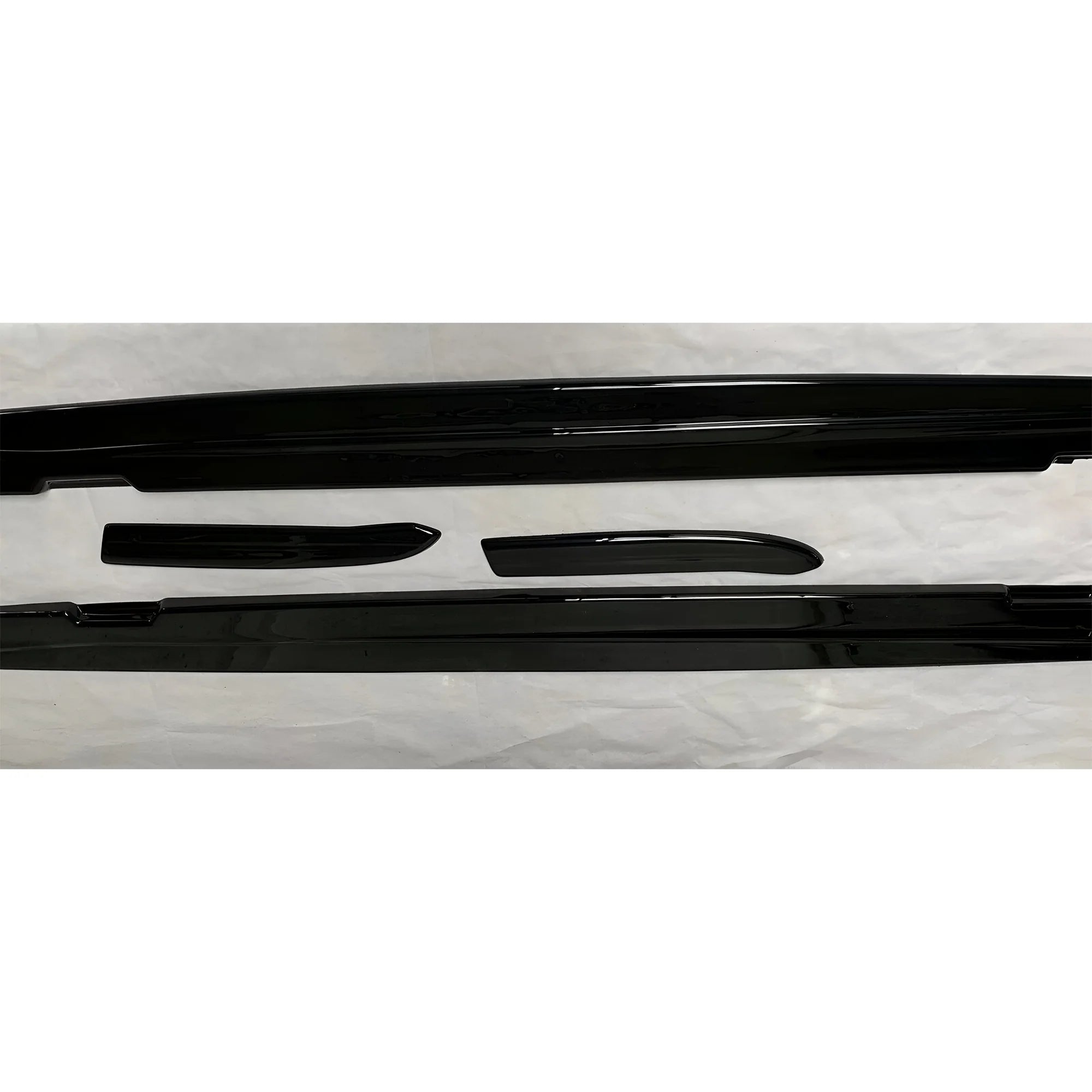
- Ford Fiesta MK7.5 ST180 Splitter and Side Skirt Extensions: High-gloss black ABS parts that are flexible and strong, built to avoid shattering like cheap fibreglass versions, and recommended for professional fitting.
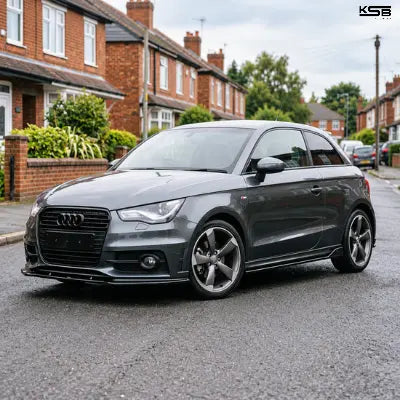
- Audi S1 8X A1 S Line Low Line Bodykit: A full low-line kit in tough ABS plastic, gloss black, described as flexible, very strong and manufactured in the UK to a high standard, again emphasising durability and fitment.
These examples follow the same pattern:
- Model-specific
- ABS or carbon fibre
- British-made
- Designed to balance looks and aerodynamics
How to Choose the Right Body Kit in 2026
When you’re ready to buy, walk through these steps:
-
Decide what you really want from the car
Daily comfort, weekend fun, track days or show-car presence. -
Choose your style: OEM+ or wild
OEM+ low-line kits if you want a factory-plus look; more aggressive setups if you want maximum stance. -
Pick your material wisely
ABS for daily use and value, carbon for weight and prestige on performance builds. -
Check brand quality
Look for CNC-made, British or EU-manufactured, clear descriptions, and good photos. KSB Autostyling, for example, stresses high-quality ABS, British manufacture and a strong customer focus. -
Think about the installation
Budget for fitting, especially if the kit includes several pieces. Make sure parts are trial-fitted before paint, just as KSB advises. -
Keep it legal and practical
Watch ride height, tyre clearance and visibility. Don’t let the kit make ramps and driveways impossible.
Final Thoughts
“2026 body kit trends” is not just a buzz phrase. It tells you that:
- Clean, OEM+ designs are in
- Aerodynamics and stability matter more than ever
- EV and SUV owners are now part of the styling world
- Quality ABS and carbon parts are beating cheap fibreglass
- British-made, well-engineered kits like those from KSB Autostyling are what many owners trust
If you match the right kit to your car, your driving style and your budget, you’ll end up with a vehicle that not only looks right for 2026 but still feels good to live with in 2026, 2027 and beyond.
FAQs: 2026 Body Kit Trends
Q1: Are body kits still worth it in 2026?
Yes, if you choose quality parts and a design that suits how you use the car. A well-made ABS or carbon kit can improve both looks and stability.
Q2: Do body kits really help aerodynamics?
Poorly designed kits can hurt performance. Good ones, like low-line splitters and rear splitters designed with airflow in mind, can reduce lift and tidy up airflow for better stability.
Q3: What is the best body kit material for a daily driver?
For most people, ABS plastic is ideal. It’s flexible, strong and much less likely to crack than cheap fibreglass. That’s why so many KSB Autostyling kits are made from ABS.
Q4: Are widebody kits practical?
Complete widebody builds are usually better for show or track cars. For daily drivers, low-line kits and subtle extensions give a similar effect without heavy bodywork.
Q5: Why do some brands talk about British-made or CNC precision?
Because it signals consistency and reliability, KSB Autostyling emphasises British-made products, CNC precision and hand finishing so you know the kit is built to a high standard, not just mass-produced without care.