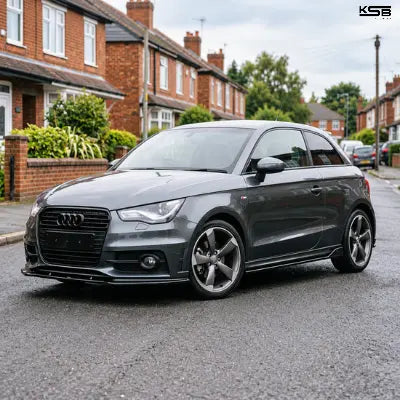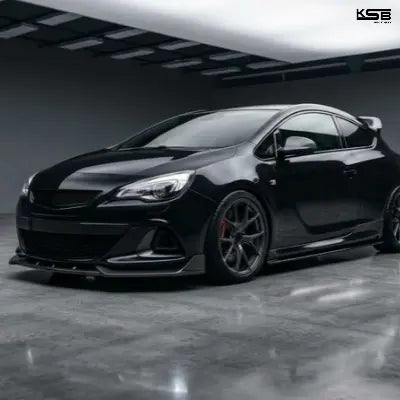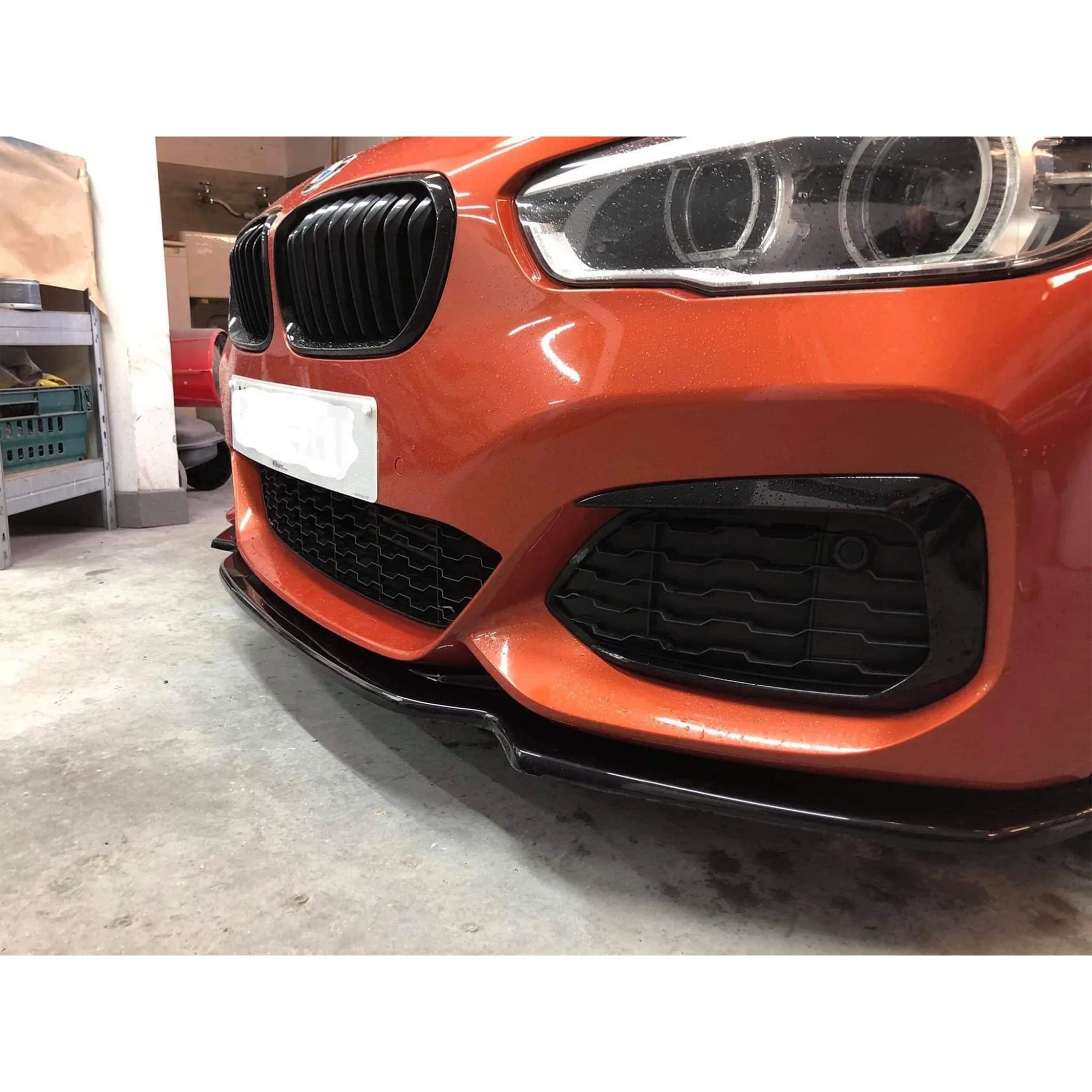


Best Body Kits for Popular UK Cars (Golf, BMW, A-Class, Focus)
The best body kits for popular UK cars are the ones that fit properly, suit the car’s original design, and still work on real UK roads. For cars like the Volkswagen Golf, BMW models, Mercedes A-Class, and Ford Focus, a good body kit should improve the car’s stance and appearance without causing daily driving problems. If a kit scrapes on speed bumps, looks forced, or doesn’t line up correctly, it quickly becomes more trouble than it’s worth.
In the UK, these cars are popular because they are practical as well as stylish. They are used for commuting, school runs, motorway driving, and everyday errands. Any body kit fitted to them needs to respect that reality. The best upgrades enhance what’s already there instead of trying to turn a daily car into something it isn’t.
This guide looks at the best body kit options for these popular UK cars, focusing on fitment, usability, and long-term value. It explains what works, what doesn’t, and how to choose a body kit that looks right and still makes sense for everyday driving in the UK.
What Makes a Body Kit a Good Choice for UK Cars
A body kit should never be chosen solely on appearance. It affects how the car looks from every angle and how it interacts with the road. In the UK, where speed bumps, narrow streets, and uneven surfaces are everyday, practicality matters just as much as style.
Fitment is the most important factor. A well-designed body kit should align cleanly with factory body panels and mounting points. Poor fitment results in uneven gaps, weak fastenings, and a finish that doesn’t look good. This is why model-specific body kits are always a better option than universal designs.
Usability is equally essential. A body kit should enhance the car without making it stressful to drive or park. Subtle upgrades that sit well and keep reasonable ground clearance tend to age far better than extreme designs, especially on UK roads.
Best Body Kits for Volkswagen Golf Models in the UK
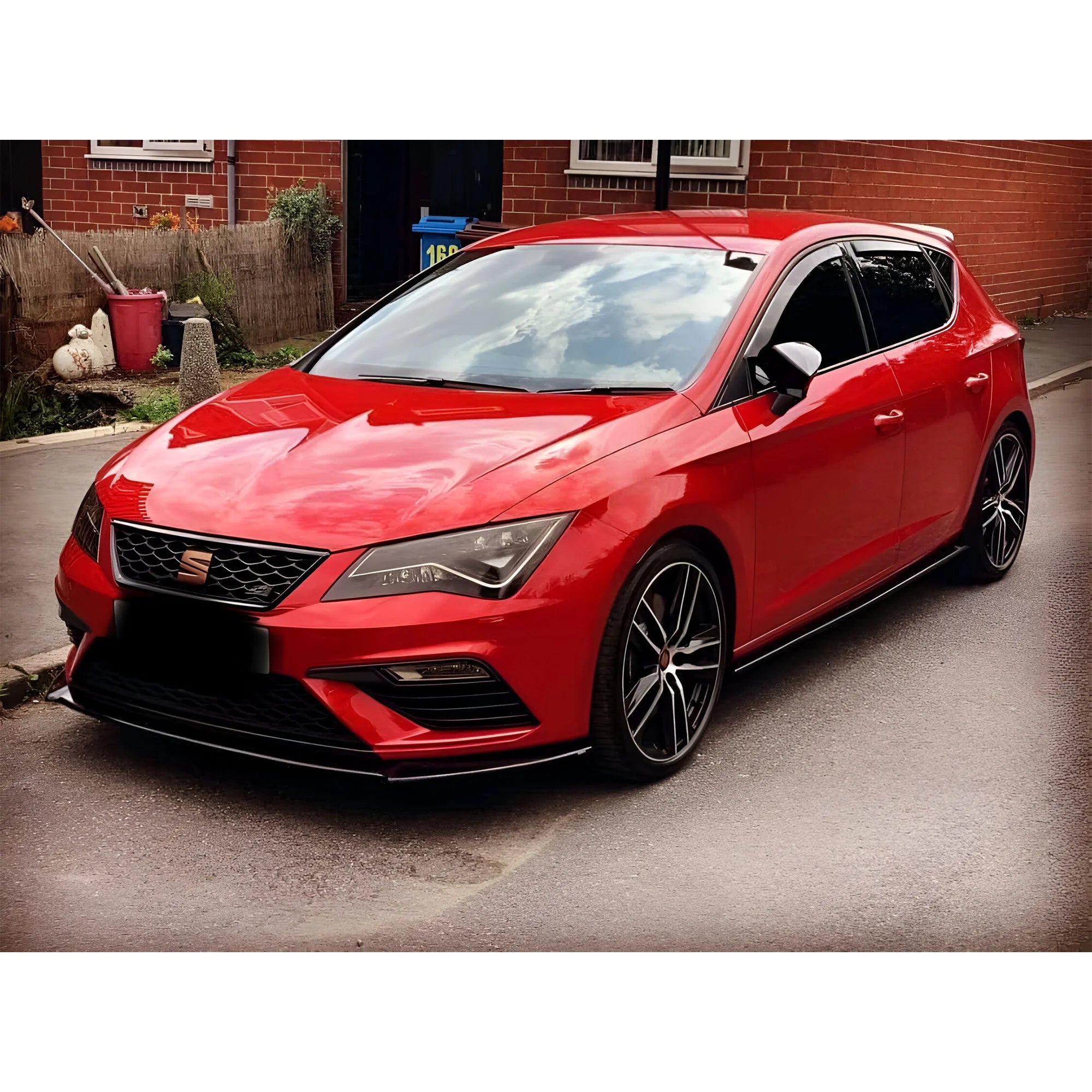
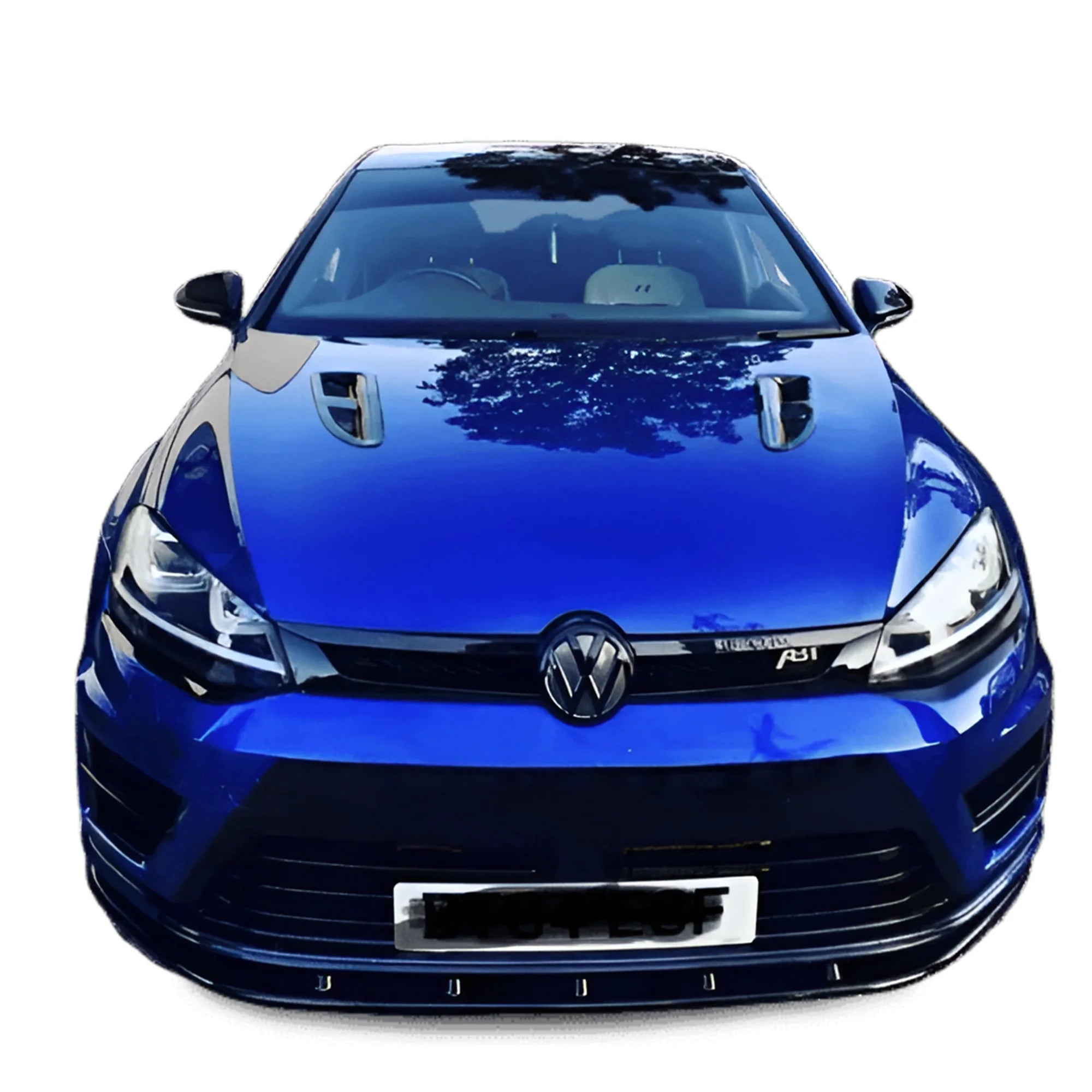
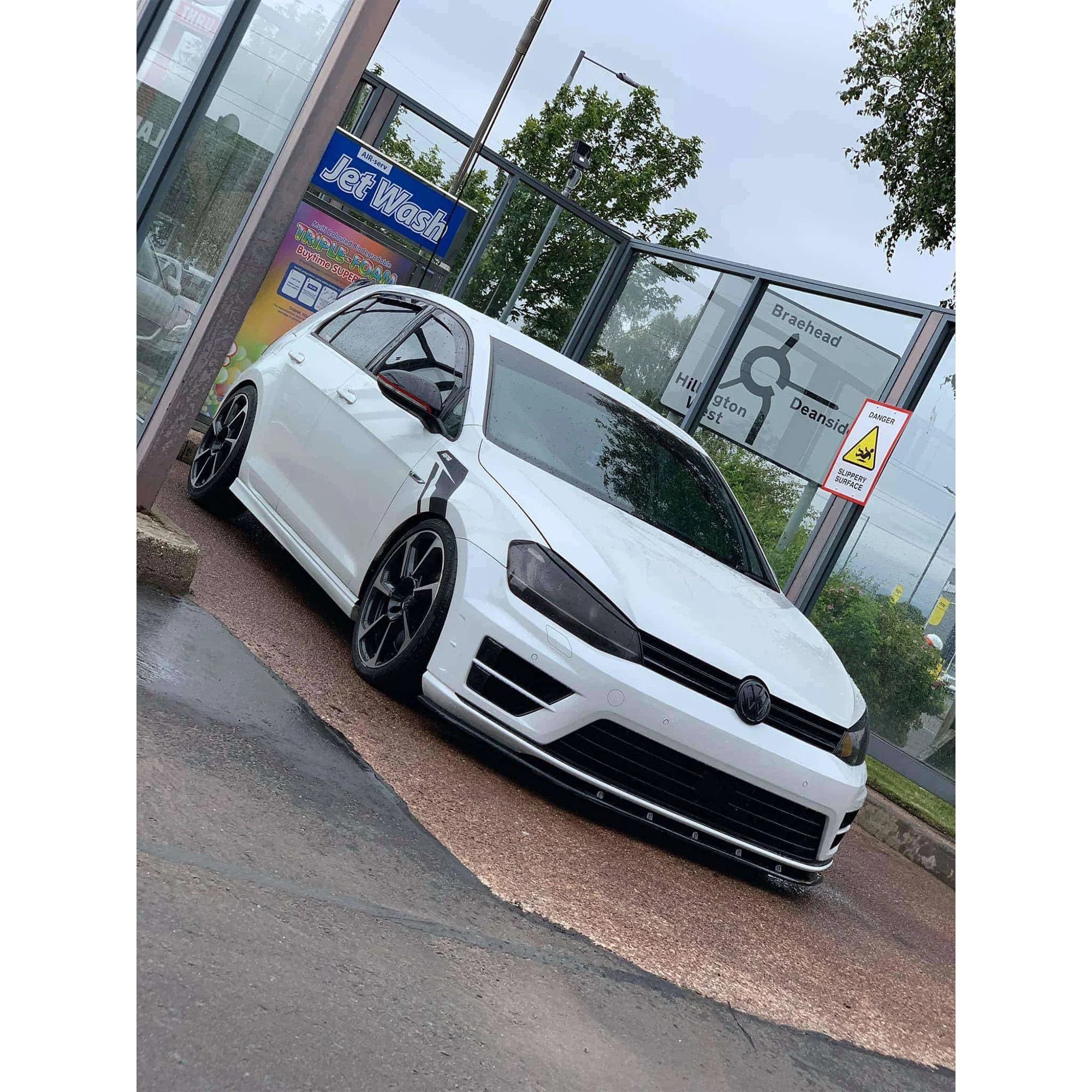
The Volkswagen Golf is one of the most modified cars in the UK, largely because its design lends itself well to subtle styling upgrades. The golf body kit that sharpens the car’s look without overwhelming its factory lines is generally considered a good choice.
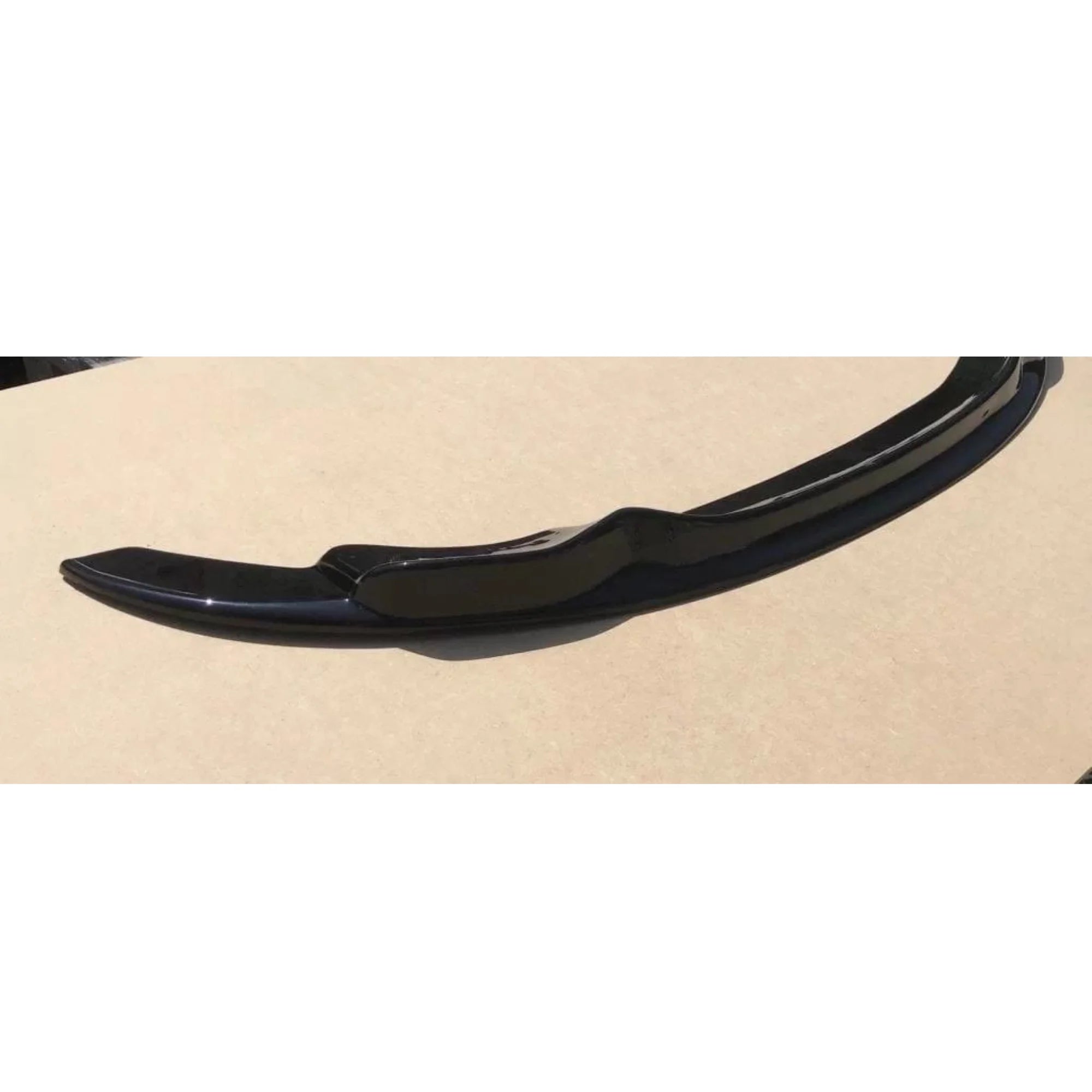
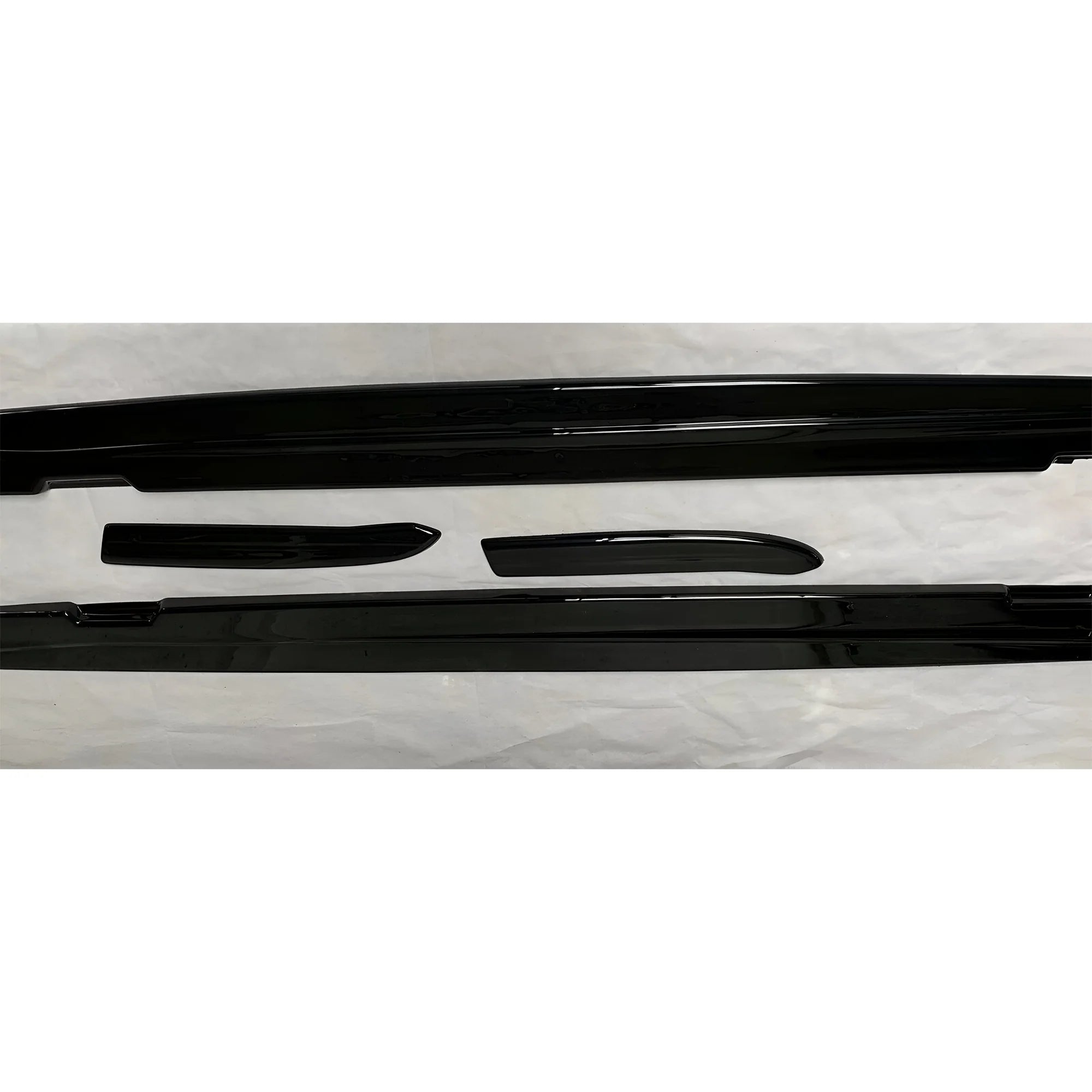
Front splitters are a popular choice because they give the Golf a lower, sportier appearance without affecting everyday usability. When paired with matching side skirts, the car looks more planted and balanced. Rear diffusers can also add a finishing touch when explicitly designed for the Golf’s rear bumper.
What usually works best on UK-driven Golfs is restraint. Overly aggressive kits can look out of place and become impractical on local roads. Clean, well-fitted components tend to deliver a more premium and long-lasting result.
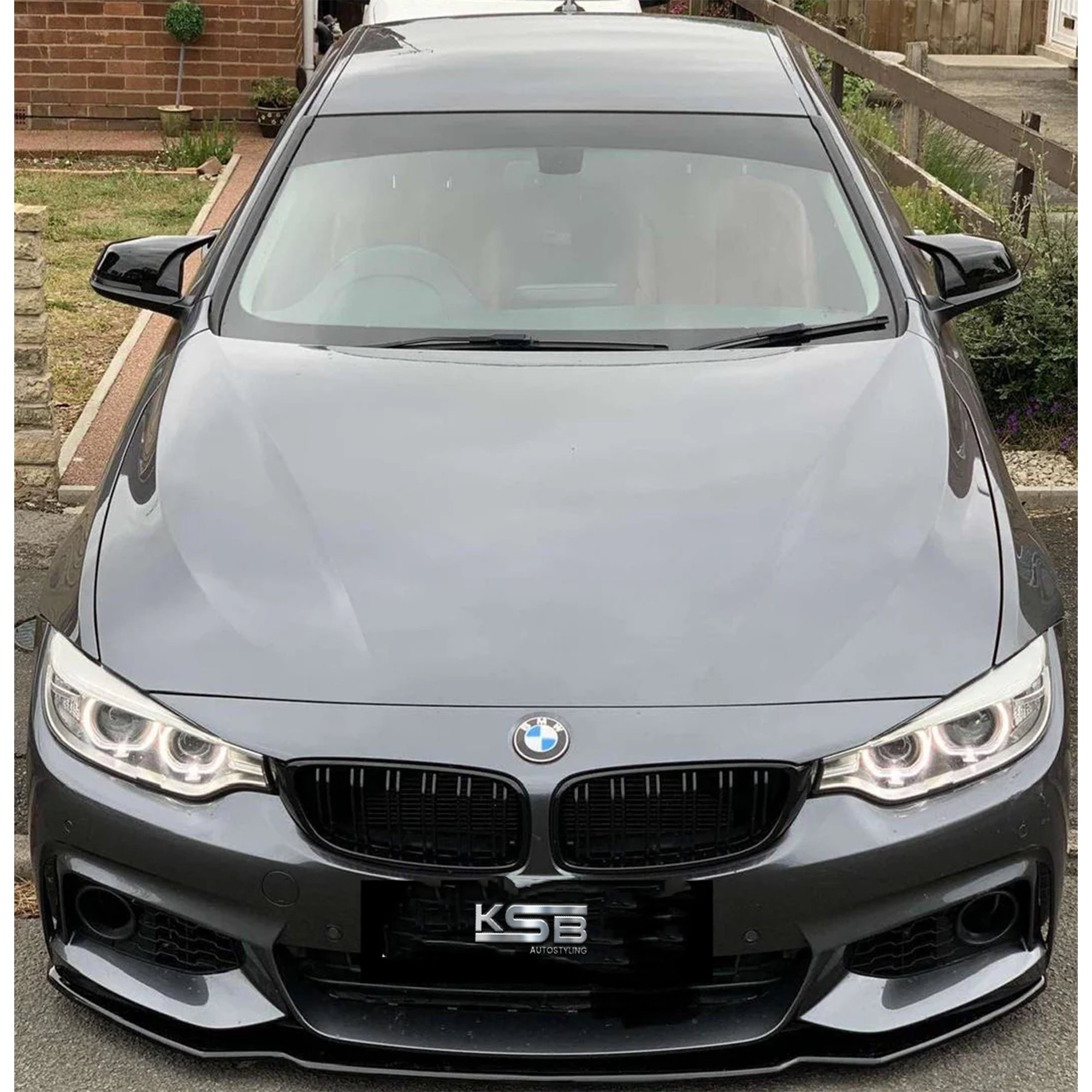
BMW Body Kits That Suit UK Driving and Styling
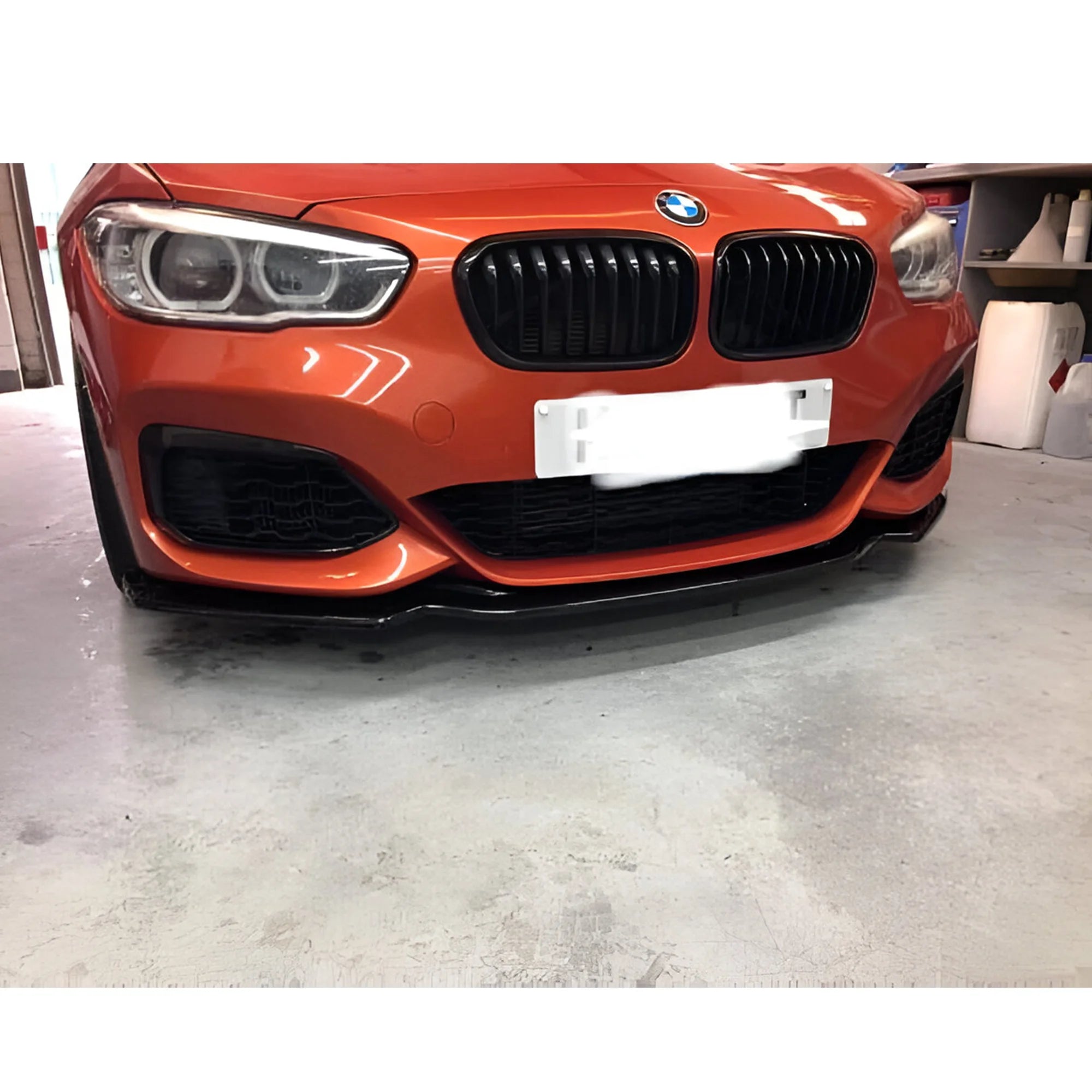
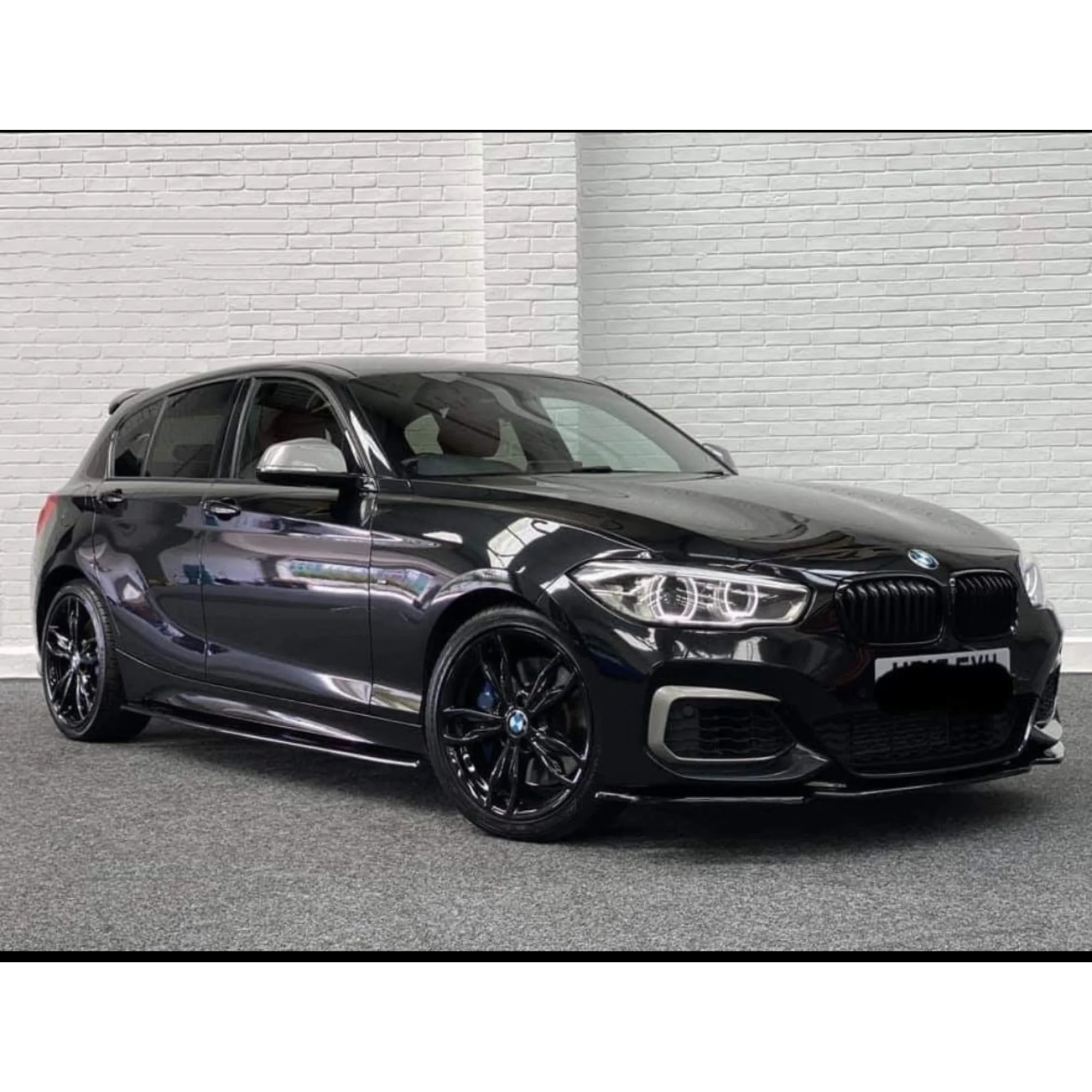
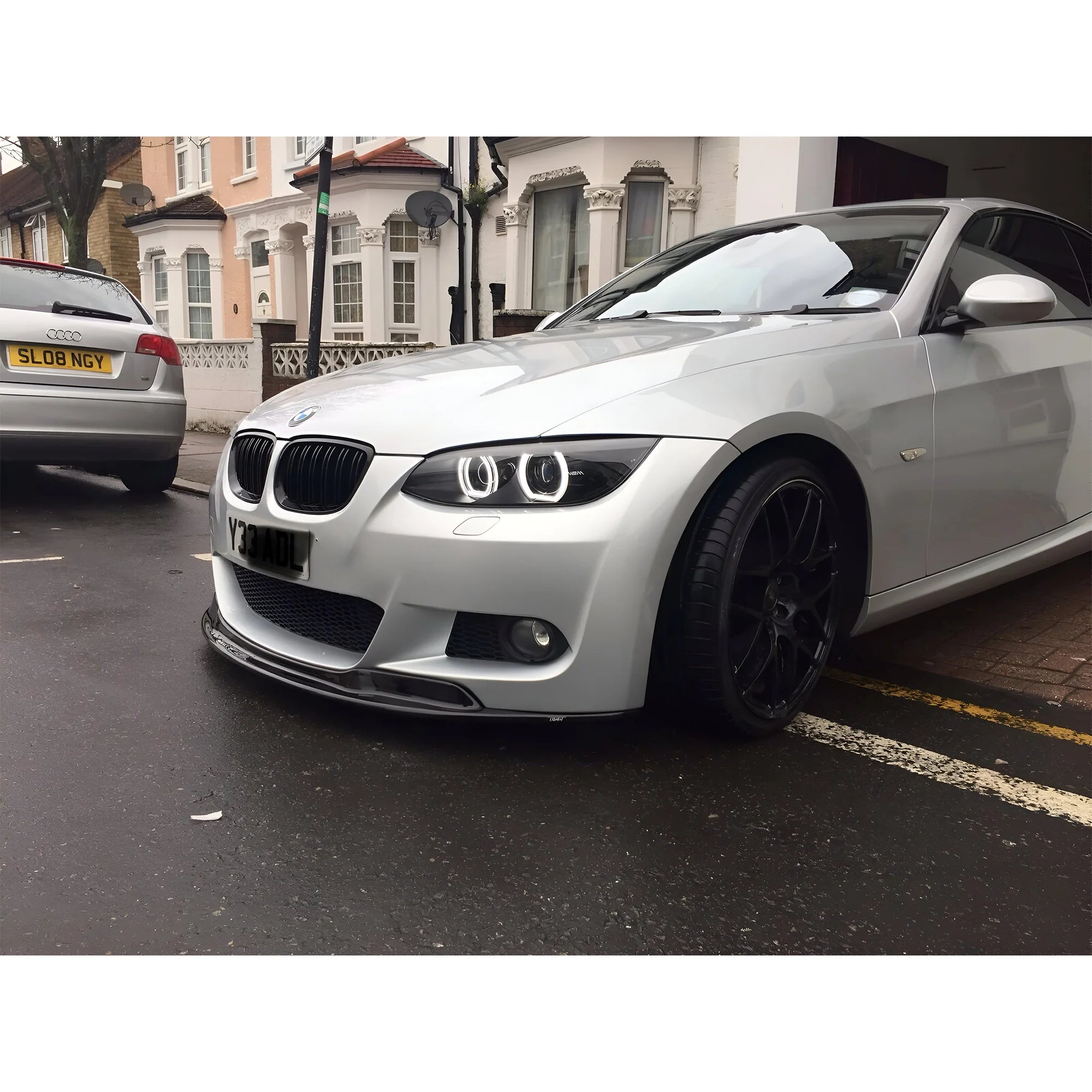
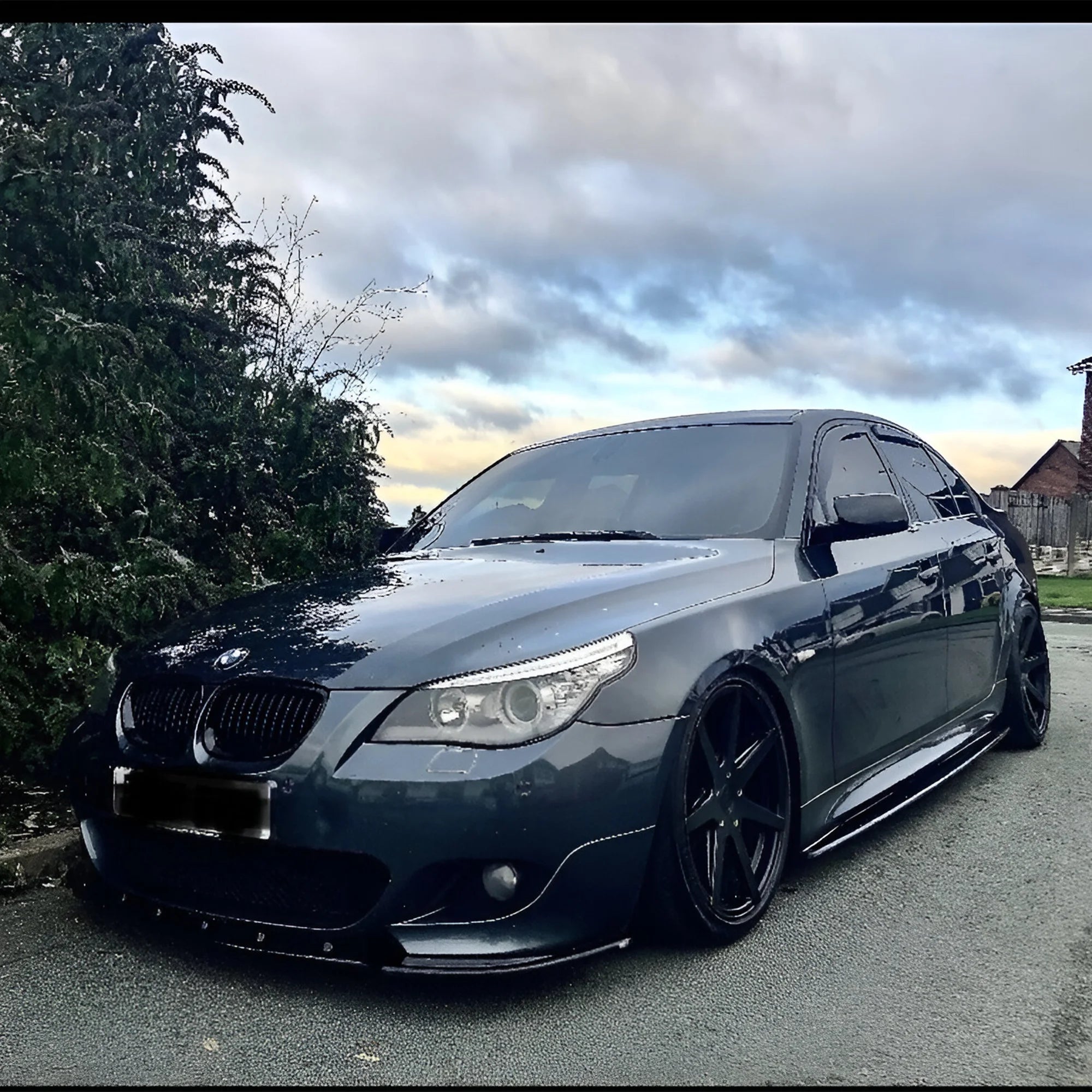
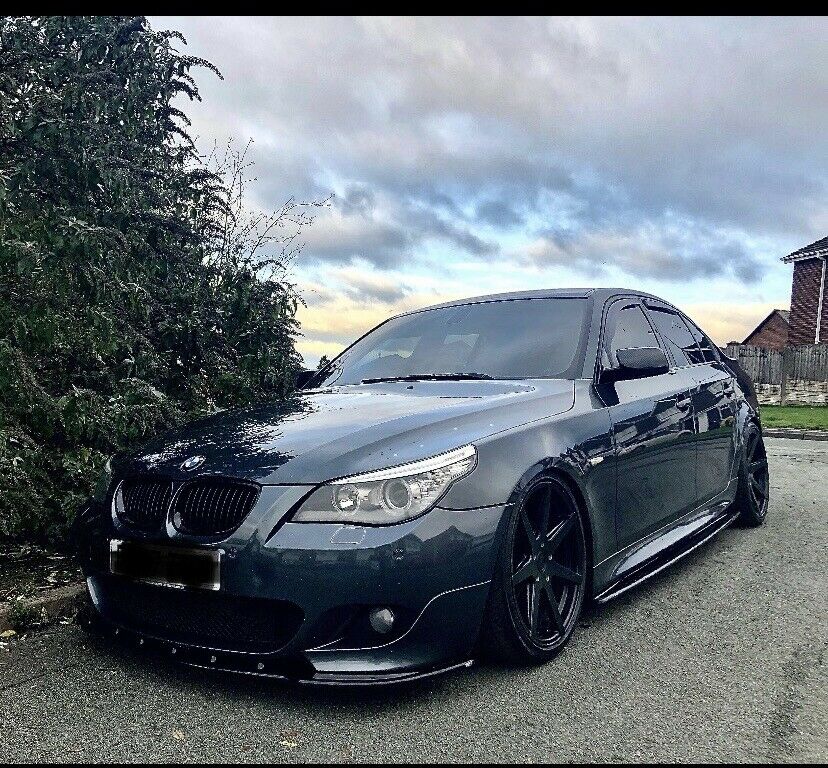
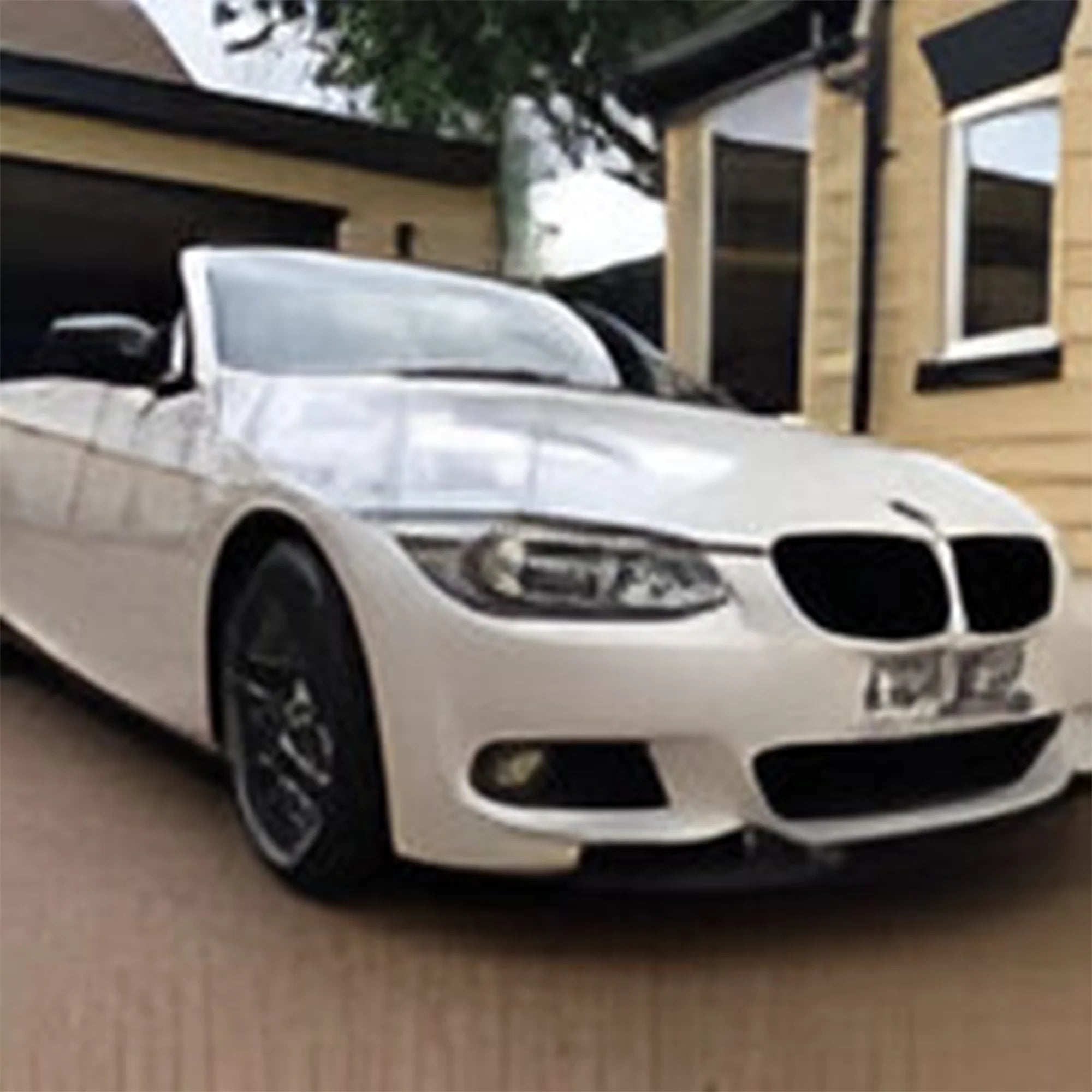
BMW models already have strong factory styling, so body kits need to be chosen carefully. The aim is to enhance the car’s performance look, not distract from it. In the UK, BMW owners often prefer upgrades that look purposeful rather than flashy.
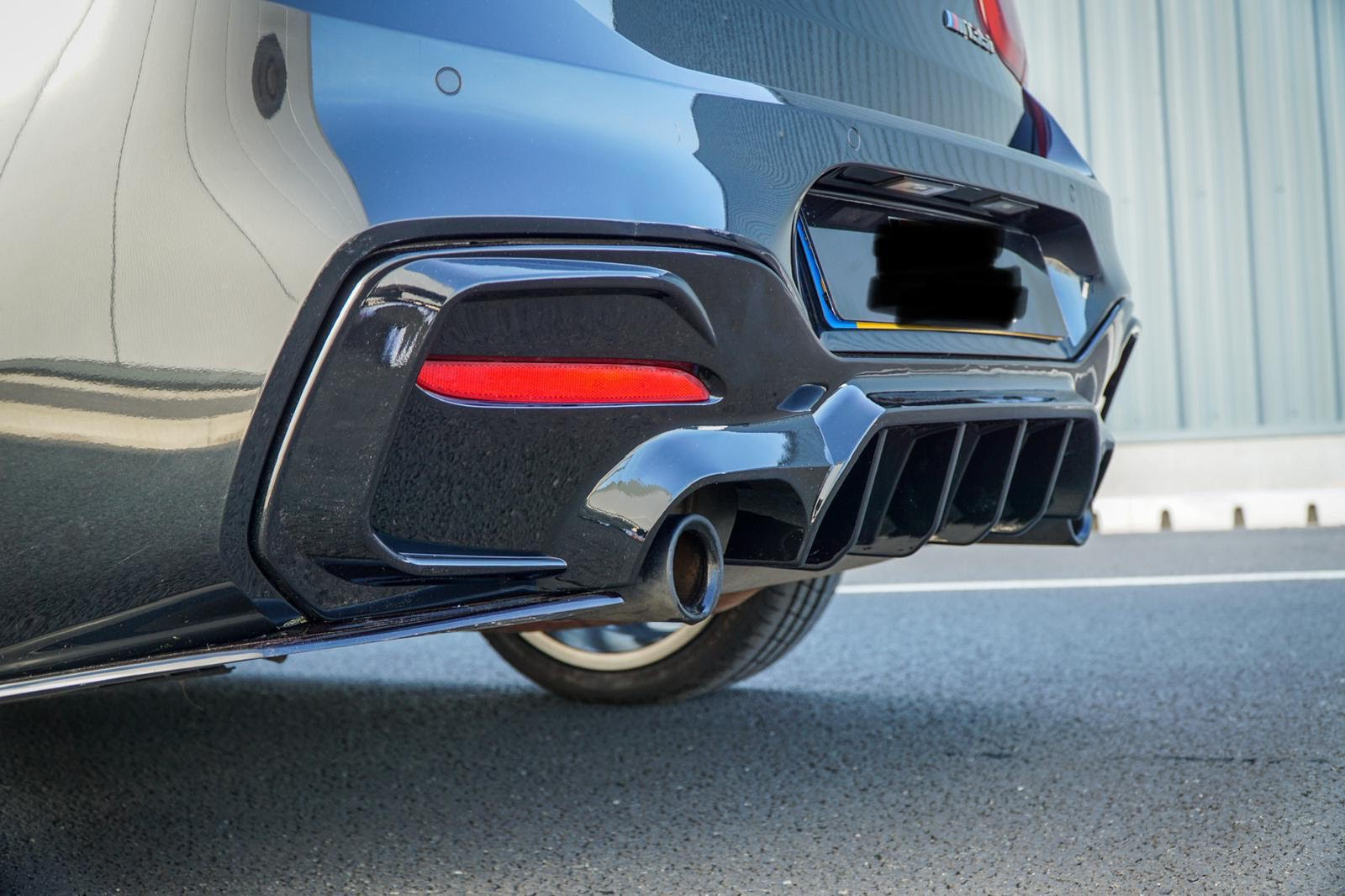
Front splitters, side skirts, and rear diffusers are common choices because they visually lower the car and improve its stance. When fitted correctly, these parts make the car look wider and more aggressive without losing its original character.
Because many BMWs are daily-driven in the UK, balance is key. Kits that follow the factory lines and maintain sensible clearance tend to work best. Poorly proportioned designs or badly fitted parts stand out quickly, and not in a good way.
Mercedes A-Class Body Kits for a Clean, Sporty Finish
The Mercedes A-Class has become extremely popular across the UK, mainly with drivers who want a premium hatchback that still feels modern and practical. Its sharp design makes it well-suited to subtle body kit upgrades.
Front and rear styling parts are often used to add a sportier edge without altering the car's overall look. Side skirts help tie the design together and make the vehicle feel lower and more dynamic. When chosen correctly, these upgrades complement the A-Class rather than overpower it.
In UK conditions, subtlety usually works best on the A-Class. Large or exaggerated kits can look out of place and create clearance issues. Well-fitted, model-specific parts tend to deliver the most refined and usable result.
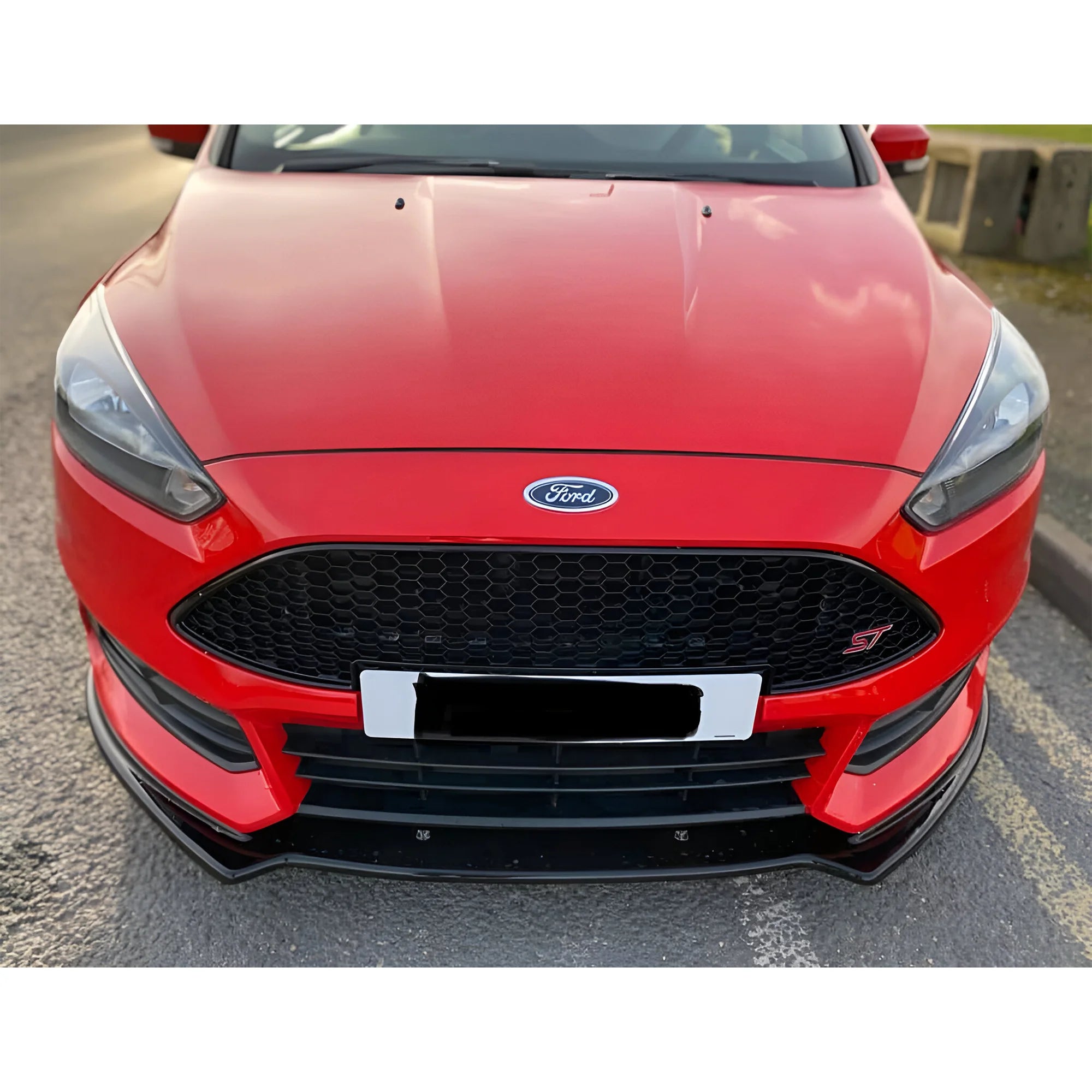
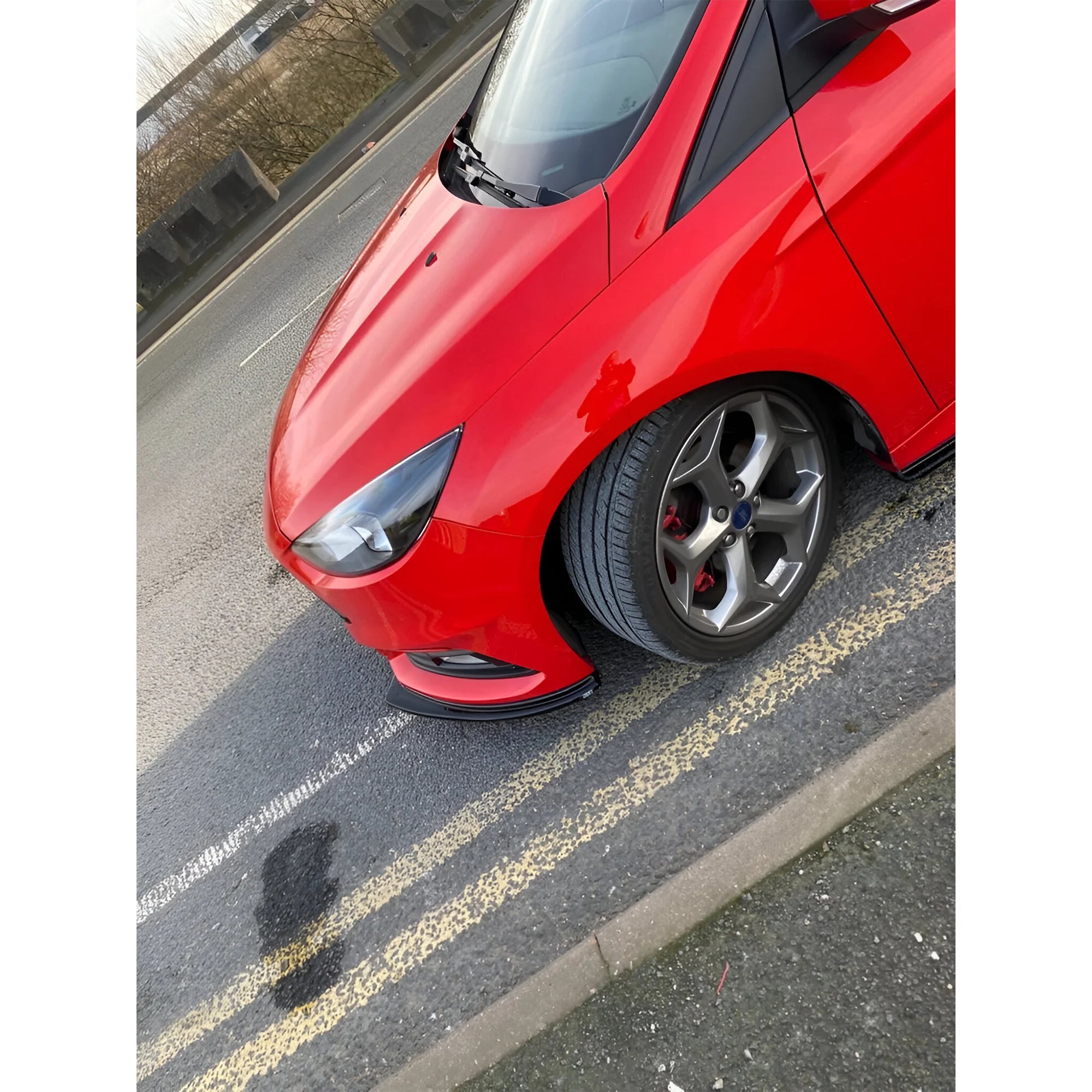
Ford Focus Body Kits That Still Work Every Day
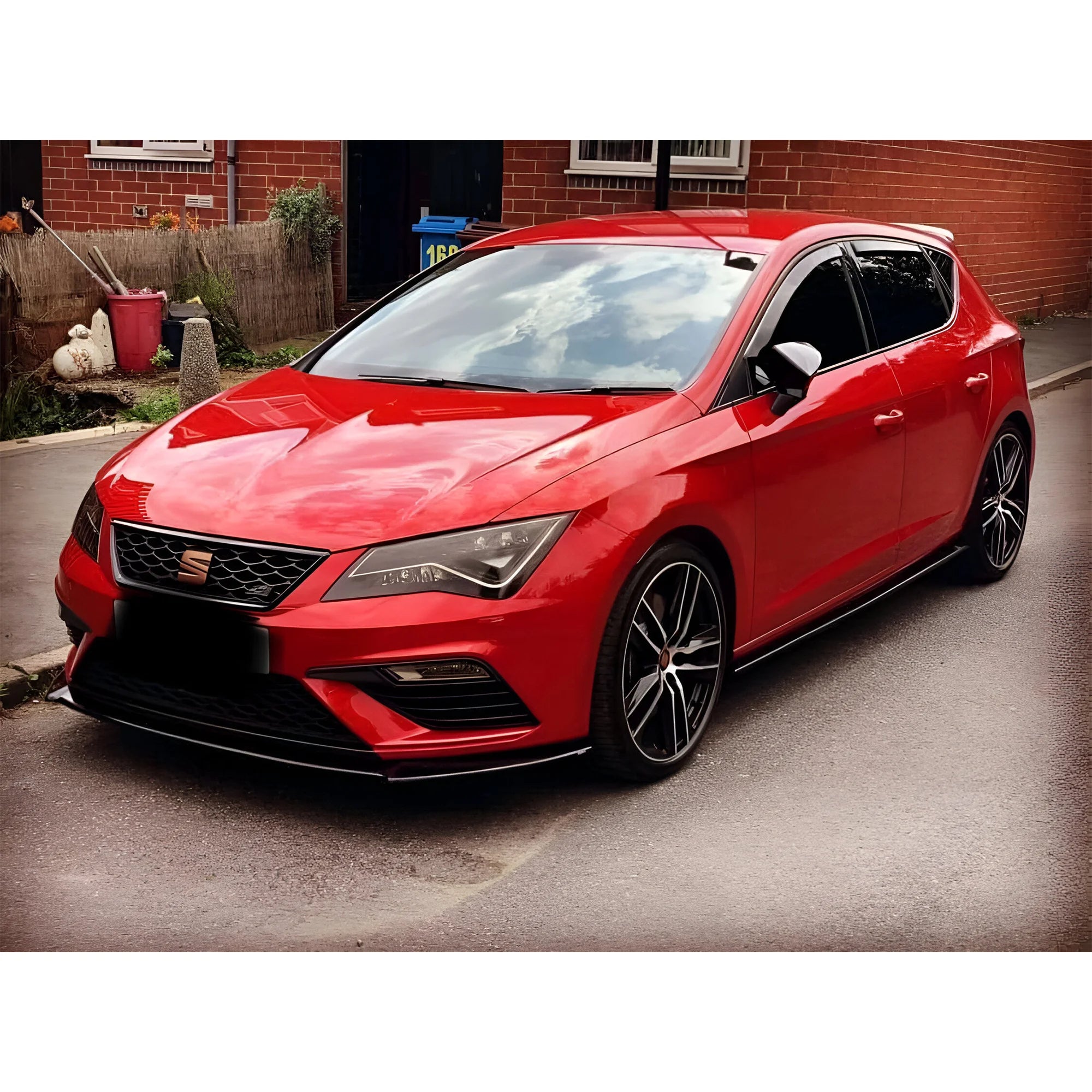
The Ford Focus has long been known for combining performance with practicality, which makes it a strong base for styling upgrades. Many UK Focus owners want a sportier look that still works for daily driving.
Front splitters and rear diffusers are popular because they add aggression without making the car difficult to live with. Side skirts can also enhance the overall profile when properly matched to the car’s design.
Because the Focus is often used as a prominent family or commuter car in the UK, ground clearance matters. Body kits that look good but constantly scrape on speed bumps quickly become frustrating. Practical, well-designed upgrades usually deliver the best long-term satisfaction.
Why Fitment and Quality Matter More Than Price
One mistake I see time and time again is people choosing a body kit just because it’s cheap. On paper it looks like a saving, but in reality it usually causes more problems than it solves. Poor fitment, uneven edges, and inconsistent finishes become obvious the moment the kit is on the car.
Better body kits are made with specific models in mind. They line up properly with factory panels, sit where they should, and don’t need forcing into place. That makes a big difference during installation and an even bigger difference once the car is back on the road and being used every day.
Material quality matters as well, especially in the UK. Cars are exposed to rain, cold mornings, hot summer days, and rough road surfaces. Cheaper materials tend to crack, fade, or warp over time. A well-made kit holds its shape, keeps its finish, and still looks right months and years later, which is why spending a bit more upfront often works out better in the long run.
Body Kits and Real UK Road Conditions
UK roads are not designed for extremely low cars. Speed bumps, potholes, and tight car parks are part of everyday driving. Any body kit fitted to a UK car needs to work within those conditions.
Extremely aggressive kits may look good in photos, but often cause constant scraping and damage. This turns a styling upgrade into a daily inconvenience. Subtle, practical designs tend to work far better in the long run.
A good body kit should enhance the car without limiting how it’s used. If it causes stress every time you drive or park, it’s not the right choice for UK roads.
Comparison of Body Kit Styles for Popular UK Cars
|
Car Model |
Common Body Kit Parts |
Best Styling Approach |
UK Daily Usability |
|
VW Golf |
Splitters, skirts, diffusers |
Clean and subtle |
Very high |
|
BMW |
Splitters, skirts, diffusers |
Aggressive but balanced |
High |
|
Mercedes A-Class |
Front and rear styling parts |
Sleek and refined |
High |
|
Ford Focus |
Splitters, skirts, diffusers |
Sporty and practical |
Very high |
How to Choose the Right Body Kit in the UK
Choosing the right body kit comes down to how the car is used. Daily-driven cars benefit from subtle upgrades that enhance appearance without causing problems. Cars built mainly for shows allow more freedom but still need good fitment.
UK drivers should always consider road conditions, parking, insurance, and MOT requirements. Parts should fit properly and be suitable for everyday use. Universal kits rarely meet these standards.
When a body kit is chosen correctly, it feels like a natural extension of the car. That’s when styling upgrades truly work and continue to look good over time. This is where KSB Autostyling comes up as they will expertly guide you what’s best for your car, and you can choose accordingly.
Final Thoughts
Body kits can transform a car’s appearance when done properly. For popular UK cars like the Golf, BMW, A-Class, and Focus, the best results usually come from well-fitted, subtle designs that respect the car’s original shape.
Good body kits enhance stance, sharpen styling, and still allow the car to be driven comfortably on UK roads. When quality, fitment, and practicality are prioritised, the upgrade lasts and continues to feel worthwhile.
That balance is what makes a body kit worth fitting in the UK.
FAQs
Q1: What’s the best body kit for a daily-driven car in the UK?
For a daily car in the UK, the best body kit is one that fits properly and doesn’t cause problems on speed bumps or rough roads. Most drivers get the best results from subtle splitters, side skirts, and rear diffusers rather than full aggressive kits.
Q2: Are body kits actually legal in the UK?
Yes, body kits are legal in the UK, but they need to be fitted properly. Parts must be secure, have no sharp edges, and must not block lights, sensors, or number plates. If a kit is badly fitted, that’s when issues start.
Q3: Do I really need to tell my insurance about a body kit?
Yes, you should. A body kit counts as a modification, even if it’s mainly cosmetic. If it’s not declared, it can cause problems with your insurance if you ever need to make a claim.
Q4: Will a body kit cause problems at MOT time?
A correctly fitted body kit shouldn’t cause any MOT problems. Issues usually come from loose parts, sharp edges, or parts hanging too low. As long as everything is secure and road safe, it’s usually fine.
Q5: Is it better to go subtle or aggressive with body kits in the UK?
For most UK drivers, subtle works better. Aggressive kits can look good in photos but often cause clearance issues in everyday driving. Clean, well-fitted upgrades tend to look better in the long term and are easier to live with.
Q7: Can body kits be fitted to standard cars, or only sporty models?
Body kits can be fitted to standard models as well as sporty versions. Many kits are designed specifically for standard trims and are made to line up with factory body panels.
Q8: Do body kits always lower the car?
Not always, but some parts do reduce ground clearance. Front splitters are usually the lowest point, which is why it’s important to choose designs that suit UK roads rather than extremely low styles.
Q9: Are model-specific body kits really worth it?
Yes, they are. Model-specific kits fit better, look cleaner, and usually last longer. Universal kits often need modifying and rarely sit as well as parts made for a specific car.
Q10: What body kit parts are most popular in the UK?
Front splitters, side skirts, and rear diffusers are the most popular choices. They change the car's look without making it difficult to drive every day.
Q11: Is fitting a body kit actually worth it?
It is, as long as it’s chosen properly. A good body kit can make a car look sharper and more personal without affecting how it drives. The key is choosing parts that suit both the vehicle and how it’s used.