

ford fiesta exhaust system
The Ford Fiesta exhaust system is the set of pipes, boxes and sensors that carry exhaust gases from the engine to the back of the car, clean them to meet UK emissions laws, and control how loud your Fiesta sounds while helping the engine breathe properly. When it’s healthy, your Fiesta feels smooth, quiet, legal and efficient. When it’s damaged or poorly designed, you get noise, smells, power loss, MOT trouble and a poor driving experience.
Why Choose Ford Fiesta Exhaust System
It does four major jobs at the same time:
- Carries hot exhaust gases away from the engine and cabin so you don’t breathe them in.
- Cleans those gases using a catalytic converter (and a DPF on diesel models) to meet emissions rules.
- Controls noise through a rear silencer and, on some models, a centre resonator.
- Affects engine performance and fuel use by how easily gases can flow, especially on turbo versions like the Fiesta ST180 and ST200.
In simple words, it keeps you safe, keeps your car legal, manages sound and helps the engine perform properly.
The Main Parts of a Ford Fiesta Exhaust System
Most modern Ford Fiesta models (Mk6, Mk7, Mk7.5, Mk8, including ST) use a similar structure.
Parts Map (Engine to Tailpipe)
Engine → Exhaust manifold or turbo housing → Front pipe with catalytic converter → (Diesel only: DPF) → Centre pipe and resonator → Rear silencer → Tailpipe
Quick Reference Table
|
Exhaust Part |
Where It Sits |
Simple Purpose |
|
Exhaust manifold / turbo |
Bolted to the cylinder head |
Collects exhaust and feeds the turbo or main pipe |
|
Catalytic converter |
Near the engine, sometimes built into the manifold |
Converts toxic gases into safer ones |
|
DPF (diesel only) |
Under the car after the cat |
Traps soot to meet Euro emissions rules |
|
Centre pipe/resonator |
Middle of the car under the floor |
Smooths sound and reduces drone |
|
Rear silencer/muffler |
Rear end near bumper |
Quietens exhaust to legal and comfortable levels |
|
Tailpipe |
Visible at the back |
Final outlet for gases and sound |
This setup applies to everyday petrol Fiestas as well as performance models like the ST180.
How Each Component of the Ford Fiesta Exhaust System Works
Exhaust Manifold or Turbo Housing
The manifold collects exhaust from each engine cylinder and sends it into one flow. On many newer Fiestas, the catalytic converter is built into the manifold to heat up faster and clean gases sooner.
Turbo models like the 1.0 EcoBoost and ST180 send the exhaust through the turbo first, so pipe diameter and back-pressure matter even more on these versions.
Catalytic Converter (Petrol and Some Diesels)
The catalytic converter sits close to the engine because it needs heat to work. Inside is a honeycomb coated with precious metals that turn harmful exhaust gases into safer ones.
A failing catalytic converter can cause warning lights, rough running and almost always an MOT emissions failure.
DPF (Diesel Particulate Filter)
Diesel Fiesta models almost always have a DPF to meet Euro 5 and Euro 6 rules.
It traps soot and occasionally heats up to burn the soot into ash in a process called regeneration.
If you only make short trips, the DPF may not get hot enough, which leads to warning lights, poor performance and sometimes limp mode.
Centre Pipe and Resonator
After the cat (and DPF on diesels), gases flow through the centre pipe. Some models include a resonator, a chamber designed to remove harsh frequencies and stop motorway drone.
Performance exhausts often come in two types:
- Resonated – smoother tone, quieter inside the cabin.
- Non-resonated – louder, more aggressive sound.
Rear Silencer (Muffler) and Tailpipe
The rear silencer is the main noise-control unit. Inside it are chambers and perforated tubes that absorb and cancel sound.
The tailpipe is simply the visible exit, but its shape and size play a role in the final exhaust note and appearance.
Why the Ford Fiesta Exhaust System Matters?
Safety and Comfort
Exhaust gases are toxic and extremely hot. The system safely moves them to the rear of the car. Any leak before the rear box can let fumes into the cabin and should be fixed immediately.
Sound control is equally important. Without a silencer and resonator, the car becomes tiring and sometimes unpleasant to drive.
Emissions and MOT Rules
Missing or damaged catalytic converters and DPFs lead to MOT failure. DPF removal on road cars is illegal.
If you plan to modify your exhaust, you must keep emissions equipment intact unless the car is strictly for off-road or track use.
Performance and Fuel Efficiency
On turbocharged Fiestas, especially the ST models, exhaust flow affects turbo spool, torque and throttle response.
A well-designed exhaust with the correct diameter helps the engine breathe more freely without overwhelming it with noise.
Larger is not always better; too large a pipe on a lightly tuned car can reduce low-end torque or just make the car louder without meaningful gains.
Common Ford Fiesta Exhaust Problems
Rust and Corrosion
Older and high-mileage UK cars often suffer from rusty silencers and pipes due to moisture and road salt.
Signs include: loud blowing noises, rattling, or visible holes under the car.
Flexi Joint Leaks
The flexi joint allows the engine to move without snapping the pipe. When it cracks, you often hear a sharp, loud noise at the front of the car.
DPF Blockages (Diesel)
A blocked DPF can cause reduced power, higher fuel use and warning lights. It often occurs when the car is only driven on short, cold trips and never completes a regeneration cycle.
Sensor or Cat Efficiency Issues
Oxygen sensors, temperature sensors and pressure sensors help the engine adjust fuel and monitor emissions. If they fail, you may see error codes, rough running or poor economy.
How the Fiesta Fiesta Exhaust Works With Styling Upgrades
High-flow exhausts change more than just sound. They change the way the rear of the car feels and looks. This is where styling upgrades make a real difference.
Fiesta Rear Styling Enhancements
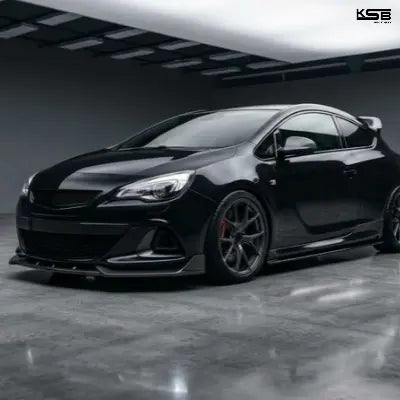
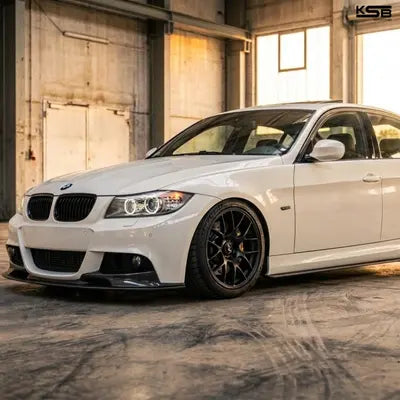
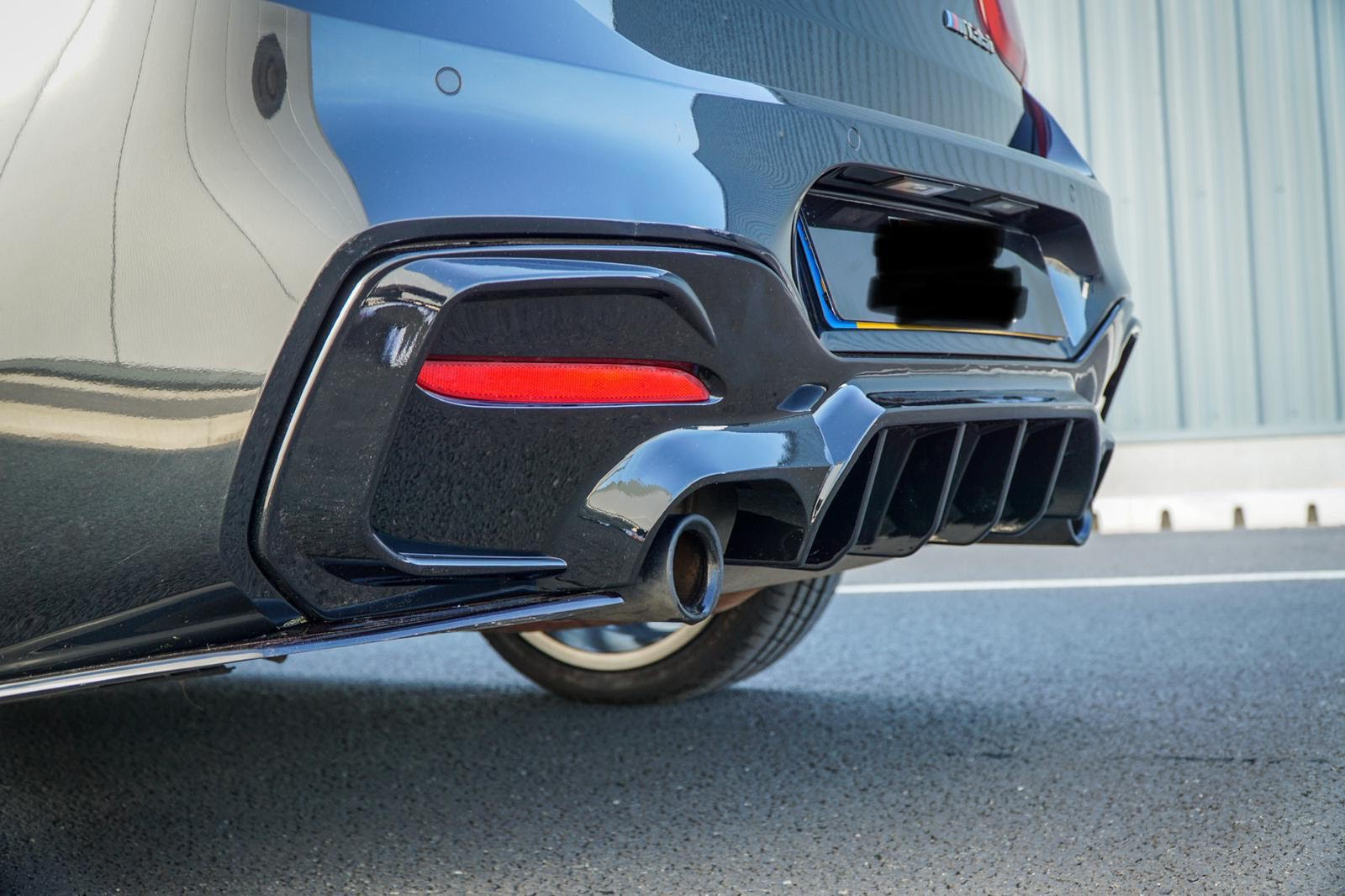
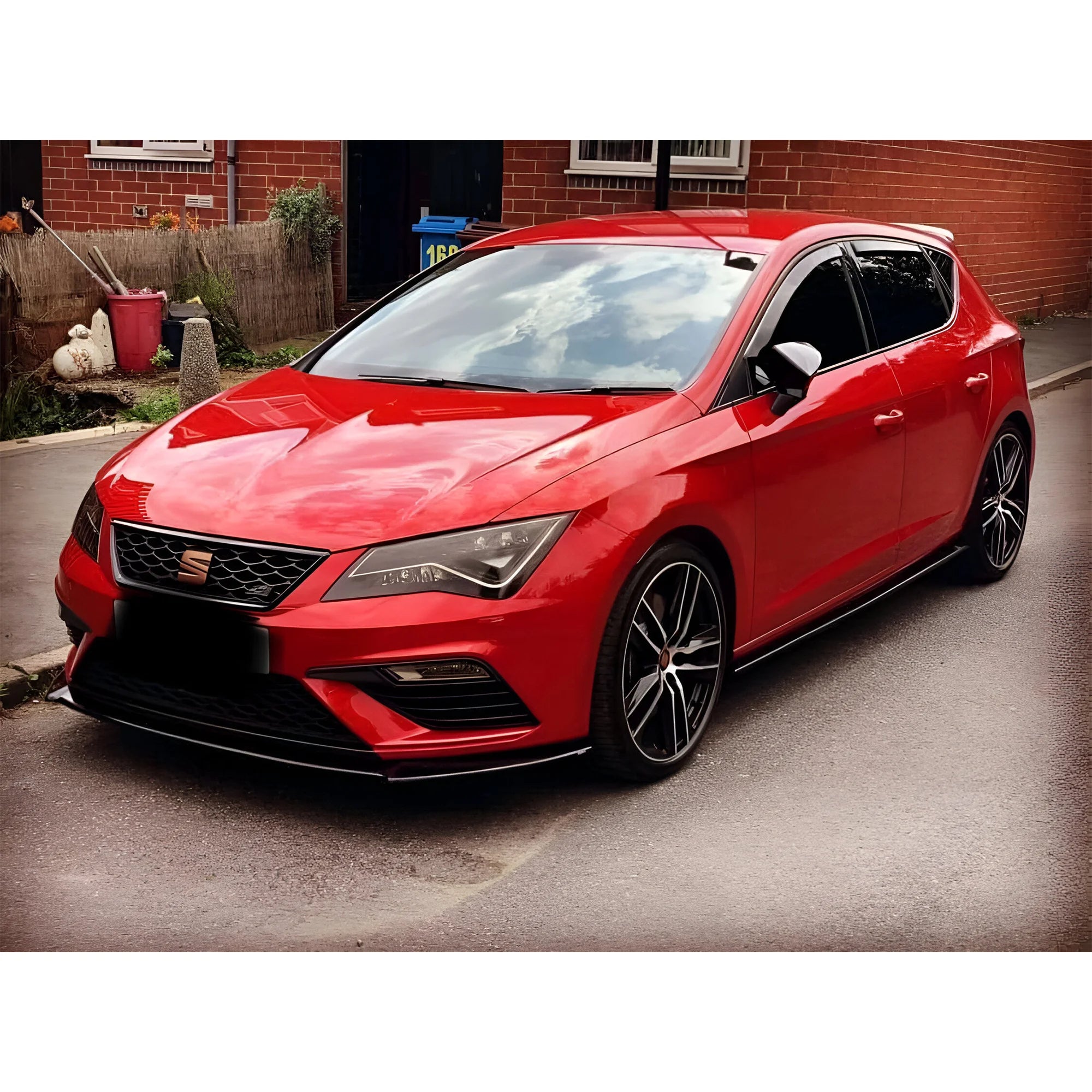
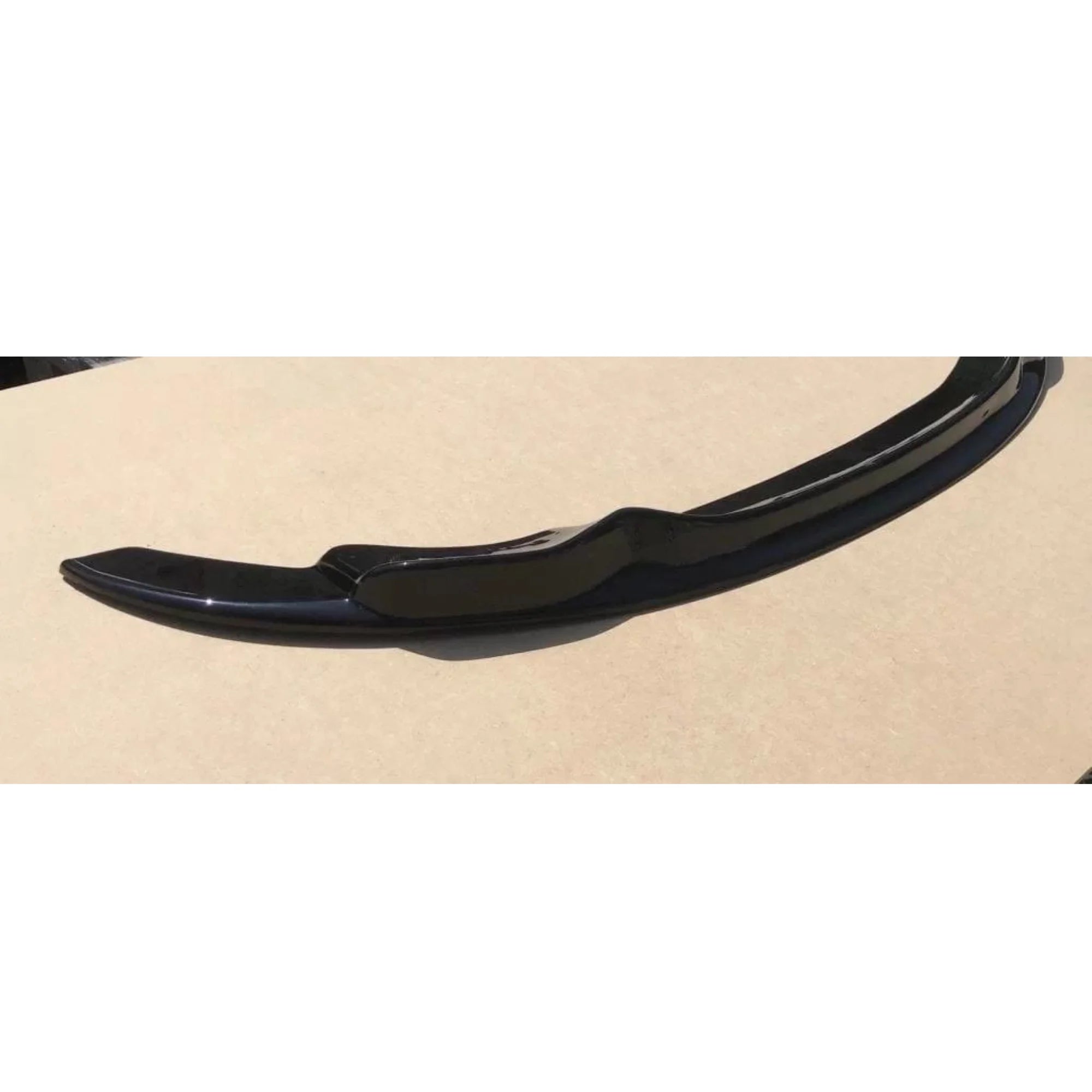
Upgraded rear splitters, diffusers and extensions sharpen the look of the car. These parts are designed with clean lines, durable materials and a fit that complements the tailpipe area. The result is a stronger visual match between a sporty exhaust note and the shape of the car.
Low Line Kits for Fiesta ST Models
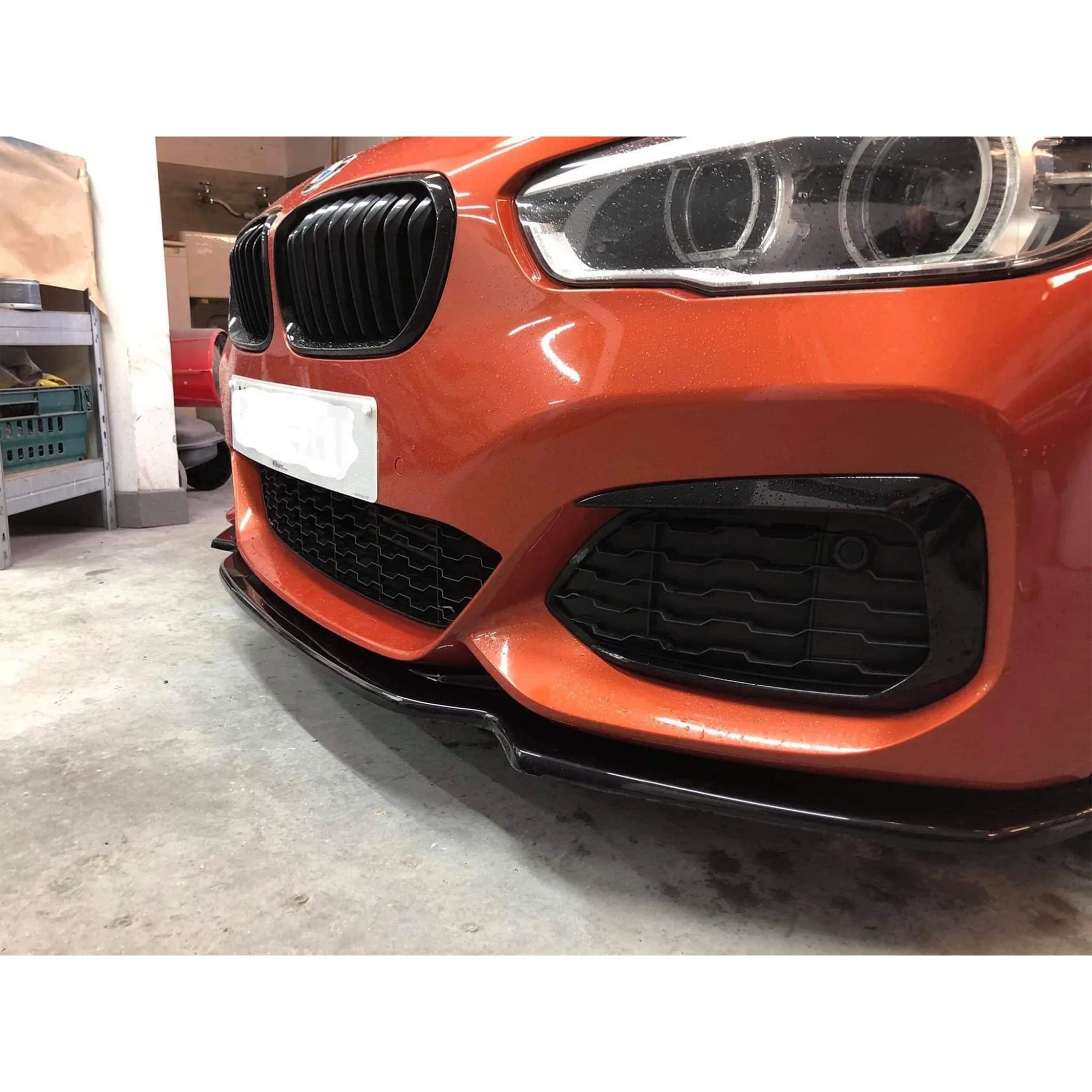
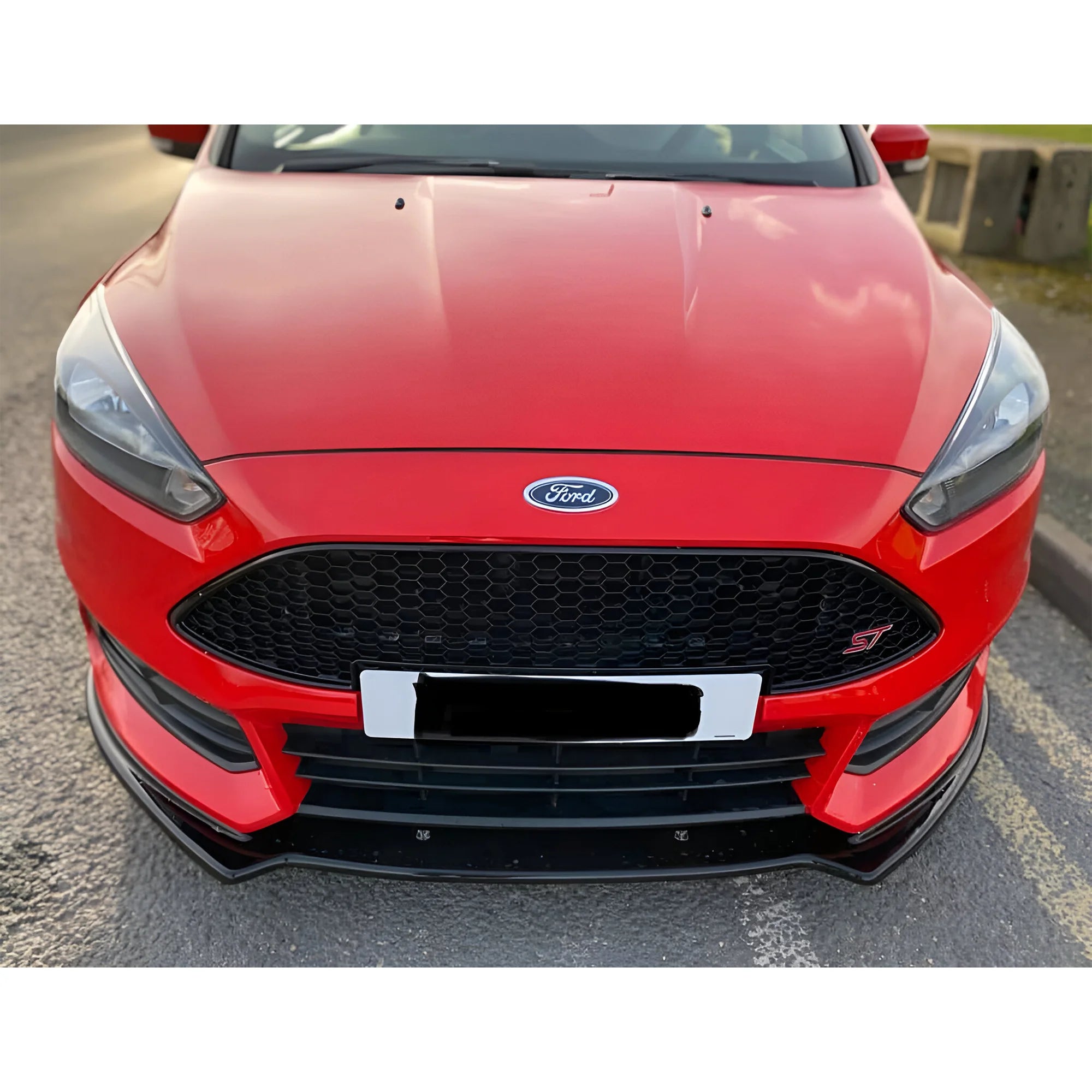
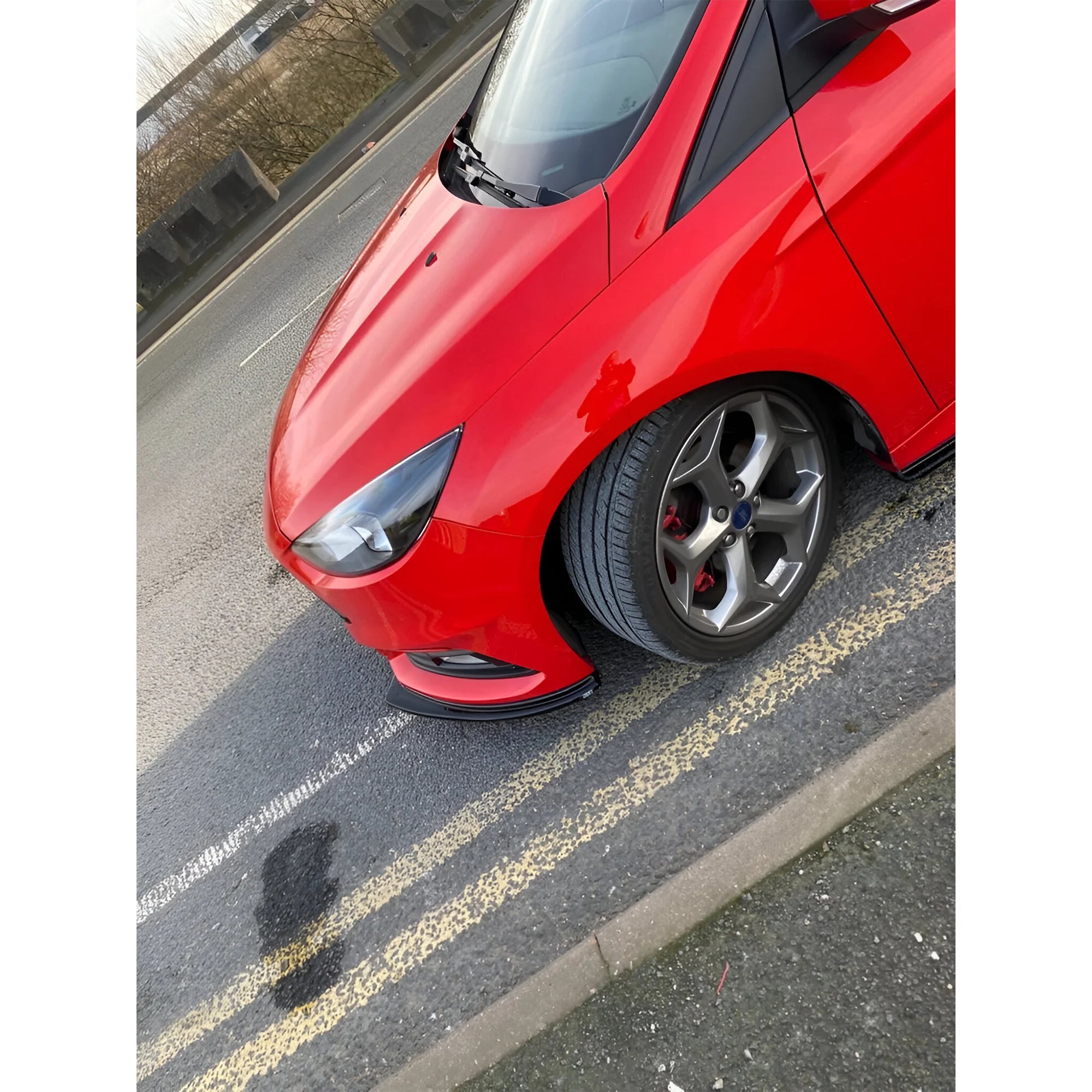
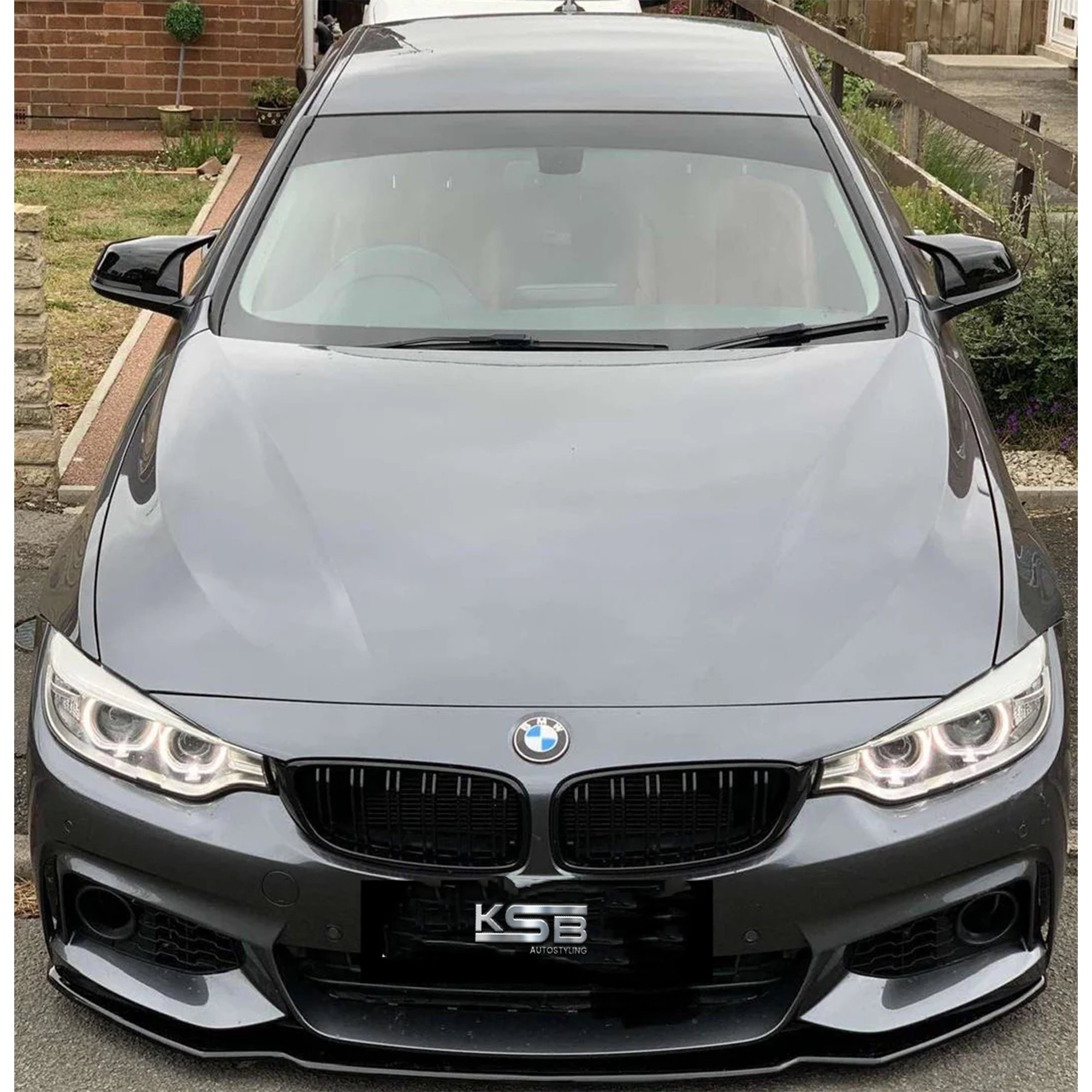
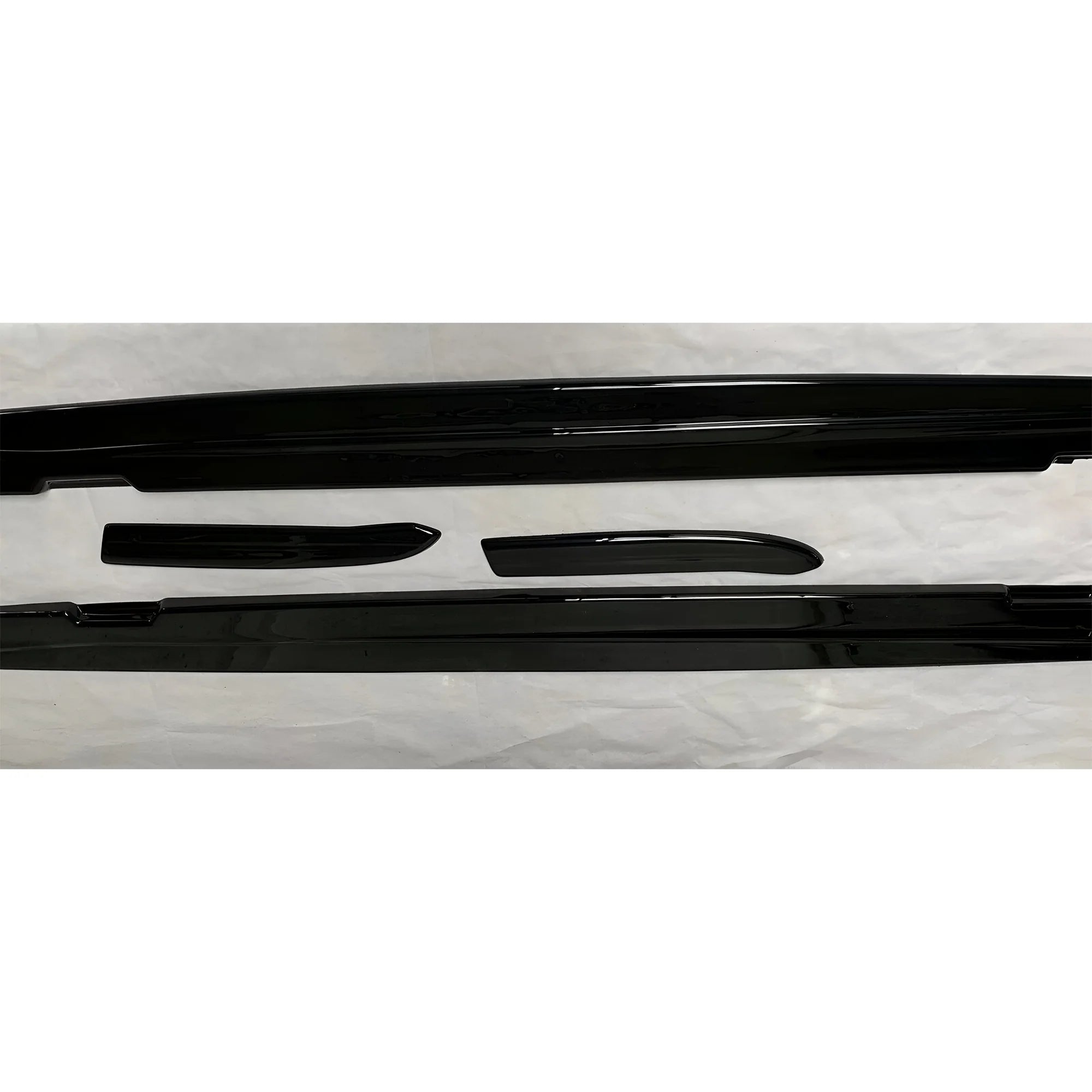
For ST180 and ST200 owners, complete low-line bodykits create a more aggressive stance with front splitters, side skirts and rear diffusers. These help the car look balanced after an exhaust upgrade by giving it the “performance hatchback” profile that matches the deeper sound.
Rear Splitters for Fiesta MK8
Rear splitters for the MK8 ST shape airflow and add a more assertive appearance. They pair well with larger tailpipes and performance cat-backs because they visually anchor the wider or twin-tip exhaust layout.
Grille Sets for Improved Cooling
Mesh grille sets improve airflow into the engine bay, which helps with cooling—especially useful when fitting freer-flowing exhausts and running higher boost levels. Strong airflow and clean exhaust flow support each other in maintaining stable performance.
Planning Your Fiesta Fiesta Exhaust Upgrade
Here is a simple, sensible path if you want to improve your car:
Step 1: Decide Your Goal
- A deeper but still comfortable sound
- A sporty, noticeable tone for daily driving
- A loud, track-focused setup
Step 2: Choose a Cat-Back Type
- Resonated for smoothness and comfort
- Non-resonated for a more aggressive, raw tone
Step 3: Keep Emissions Equipment Road-Legal
Always keep at least one working catalytic converter and, on diesel models, a functioning DPF.
Step 4: Upgrade the Car’s Look to Match the Sound
Rear splitters, diffusers, low-line kits and sportier styling parts help your Fiesta visually match its new voice.
Step 5: Think Long-Term
High-quality exhausts and styling parts last longer, resist corrosion and help the car stay solid and clean for years.
Final Thoughts
A Ford Fiesta exhaust system is more than a noise-maker. It’s a safety component, an emissions system, a sound-control device and a performance pathway all at once.
When you choose the right upgrades and match them with thoughtful styling, your Fiesta becomes more than a simple hatchback. It becomes a car that feels sharper, sounds richer and looks like it was built with purpose.
FAQs
Q1: How do I know if my Fiesta needs a new exhaust?
If you hear new loud noises, rattling, hissing or smell fumes inside the car, the exhaust should be inspected.
Q2: Does a performance exhaust improve power on a Fiesta ST?
A good system can improve throttle response and flow, especially when combined with tuning and supporting mods.
Q3: Is it legal to remove the catalytic converter or DPF?
Not for road use. It will lead to MOT failure and possible penalties.
Q4: What pipe size is best for a tuned Fiesta ST?
Most well-balanced systems use around 2.5" to 2.75". Some high-power builds use 3", depending on tuning.
Q5: Why pair styling parts with an exhaust?
A deeper, sportier exhaust note looks more natural when the car has a sharper, performance-focused rear and aero setup. The sound and the styling work together.