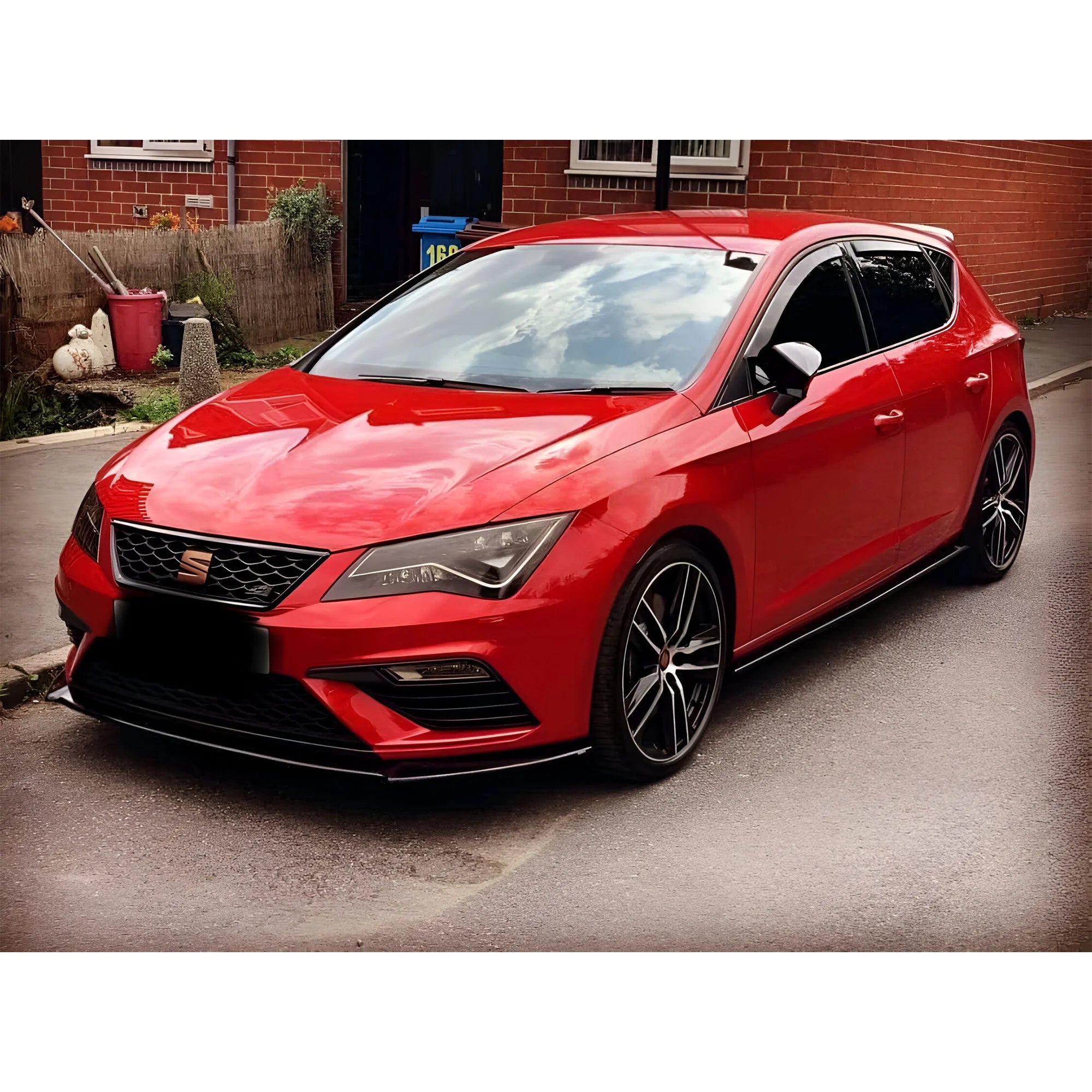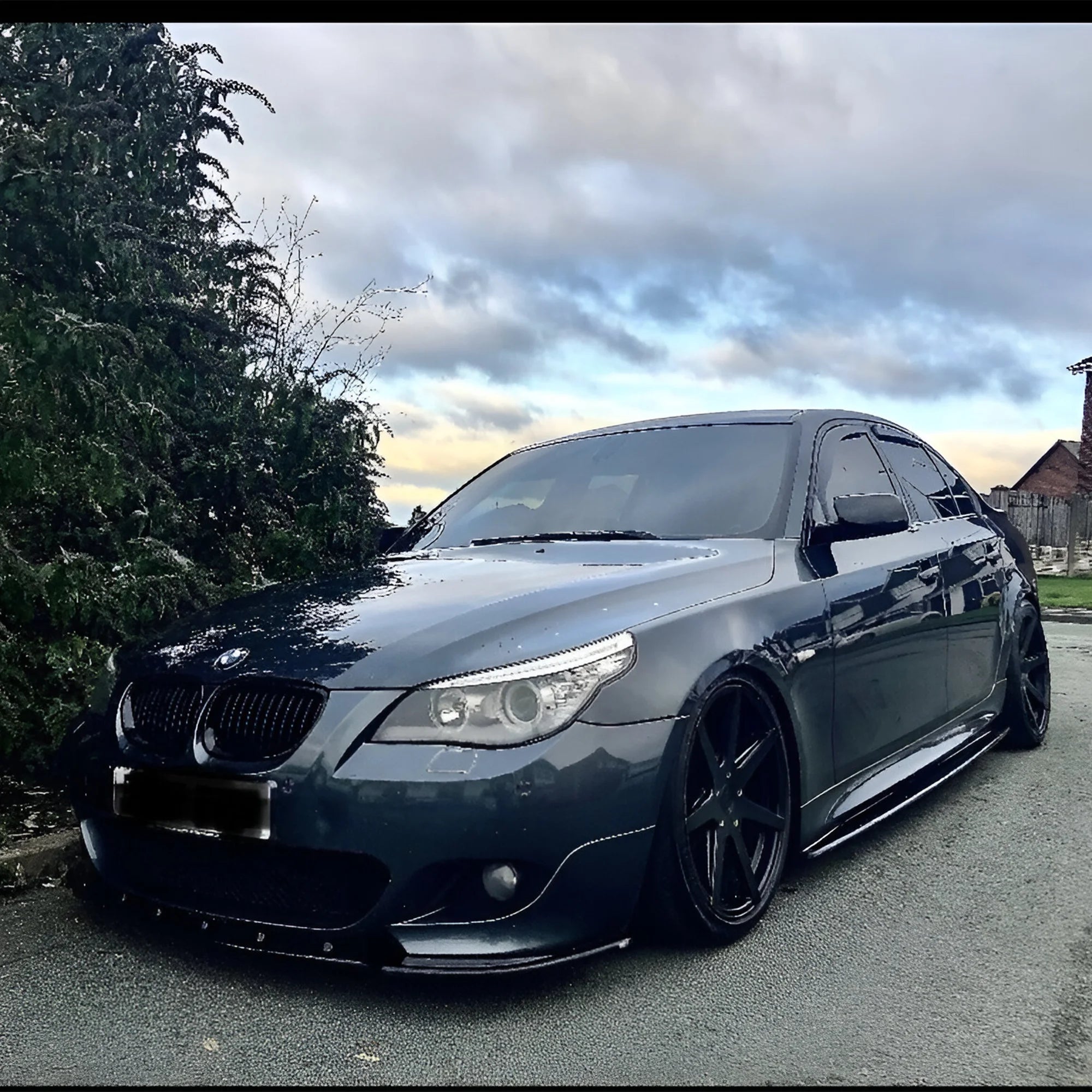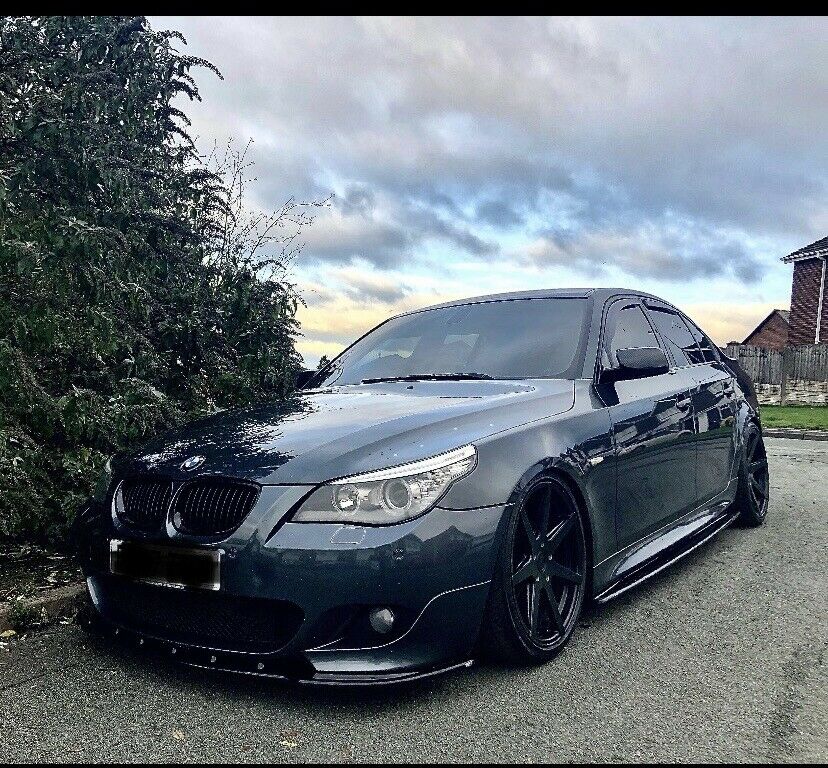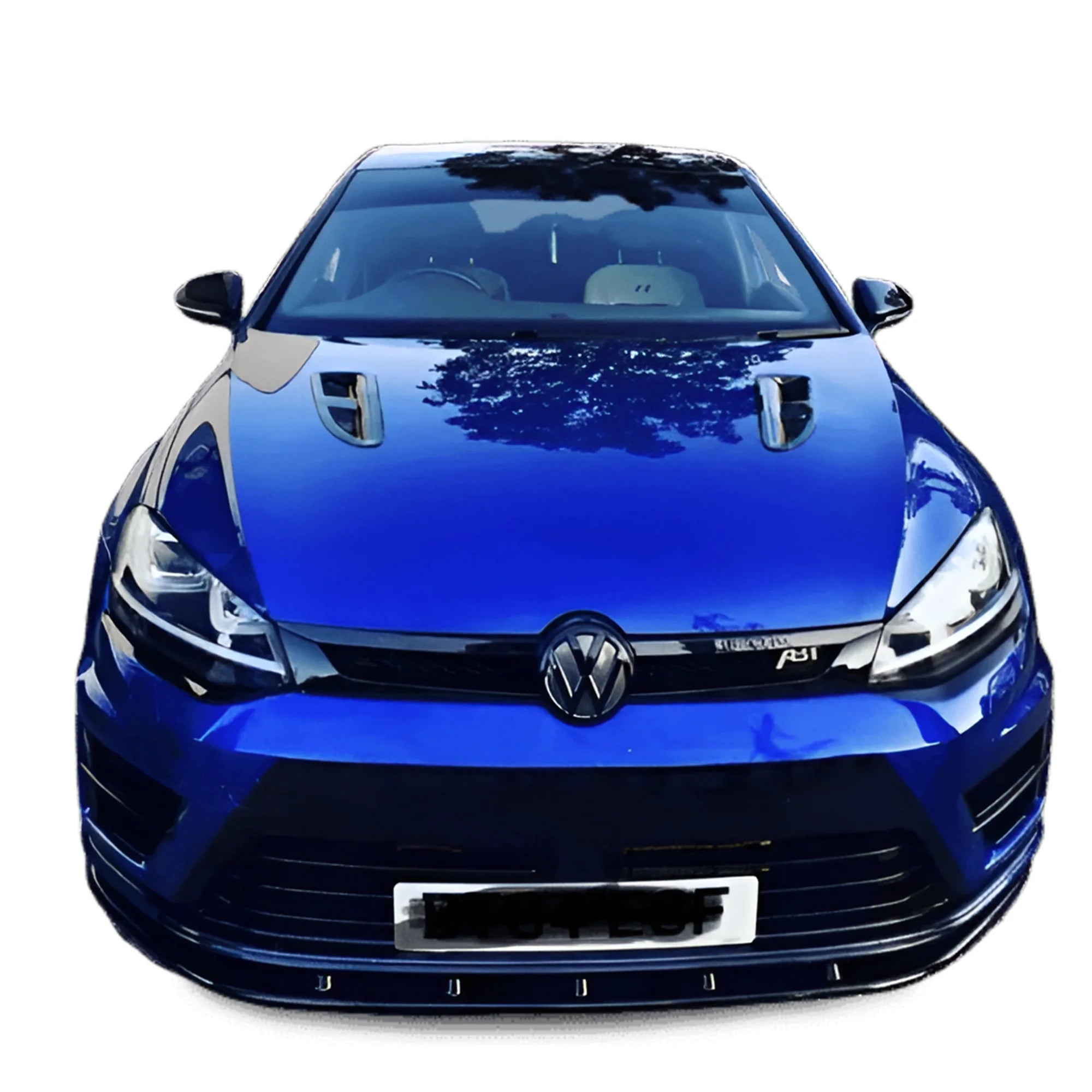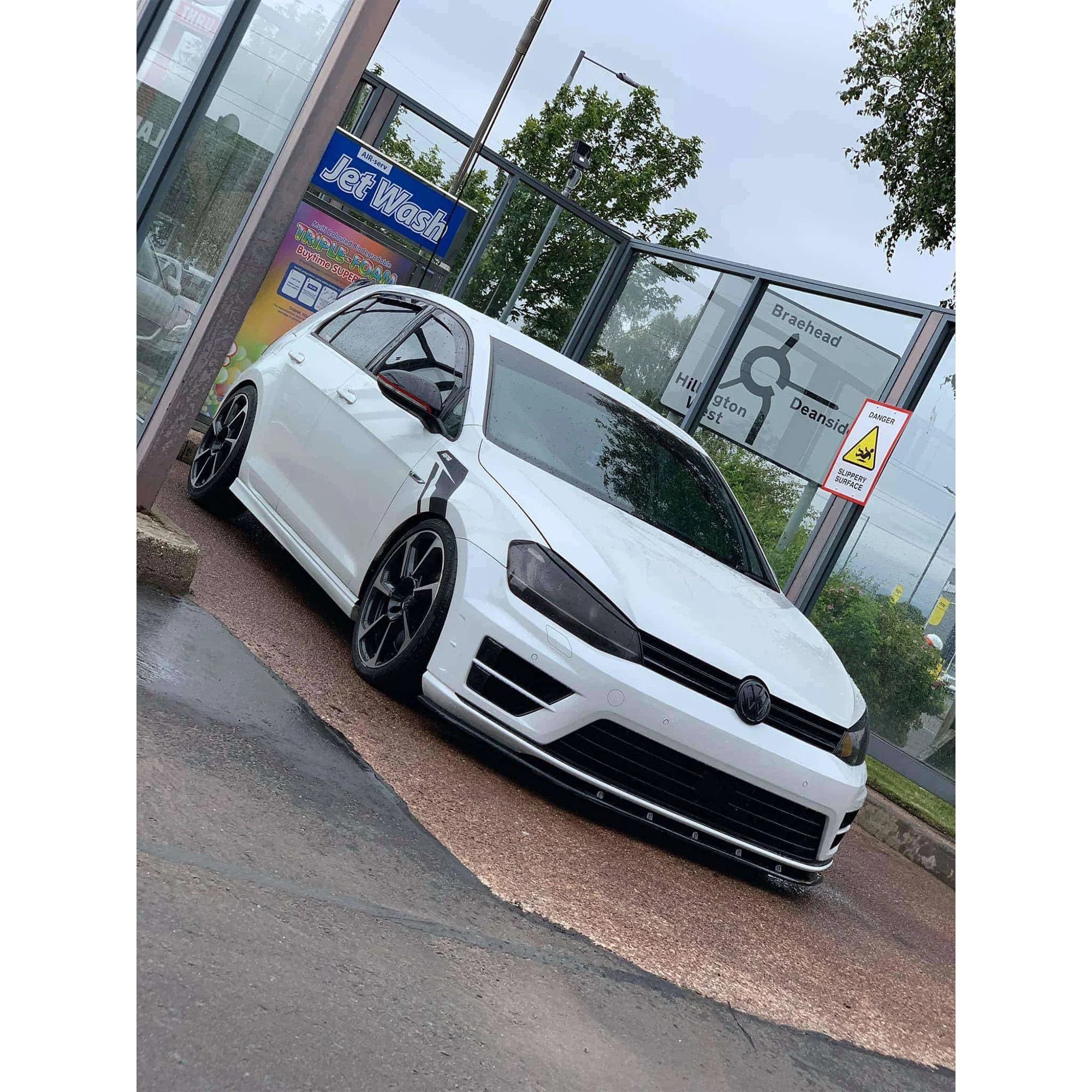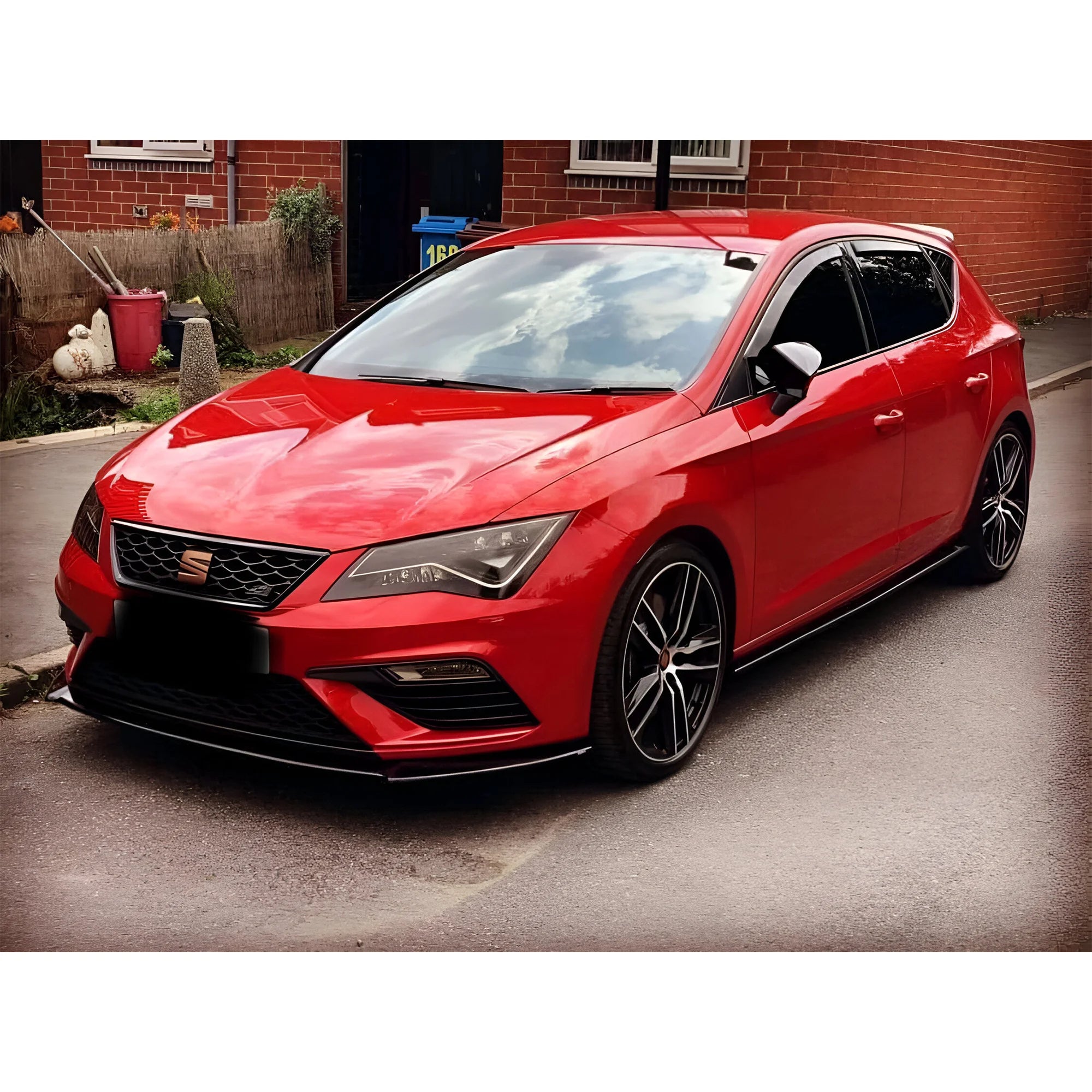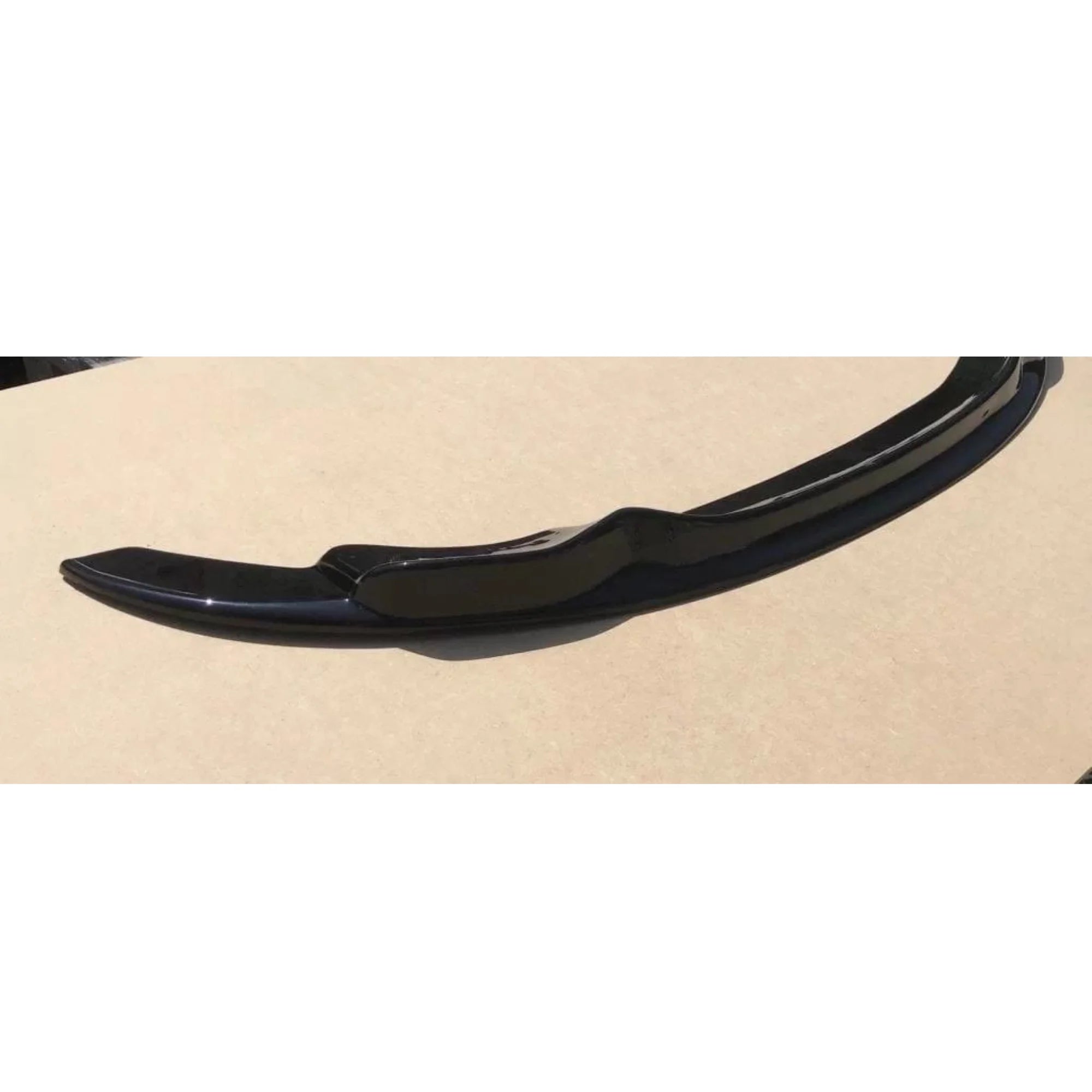

Best SEAT Leon Body Kits: The Ultimate UK Exterior Styling Guide
The SEAT Leon has become one of the most modified hatchbacks in the United Kingdom. Its sharp factory lines, MQB platform engineering, and strong performance trims make it a natural base for exterior upgrades.
Among enthusiasts, the demand for Best SEAT Leon Body Kits continues to grow. Drivers are no longer chasing extreme, overbuilt styling. The focus has shifted toward clean, factory-like enhancements that improve stance without breaking the original design language.
This approach is widely known as OEM+ styling. It keeps the car visually close to stock while adding sharper edges, lower visual height, and more aggressive road presence.
KSB Autostyling positions itself within this movement by focusing on precision-fit ABS components designed for UK road conditions. That matters more than ever in a market where poor fitment and low-grade materials often lead to cracked splitters, misaligned side skirts, and MOT issues.
The UK Demand Behind SEAT Leon Styling Upgrades
The UK car culture has a unique identity compared to other European markets. Drivers deal with tighter roads, frequent speed bumps, uneven surfaces, and harsh seasonal weather.
These conditions directly influence how owners approach SEAT Leon styling upgrades.
Instead of extreme aerodynamic builds, most UK owners look for:
-
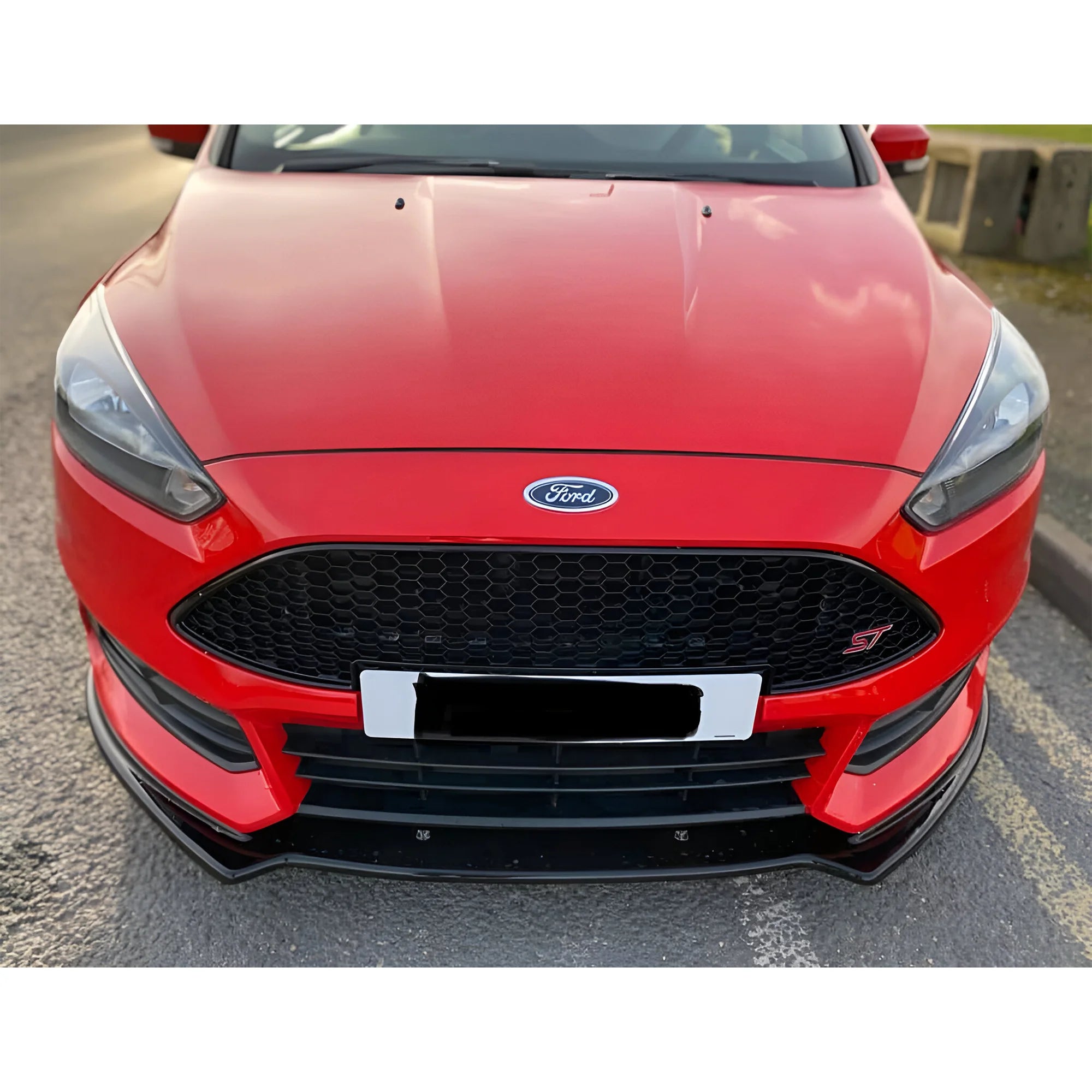
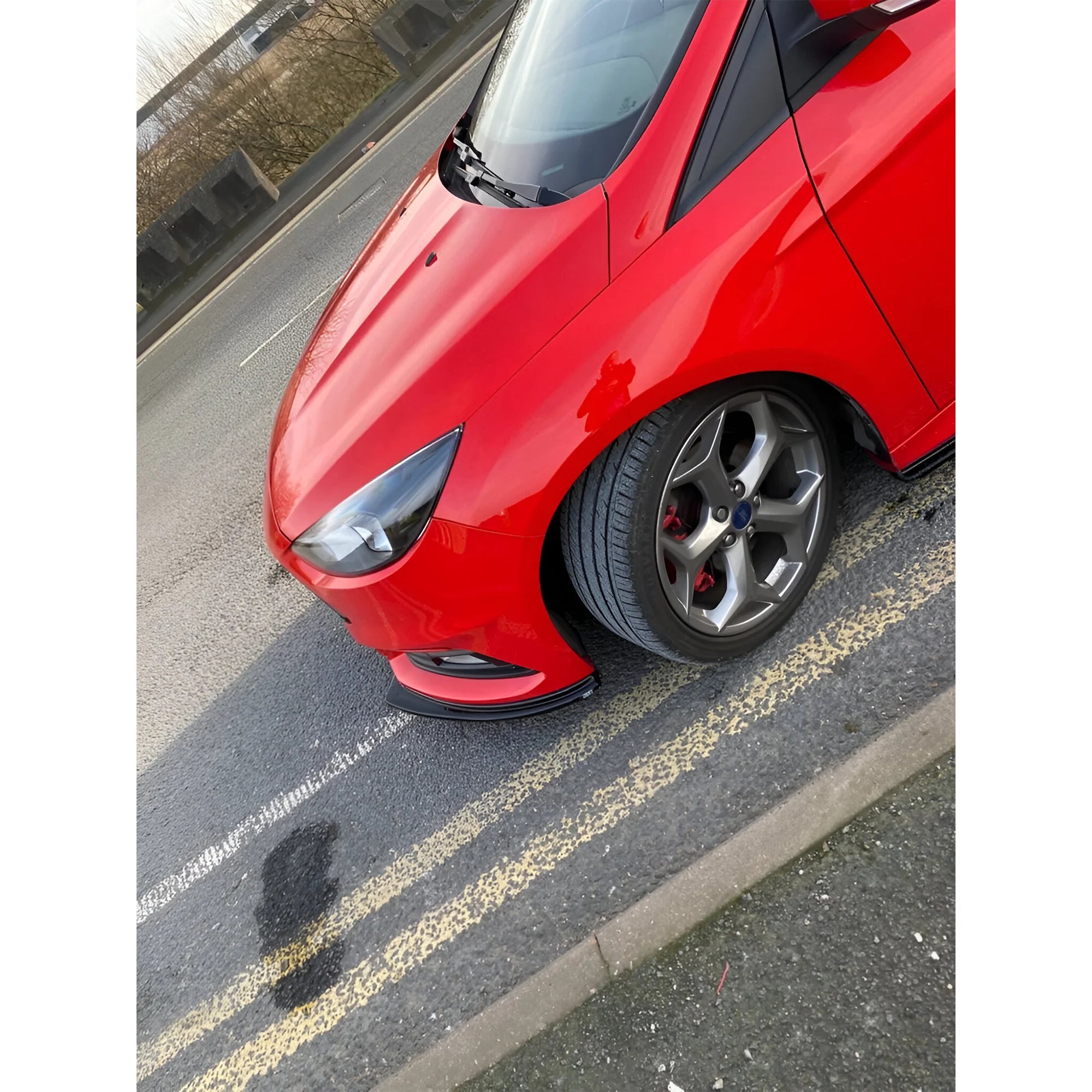
Subtle front splitter upgrades
-
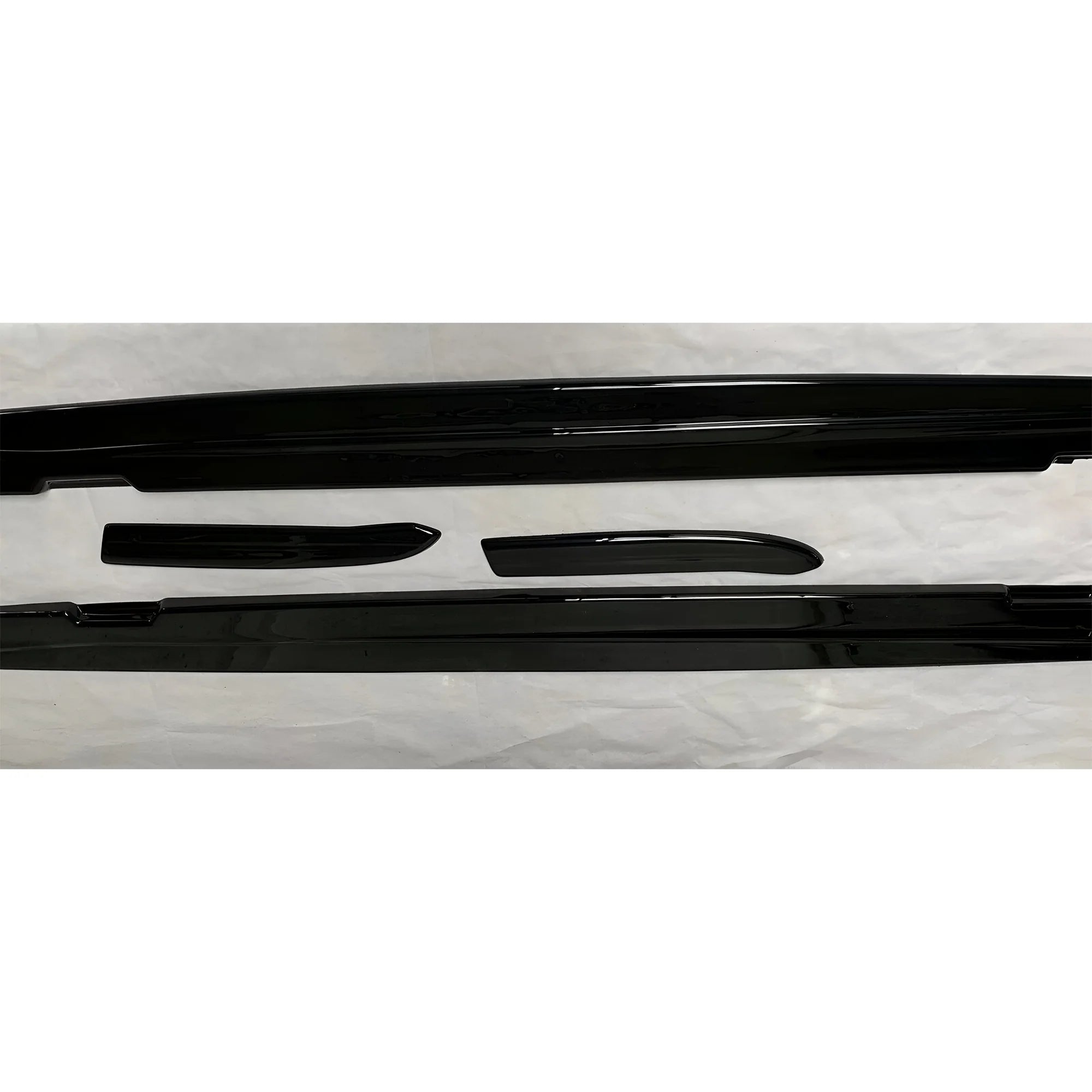
Clean side skirt extensions
-
Rear diffuser enhancements
-
Durable materials that survive daily driving
This creates a clear shift in search intent. Users searching for SEAT Leon body kit UK are not just browsing visuals. They are actively comparing durability, fitment accuracy, and long-term usability.
That intent is critical for SEO targeting because it signals commercial readiness.
Why the SEAT Leon is a Key Platform for Styling Mods
The SEAT Leon sits on the Volkswagen Group MQB platform, shared with performance-focused models like the Golf and Audi A3. This shared architecture gives it a strong balance of handling and aftermarket support.
However, the Leon maintains its own distinct design identity. Its sharper body lines and angular front fascia require styling parts that are model-specific, not universal.
This is where many buyers make mistakes. Generic kits often fail to align with bumper geometry, especially across different trims such as FR and Cupra models.
A properly designed SEAT Leon body kit UK solution must account for:
-
Trim-level bumper differences
-
Generation-specific mounting points
-
Exhaust and diffuser layout variations
-
OEM panel curvature and sensor clearance
Without this precision, even high-quality materials can perform poorly in real-world installations.
Shift Toward OEM+ Styling in the UK Market
Modern UK enthusiasts are moving away from overly aggressive body kits. The preference now is subtle enhancement rather than transformation.
This shift is driven by three main factors:
1. Insurance and compliance awareness
Modified vehicles must remain road-legal and insurable. Clean OEM+ styling reduces complications during inspections and claims.
2. Daily driving practicality
Speed bumps and narrow UK roads require parts that sit low visually but remain durable physically.
3. Resale value considerations
Clean, reversible modifications maintain stronger resale value compared to extreme aftermarket conversions.
As a result, demand for Best SEAT Leon Body Kits is strongly tied to durability and fitment accuracy rather than extreme design.
Why Material Choice Defines Real-World Performance
While styling is the first attraction, material selection determines long-term satisfaction.
Most UK buyers now prefer ABS-based body kits due to their balance of flexibility and strength. Unlike brittle fibreglass alternatives, ABS can absorb minor impacts from:
-
Speed bumps
-
Kerb scrapes
-
Driveway inclines
-
Road debris
This makes it especially suitable for daily-driven vehicles like the SEAT Leon.
Material performance becomes even more important when combined with aerodynamic components such as front splitters and rear diffusers, which sit closer to the road surface and experience constant vibration stress.
Material Science: ABS Plastic vs Fibreglass and Carbon Fibre
Choosing the right material is the difference between a body kit that lasts years and one that cracks within weeks. For buyers searching for Best SEAT Leon Body Kits, material performance is one of the most important ranking factors behind fitment and design.
Modern SEAT Leon styling parts are mainly built from three materials:
-
ABS plastic
-
Fibreglass (GRP)
-
Carbon fibre reinforced polymer
Each behaves very differently under UK road conditions.
ABS Plastic: The Daily-Use Standard
ABS plastic is the most widely used material for modern OEM-style body kits.
It is a thermoplastic, which means it can flex slightly under pressure instead of cracking. This property is critical for UK roads, where repeated stress from speed bumps and potholes is unavoidable.
Why ABS works well in the UK:
-
It absorbs light impacts without cracking
-
It flexes under pressure and returns to shape
-
It handles vibration from motorway driving
-
It maintains consistent fitment over time
ABS is especially effective for front splitters and side skirts because these parts sit closest to the road and take the most impact.
For drivers searching for a SEAT Leon body kit UK, ABS consistently delivers the best balance of durability and visual quality.
Fibreglass (GRP): Light but Fragile
. Fibreglass is often used in cheaper or track-focused styling kits.
It is made from resin reinforced with glass fibres. While it can be shaped into complex designs, its structural behaviour is less forgiving.
Key limitations:
-
Brittle under impact
-
Prone to cracking on speed bumps
-
Repairs require sanding and resin work
-
Poor tolerance for flex and vibration
Fibreglass performs better in controlled environments, such as show cars or track-only builds. However, for daily driving in the UK, it struggles under real road stress.
This is why many low-cost imports fail after minor contact with curbs or steep driveways.
Carbon Fibre: Lightweight but Not Practical for Impact Zones
Carbon fibre is known for its strength-to-weight ratio and premium appearance.
It is extremely rigid and lightweight, which makes it ideal for high-performance or motorsport applications.
However, rigidity is also its weakness in street use.
Limitations for daily driving:
-
No flex under impact
-
Cracks instead of bending
-
Expensive to repair or replace
-
Sensitive to curb contact and speed bumps
Carbon fibre works best on vehicles that prioritise weight reduction and controlled environments. For UK road conditions, it is often impractical for low-mounted parts like splitters.
Direct Comparison: What Buyers Actually Experience
|
Material |
Durability |
Flexibility |
UK Road Suitability |
Repairability |
|
ABS Plastic |
High |
Medium-High |
Excellent |
Easy |
|
Fibreglass (GRP) |
Low-Medium |
Low |
Poor |
Moderate |
|
Carbon Fibre |
High (static) |
Very Low |
Limited |
Expensive |
This comparison explains why ABS dominates the SEAT Leon styling upgrades UK market.
It delivers the most consistent real-world performance without compromising aesthetics.
Why Material Choice Impacts Fitment Quality
Material behaviour directly affects how a body kit fits over time.
Fibreglass parts often develop stress points around mounting areas. Carbon fibre parts resist movement completely, which increases the risk of cracking under uneven road pressure.
ABS plastic sits in the middle. It provides controlled flex, which helps the part stay aligned with factory mounting points even after repeated road stress.
This is especially important for SEAT Leon models, where bumper curvature varies across MK2, MK3, and MK4 generations.
A poorly chosen material can lead to:
-
Gaps between panels
-
Misaligned splitters
-
Stress cracks near screws
-
Early product failure
This is why professional-grade SEAT Leon body kits in the UK market prioritise ABS construction.
Why This Matters for KSB Autostyling Buyers
For UK drivers, the goal is not just appearance. It is long-term usability.
ABS-based kits allow owners to achieve:
-
OEM+ styling without compromise
-
Stable fitment across seasons
-
Resistance to road damage
-
Lower maintenance costs
This positions ABS as the most balanced solution for everyday modified vehicles like the SEAT Leon.
The Generational Styling Guide: MK2 SEAT Leon Body Kits
The SEAT Leon MK2 marked a defining era in hot-hatch design. Its rounded yet muscular shape made it a strong base for early OEM+ styling culture in the UK.
For buyers searching for Best SEAT Leon Body Kits, the MK2 remains important because it introduced many enthusiasts to exterior upgrades like splitters, skirts, and subtle diffuser styling.
Unlike modern MQB-platform cars, the MK2 has a more compact and curved design language. This means body kits must follow softer geometry while still adding aggression.
MK2 Design Identity: BTCC Influence and K1 Heritage
The MK2 Leon gained strong recognition through its motorsport connection, especially in British Touring Car Championship styling inspiration.
The FR and Cupra variants introduced a sportier factory look, but many enthusiasts still seek additional upgrades to modernise their stance.
Key design traits include:
-
Rounded front bumper profile
-
Narrow grille openings compared to newer models
-
High ride stance from factory
-
Soft rear bumper curvature
This makes subtle front splitters and side skirts essential for achieving a balanced OEM+ look.
Fitment Reality: Why MK2 Requires Precision
MK2 styling parts are not interchangeable across trims or years. This is one of the most common buyer mistakes in the SEAT Leon body kit UK market.
Important fitment differences include:
-
Pre-facelift (2005–2009) vs facelift (2009–2012)
-
FR vs Cupra bumper geometry
-
Standard bumper vs K1 aerodynamic bumper
-
Exhaust outlet positioning differences
Even small changes in bumper shape can affect splitter alignment. A poorly matched kit can leave visible gaps or uneven edges.
This is why precision-moulded ABS parts are preferred over universal fibreglass alternatives.
MK2 FR Styling Direction: Clean OEM+ Approach
The FR model is the most common MK2 variant used for styling upgrades. It offers a balanced look between performance and practicality.
Owners typically focus on:
-
Front splitter additions
-
Rear diffuser inserts
-
Subtle side skirt extensions
The goal is not aggressive transformation but improved road presence.
A properly fitted splitter visually lowers the car, giving it a wider stance without altering the suspension.
This approach aligns with modern UK styling trends, where restraint is more valued than extreme modification.
Pre-Facelift vs Facelift Differences
Understanding bumper variation is critical for correct installation.
Pre-facelift MK2 (2005–2009)
-
Softer front bumper curve
-
Smaller lower grille opening
-
More rounded fog light housings
Facelift MK2 (2009–2012)
-
Sharper front detailing
-
Slightly revised bumper structure
-
Updated grille integration
Even though differences appear subtle, they directly impact splitter fitment.
A pre-facelift splitter will not properly align with facelift mounting points, making vehicle-specific design essential.
MK2 Styling Goal: Modern Look Without Losing Character
The MK2 SEAT Leon benefits most from light aerodynamic enhancement rather than aggressive body kits.
The ideal styling direction includes:
-
Low-profile front splitter
-
Clean side skirt line extension
-
OEM-style rear diffuser trim
This maintains factory character while updating visual stance for modern roads.
The goal is to make the car look intentionally designed, not modified.
Why MK2 Still Matters in the UK Market
Despite being an older platform, the MK2 remains popular among UK enthusiasts due to:
-
Affordable entry into tuning culture
-
Strong parts availability
-
Simple mechanical layout
-
Classic hot-hatch design appeal
For many drivers, it represents their first step into exterior customisation.
This is why demand for SEAT Leon MK2 styling upgrades continues to appear in search data.
The MQB Sweet Spot for Body Kit Upgrades
The SEAT Leon MK3 is the most important platform in the entire Best SEAT Leon Body Kits ecosystem.
This generation sits on the MQB architecture shared with performance icons across the Volkswagen Group. That foundation gives it strong handling potential, but more importantly for styling, it introduced sharp geometric bodywork that responds extremely well to exterior upgrades.
For UK buyers searching for a SEAT Leon body kit UK, the MK3 dominates search volume because it offers the widest trim variety, strongest aftermarket support, and the clearest visual transformation potential.
MK3 Design Language: Sharp, Angular, Purpose-Built
The MK3 Leon moved away from the rounded MK2 design. Instead, it introduced:
-
Sharp crease lines along doors and bumpers
-
Aggressive front grille geometry
-
Lower factory stance compared to MK2
-
Wider visual footprint
This made it the perfect base for OEM+ styling upgrades such as splitters and side skirts.
A subtle modification on the MK3 creates a strong visual change because the factory design already looks performance-oriented.
FR vs Cupra: The Most Important Fitment Difference
One of the biggest SEO and buyer-intent issues in the SEAT Leon MK3 Cupra body kit market is confusion between FR and Cupra bumpers.
These two trims are NOT interchangeable.
FR Model Characteristics
-
Cleaner, simpler bumper design
-
Smaller lower air intakes
-
Dual-exit exhaust layout
-
More conservative OEM look
Cupra Model Characteristics
-
Larger, wider front air intakes
-
More aggressive bumper geometry
-
Sport-focused design language
-
Performance-first visual stance
Because of these differences, a splitter designed for FR will not correctly fit a Cupra bumper.
This is one of the main reasons buyers experience poor fitment with generic imports.
MK3 Styling Goal: OEM+ Aggression Without Overbuild
The MK3 is where OEM+ styling becomes most effective.
Instead of transforming the car completely, the goal is refinement:
-
Add depth to the front bumper using a splitter
-
Extend side skirts to lower visual height
-
Enhance rear diffuser shape for balance
These upgrades work because the MK3 already has strong factory proportions.
A well-designed kit does not overpower the car. It enhances what is already there.
MK3 Cupra Styling: Performance Visual Identity
The Cupra variants of the MK3 are highly popular in the UK tuning scene. They represent the performance flagship of the Leon lineup.
Owners typically focus on:
-
Aggressive front splitter extensions
-
Side skirt blade styling
-
Rear diffuser upgrades with fin detailing
This creates a more track-inspired appearance while maintaining daily usability.
The Cupra’s wider stance and larger intake geometry make it ideal for more aggressive styling compared to FR models.
MK3.5 (Facelift 2016–2020): Refined Aggression
The facelifted SEAT Leon MK3.5 refined the design further.
Key updates included:
-
Wider central grille
-
Reworked bumper contours
-
Updated lighting signature
-
More defined rear styling
This generation is often overlooked, but it is one of the best platforms for subtle aerodynamic upgrades.
The MK3.5 responds especially well to clean splitters and minimal side skirts rather than aggressive add-ons.
MK3 Estate vs Hatchback Fitment Considerations
Another major factor in the MK3 ecosystem is body style variation.
The Sportstourer (estate) model differs significantly from the hatchback:
-
Longer rear overhang
-
Different rear bumper geometry
-
Extended side profile
This means rear diffusers and side skirts are not always interchangeable between body types.
Fitment precision is critical to avoid misalignment and uneven panel gaps.
Why MK3 Dominates the UK Styling Market
The MK3 generation remains the most searched platform for SEAT Leon styling upgrades in the UK due to:
-
A large number of vehicles on UK roads
-
Strong performance reputation (FR and Cupra models)
-
Affordable entry into MQB tuning
-
Huge aftermarket ecosystem
It represents the “sweet spot” between modern design and accessible modification.
Conversion Insight: Why MK3 Is the Best-Selling Segment
From a commercial perspective, MK3 owners are the most conversion-ready audience.
They actively search for:
-
“SEAT Leon MK3 Cupra splitter UK”
-
“MK3 side skirts OEM style”
-
“Best SEAT Leon body kits UK”
This makes it the most important generation for KSB Autostyling product positioning.
Modern OEM+ Styling for the New Generation
The SEAT Leon MK4 represents a full design evolution for the Leon lineup. It is sharper, more sculpted, and more aerodynamically refined than any previous generation.
For users searching for Best SEAT Leon Body Kits, the MK4 is where modern OEM+ styling becomes more precise. The design is already aggressive from the factory, so upgrades must be subtle, clean, and highly accurate in fitment.
MK4 Design Language: Precision Over Aggression
The MK4 introduces a new styling philosophy built around aerodynamic efficiency and visual sharpness.
Key design features include:
-
Deeply sculpted front bumper geometry
-
Narrow, aggressive LED lighting signature
-
Strong character lines along the side profile
-
Clean rear diffuser integration
Unlike older generations, the MK4 does not need heavy visual modification. Instead, it benefits from controlled enhancement.
This is where well-designed SEAT Leon MK4 body kits UK play a critical role.
OEM+ Direction: Less Is More
MK4 owners typically prefer subtle upgrades that preserve factory design intent.
The most effective styling upgrades include:
-
Low-profile front splitters
-
Minimal side skirt extensions
-
Rear diffuser trims with clean fin design
These upgrades improve stance without disrupting the factory aerodynamic flow.
The MK4 already sits visually lower than the MK2 and MK3 models, so styling parts must avoid excessive drop effects that can look unnatural.
Hybrid Models and Clearance Awareness
The MK4 platform includes mild hybrid variants, which introduce additional underbody considerations.
These include:
-
Slight changes in underbody packaging
-
Different cooling airflow paths
-
Sensor-integrated front bumper zones
Because of this, body kit design must maintain clearance for sensors and airflow channels.
Poorly designed universal kits can interfere with radar sensors or active safety systems.
Precision-moulded ABS components help avoid these issues by following OEM geometry closely.
MK4 Cupra Styling: Performance Identity
The Cupra versions of the MK4 push the design further into performance territory.
They feature:
-
Larger air intake structures
-
Copper accent styling elements
-
More aggressive rear diffuser geometry
-
Lower factory stance
This makes them ideal for light aerodynamic upgrades rather than heavy visual modification.
A front splitter enhances the planted look of the Cupra without overpowering its factory aggression.
MK4 Styling Goal: Factory-Plus Enhancement
The MK4 is not about transformation. It is about refinement.
The ideal styling direction includes:
-
Front splitter that extends factory lines
-
Side skirts that visually reduce ride height
-
Rear diffuser enhancements that balance the rear profile
The goal is continuity. Every modification should look like it could have been factory-designed.
This approach is central to modern SEAT Leon styling upgrades in the UK.
Why MK4 Buyers Are Highly Detail-Oriented
MK4 owners tend to be more precise in their buying decisions compared to earlier generations.
Their priorities include:
-
Perfect panel alignment
-
Sensor-safe compatibility
-
OEM-level finish quality
-
Long-term durability
This makes them highly responsive to ABS-based kits that offer exact fitment rather than universal styling parts.
Even small misalignments are noticeable due to the MK4’s sharp body lines.
UK Market Position of MK4 Styling
The MK4 is still a growing segment in the UK aftermarket scene. Unlike MK3, it has not yet reached full saturation in modification culture.
This creates a strong opportunity for:
-
Early adoption of OEM+ styling trends
-
Precision-fit body kits
-
Clean aerodynamic upgrades
Search demand for SEAT Leon MK4 splitter UK and MK4 body kit upgrades continues to rise as more vehicles enter the market.
How Splitters and Diffusers Change Real Driving Behaviour
Exterior styling on the SEAT Leon is not only visual. Properly designed components influence airflow, stability, and high-speed balance.
For buyers searching for Best SEAT Leon Body Kits, understanding aerodynamics builds trust and removes confusion around “performance vs cosmetic” upgrades.
Front Splitter Aerodynamics: Pressure Control at the Front End
A front splitter works by controlling how air enters under the car.
When air hits the front bumper, it naturally wants to flow underneath the vehicle. A splitter interrupts this flow.
This creates:
-
Higher pressure above the splitter
-
Lower pressure underneath
-
Increased front-end stability
The result is a more planted feeling at higher speeds, especially on motorways.
It does not create race-level downforce on street cars. Instead, it reduces front-end lift, which improves confidence during acceleration and cornering.
Rear Diffuser Function: Cleaning Up Airflow
A rear diffuser manages how air exits from under the car.
Without a diffuser, air exits quickly and turbulently, creating drag. A diffuser gradually expands this airflow, allowing pressure to recover smoothly.
This reduces:
-
Turbulent wake behind the vehicle
-
Drag at higher speeds
-
Rear-end instability
It improves straight-line stability more than outright speed.
Why UK Roads Make Aerodynamics More Relevant
UK driving conditions make aerodynamic stability more noticeable than in track environments.
Common factors include:
-
Frequent motorway driving
-
Crosswinds on open roads
-
Uneven surfaces and cambers
-
Rapid speed changes in traffic
Even small aerodynamic improvements from SEAT Leon styling upgrades in the UK can make the car feel more stable at legal road speeds.
Material Stress Under Real Driving Conditions
At motorway speeds, body kit components experience continuous pressure and vibration.
This is where material choice becomes critical.
ABS plastic performs well because it flexes slightly instead of cracking under load.
This controlled flexibility helps:
-
Maintain alignment at speed
-
Absorb vibration from road imperfections
-
Prevent stress fractures at mounting points
Rigid materials may look strong, but they transfer stress directly into cracks over time.
UK MOT Compliance: What Matters Most
In the UK, modifications must meet safety and structural standards during MOT inspections.
For exterior body kits, the key requirements are:
Secure Mounting
All splitters and skirts must be firmly attached using proper hardware. Loose or poorly fixed parts can cause a failure.
No Sharp Edges
Components must not have exposed or dangerous edges that could harm pedestrians.
Structural Safety
Parts must not obstruct wheels, steering, or vehicle operation.
Insurance Rules for Modified SEAT Leon Styling
In the UK, any exterior modification must be declared to insurance providers.
This includes:
-
Front splitters
-
Side skirts
-
Rear diffusers
-
Spoilers
Failure to declare modifications can invalidate insurance coverage.
Most insurers are more comfortable with OEM+ styling because it does not drastically change vehicle structure.
Installation Best Practices for Long-Term Safety
Proper installation is as important as material choice.
Best practices include:
-
Using high-tensile bolts instead of adhesives alone
-
Distributing load with washers
-
Ensuring alignment before tightening
-
Avoiding stress on bumper edges
Poor installation is the main reason body kits fail, not material defects.
Transform Your SEAT Leon with Precision OEM+ Styling
The demand for Best SEAT Leon Body Kits in the UK continues to grow because owners want more than appearance changes. They want durable, road-ready upgrades that improve stance without compromising daily usability.
Across all generations of the SEAT Leon, the pattern is clear. Drivers prefer clean OEM+ styling over extreme body transformations. That shift defines the modern UK aftermarket scene.
KSB Autostyling focuses on this exact direction. Precision-moulded ABS components, accurate fitment, and UK road durability create a styling solution built for real driving conditions, not just showroom display.
From MK2 heritage builds to MK4 modern hybrids, the right body kit enhances presence, sharpens lines, and completes the factory design intent.
Why KSB-Style OEM+ Kits Perform Better Long-Term
The key advantage of modern styling lies in balance.
A well-designed kit should:
-
Follow factory geometry
-
Survive UK road conditions
-
Maintain alignment over time
-
Avoid MOT and clearance issues
This is why ABS plastic remains the most practical material for daily-driven SEAT Leon builds.
It delivers flexibility without losing shape, making it ideal for splitters, side skirts, and diffusers.
Final Buyer Insight: What Actually Matters
Most buyers searching for a SEAT Leon body kit UK compare three things:
-
Fitment accuracy
-
Material durability
-
Visual improvement
The best products are the ones that score consistently across all three.
Cheap fibreglass kits may look aggressive online, but they often fail under UK driving conditions. Premium ABS kits provide a more stable long-term solution.
FAQs
What are the Best SEAT Leon Body Kits in the UK?
The best kits are OEM+ style ABS body kits designed for specific generations like MK3 and MK4. They offer accurate fitment, durability, and clean design without excessive styling.
Are SEAT Leon body kits legal in the UK?
Yes. Body kits are legal if they are securely fitted, have no sharp edges, and do not affect vehicle safety systems. All modifications must also be declared to insurance providers.
What material is best for SEAT Leon splitters?
ABS plastic is the best option for UK roads. It flexes under pressure, resists cracking, and handles speed bumps and potholes better than fibreglass or carbon fibre.
Do body kits affect performance?
Front splitters and rear diffusers can slightly improve stability by managing airflow. However, on road cars, the effect is mainly improved high-speed stability rather than major downforce gains.
What is OEM+ styling for the SEAT Leon?
OEM+ styling means enhancing the car’s factory design without changing its core identity. It focuses on subtle, clean upgrades like splitters, side skirts, and diffusers.
Will a body kit fit all SEAT Leon models?
No. Fitment depends on generation (MK2, MK3, MK4) and trim level (FR, Cupra). Each bumper design requires a specifically designed kit for proper alignment.
Do I need to inform my insurance after installing a body kit?
Yes. All exterior modifications must be declared to your insurer in the UK. This ensures coverage remains valid in case of an accident.
Are cheap fibreglass kits worth it?
Fibreglass kits are more prone to cracking and damage on UK roads. They are better suited for show cars rather than daily-driven vehicles.