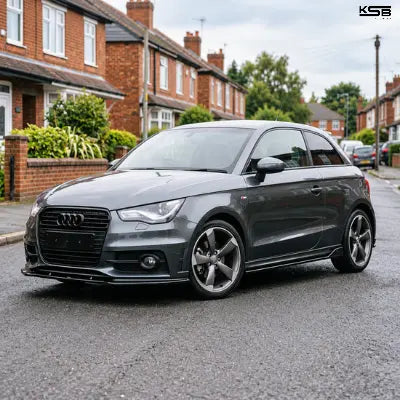

Best Vauxhall Astra and Corsa Exterior Mods: A Complete UK Guide
Whether you drive a daily Astra or a weekend Corsa project, there has never been a better time to transform the way your car looks. With the right exterior modifications, a standard Vauxhall can carry genuine presence on the road without sacrificing everyday usability or falling foul of UK law. This guide covers everything from front splitters and side skirts to grille upgrades and de-badging giving you a clear, informed path from stock to standout.
At KSB Autostyling, high-quality ABS plastic body kits designed specifically for Vauxhall models have been the cornerstone of the business for years. That commitment to durable, precision-fit parts is exactly what UK enthusiasts need when building a car that has to work in British conditions, not just look good on camera.
The goal here is straightforward: explore the exterior modifications that genuinely lift curb appeal while keeping your car MOT-compliant and insured. That balance is achievable and this guide will show you how.
Why Exterior Mods Matter: Aesthetic vs Performance
Before opening your wallet, it helps to define the look you are actually chasing. Within the UK Vauxhall community, three styling options stand out as the most popular:
Street-inspired builds prioritise a lowered stance, wide wheels, and aggressive aero additions. OEM+ (original equipment manufacturer plus) takes a subtler approach keeping the factory aesthetic but sharpening every line with quality upgrades that look almost factory-fitted. Track-inspired builds lean into functional aero, raw finishes, and purposeful additions like diffusers and splitters.
Knowing your target style prevents wasted spend and helps you choose parts that work together visually rather than fighting each other.
Why Material Matters More Than You Think
Not all body kit parts are created equal, and in the UK climate this matters more than in sunnier countries. ABS (Acrylonitrile Butadiene Styrene) plastic has become the preferred material for road-going exterior styling parts due to its durability, flexibility, and reliability. It is impact-resistant, resistant to heat and common automotive chemicals, and can be moulded into complex shapes for accurate fitment making it far better suited to daily use than cheaper alternatives.
Fibre glass, by contrast, is considerably more brittle. As UK enthusiasts who have learned the hard way will tell you, fibreglass splitters and side skirts do not cope well with the inevitable pothole, kerb clip, or car park nudge. ABS deforms on impact and can often be reshaped with gentle heat; fibreglass splinters and has to be replaced. For a car that sees real roads, ABS is the smarter long-term investment.
Top Exterior Modifications for Vauxhall Astra and Corsa
Front Splitters: The Single Most Impactful Upgrade
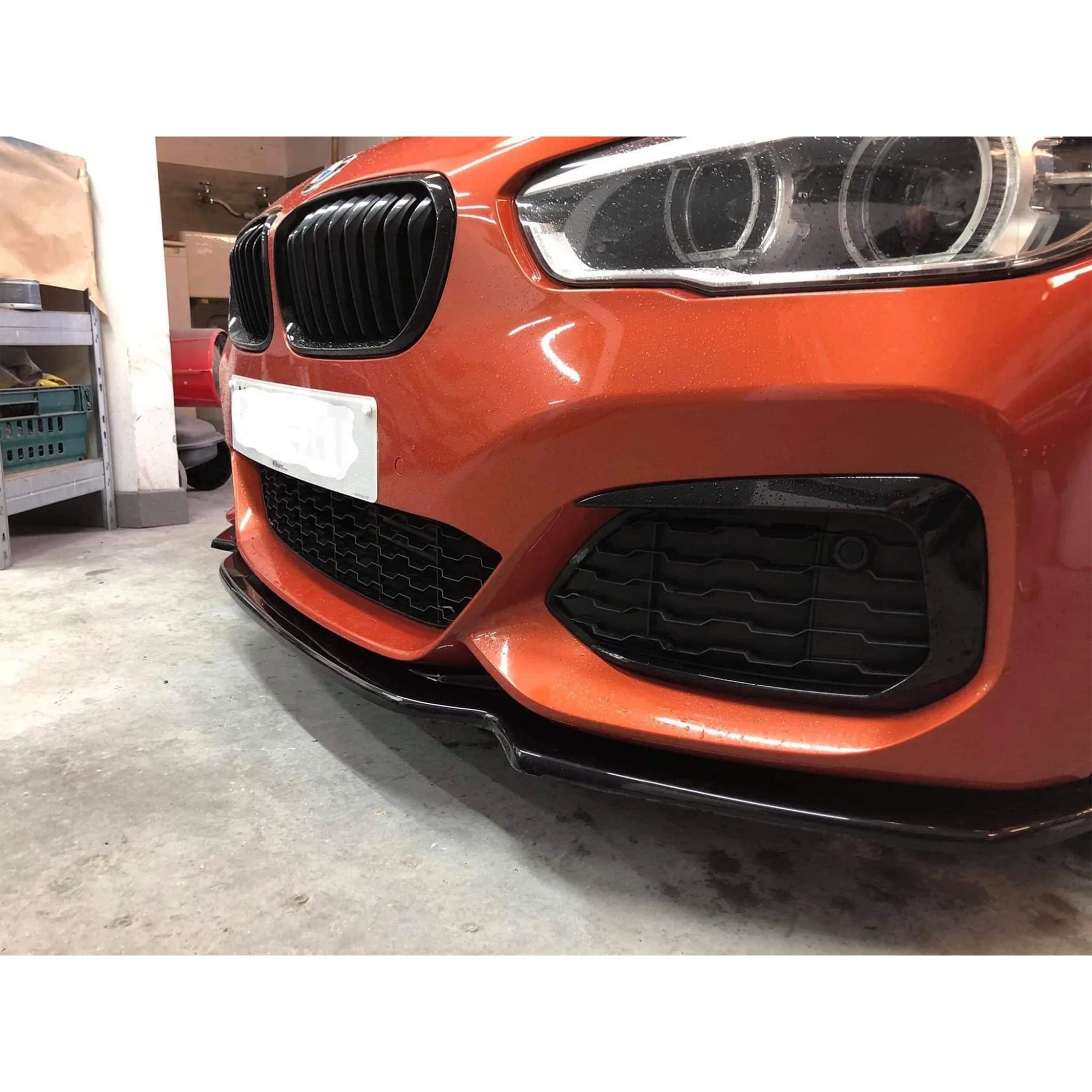
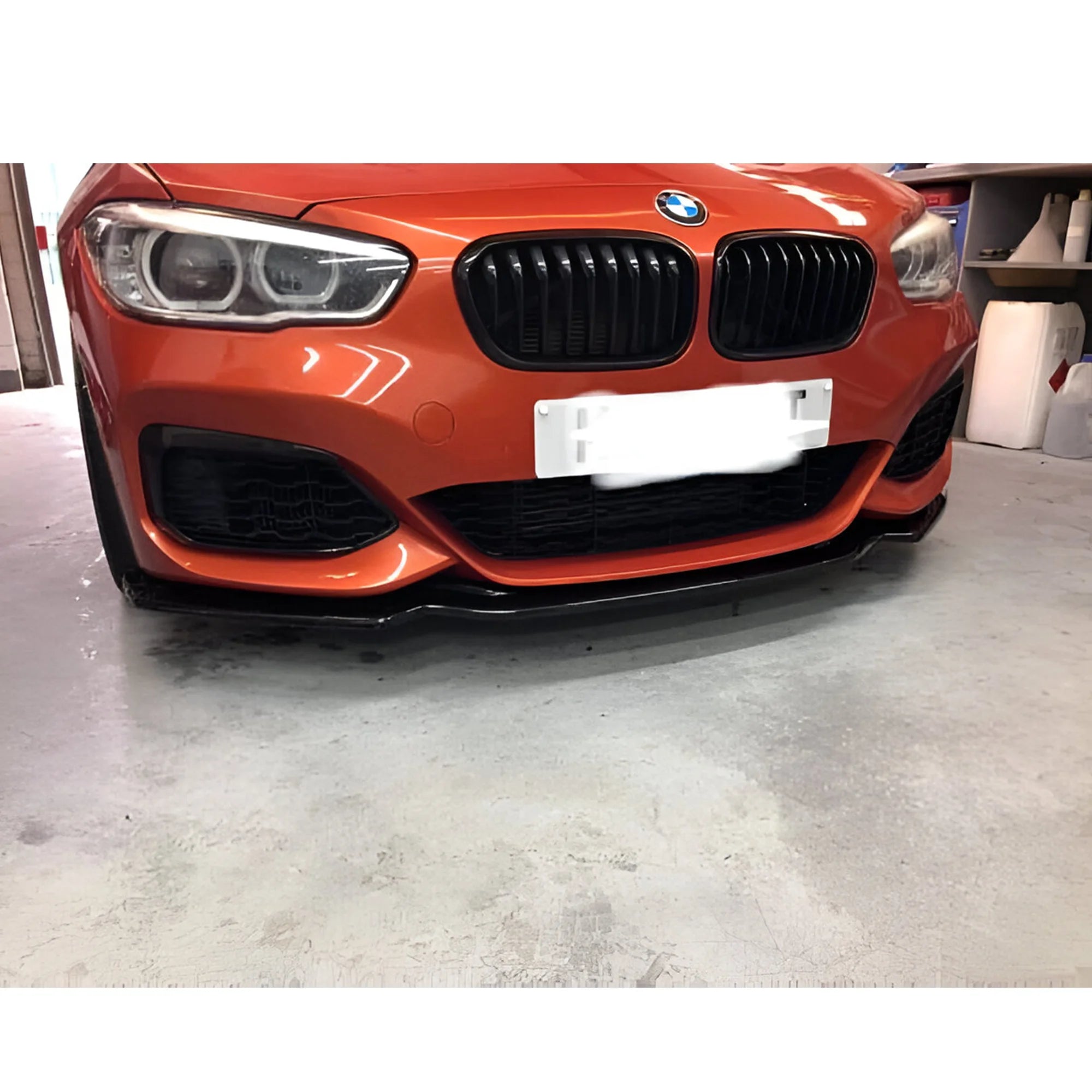
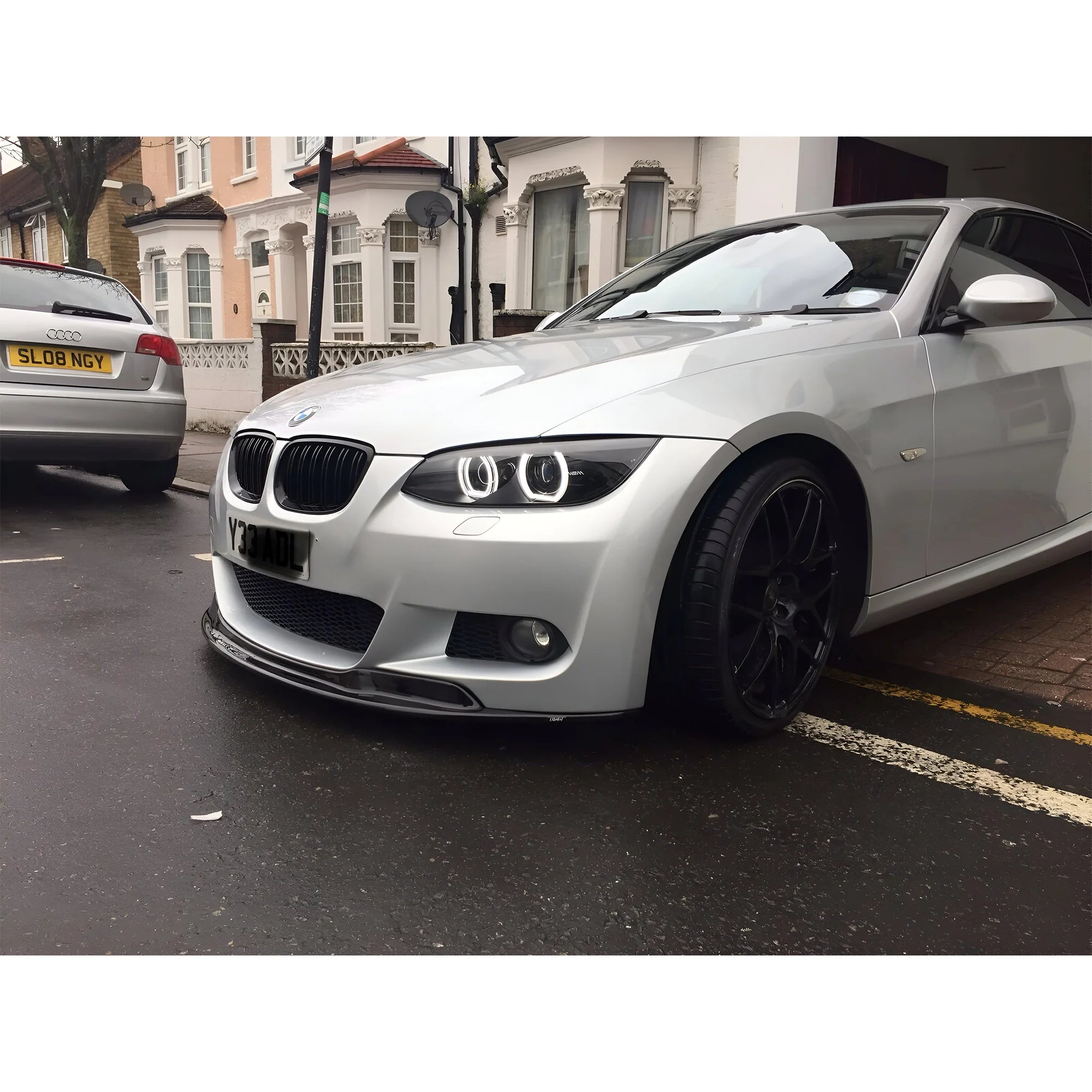
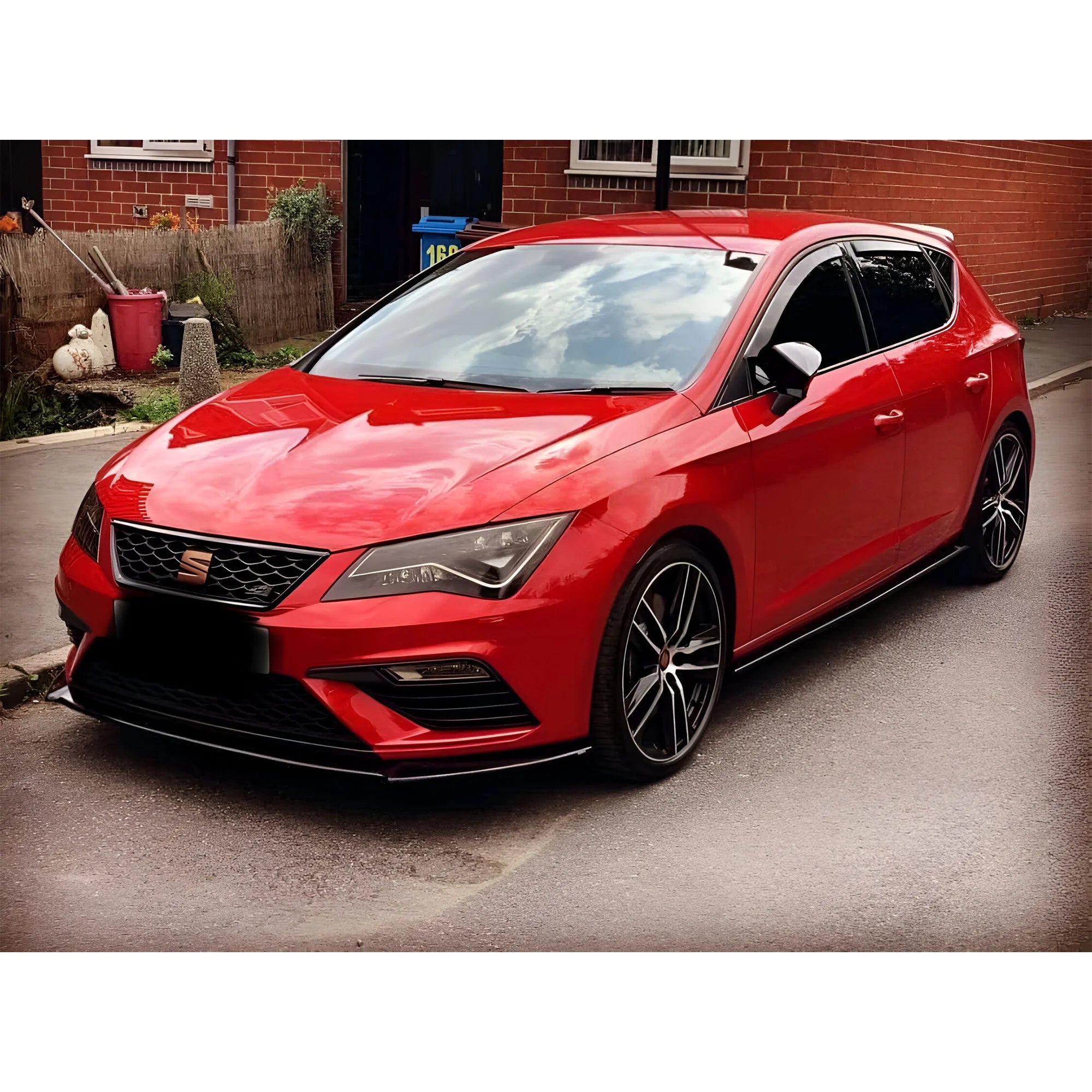
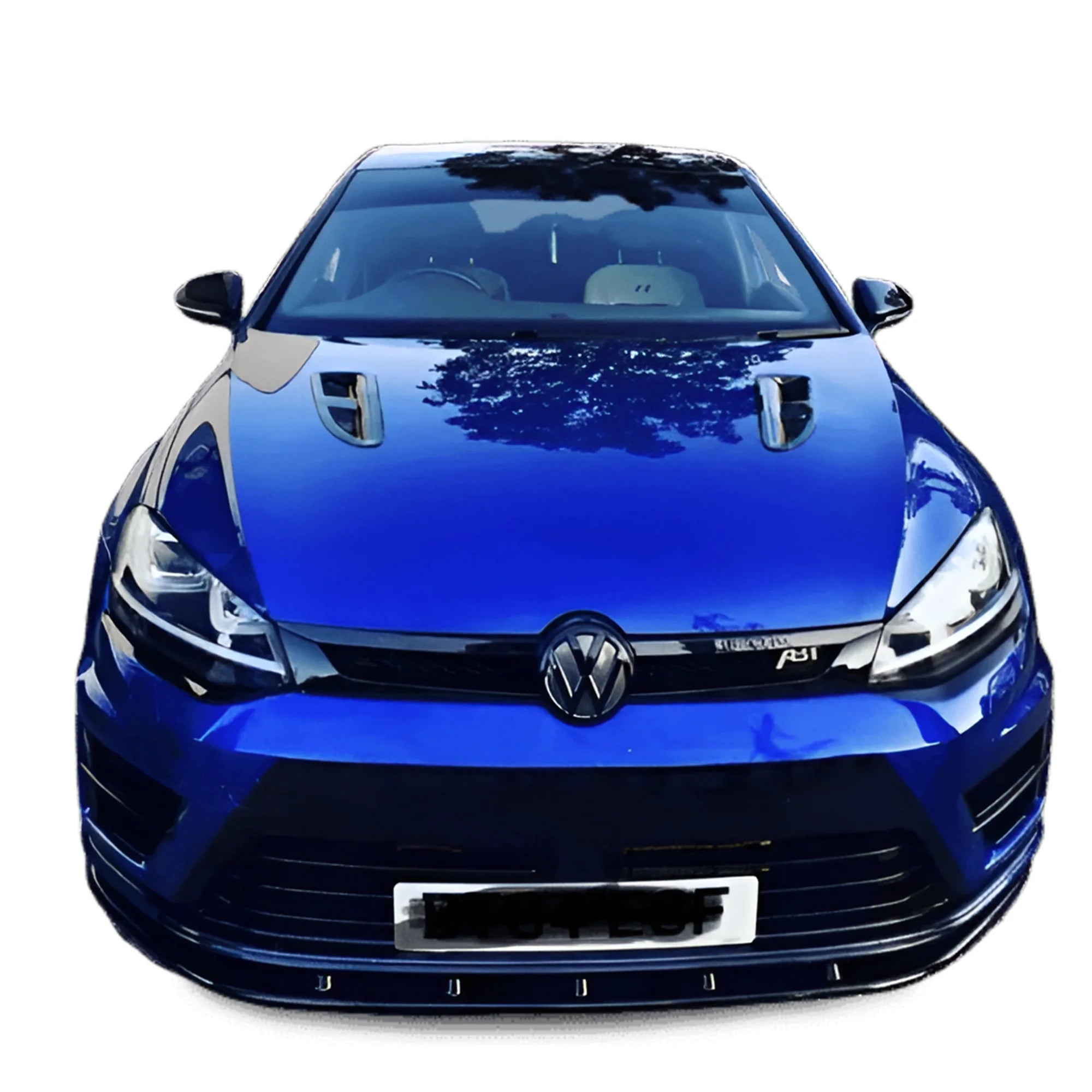
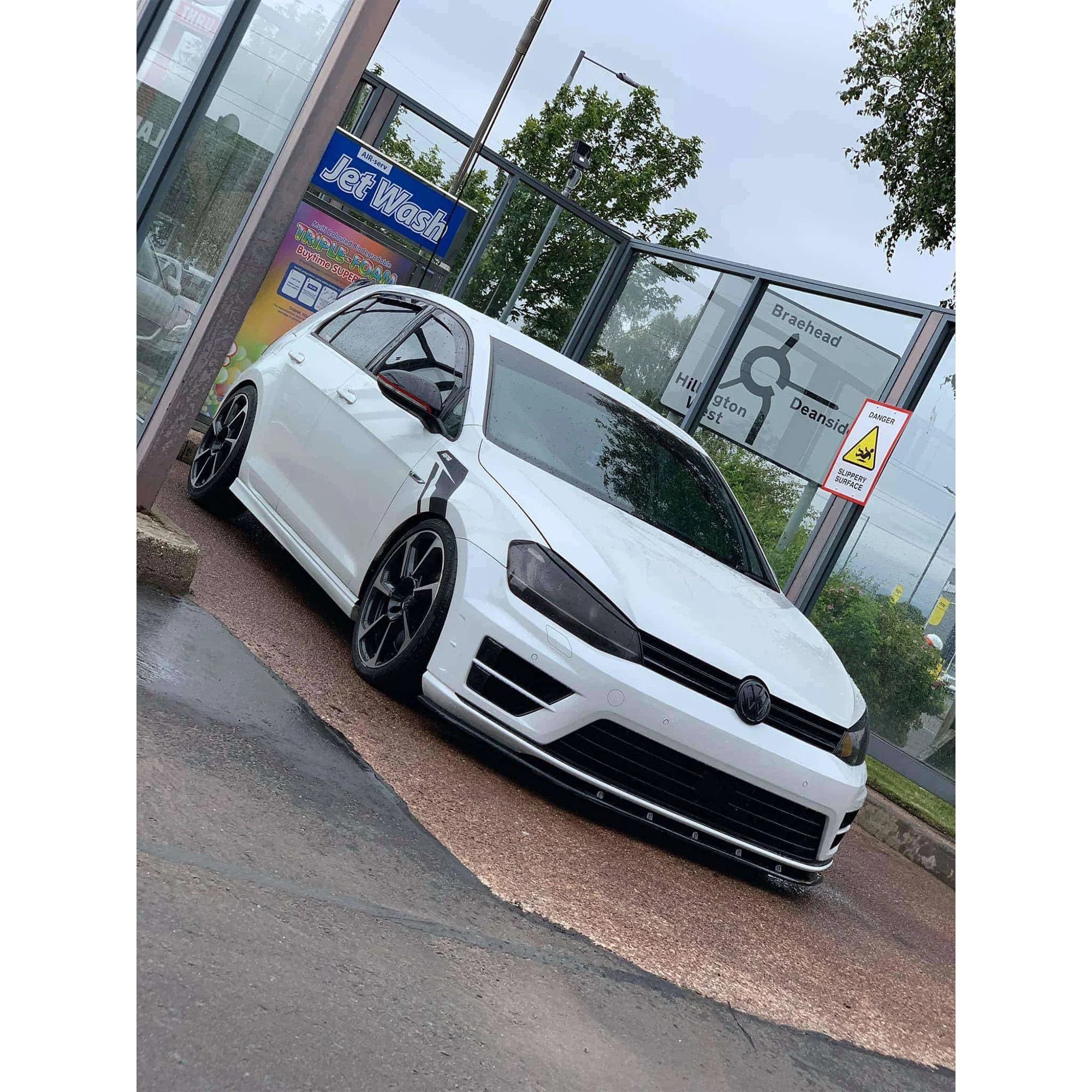
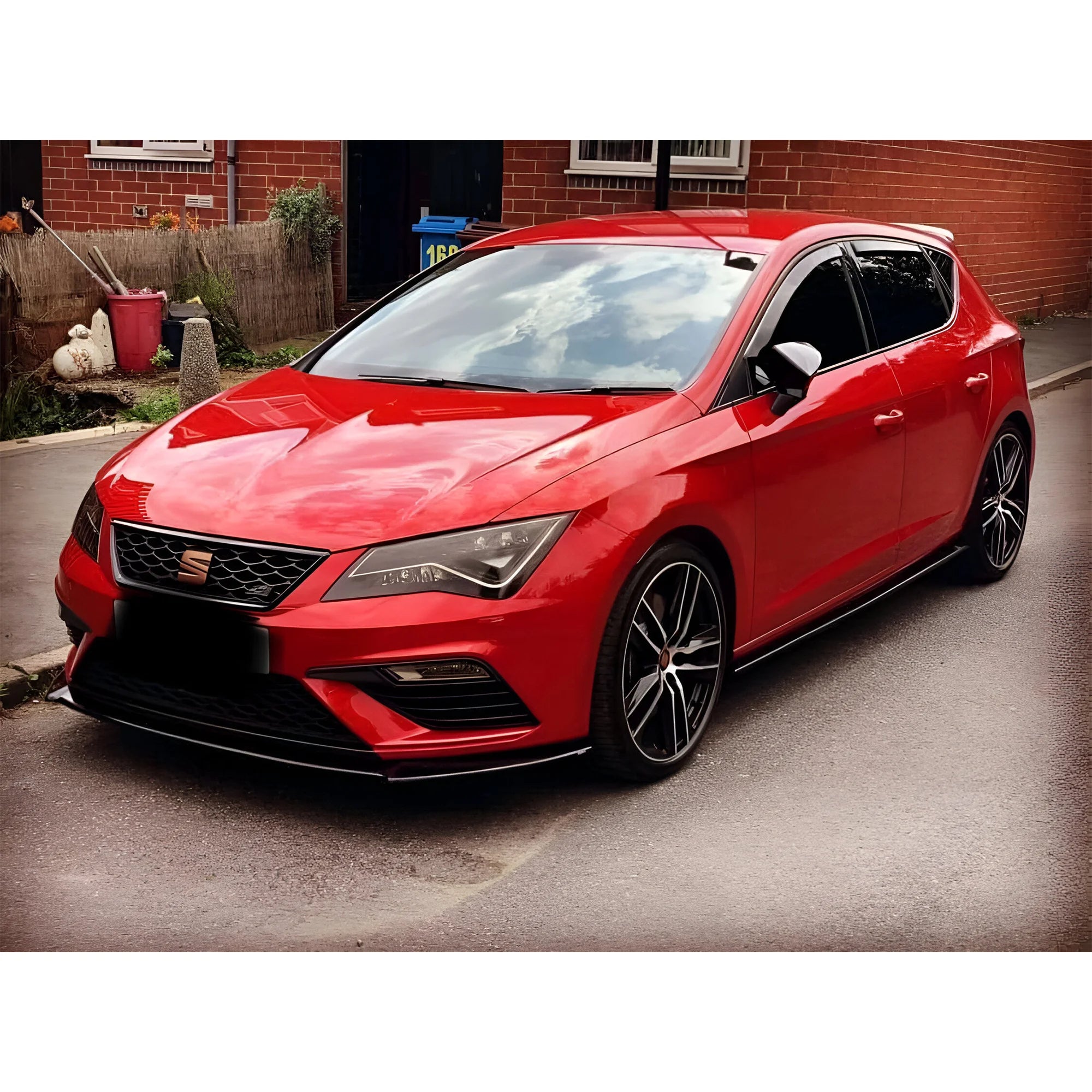
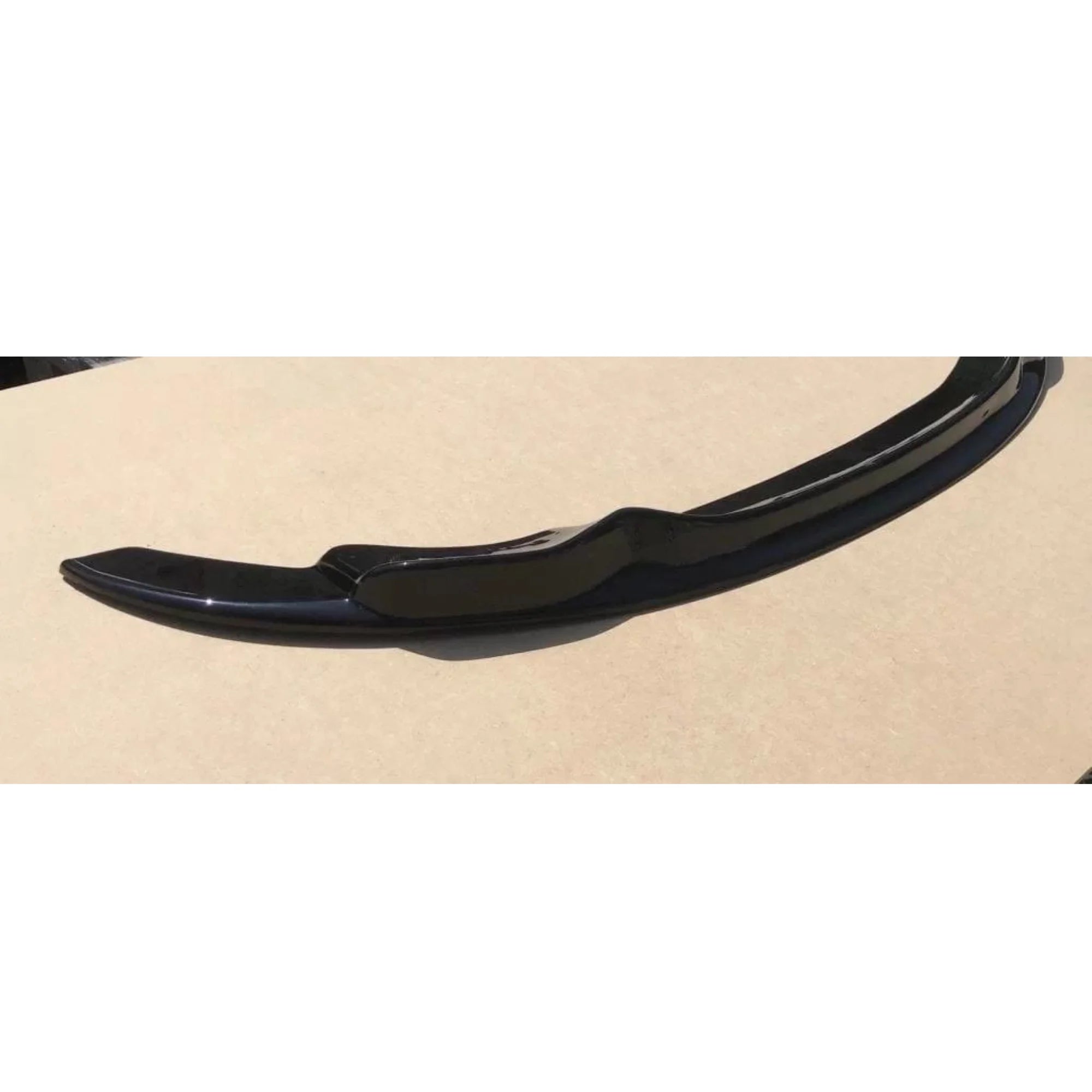
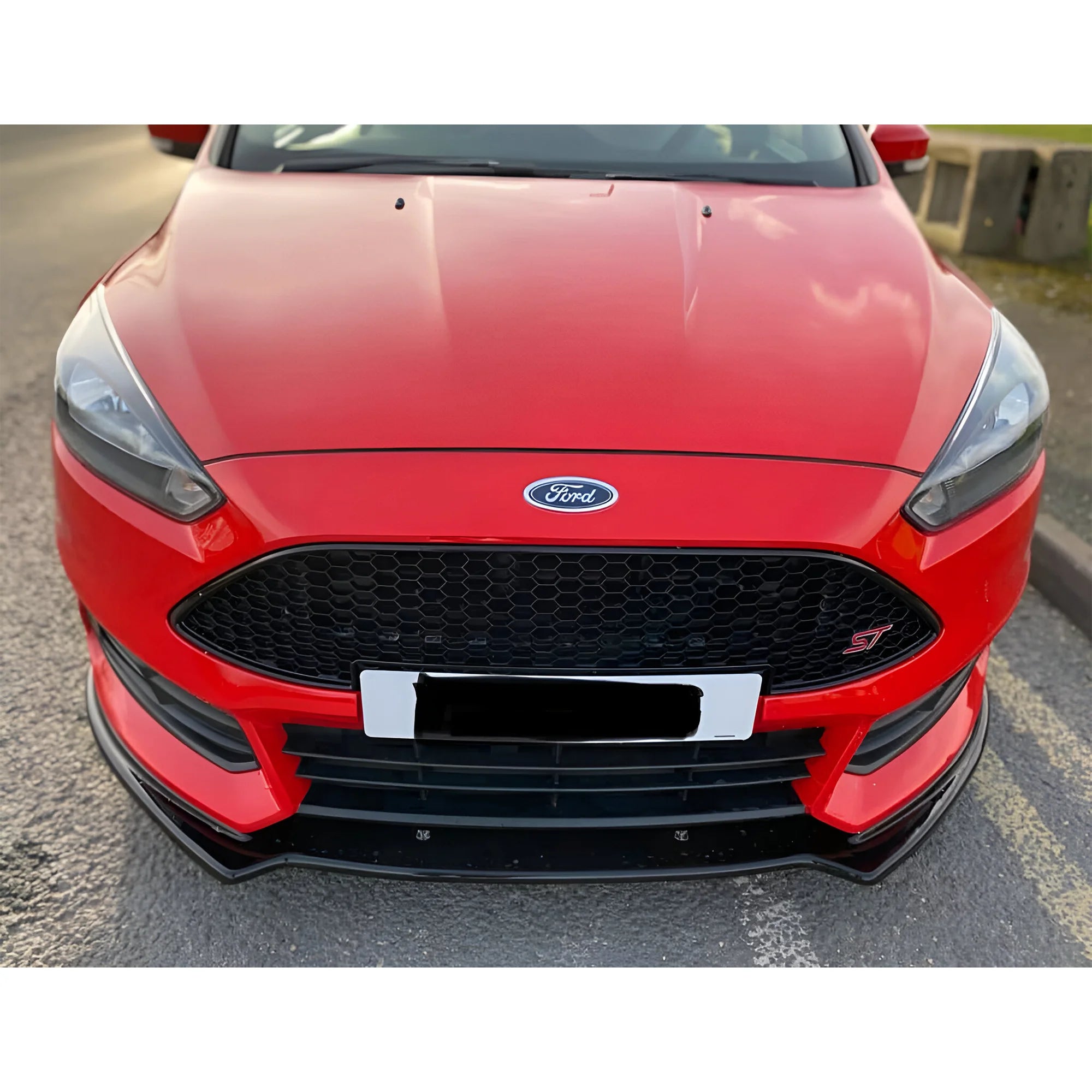
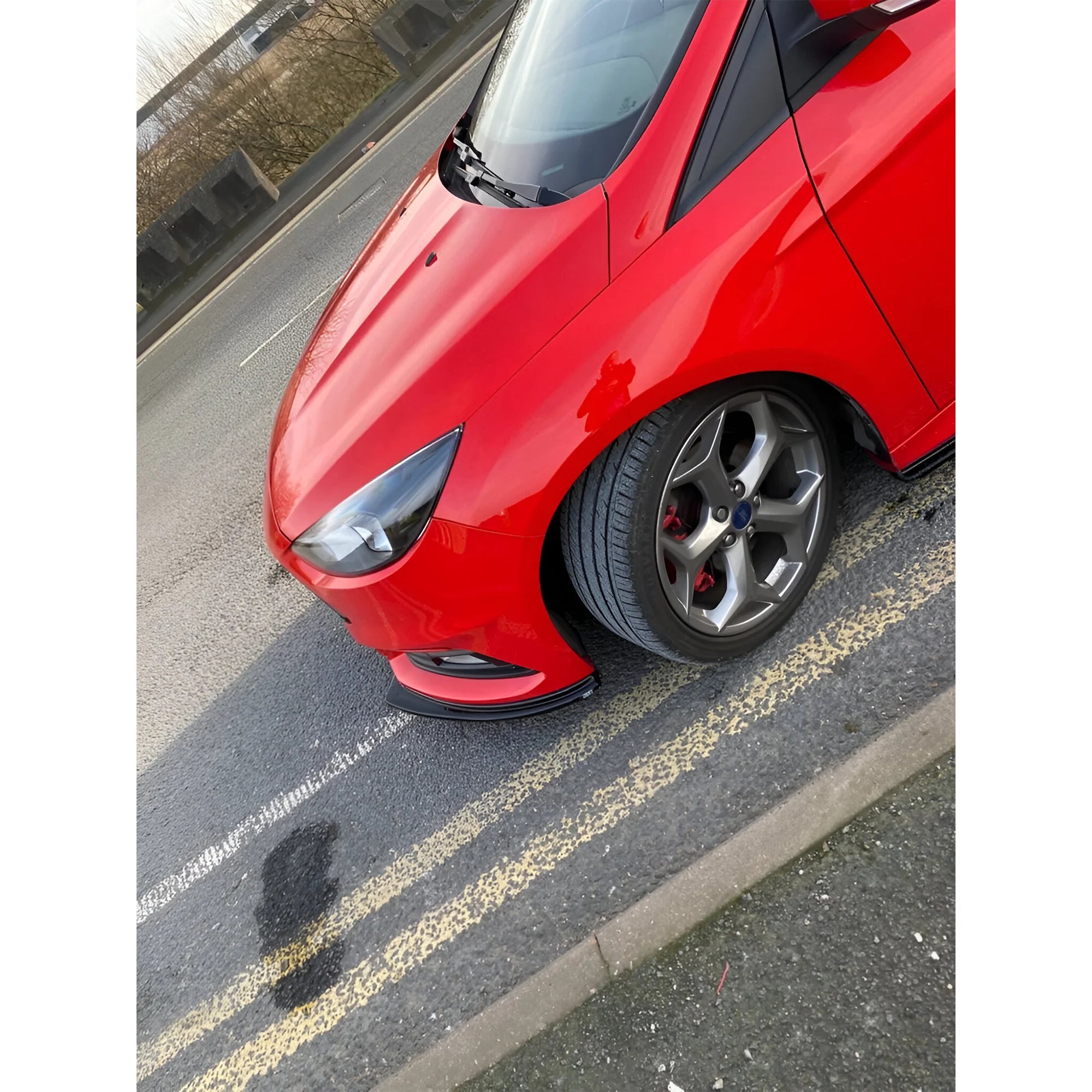
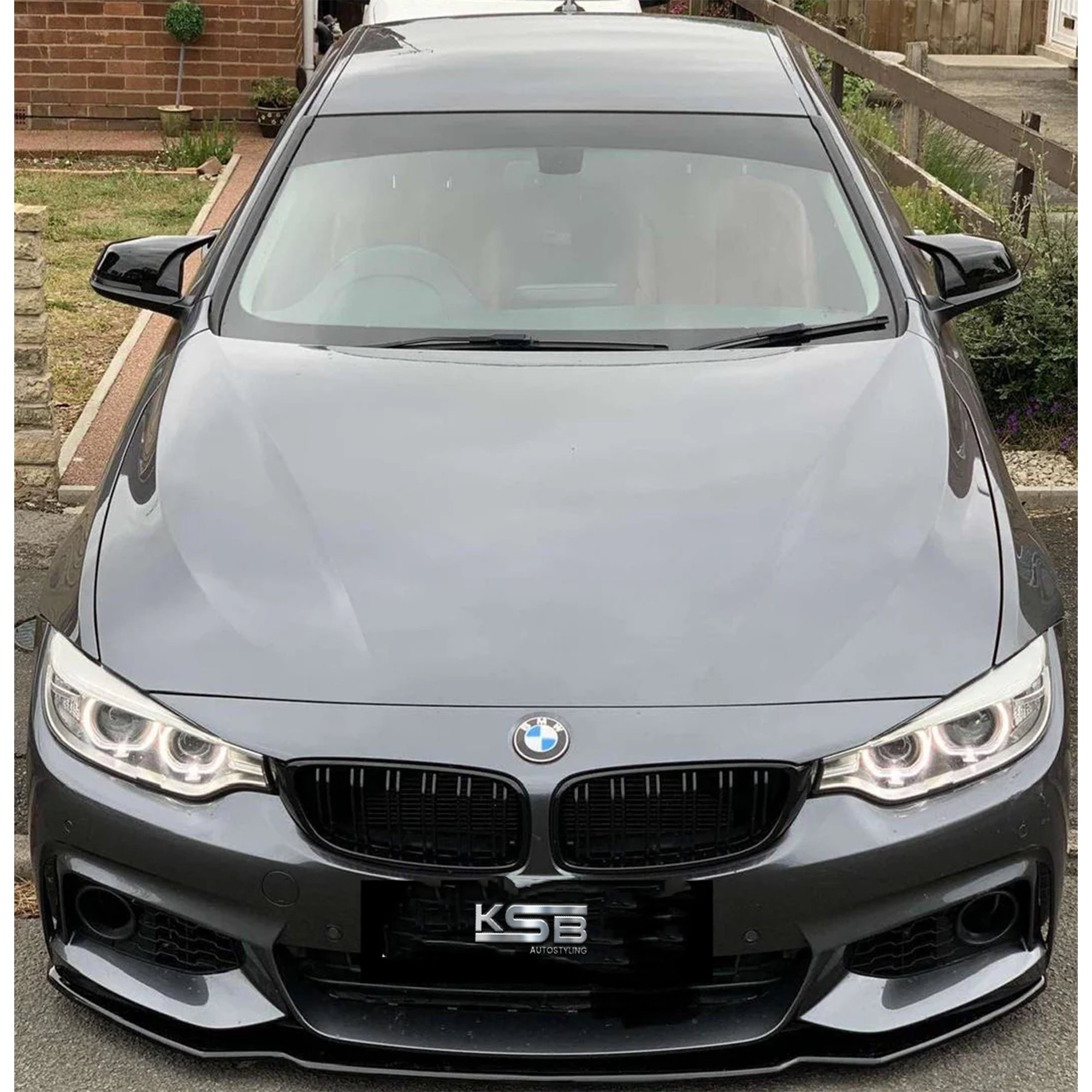
If you are only going to fit one exterior modification, make it a front splitter. A gloss black front splitter dramatically lowers the visual profile of the Astra or Corsa by adding a horizontal plane beneath the front bumper, drawing the eye downward and giving the car a more planted, aggressive stance without touching the suspension.
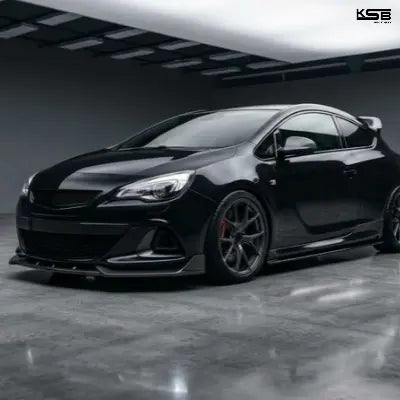
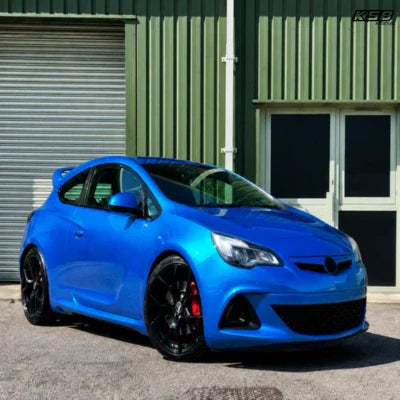
Beyond aesthetics, front splitters serve a genuine aerodynamic function. They work by interrupting the airflow that would otherwise travel beneath the car at speed, reducing lift on the front axle and marginally improving stability. The Vauxhall Astra J GTC, for example, has been a popular platform for ABS front splitters for years precisely because the bumper line lends itself to this addition naturally.
When buying a front splitter, the key quality checks are: uniform gloss finish with no visible sink marks, consistent material thickness across the entire piece, and pre-drilled fixing points that align with standard bumper locations. A splitter that arrives requiring significant drilling or gap-filling is unlikely to deliver the clean result you want.
Side Skirt Extensions: Creating a Cohesive Stance
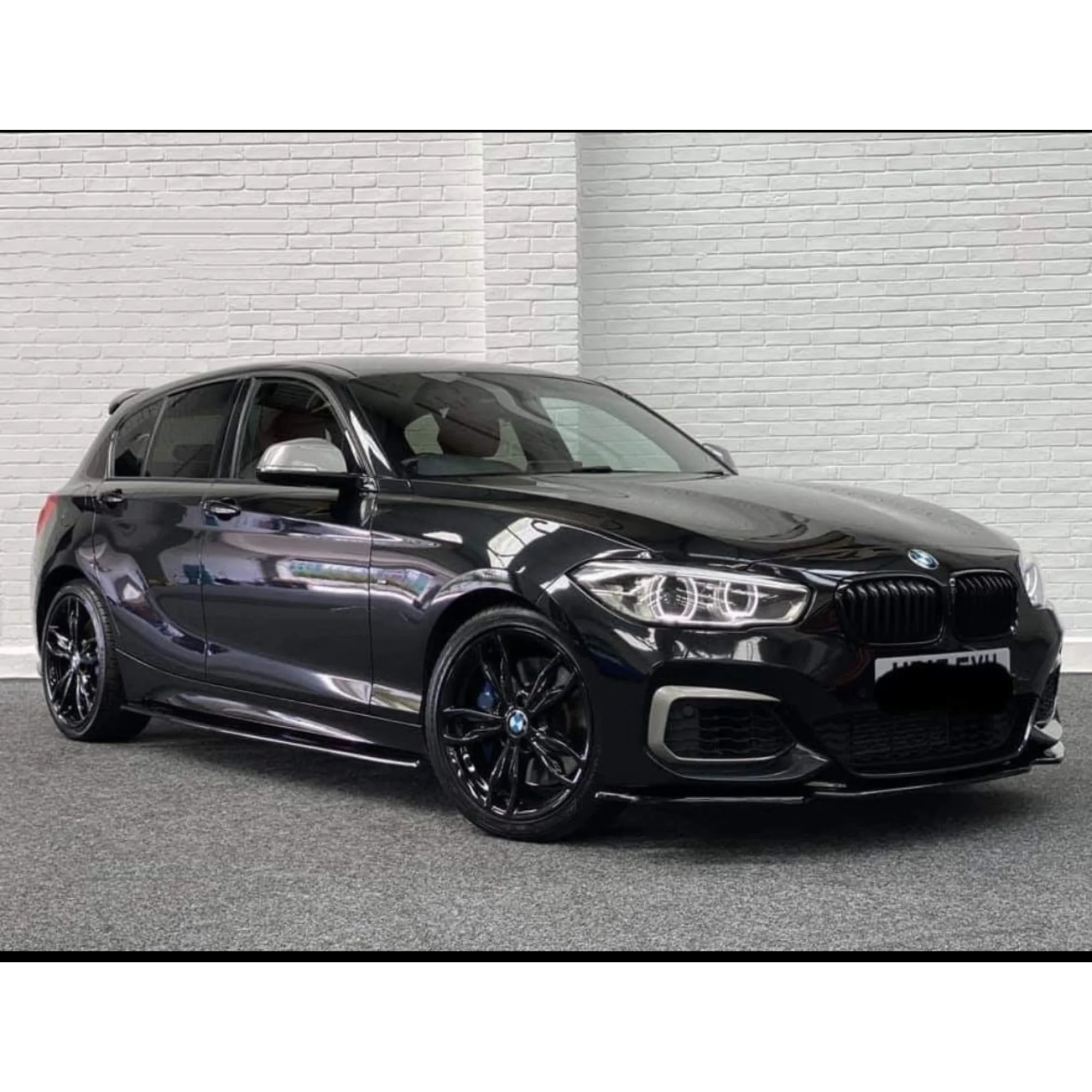
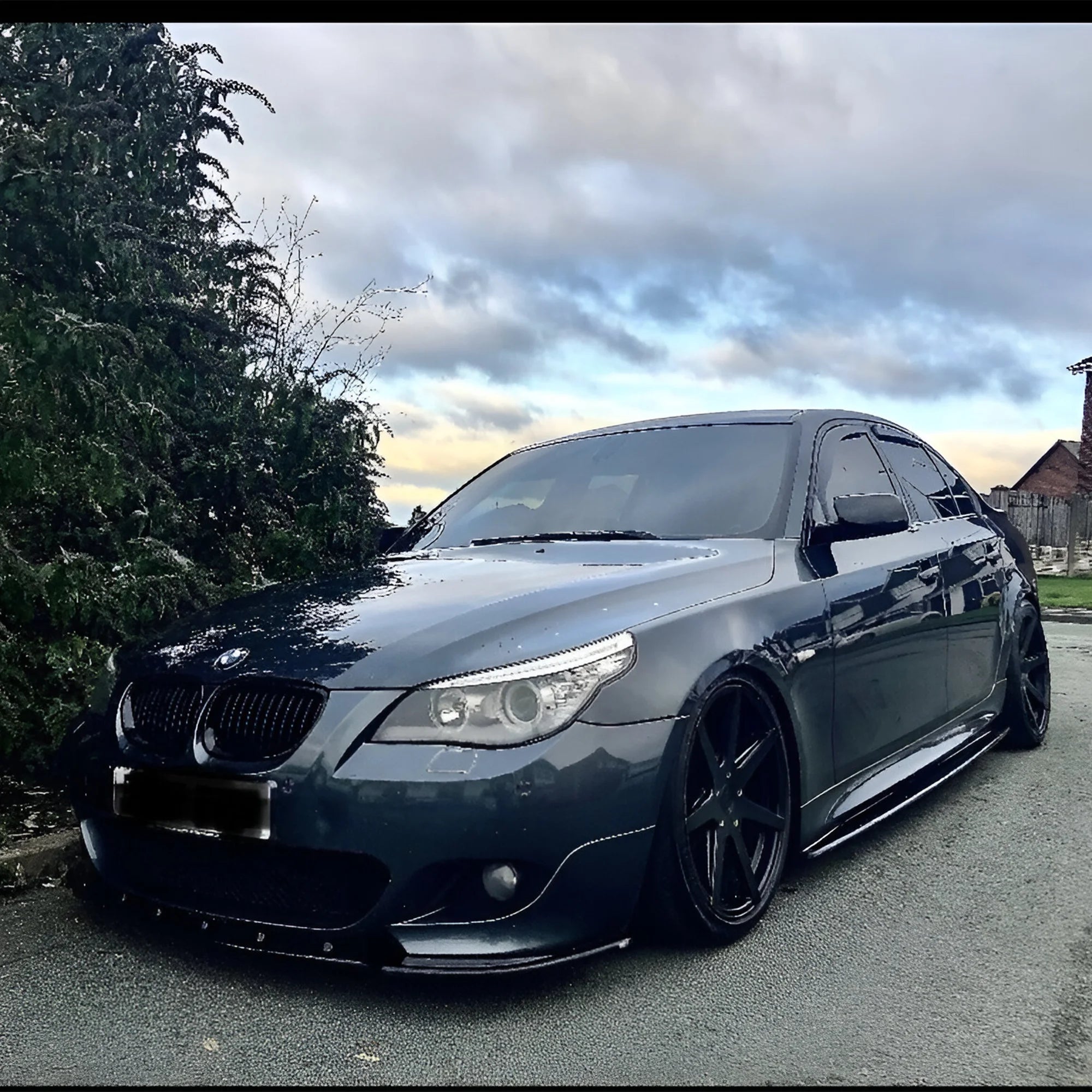
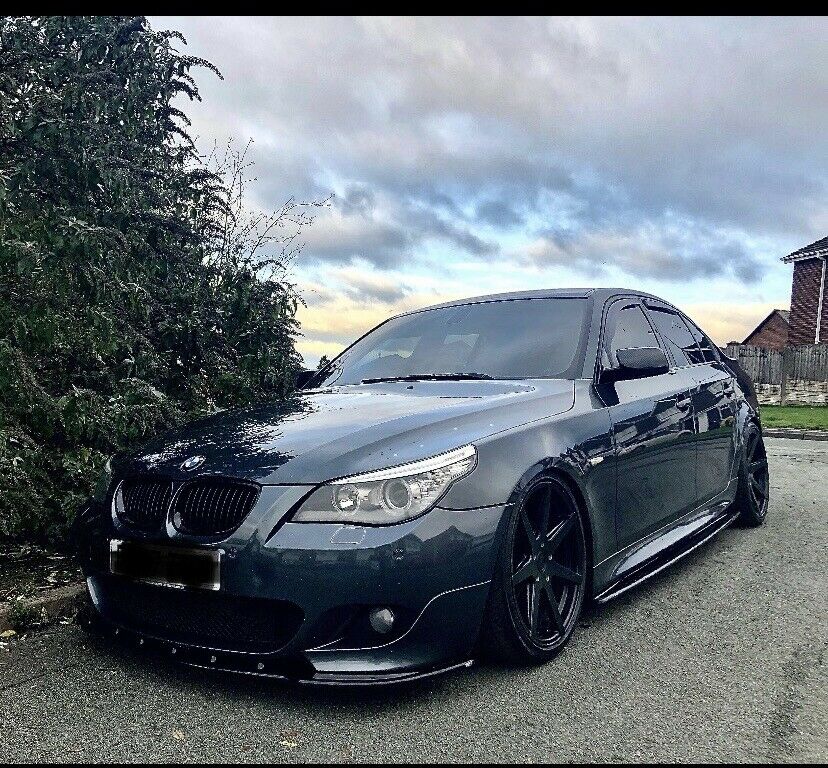
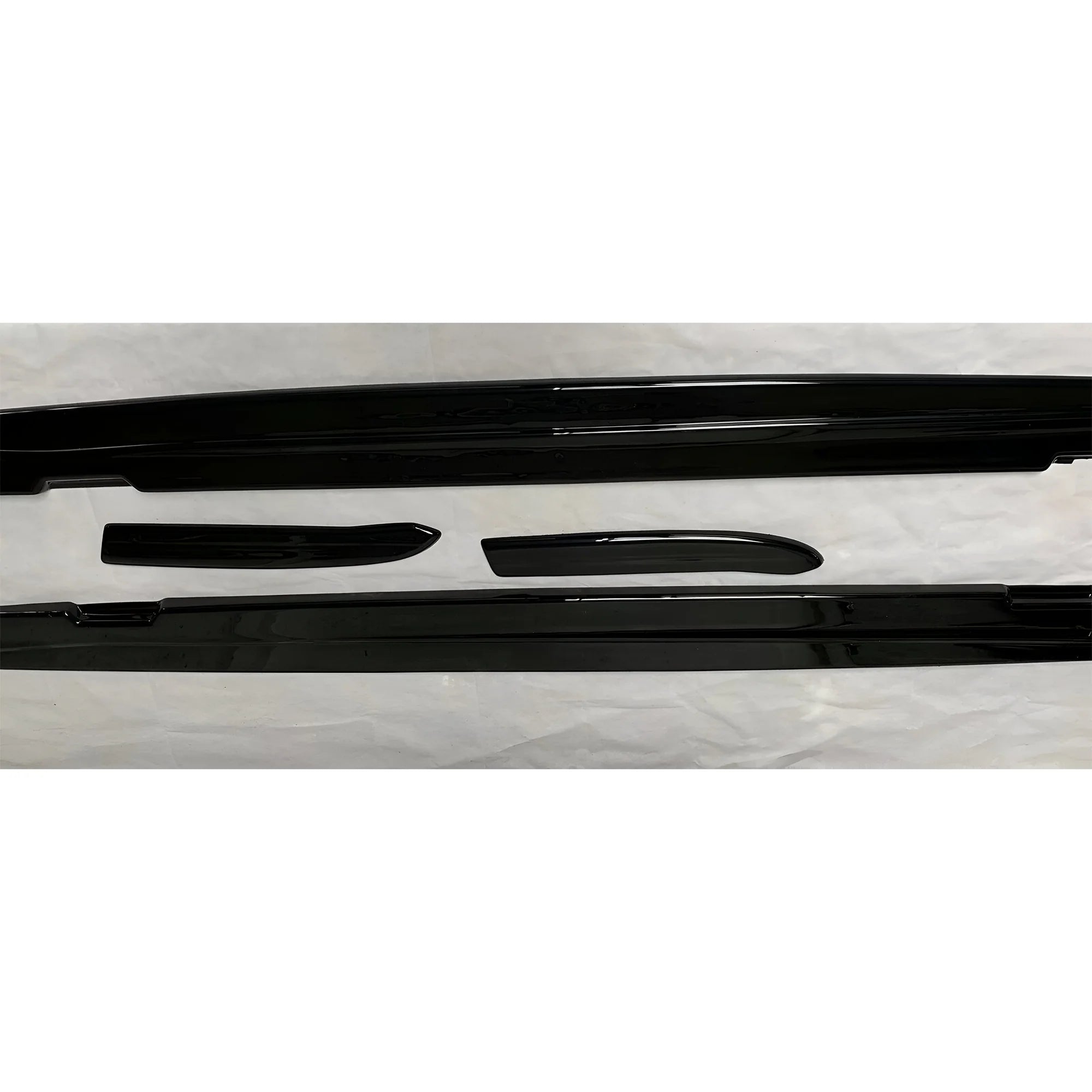
Side skirts are the modification most frequently overlooked, yet they do more for overall visual cohesion than almost anything else. Their job is to bridge the visual gap between the front and rear of the car, tying the bumper treatments together while making the entire car appear lower from the side.
Critically, a well-fitted set of side skirt extensions achieves the "slammed" look without a drastic suspension drop. This matters enormously for UK road use cars with aggressively lowered suspension can fail their MOT if ride height compromises steering geometry or causes components to make contact with the bodywork.
Look for side skirts that have been designed using 3D scanning technology for your specific Vauxhall model. Generic universal skirts almost always require trimming, filler, or professional adjustment to sit flush. Model-specific parts, like the range available from KSB Autostyling for Vauxhall Astra J, arrive ready to mount with the original bolt points in the correct position.
Rear Diffusers and Corner Spats: Aggression at the Back
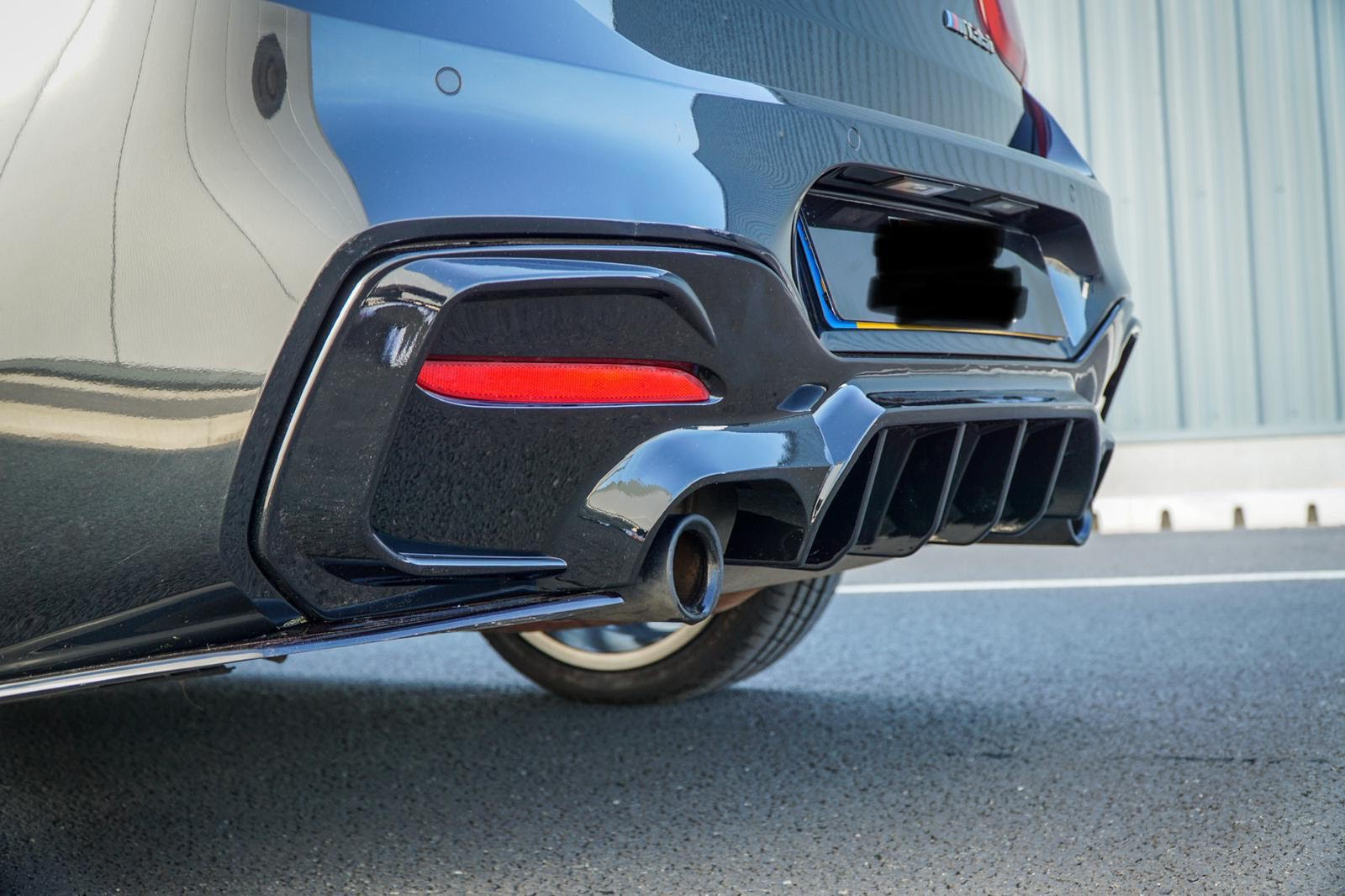
The rear end of a standard Astra or Corsa hatchback can look underwhelming compared to a well-kitted front. Rear diffusers and corner spats often referred to as rear bumper extensions or aprons are designed specifically to enhance this area.
A rear diffuser sits beneath the rear bumper and creates the illusion of a wider, lower rear. On road cars it has a primarily aesthetic function, though on higher-speed vehicles a properly designed diffuser can help manage the low-pressure zone behind the car. Corner spats extend the visual width of the rear corners, complementing twin exhaust tips and giving the car a more muscular planted look from behind.
The same quality principles apply as with front splitters: consistent surface finish, accurate fitment to the bumper mounting points, and adequate material thickness to withstand road debris at speed.
Roof Spoilers: Sportiness Without Compromise
A lip spoiler fitted to the roof trailing edge of a hatchback is one of the cleaner, more understated modifications available. It complements the hatchback roofline rather than competing with it, adding a subtle touch of style that shows attention to detail without being overly aggressive.
Roof spoilers on the Astra and Corsa are generally straightforward to fit with adhesive bonding and supplementary fixing points, making them a popular first modification for enthusiasts who want a clean result without committing to a full body kit. Proper preparation is crucial thoroughly cleaning the bonding surface, applying the correct primer, and allowing sufficient curing time are the factors that determine whether the spoiler remains securely attached for years or starts lifting at motorway speeds.
De-Badging and Grille Upgrades: The Stealth Look
De-badging has grown significantly in popularity in recent years, driven by the clean "stealth" aesthetic it creates. Removing the manufacturer and model badges from the bootlid and grille leaves smooth, uninterrupted bodywork and gives the car a deliberately understated, anonymous look that works especially well on darker paint colours.
It is worth knowing that the DVLA does not require manufacturers' badges to remain on a vehicle only the number plates are legally mandated for vehicle identification purposes. De-badging is fully legal.
Grille upgrades take the stealth look further. Replacing the standard honeycomb or bar grille with a gloss black mesh or custom surround changes the front face of the car entirely and can dramatically alter the perceived width of the nose. It is also one of the more affordable modifications relative to its visual impact.
Quality Check: How to Identify a Well-Made Part
Before purchasing any exterior styling part, run through these checks:
Finish: The surface should be consistently smooth with no orange-peel texture, sink marks, or visible mould lines. Gloss black components should display a smooth, consistent, and rich finish.
Fitment: Model-specific parts should match the factory mounting points accurately, requiring little to no modification during installation. If a seller cannot confirm the exact model year fitment, assume it is a universal part requiring adjustment.
Material density: A quality ABS part has a solid feel when tapped lightly. Thin, hollow-sounding parts have been produced to a cost and will not hold up on UK roads.
Certifications: Some quality manufacturers carry TUV Materialgutachten certification an independent materials quality assessment which provides additional assurance that the ABS used meets automotive grade standards.
UK Legal and Safety Guidelines
This section is not a footnote it is arguably the most important part of any guide aimed at UK drivers. Getting your modifications wrong does not just mean an awkward conversation at the MOT station. It can mean a failed test, a fine, an invalidated insurance policy, or in serious cases, points on your licence.
MOT Compliance: Key Areas an Inspector Will Check
Under the Road Vehicles (Construction and Use) Regulations 1986 the primary piece of legislation governing vehicle modifications in the UK any addition to the exterior of your car must not create sharp edges, must not obscure lighting or number plates, and must be securely fastened with no risk of detachment while in use.
In practical terms, this means:
Body kit components must be bolted, screwed, or bonded in a way that eliminates any movement. For large components such as side skirts, adhesive-only installation is generally not suitable for road use and should be reinforced with mechanical fixings for added security.
Sharp edges or protruding corners on splitters or diffusers can result in a direct MOT failure under the bodywork and structure assessment. Always check the edges of any ABS part before fitting quality parts will be smooth and radiused.
Nothing should prevent the headlights, rear lights, indicators, fog lights, or number plates from functioning correctly and being fully visible. Rear diffusers in particular must not encroach on the number plate light.
Window Tints: Know the Limits
Window tinting is one of the most commonly misunderstood areas of UK car modification law. The rules under the Road Vehicles (Construction and Use) Regulations 1986 are clear:
The front windscreen must allow at least 75% of light through (Visible Light Transmission, or VLT). Front side windows the driver's and front passenger's door glass must allow at least 70% VLT. There are no legal restrictions on how dark you can go with the rear side windows and rear windscreen.
Police and DVSA officers carry calibrated light meters during roadside checks. If your front tints fail the test, you risk a prohibition notice meaning the car cannot legally be used on public roads until the tint is removed plus a potential fine. The DVSA takes non-compliant tints seriously: they are an automatic MOT failure.
If you want privacy glass aesthetics, concentrate darker tints on the rear windows where there are no restrictions, and keep front glass light.
Exhaust and Lighting: Where the Lines Are
Aftermarket exhausts must not exceed the vehicle's type-approved noise level. The current pass-by noise limit for new vehicles is 72dB, with regulations set to reduce this limit to 68dB from 2026. Excessively loud aftermarket exhausts are not only a source of MOT failures they have led to prosecution and substantial fines in documented DVSA enforcement cases in 2023 and 2024.
For exterior lighting, UK law is straightforward. Forward-facing lights must emit only white or yellow light to remain compliant with regulations. Rear-facing lights must be red. Blue lights are reserved exclusively for emergency vehicles; green lights are restricted to medical practitioners. Any exterior LED strips, underglow neon kits, or ambient lighting must produce a steady (non-flashing) light, must not be visible in red, blue, or green, and the tubing itself must not be visible from outside the vehicle when it is illuminated.
Insurance Disclosure: Do Not Skip This Step
This is where many enthusiasts come unstuck, sometimes with serious financial consequences.
Under the Consumer Insurance (Disclosure and Representations) Act 2012, consumers are required to take reasonable care not to make a misrepresentation to their insurer. While the Act places the primary burden on insurers to ask the right questions, most standard car insurance policy wordings include a mid-term notification clause meaning you are contractually obliged to inform your insurer of any modification made after your policy started.
Failing to declare aesthetic modifications can render your policy void if you make a claim. An insurer who discovers undeclared modifications after an accident has strong legal grounds to refuse to pay out entirely. The cost of a brief phone call or online policy update is negligible compared to that risk.
Some modifications will increase your premium; others may have minimal impact. Specialist modified car insurers often provide more competitive rates for enthusiasts than mainstream insurers who treat any modification as a red flag. Brokers like Adrian Flux and Chris Knott specialise in modified vehicles and are worth contacting for an accurate quote.
Installation Advice: DIY vs Professional Fitment
Knowing what you can confidently fit yourself and where to call in a professional saves both money and the frustration of a poorly finished result.
When DIY Is Appropriate
Roof spoilers and de-badging are well within the reach of a careful, patient home mechanic. Both require thorough surface preparation (cleaning and degreasing), correct primer use where bonding adhesive is involved, and adequate cure time before the car is driven. Follow the manufacturer's instructions exactly and do not rush the cure period adhesive that has not fully set is the most common cause of spoilers lifting on the motorway.
Grille swaps on the Astra and Corsa are generally straightforward, requiring only basic hand tools and a careful approach to the retaining clips. Many owners complete grille upgrades in under an hour.
When to Use a Professional
Complex body kits involving front bumper replacements, full side skirts, and rear diffusers as a combined system require accurate panel alignment that is very difficult to achieve without a two-post lift and bodywork experience. Even a 2-3mm misalignment in a side skirt can be visible from twenty feet away and will compromise the finished look significantly.
If the parts require painting to match your car's body colour, a body shop or experienced spray painter is the correct choice. ABS parts need proper surface preparation sanding, etching primer, and base coat adhesion promoter before colour is applied. Without these steps, paint will lift or peel within months, particularly on parts exposed to road debris.
For any modification involving structural bumper removal or refitting, a professional is strongly recommended to ensure all OEM fixings are correctly reinstated and the safety structure of the bumper is not compromised.
Conclusion: Build Your Vauxhall Your Way
Modifying a Vauxhall Astra or Corsa is one of the most rewarding projects in the UK enthusiast scene. Both platforms have a rich aftermarket heritage, an active community, and genuinely excellent parts availability from subtle OEM+ upgrades to full aggressive body kits.
The approach that produces the best results is always the same: start with quality parts, ensure legal compliance before anything is fitted, declare modifications to your insurer, and take the time to prepare surfaces and align components properly. Cutting corners on any of those steps tends to produce results that disappoint.
For premium, UK-ready ABS styling parts designed specifically for Vauxhall models, browse the KSB Autostyling collection. Every part is manufactured to a high standard and built not to shatter like cheaper fibreglass alternatives exactly what you need for a build that looks as good in two years as it does the day it is fitted.
FAQs
Are exterior body modifications legal in the UK?
Yes, body mods are legal provided they are securely fitted, contain no sharp or dangerous edges, and do not obstruct your lights or number plates.
Do I need to tell my insurance company about my car mods?
Yes, you must declare all aesthetic modifications to your insurer, as failing to disclose changes from the manufacturer's specification can invalidate your insurance policy.
Why is ABS plastic the best material for Vauxhall exterior parts?
ABS is the industry standard for UK weather because it is impact-resistant, highly durable, and does not rust, offering a long-lasting finish for your vehicle.
Will adding a front splitter cause my car to fail its MOT?
A front splitter will not cause an MOT failure if it is securely attached and does not protrude in a way that creates a safety hazard or sharp projection.
Do I need to notify the DVLA about my body kit?
You do not need to notify the DVLA for standard bolt-on body kits; you only need to contact them if the modification involves significant structural changes to the chassis.