

How Front Splitter Performance Improves Your Car's Handling
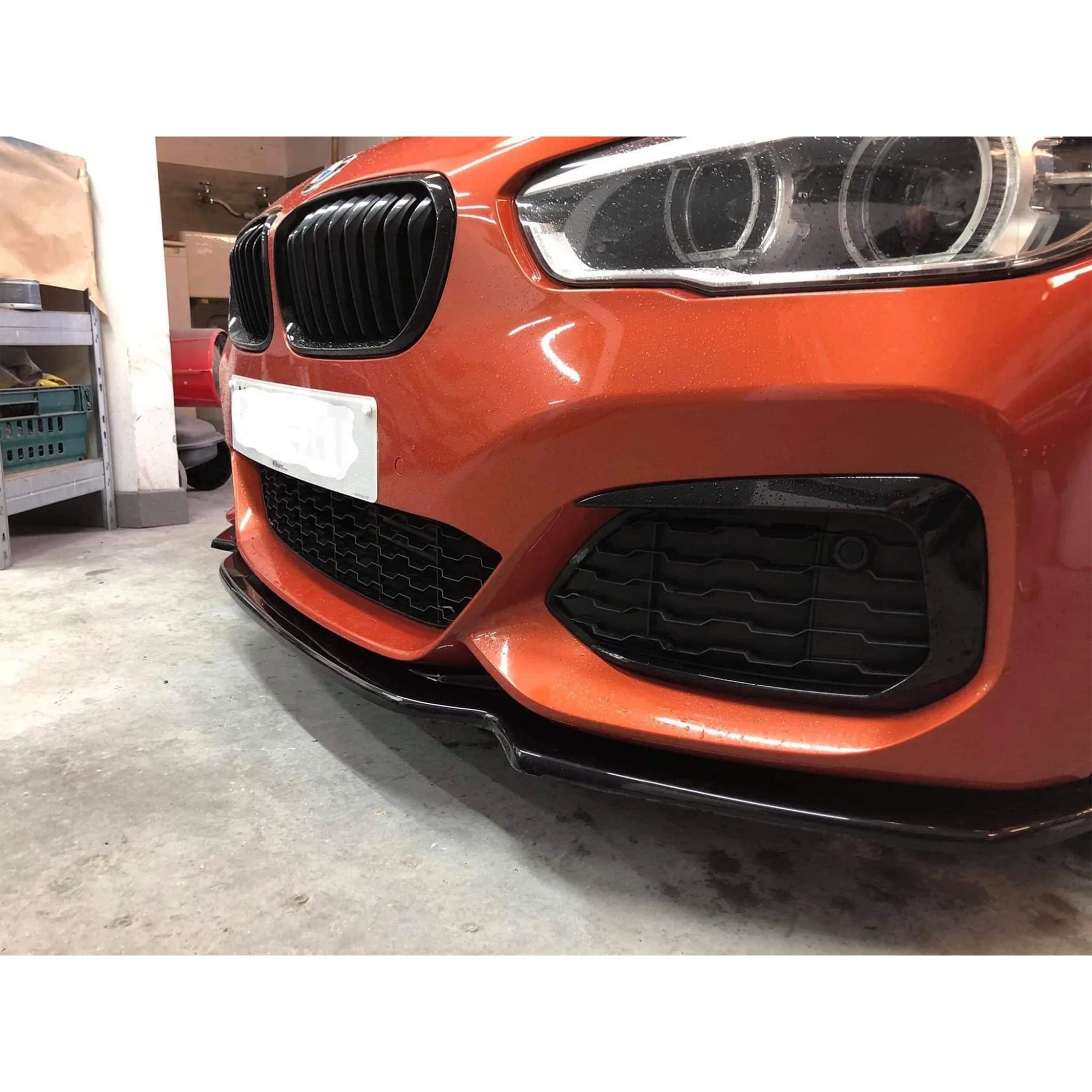
A front splitter changes how air moves under and over your car. It reduces unwanted lift at speed and improves front-end grip. This directly affects steering response, braking stability, and cornering confidence.
Performance gains come from controlling airflow pressure at the front bumper area. Even small changes in airflow can influence stability at higher speeds.
The Evolution of Aerodynamic Styling on UK Roads
Aerodynamic upgrades have shifted from visual styling to functional engineering. Modern UK performance builds now focus on airflow control rather than cosmetic add-ons.
Bridging the Gap Between Aesthetics and Utility
Early body kit were mainly visual upgrades. They often added drag without improving stability.
Today, front splitters serve a dual role. They improve stance while actively managing airflow under the vehicle. This shift reflects a more technical approach to vehicle styling.
Why KSB Autostyling Defines Modern Performance
KSB Autostyling focuses on model-specific aerodynamic upgrades designed for UK road conditions.
Their design approach prioritises:
- Real airflow control over cosmetic-only styling
- Fitment precision for factory bumpers
-
Road durability for daily driving conditions
This aligns with modern performance expectations where stability matters as much as appearance.
The Science of Airflow: Stagnation, Pressure, and Lift
Front splitter performance is based on basic fluid dynamics. Air behaves differently depending on speed, shape, and surface orientation.
Understanding the Stagnation Point
When air hits the front bumper, it slows down at a point called the stagnation point. At this location, air pressure increases.
This high-pressure zone is one of the main contributors to front-end lift at speed.
How Pressure Differentials Create Front-End Lift
Air flowing over the top of the car moves faster than air trapped under the front bumper. Faster airflow creates lower pressure above the car.
The pressure difference between top and bottom creates lift. At higher speeds, this effect becomes stronger and reduces front tyre grip.
The Physics of the Splitter: Creating Downforce and Vacuum
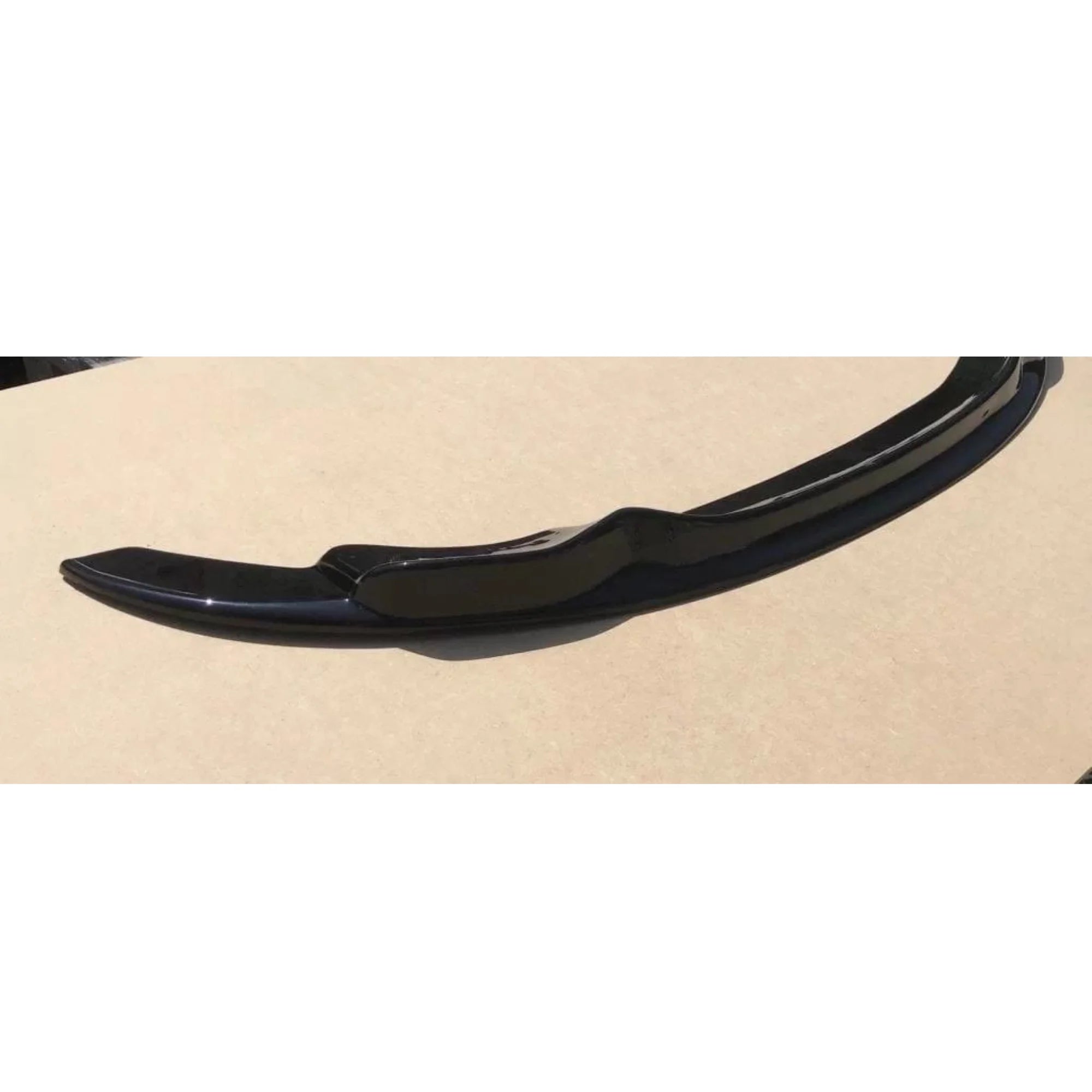
A front splitter works by disrupting natural airflow under the bumper and redirecting it.
The Blade as an Inverted Wing
A splitter functions like an inverted wing. Instead of lifting the car, it pushes the front end downward.
It forces air to separate:
- Above the splitter: higher pressure
-
Below the splitter: lower pressure zone
This creates a small vacuum effect under the front lip.
Managing Boundary Layers and Air Velocity
Air close to the surface of the car forms a boundary layer. A properly designed splitter reduces turbulent air entering under the chassis.
This helps stabilise airflow and maintain more consistent pressure under load.
How Integrated Diffusers Boost Downforce Efficiency
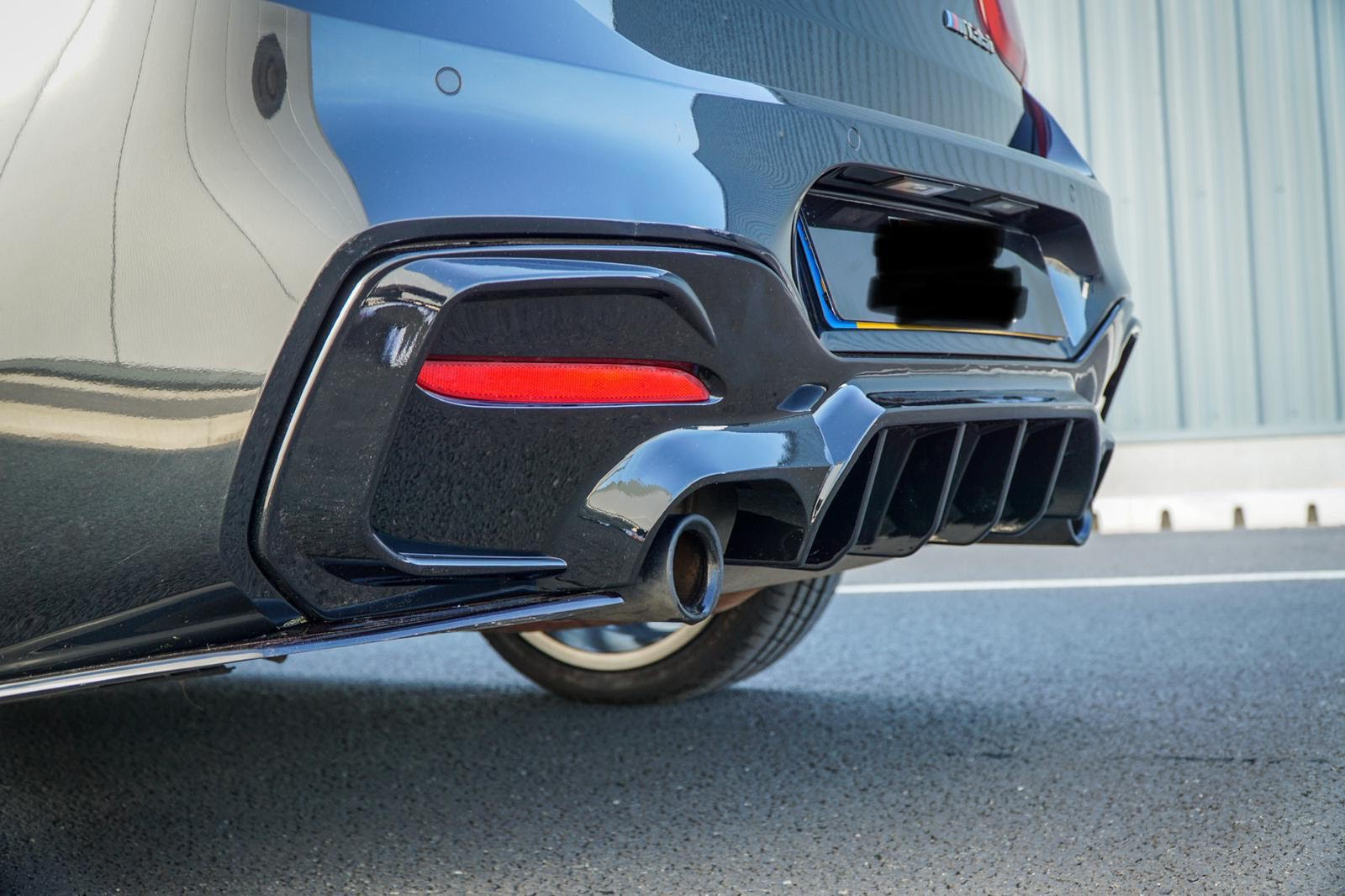
When paired with rear aerodynamic elements, airflow exits more smoothly from under the vehicle.
This balance helps maintain stable downforce distribution between front and rear axles.
Direct Handling Improvements: How Front-End Grip Transforms Your Drive
Front splitter performance is most noticeable in steering and braking response.
Increasing Vertical Tire Load for Lateral Grip
More downforce increases the vertical load on the front tyres. This improves grip during cornering.
Higher grip allows the tyres to maintain better contact with the road surface under load.
Understeer Mitigation and Cornering Precision
Understeer occurs when the front tyres lose grip before the rear tyres do.
A splitter helps reduce this by increasing front-end stability, allowing sharper and more controlled turn-in.
Chassis Stabilization During Heavy Braking
During braking, weight shifts forward. A splitter reduces airflow lift during this shift.
This keeps the front end planted and improves braking consistency at speed.
Maintaining Aerodynamic Balance for High-Speed Stability
Aerodynamics must be balanced across the entire vehicle.
The Dangers of Front-End Imbalance
Adding front downforce without rear balance can make the car unstable at high speed. This may cause unpredictable handling shifts.
Why You Should Pair Splitters with Rear Aero
Rear spoilers or diffusers help balance airflow. This prevents excessive front bias.
Balanced aero improves stability and reduces sudden handling changes.
Achieving a Predictable Center of Pressure
The center of pressure is the aerodynamic balance point of a vehicle.
A well-designed setup keeps this point stable, improving predictability during acceleration and cornering.
Material Selection for UK Drivers: ABS vs. Carbon Fiber
Material choice affects durability, cost, and real-world usability.
Why ABS Plastic is Superior for Daily Road Use
ABS plastic is flexible and impact-resistant. It handles UK road conditions like speed bumps, potholes, and cold weather better than brittle materials.
It is also easier to maintain and repair.
The Risks of Brittle Carbon Fiber in Real-World Conditions
Carbon fiber is lightweight and strong, but it can crack under impact.
For everyday driving particularly in urban UK conditions it may not be suitable or practical for all users.
Splitter Material Engineering Comparison
- ABS: Flexible, durable, cost-effective
- Carbon Fiber: Lightweight, rigid, high-performance focused
-
Hybrid composites: Balanced strength and flexibility
How to Install a Front Splitter: The 5-Step Secure Mounting Protocol
Correct installation is essential for both performance and safety.
Preparation: Cleaning and Surface Degreasing
The bumper surface must be fully cleaned. Dirt or oil reduces mounting strength and alignment accuracy.
Alignment: Achieving Precise Factory Fitment
Correct alignment ensures airflow behaves as designed. Misalignment can reduce aerodynamic efficiency.
Drilling and Mechanical Fastening
Mechanical fixing is essential. Adhesive alone is not suitable for high-speed loads.
Bolts or brackets distribute stress across the bumper.
Load Testing and Safety Checks
After installation, the splitter should be tested for movement under pressure. This ensures stability at speed.
Compliance, MOT, and Insuring Your Modified Vehicle in the UK
Aerodynamic modifications must meet UK road regulations.
Staying Legal: Construction and Use Regulations
Modifications must not create sharp edges or unsafe protrusions. Splitters must remain securely attached.
MOT Inspection Standards for Bodywork
During MOT checks, inspectors assess:
- Structural safety
- Secure mounting
- No dangerous projections
Insurance Requirements for Aerodynamic Upgrades
Any modification, including splitters, should be declared to insurers. This ensures coverage remains valid in case of incidents.
Conclusion
Front splitter performance is not just about appearance. It directly affects grip, stability, and driving control.
KSB Autostyling focuses on aerodynamic upgrades engineered for real UK driving conditions, where durability and precision matter as much as performance.
Model-specific design ensures correct airflow behavior and proper fitment. This reduces installation issues and improves aerodynamic efficiency.
A well-designed splitter transforms how a car feels on the road. It improves confidence at speed and sharpens overall handling response.
FAQs
Do front splitters really improve handling?
Yes, they reduce front-end lift by managing airflow under the bumper. This increases front tyre grip and improves steering stability at speed.
Will a front splitter make my car faster?
A splitter does not directly increase horsepower or top speed. It improves stability and grip, which helps you carry speed more confidently through corners.
Are front splitters legal in the UK?
Yes, they are legal if securely mounted and do not create sharp or dangerous protrusions. They must also comply with MOT safety standards.
Do I need rear aero with a front splitter?
It is strongly recommended. A balanced setup with rear aero keeps airflow stable and prevents oversteer or front-heavy handling.
Is ABS better than carbon fibre for daily driving?
ABS is more practical for UK roads due to its flexibility and impact resistance. Carbon fibre is lighter but more prone to cracking under real-world impacts.