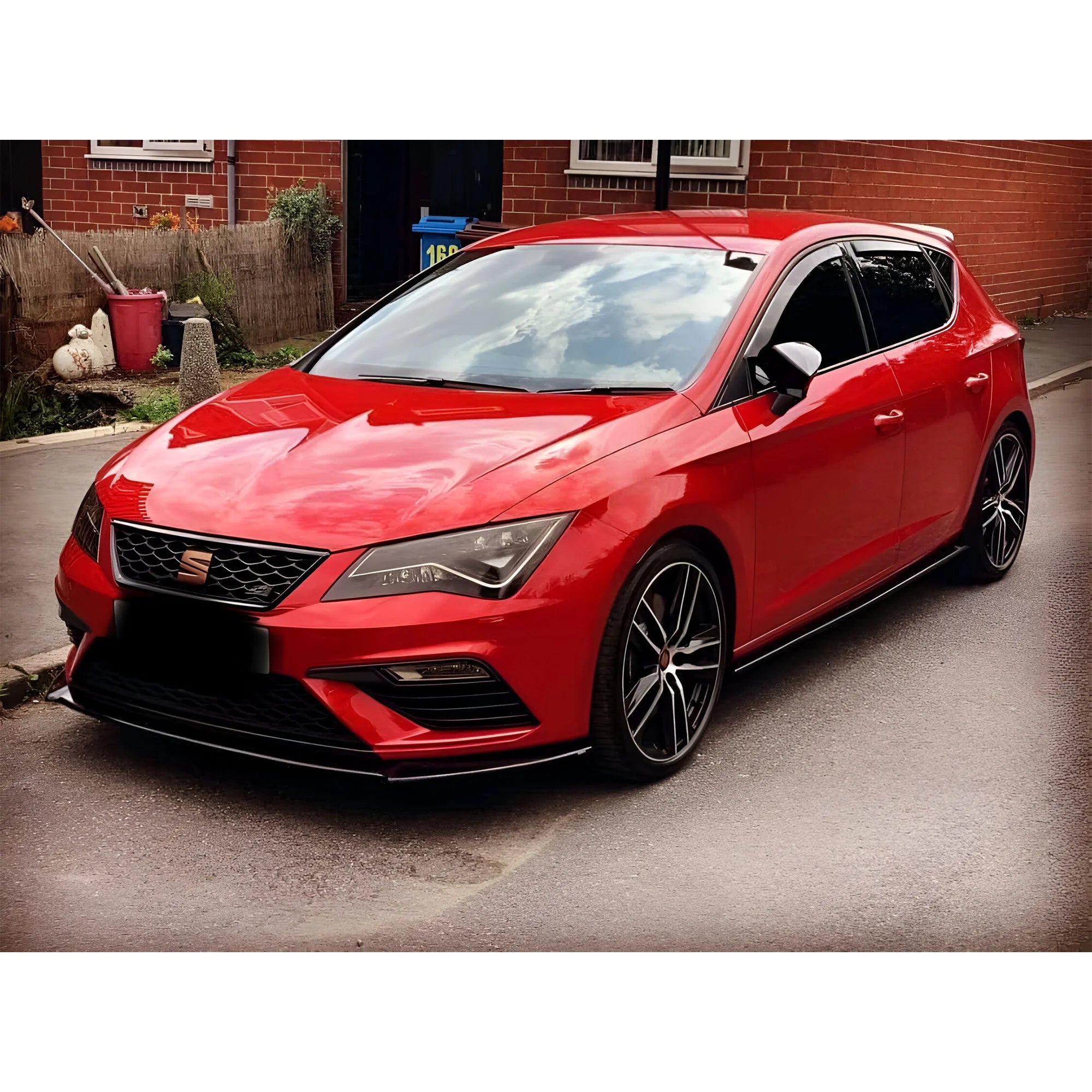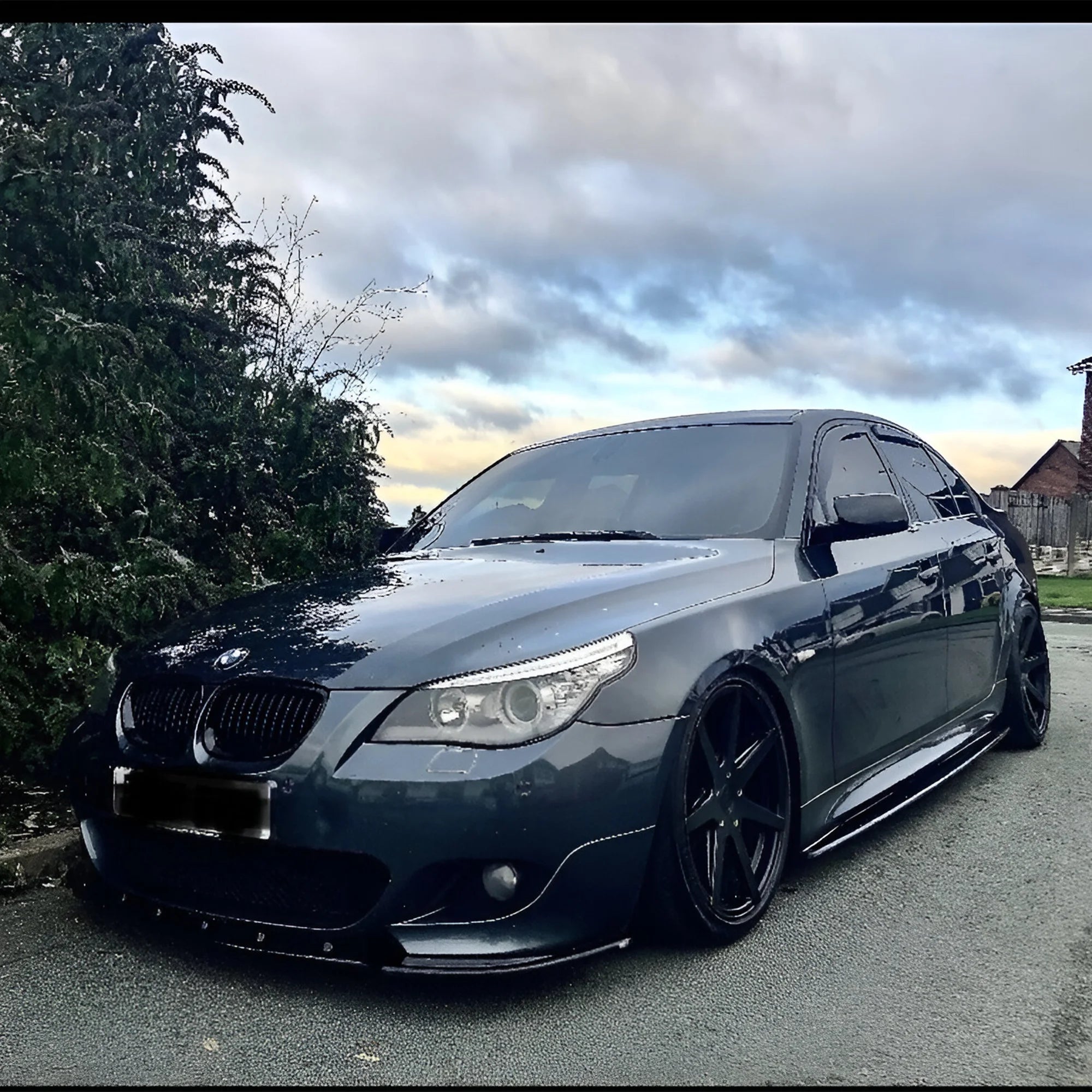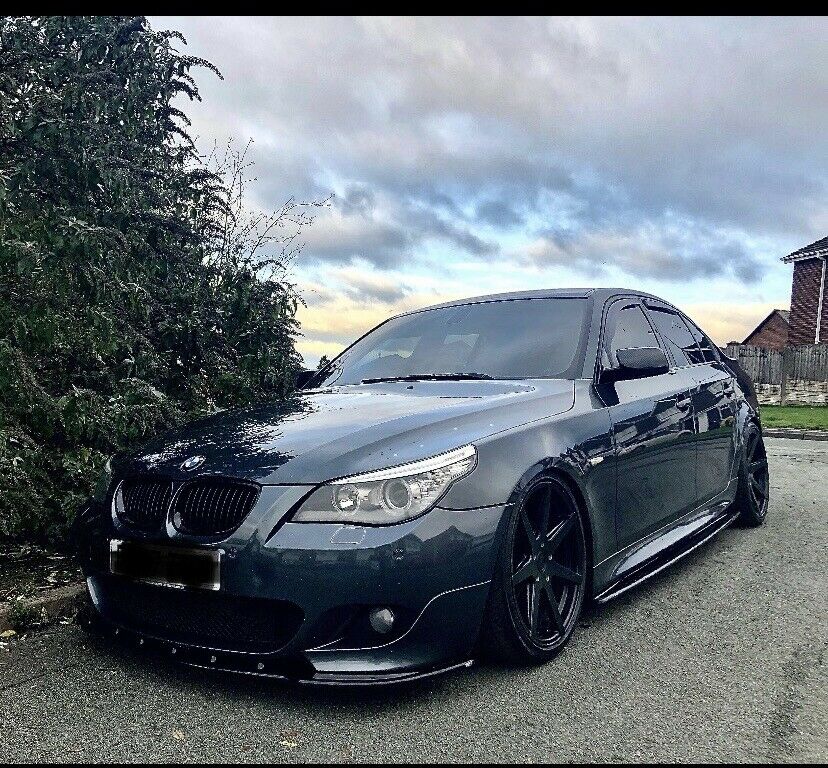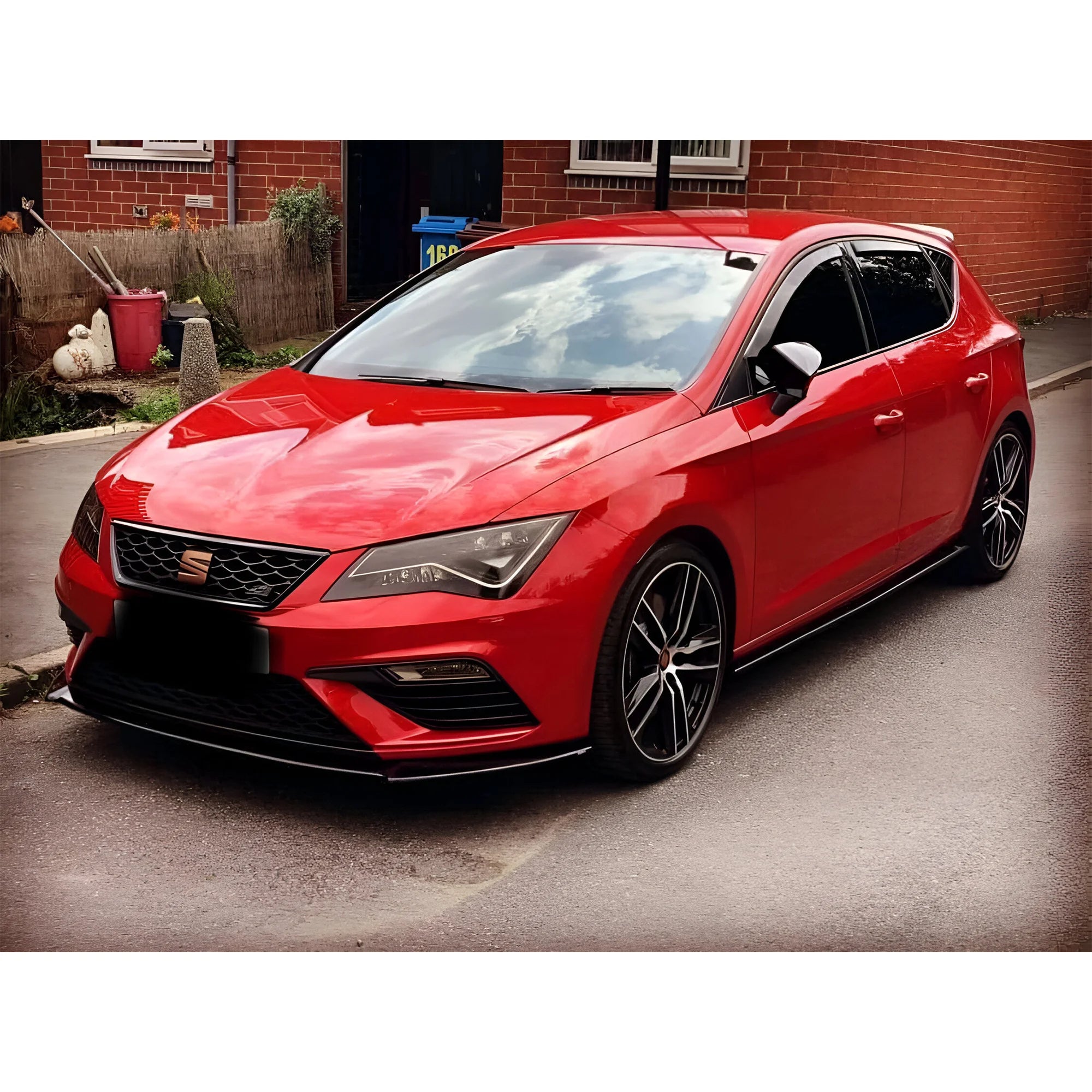


How Much Does Body Kit Installation Cost
Body kit installation costs are a key consideration if you want to transform your car’s appearance without unpleasant surprises. Custom body kits can dramatically improve a vehicle's look and performance, but installation involves choices about materials, labour and finishing that affect the final cost.
This guide explains the main elements of body kit cost and installation from kit types and materials to painting, fitment and expected labour so you can make informed choices. Read on to compare kit options, estimate likely costs and learn where to get reliable quotes.
Body Kit Basics: What Exactly Is a Body Kit?
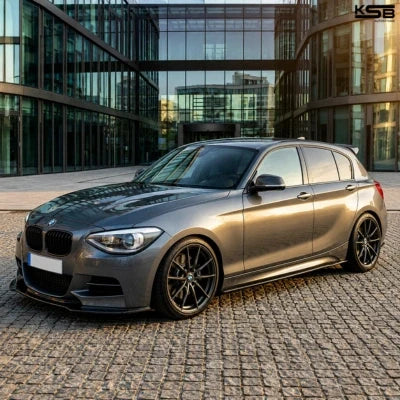
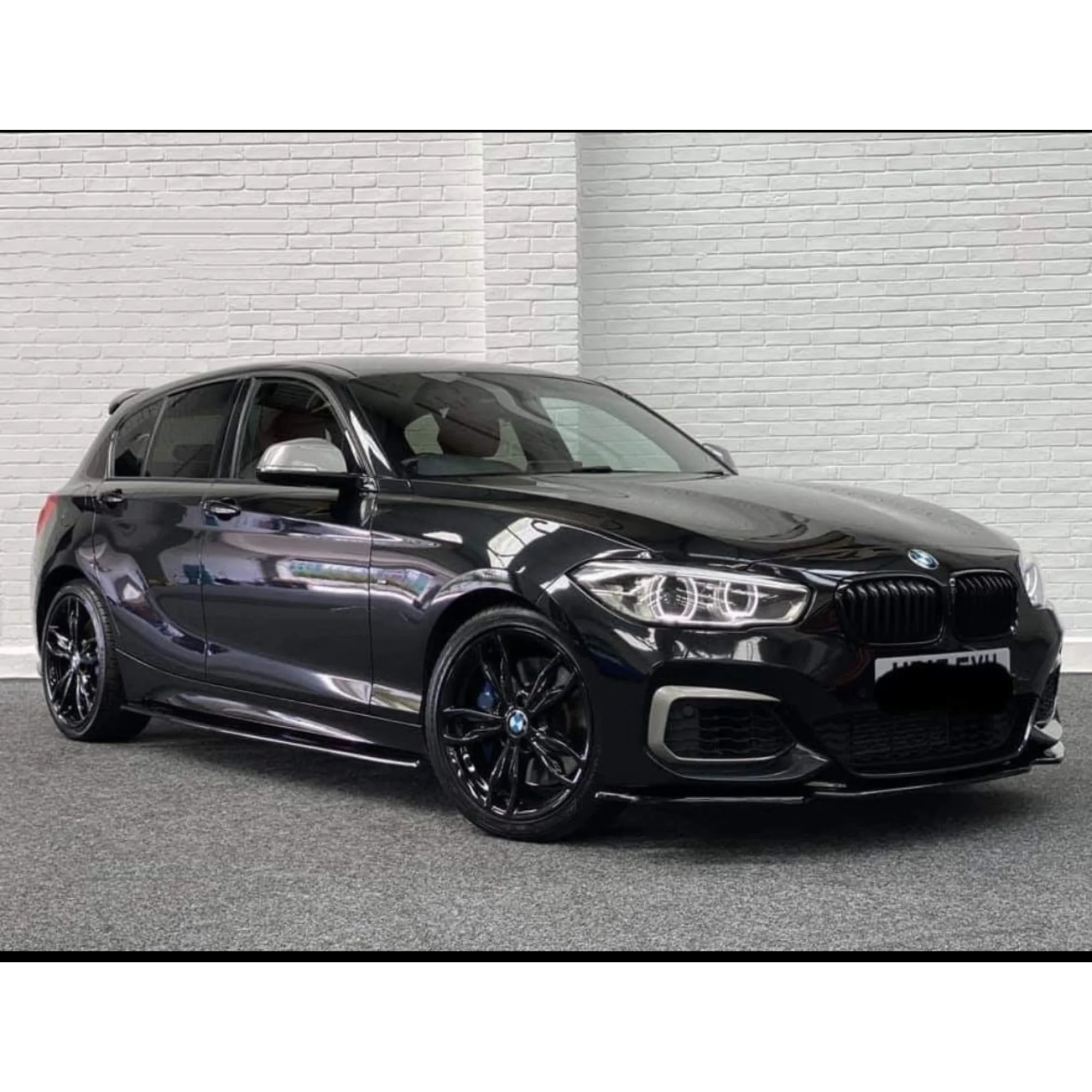
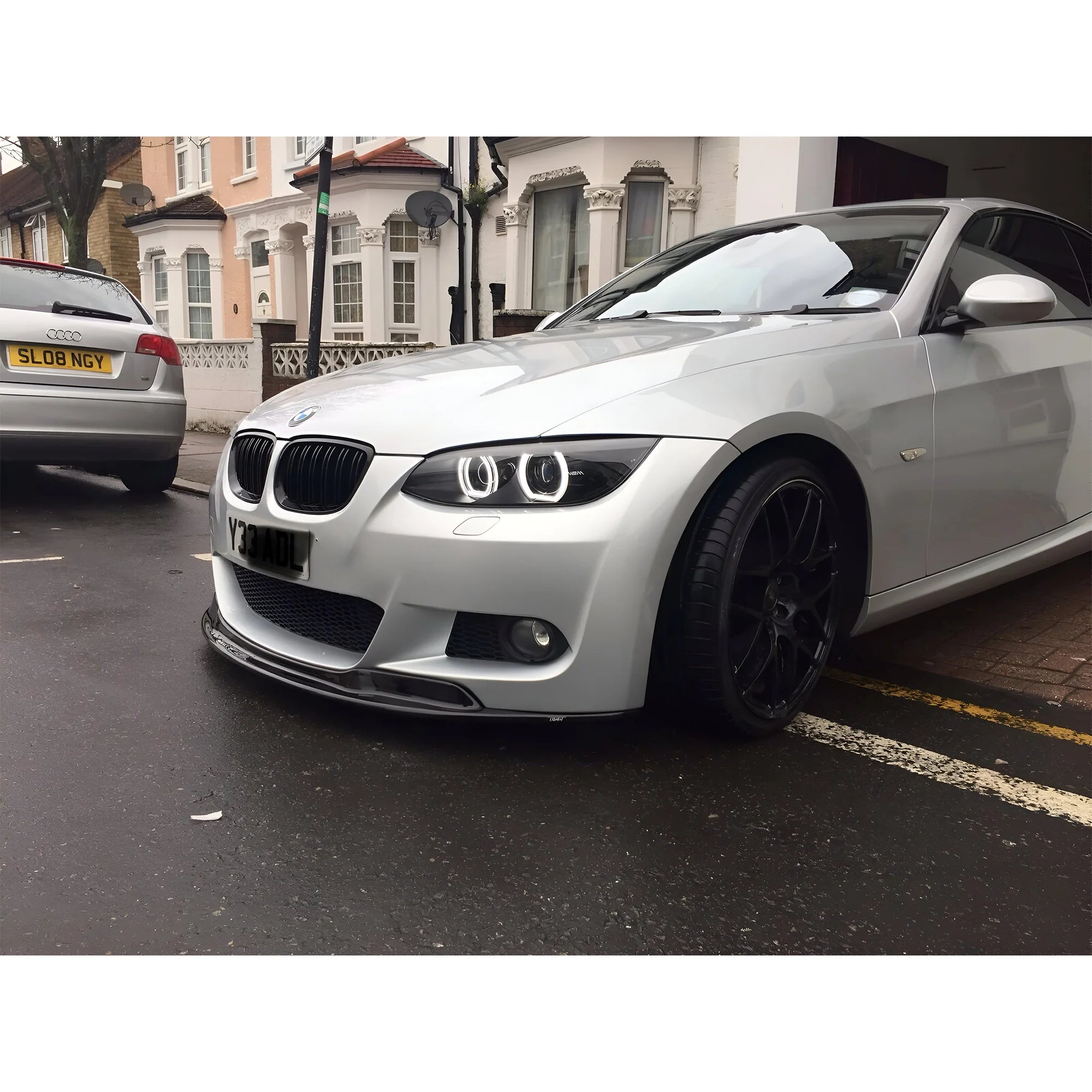
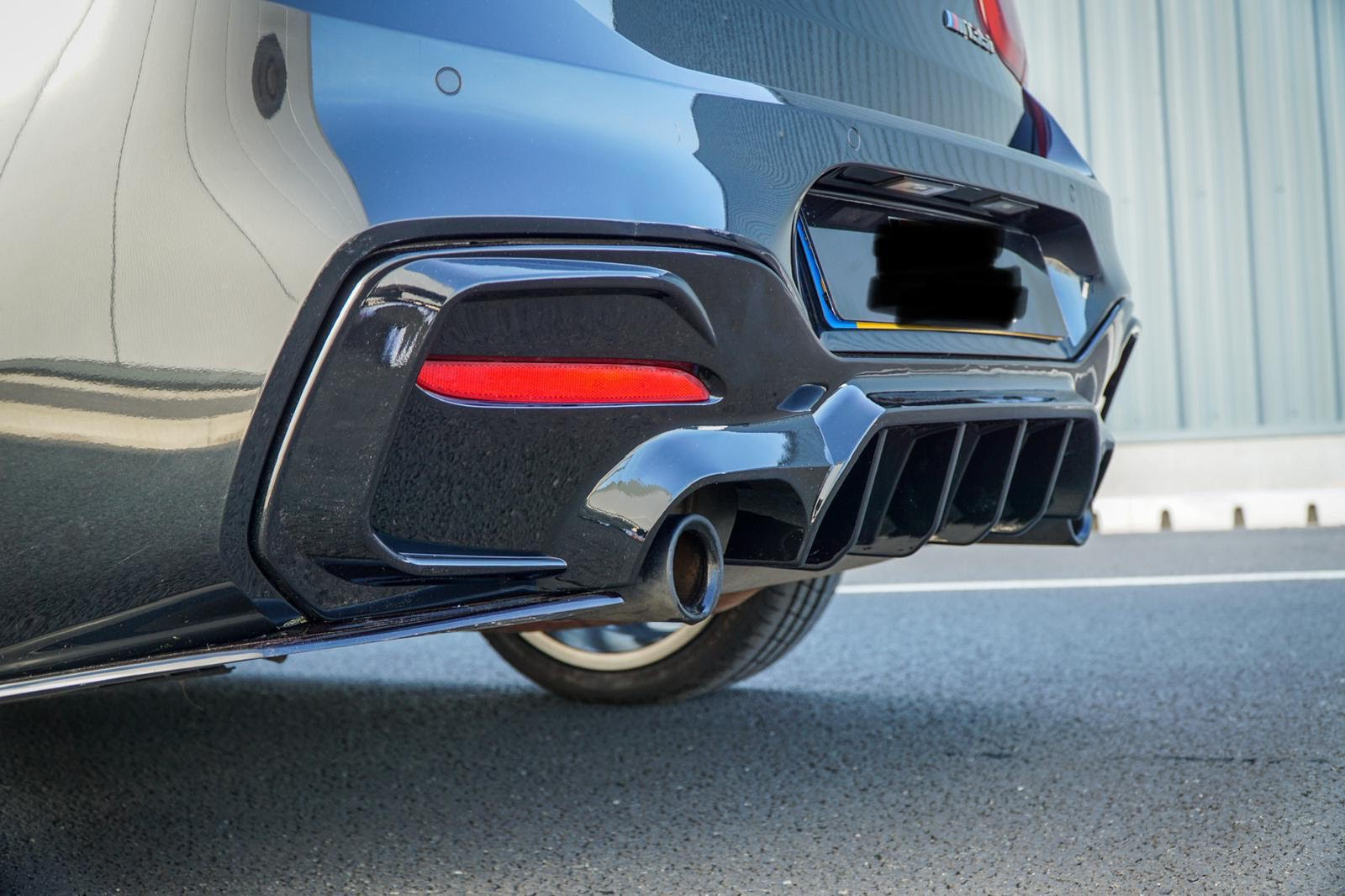
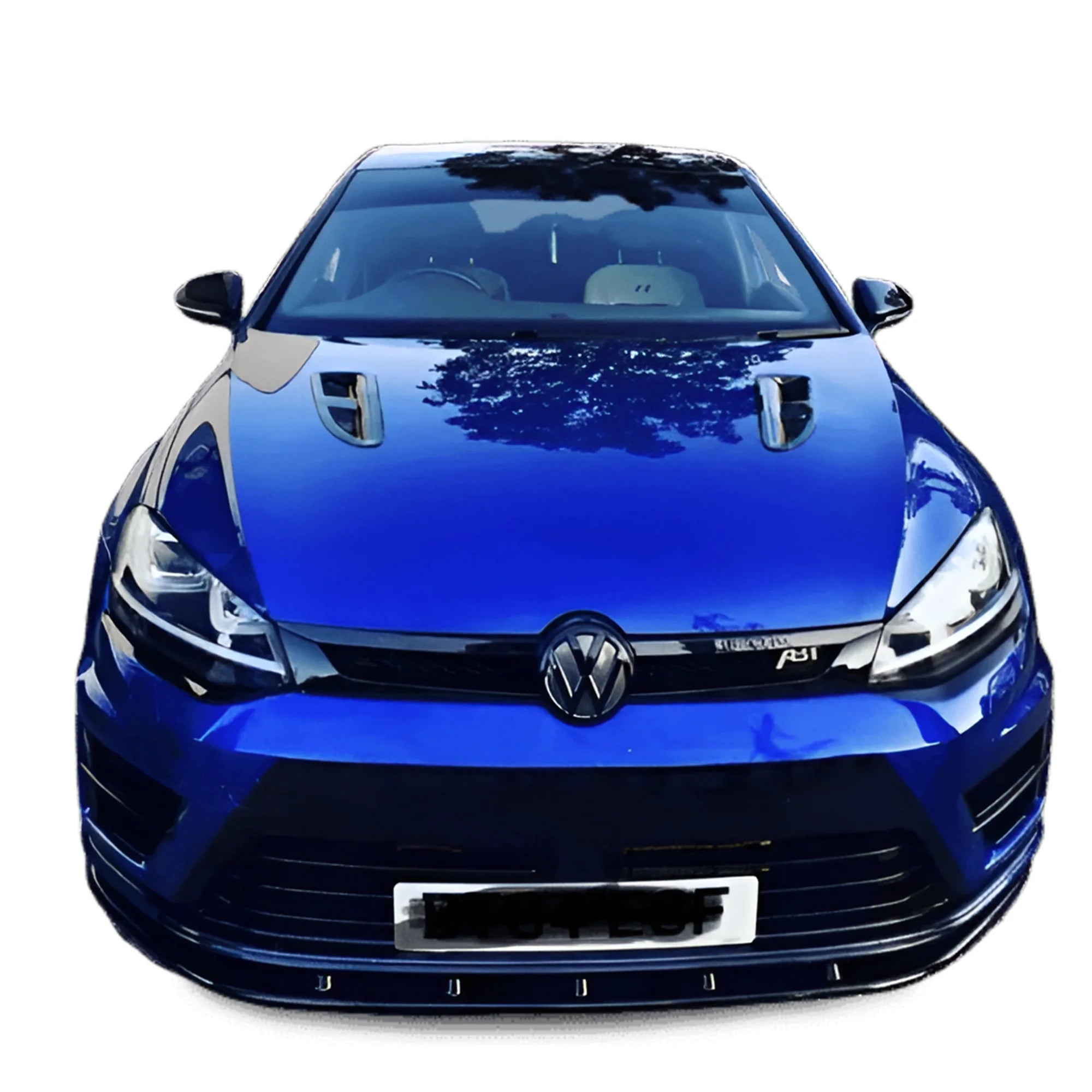
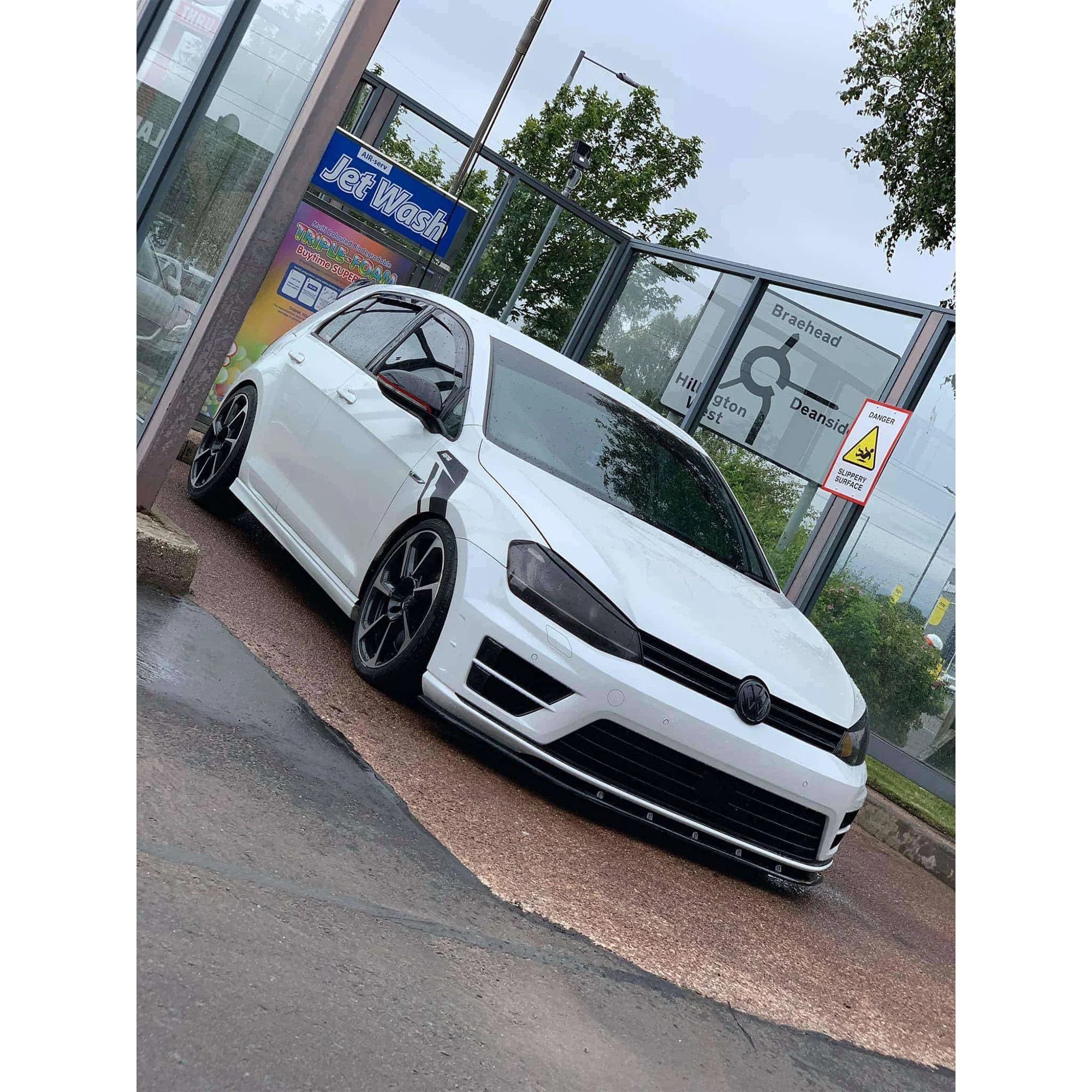
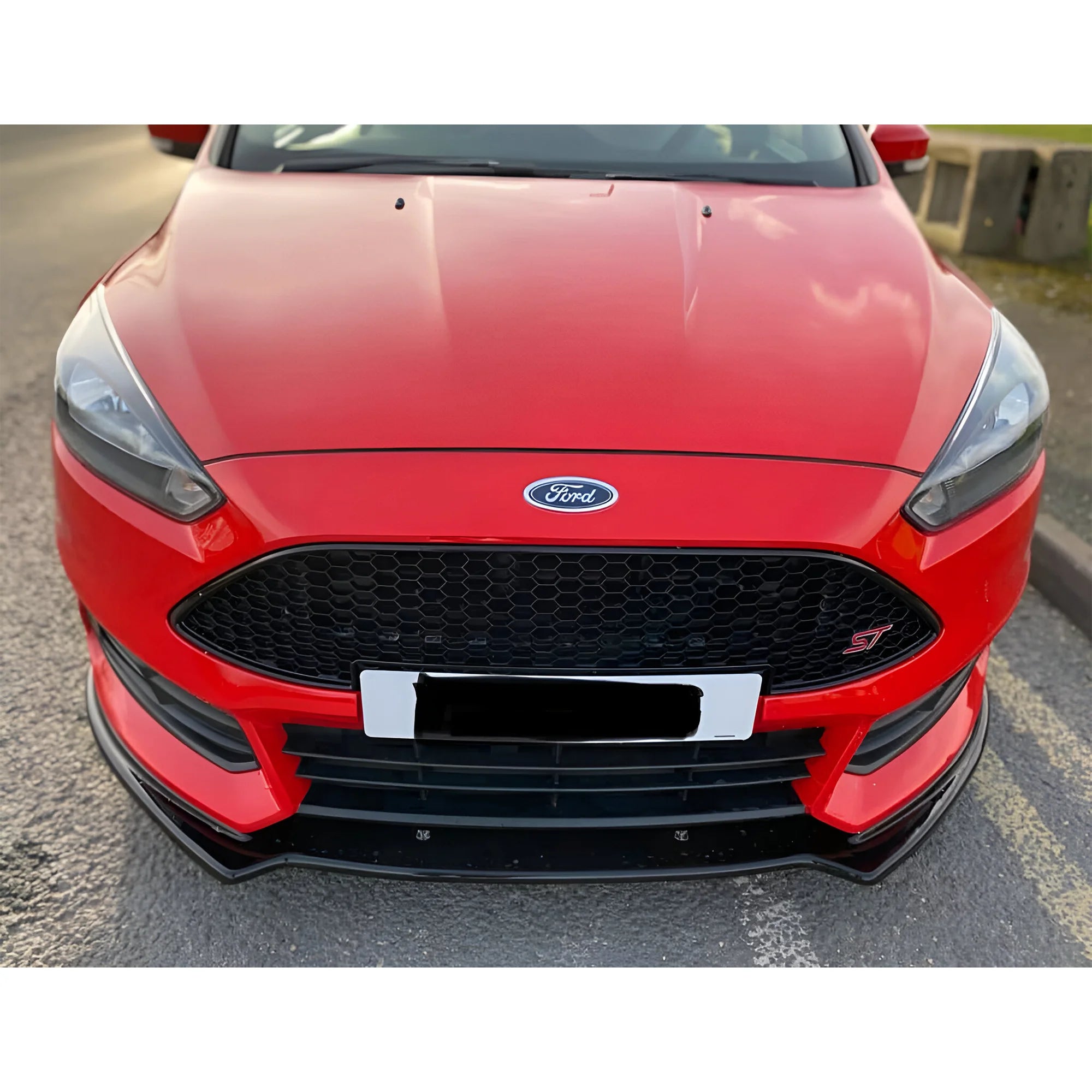
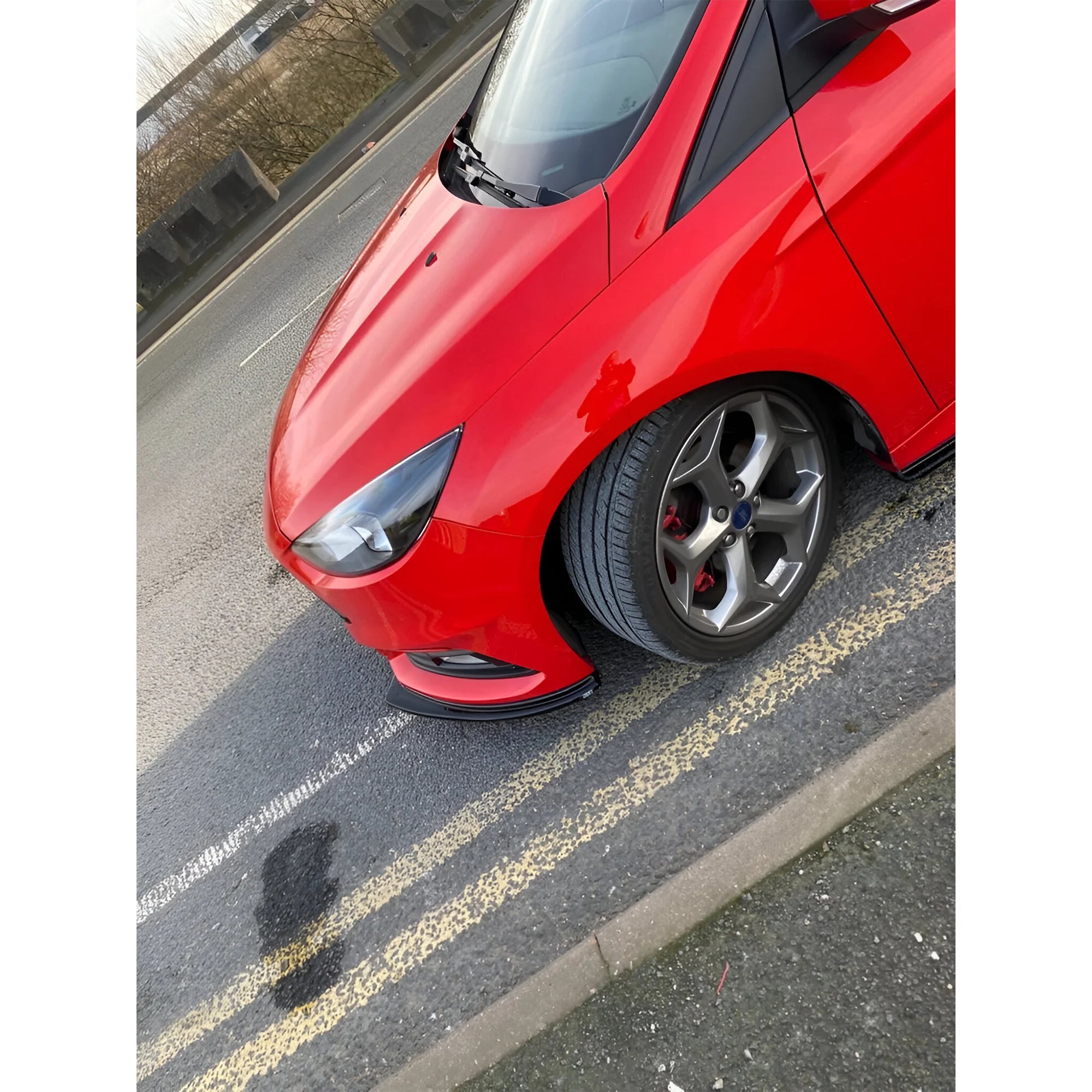
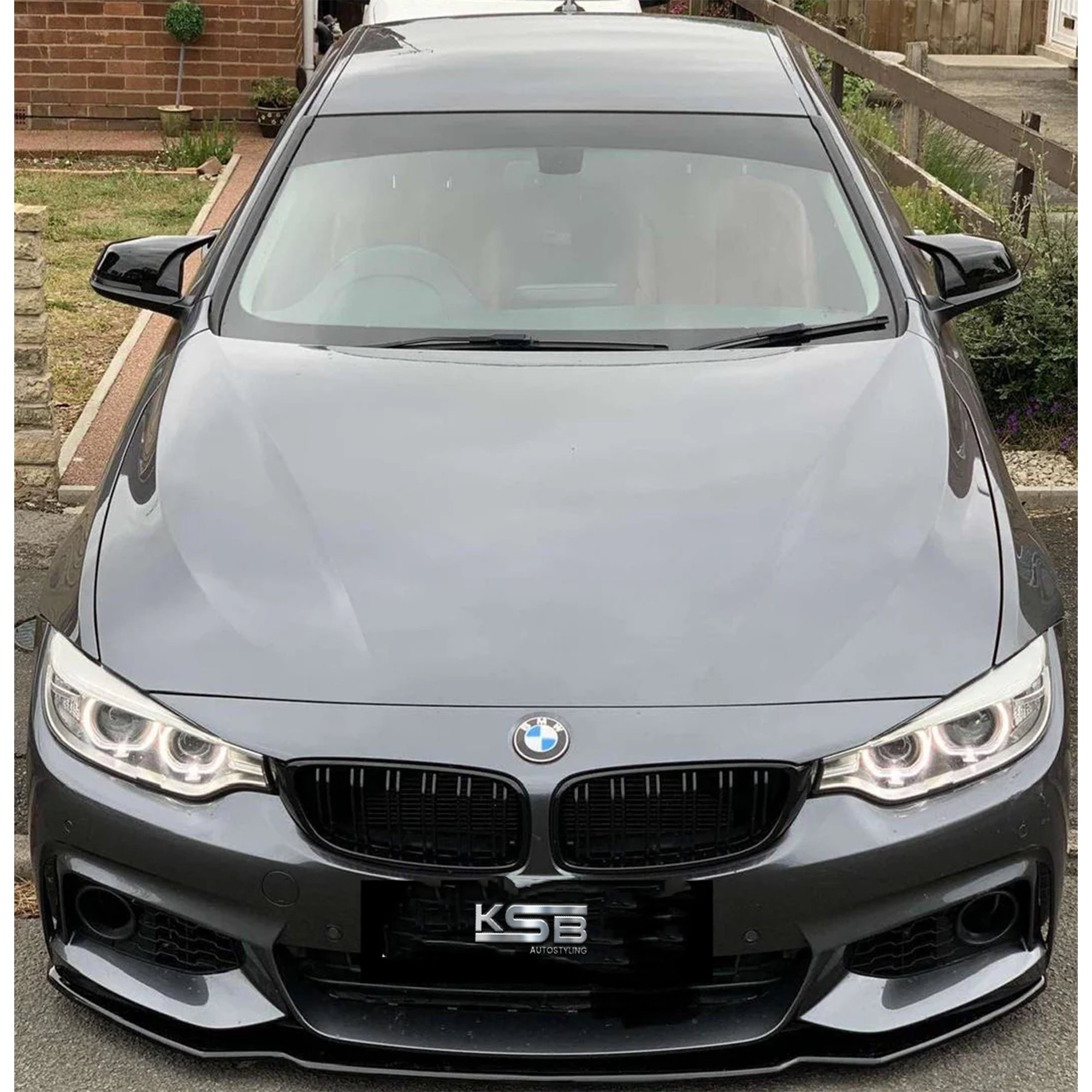
Before you spend on parts or labour, it helps to be clear about what a body kit is and what it includes. A body kit is a collection of exterior components fitted to a vehicle to alter its appearance and, in some cases, its performance. Typical components include front and rear bumpers, spoilers, side skirts and wheel-arch extensions such as fender flares.
Body kits range from subtle to extreme:
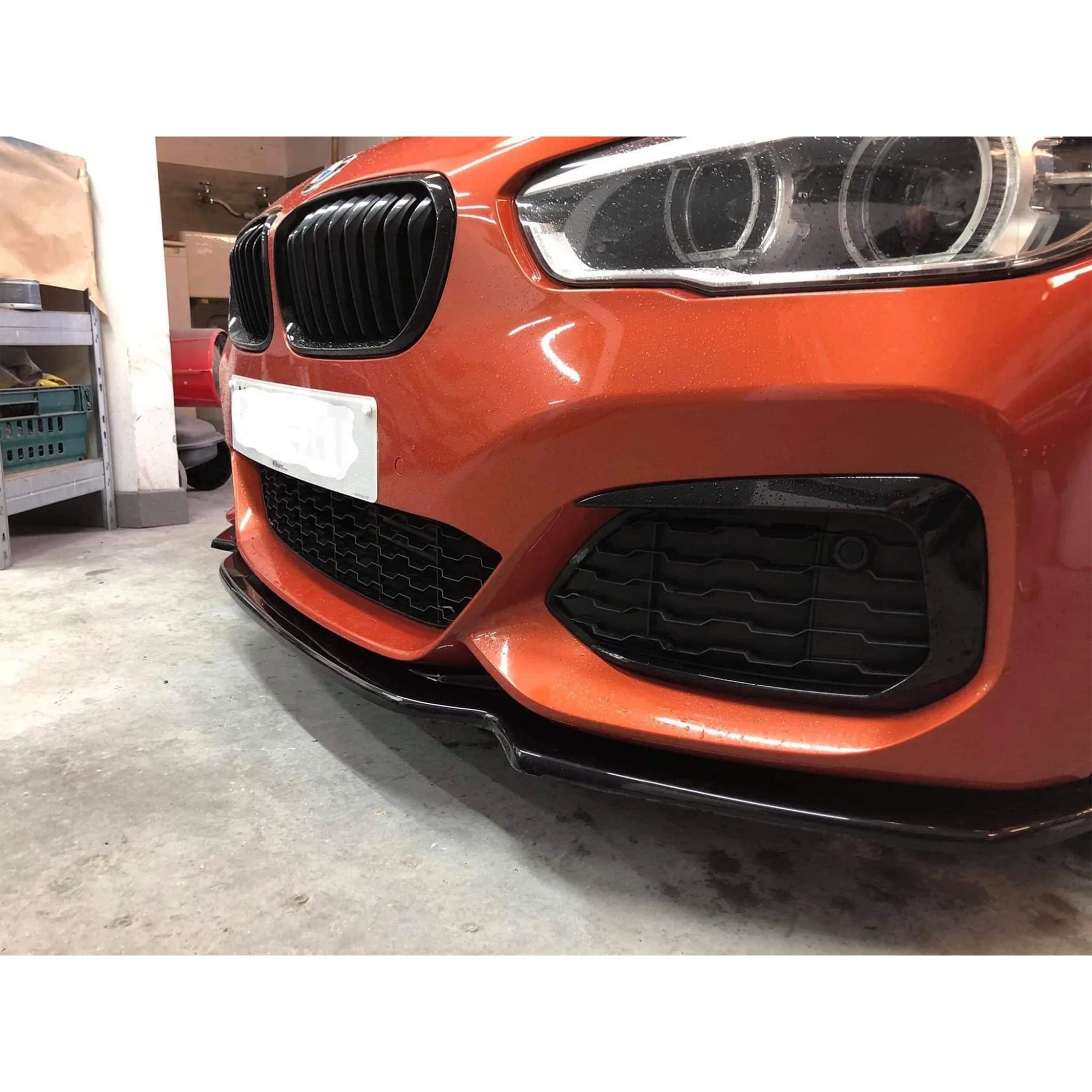
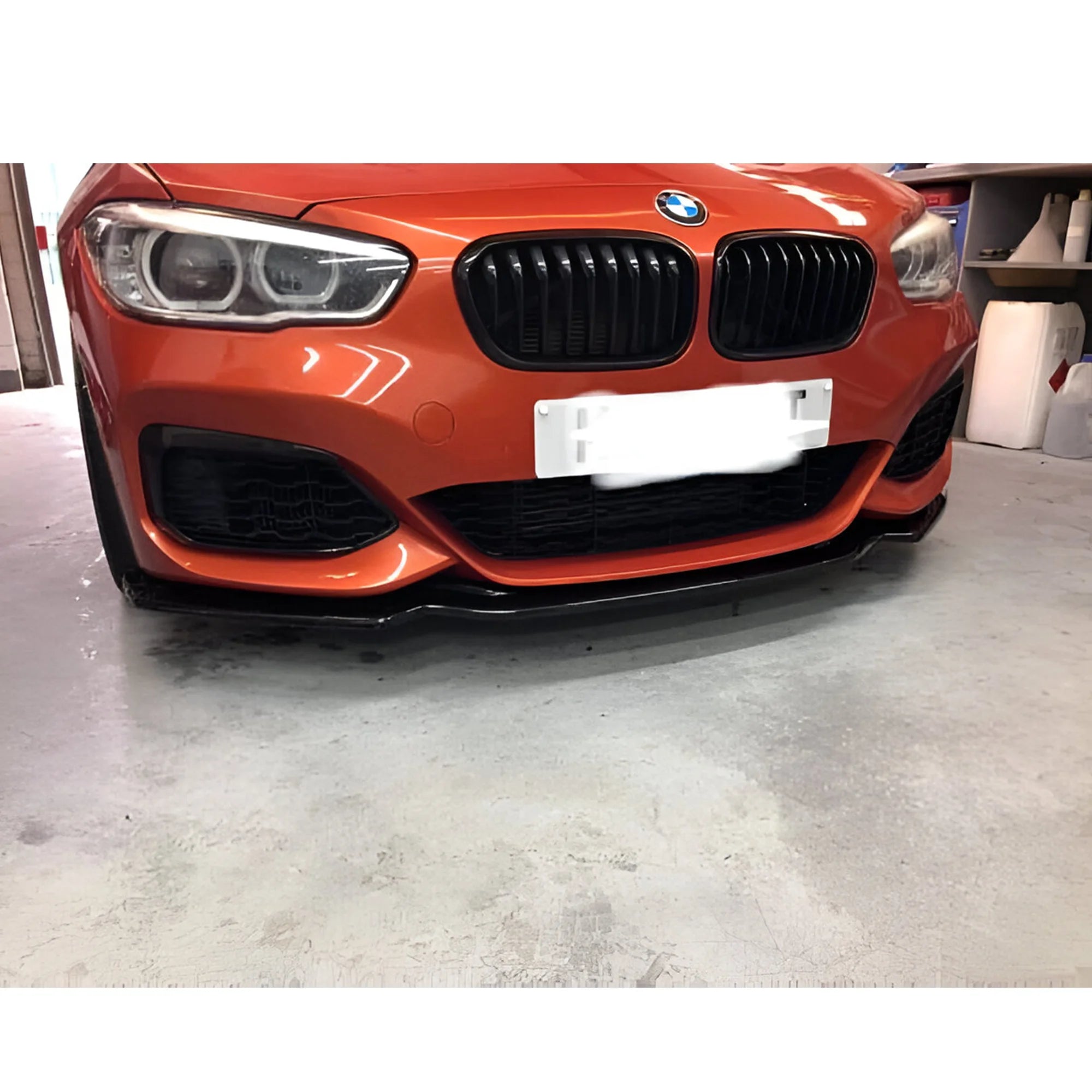
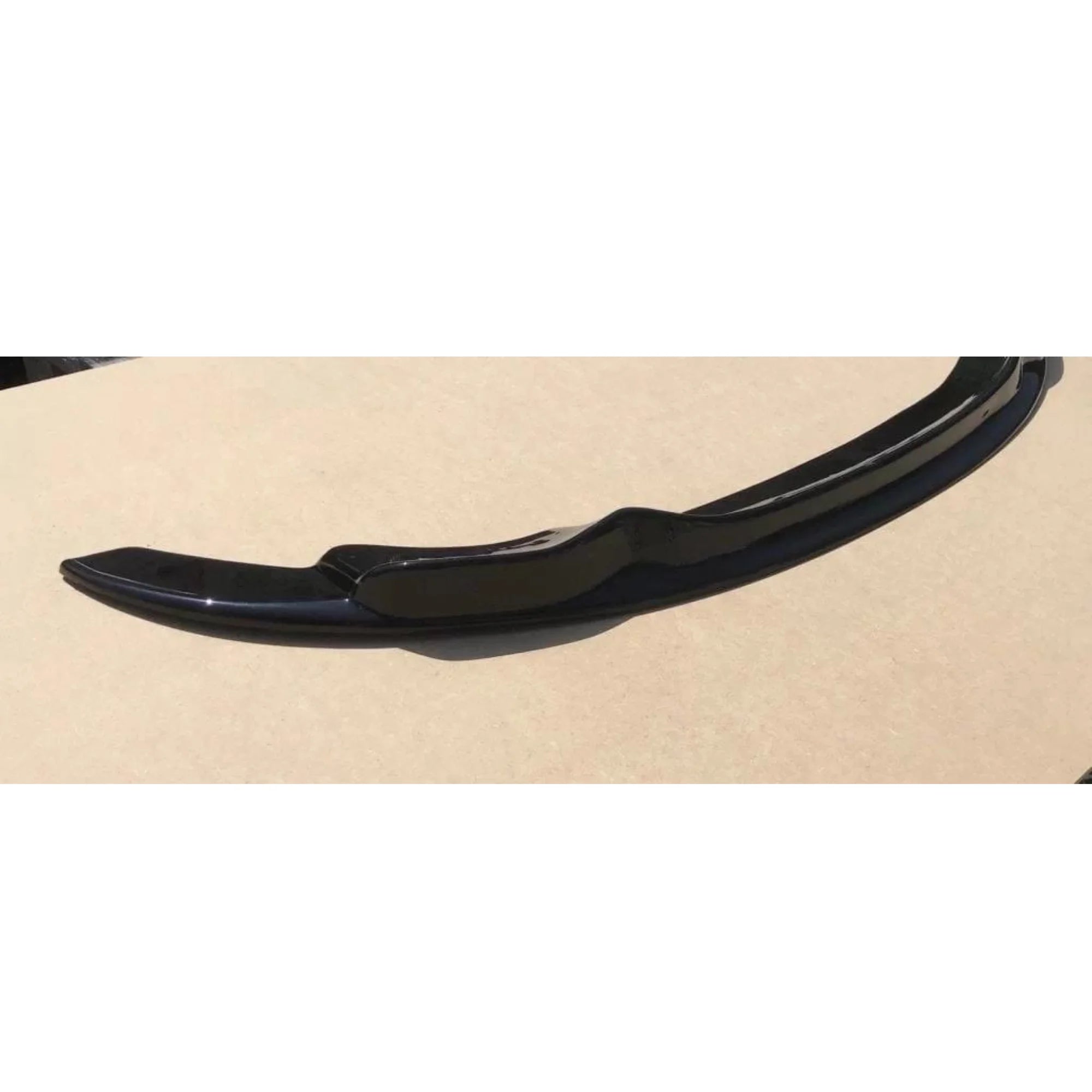
- Lip kits modest additions to bumpers or splitters that change the car’s look with minimal modification.
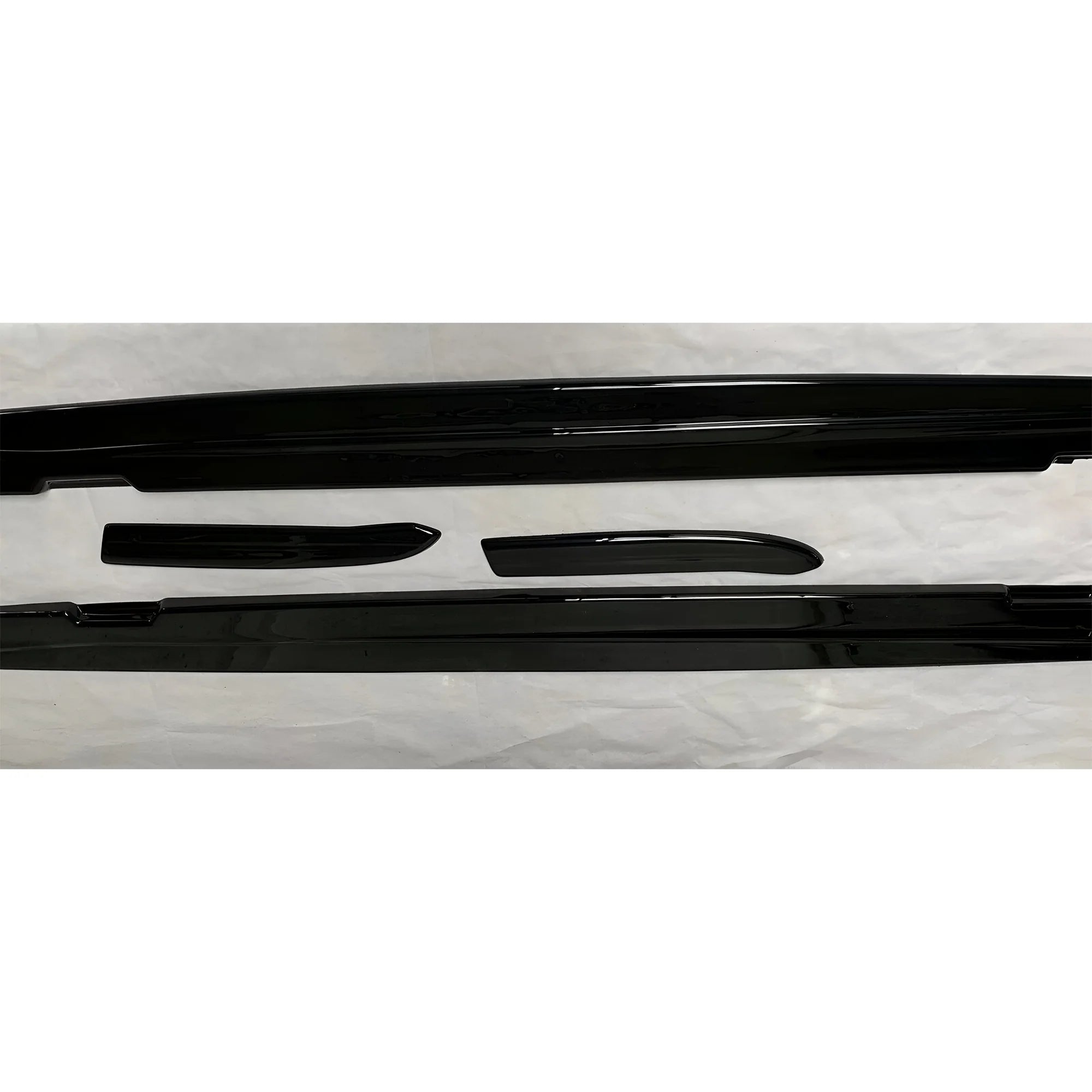
- Full bumper and skirt kits replace or substantially alter front and rear bumpers and add side skirts for a cohesive appearance.
- Wide‑body kits widen wheel arches and change body panels to accept wider wheels and tyres; these often require additional work such as rolling arches or modifying suspension.
Materials and fit matter. Kits are commonly made from fibreglass, ABS plastic (or PU), or carbon fibre each material affects weight, durability, finish and price. Fibreglass is generally cheaper but more prone to cracking; ABS/PU offers better flexibility and is often easier to fit; carbon fibre is the lightest and most expensive, prized for performance and appearance.
When considering a kit, think about fitment off‑the‑shelf kits vary in how closely they match your vehicle, and some will need trimming or filler work for a perfect fit. Check manufacturer reputation and examples of completed installations (photos or forum threads) to assess likely fit and finish before buying.
Exploring the Aesthetics and Functions of Body Kits
Body kits are not just about the look; many designs provide genuine functional benefits that can affect handling and aerodynamics. Well‑designed front and rear bumpers can channel airflow to reduce turbulence, while side skirts help limit air feeding beneath the vehicle both changes that can reduce drag and improve stability at speed.
Functional benefits (what to expect):
- Improved aerodynamics modest reductions in coefficient of drag are possible with purpose‑built bumpers and splitters, depending on the vehicle and kit design.
- Better grip and handling wider fenders and arch extensions allow for wider wheels and tyres, which increase the contact patch and can enhance cornering performance (note: suspension and alignment adjustments are typically required).
- Cooling and brake airflow some kits include ducts or vents to aid cooling for brakes and radiators on performance cars.
Aesthetic benefits (the look):
- Enhanced presence lip kits, skirts and spoilers change the car’s stance and profile for a sportier appearance.
- Custom appearance materials and finishes (plain primer, painted, exposed carbon fibre) let you tailor the look to your taste.
Important safety and compliance notes: altering bumpers, wings and sensors can affect vehicle crash structures, pedestrian safety and ADAS (advanced driver assistance systems). In the UK you must ensure modifications comply with MOT and insurance requirements consult a qualified installer and your insurer before fitting. Also make sure any changes to wheel or tyre sizes are within legal and manufacturer recommendations.
When weighing style against function, consider quality and material. Carbon fibre kits offer weight savings and a high‑quality finish but come at a premium; fibreglass may be cheaper but less durable; ABS/PU plastics are flexible and forgiving on everyday cars. Choose a kit that matches your intended use show, track or daily driving and get professional advice on how the modification will affect your vehicle’s performance and safety.
The Cost of Style: Deconstructing the Body Kit Expenses
Body kit installation costs are made up of several elements beyond the purchase price of the kit itself. To estimate the total cost accurately you must consider the kit material and complexity, additional parts and modifications, labour, painting and any unexpected work required for proper fitment.
The Breakdown
Kit Price
Kit prices vary widely by type, material and brand. Typical UK ranges (approximate) are:
- Lip kits / small add-ons: low-cost options from fibreglass or ABS can start from modest sums; mid-range painted ABS or PU kits are more common for everyday cars.
- Full bumper + side skirt kits: expect higher prices for complete sets, especially if they include rear diffusers or bespoke items.
- Wide‑body kits and bespoke panels: these are at the top end, often requiring significant trimming or custom work.
Materials strongly influence price and performance. Fibreglass is generally cheaper but can be brittle; ABS/PU (plastic) is flexible and easier to install; carbon fibre (fibre) is the lightest and most expensive, prized for quality and visual impact. Choose a material that matches your budget, use and desired finish.
Additional Components
Many installations need additional parts: fasteners, brackets, filler, wheel‑arch liners or new lights. If you’re fitting a wide‑body kit you may also need wheel spacers, wider wheels and different tyres, or rolling/reshaping of the original arches. These parts add to the final cost and should be listed on any quote.
Specialist Labour
Labour is often the largest variable. Installing a kit can take from a day for simple lip kits to several days (or longer) for wide‑body conversions that require trimming, drilling and bodywork. Labour rates vary by region and by the installer’s experience high‑end specialist shops charge premium rates but deliver better fitment and finish. Get multiple quotes and ask for a time estimate and itemised labour charge.
Paint and Finish
Most aftermarket kits arrive unpainted and require professional painting or a paint job to match the vehicle. Costs depend on whether the kit needs a full respray, blending into existing panels, or specialised finishes such as exposed carbon or two‑tone work. Quality painting can significantly elevate the final look, but it adds materially to the bill.
Typical cost examples (illustrative)
Exact prices depend on the kit and the vehicle, but to give a sense of range (approximate):
- Lip / small kit (parts + basic installation): low → mid range.
- Full bumper & skirt kit (parts + installation + paint): mid → higher range.
- Wide‑body conversion (parts + significant labour + paint + additional modification): high range.
Ask suppliers for a line‑item quote that separates parts, paint and labour so you can compare prices and spot hidden costs.
Kit Selection
When choosing a kit, research the brand and read reviews or view completed installs to assess fitment and quality. Cheaper kits may look attractive on price but often need filler, trimming or extra reinforcement to achieve a perfect fit. A higher quality kit typically reduces installation time and long‑term maintenance.
Labour Pains
Labour complexities that raise costs include panel modifications, wheel‑arch work, sensor relocation, and integration with bumpers and lights. If bespoke fabrication is required, expect labour to increase substantially. Use installers with a portfolio of similar work and request before/after photos where possible.
The Colour Match Conundrum
Colour matching is a specialised skill. Seamless blending between new panels and original bodywork often requires careful preparation and professional paint matching; otherwise, a mismatch will be obvious. Discuss paint options with your chosen shop and decide whether to match, respray panels or choose contrasting finishes like exposed carbon.
Don’t Forget the Warranty
Warranties vary by manufacturer and retailer. Some aftermarket kits include limited guarantees on fit or defects; others exclude paint and labour. Read warranty terms carefully and make sure you understand what is covered and for how long this can affect long‑term costs if issues arise.
Practical tips: request three quotes, insist on itemised pricing (parts / labour / paint), and budget a contingency (typically 10–15%) for unforeseen modifications or repairs. Also consider whether a DIY installation is realistic while it may save on labour costs, it often increases the risk of poor fitment and potential additional expense.
Finding Your Way to Finance a Body Kit
Financing a body kit installation can be as tailored as the kit itself. Whether you use savings, credit or a dealer plan, choosing the right approach helps you manage costs and avoid surprises. Below are practical options, pros and cons, and budgeting tips so you can make a sensible decision for your vehicle.
Personal Savings
Using personal savings is the simplest and often the cheapest option because there are no interest charges. If you pay upfront you may also have more negotiating power with suppliers. Make sure you keep a contingency fund (typically 10-15%) for unexpected parts or extra labour.
Credit Considerations
Credit cards, personal loans or a line of credit can spread the cost over time. Credit cards may offer convenience and rewards but often carry higher interest rates; personal loans can offer lower, fixed rates but require a credit check. Before borrowing, compare typical APRs and monthly payments and factor those into the total cost of the kit and installation.
Dealership and Shop Loans
Some dealerships and installers offer point‑of‑sale finance or payment plans. These can be convenient and tailored to the project, but terms vary widely. Always ask for the full cost of credit, any set‑up fees, and whether the plan covers parts, labour and painting. Make sure the contract is clear about what is included and who is responsible for warranty issues.
DIY Financing and Hybrid Approaches
A hybrid approach using some savings plus a short‑term credit facility can lower interest costs while preserving cash. Another option is to stage work: fit the kit first and defer painting, or spread installation tasks across multiple sessions to ease cash flow. Bear in mind that DIY installation may save on labour but can increase the risk of poor fitment or extra expense if professional correction is needed.
Quick comparison (pros / cons):
- Savings pros: cheapest; cons: ties up capital.
- Credit card/loan pros: spreads cost; cons: interest and potential fees.
- Dealer/shop finance pros: convenient, tailored; cons: variable terms, check for hidden costs.
- DIY pros: lower labour costs; cons: higher risk of poor fit/finish and additional future costs.
Practical tips: ask your chosen installer about available finance options, request an itemised quote that separates parts, paint and labour, and make sure you understand how warranties and refunds are handled when finance is used. If in doubt, consult a financial adviser for larger projects especially if borrowing to fund aftermarket modifications.
Preparing to Set Your Wheels in Style
Before committing to a body kit installation, make sure the vehicle and your expectations are ready. Simple preparation cleaning the car, checking alignment and confirming parts fit reduces delays and unexpected costs during painting and installation.
Vehicle Readiness
Ensure your car is mechanically sound before fitting a kit. Address any existing issues and check chassis alignment, mounting points and wheel clearance. If you plan wider wheels or changes to ride height, factor in suspension adjustments and an alignment check these modifications affect both safety and the final fit.
Research and Consultation
Speak to experienced installers and enthusiasts to learn what to expect for your specific make and model. Ask to see previous installs, request a breakdown of labour hours and inquire about the installer’s experience with the chosen brand or aftermarket kits. A short consultation can save significant time and expense later.
Post-Installation Plans
Think beyond fitting: how will you care for the new panels? Ask about recommended cleaning, paint protection and any special maintenance for carbon fibre or painted finishes. Clarify warranty coverage for parts, paint and labour so you know who to contact if issues appear.
Final Thoughts
Body kit installation costs vary widely. By preparing the vehicle, researching kit fitment and choosing an experienced installer, you increase the chance of a high‑quality outcome that matches your intended look and use. Make sure you budget for parts, labour, paint and a contingency for unexpected work.
FAQS:
How much does it cost to get a body kit put on your car?
Costs depend on the kit and the installation complexity. In the UK, simple lip kits fitted and painted can be several hundred pounds, while full bumper and skirt kits with professional paint and fitment typically run into the low thousands. Wide‑body conversions, with extra parts and fabrication, sit at the higher end. These are approximate ranges get local quotes for an accurate figure.
How much does it cost to change the body kit of a car?
Replacing an existing kit involves removal, possible repair to original panels, new parts, repainting and refitting. Depending on the scope, expect a range from a modest project to several thousand pounds for high‑quality parts and labour. Request an itemised quote covering parts, paint and labour before proceeding.
Can a mechanic install a body kit?
Yes a qualified mechanic or body technician can install a body kit, but experience matters. Body shops and specialist fitters often provide better fitment and finishing because they routinely handle trimming, bonding and paintwork. Ask about the fitter’s experience with your specific kit and request photos of similar work.
How long does it take to install a body kit on a car?
Installation time varies: simple kits may take a day or less; full replacements or wide‑body conversions can take several days to a couple of weeks when paint and curing time are included. Confirm the shop’s estimated timeline and whether paint blending or panel repairs are required, as these extend the schedule.